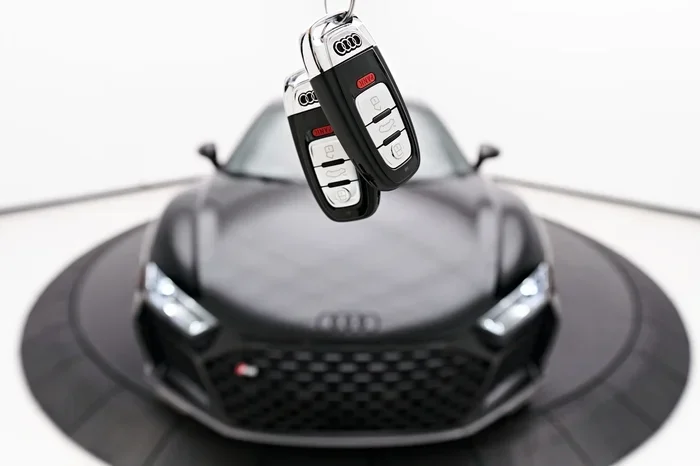
How Does Audi Keyless Entry Work And Why It Matters
Audi keyless entry uses advanced RFID technology and proximity sensors to let you unlock and start your vehicle without touching the key fob. The system detects when your smart key is nearby and automatically grants access, making every entry seamless and modern. Understanding how this system works helps you troubleshoot issues and appreciate the engineering behind it. This guide covers everything from signal authentication to common problems and fixes.
You walk up to your Audi, and the doors unlock before you even touch them. You step inside, press the start button, and the engine roars to life. No fumbling with keys. No digging through pockets. It feels like something from a sci-fi movie, but it is real. This is the magic of Audi keyless entry, and it has changed how we interact with our vehicles.
If you have ever wondered what happens behind the scenes when your Audi recognizes your key fob, you are in the right place. This guide breaks down the entire system in plain, simple language. We will explore the technology, the sensors, the security features, and the common issues you might face. By the end, you will understand exactly why Audi keyless entry is one of the most convenient features in modern driving.
Whether you are a new Audi owner or just curious about how modern car access works, this article covers it all. Let us dive in and demystify the tech that makes your daily drive smoother.
Key Takeaways
- RFID and proximity sensors power the system: Your Audi uses encrypted radio signals to detect your key fob from a distance.
- Comfort Access adds hands-free convenience: You can unlock doors and the trunk just by being near the vehicle.
- The immobilizer prevents theft: The engine only starts when it recognizes your specific key fob’s encrypted code.
- Battery issues are the most common problem: A low fob battery is the top reason for keyless entry failure.
- Signal interference can cause glitches: Electronics, metal structures, and other devices may disrupt the system temporarily.
- Regular maintenance keeps it working smoothly: Simple habits like replacing the fob battery on schedule prevent most issues.
- Future tech is evolving fast: Digital keys and smartphone integration are the next frontier for Audi access systems.
📑 Table of Contents
- What Is Audi Keyless Entry?
- The Role of Proximity Sensors in Audi Keyless Entry
- How the Push-Button Start System Works
- Comfort Access: The Hands-Free Upgrade
- Common Issues with Audi Keyless Entry and How to Fix Them
- Why Audi Keyless Entry Matters
- Quick Tips for Maintaining Your Audi Keyless Entry System
- Expert Insights on Audi Keyless Entry Technology
- Key Takeaways
- Conclusion
What Is Audi Keyless Entry?
Audi keyless entry is a system that allows you to unlock and start your vehicle without physically inserting a key. Instead, your car communicates wirelessly with your key fob using radio frequency signals. When the system detects your fob is nearby, it unlocks the doors and lets you start the engine with the push of a button.
This technology is also known by several other names. You might hear it called keyless go, passive entry, or comfort access. These are all marketing terms for the same basic idea. Your car knows your key is close, and it responds accordingly.
The system relies on a small computer inside the vehicle and a matching chip inside the key fob. Together, they create a secure handshake. If the handshake is successful, the car unlocks and allows ignition. If it is not, the car stays locked and the engine will not start. This keeps your vehicle safe at all times.
How the Key Fob Communicates with Your Audi
Your Audi key fob is more than just a remote. It is a small computer that constantly sends out a low-energy radio signal. This signal carries a unique identification code. When you approach your car, the vehicle’s antennas pick up this signal and check if the code matches one that is authorized.
The communication happens using RFID technology, which stands for Radio Frequency Identification. This is the same basic technology used in contactless payment cards and public transit passes. But in your Audi, the encryption is far more advanced. The signal between your fob and the car is encrypted to prevent copying or hacking.
Here is how the process works step by step:
- Your key fob sends out a low-power radio signal at regular intervals.
- The vehicle’s antennas detect this signal when you are within a certain range.
- The car sends a challenge code back to the fob.
- The fob encrypts the challenge code and sends it back.
- The car verifies the response and grants access if it matches.
This entire process takes just a fraction of a second. You never notice it happening, but it is always working when you are near your Audi.
The Role of Proximity Sensors in Audi Keyless Entry
Proximity sensors are the eyes and ears of the Audi keyless entry system. These small devices are hidden in the door handles, the trunk, and sometimes the front bumper. Their job is to detect when your key fob is close enough to trigger the unlock mechanism.
When you walk up to your Audi with the fob in your pocket or bag, the sensors pick up the fob’s signal. The system measures the signal strength to estimate how far away you are. If you are within the detection range, the doors unlock automatically. This is what makes the experience feel effortless.
Where Are the Sensors Located?
The sensors are placed strategically around the vehicle for maximum coverage. You will typically find them in these locations:
- Door handles: These are the primary sensors. They detect your approach and trigger the unlock.
- Trunk lid: Many Audi models allow hands-free trunk opening when the fob is nearby.
- Front bumper: Some models use bumper sensors to detect the fob when you approach from the front.
- Interior cabin: Interior sensors confirm the fob is inside the vehicle before allowing ignition.
The detection range varies by model and year, but most Audi vehicles can sense the fob from about one to two meters away. This means the system activates just as you reach for the door handle. It is a carefully tuned balance between responsiveness and security.
What Happens When Sensors Detect Your Fob?
Once the proximity sensors detect your fob, the vehicle’s central computer takes over. It verifies the fob’s identity through the encrypted handshake we discussed earlier. If the fob is recognized, the system sends a signal to the door locks to release. The interior lights may also turn on, and the dashboard may display a welcome message.
If the fob is not recognized, nothing happens. The doors stay locked. This is a critical security feature. Even if someone is standing near your car with a copied signal, the encrypted authentication prevents unauthorized access.
How the Push-Button Start System Works
After you unlock the doors and sit inside, the next step is starting the engine. Audi push-button start is the second half of the keyless entry experience. It works hand in hand with the proximity sensors to create a seamless entry and ignition process.
To start the engine, you simply press the engine start button while pressing the brake pedal. The system checks whether the key fob is inside the cabin. If the fob is detected and authenticated, the engine starts. If the fob is not found, the system will not allow ignition. This is a built-in safety measure.
The Immobilizer System: Your Audi’s Secret Guardian
Underneath the push-button start system lies the immobilizer system. This is a security feature that prevents your car from being started with an unauthorized key. The immobilizer communicates with the key fob and verifies its identity before allowing the engine to turn over.
Every Audi key fob contains a unique cryptographic key. When you press the start button, the immobilizer checks this key against the one stored in the vehicle’s computer. If they match, the engine starts. If they do not match, the engine will not fire. This makes it virtually impossible for thieves to hot-wire an Audi vehicle with modern keyless technology.
The immobilizer is always active, even when the keyless entry system is not in use. It is one of the reasons why Audi keyless entry is considered both convenient and secure.
What If the Fob Battery Dies?
A dead fob battery is the most common issue with Audi keyless entry. When the fob battery is low or dead, the signal weakens and the vehicle may not detect it. But Audi has a backup plan. Most models allow you to place the fob directly against the start button or a specific spot on the steering column. This lets the vehicle read the fob through direct contact, even with a dead battery.
It is a good idea to keep a spare battery in your glove box. Replacing the fob battery is simple and inexpensive. Most Audi fobs use a CR2032 coin cell battery, which you can find at any pharmacy or auto parts store.
Comfort Access: The Hands-Free Upgrade
Many Audi models come with a feature called Comfort Access. This is an upgraded version of Audi keyless entry that adds hands-free convenience. With Comfort Access, you do not need to touch the door handle or the trunk button at all. The car does everything for you.
Here is what Comfort Access typically allows you to do:
- Unlock the doors automatically when you approach the vehicle with the fob in your pocket.
- Unlock the trunk hands-free by waving your foot under the rear bumper sensor.
- Start the engine with the push of a button without removing the fob from your pocket.
- Lock the doors automatically when you walk away from the vehicle with the fob.
Comfort Access is available on most mid-range and high-end Audi trims. If your Audi has this feature, you will notice that the entire interaction with your car feels almost magical. You walk up, the doors open, you sit down, and you drive. It is a small luxury that makes a big difference in daily life.
How to Activate Comfort Access Features
Comfort Access is usually enabled by default, but you can customize some settings through the Audi MMI system. For example, you can choose whether the doors lock automatically when you walk away. You can also adjust the sensitivity of the trunk sensor. These small tweaks can make the experience even more personalized and convenient.
To access Comfort Access settings, go to the vehicle settings menu on your Audi’s infotainment screen. Look for the Key and Lock or Comfort Access section. From there, you can toggle features on or off based on your preferences.
Common Issues with Audi Keyless Entry and How to Fix Them
While Audi keyless entry is highly reliable, it is not perfect. Like any electronic system, it can experience issues from time to time. Understanding common problems and their solutions can save you time, money, and frustration.
Signal Interference
One of the most common causes of keyless entry problems is signal interference. The RFID signals used by your fob can be disrupted by other electronic devices, metal structures, or even other vehicles nearby. If you are standing next to a large metal object or in an area crowded with electronics, your fob signal may not reach the car.
To troubleshoot signal interference, try moving away from other electronic devices and approach your car from a clear area. If the system works in a different location, interference was likely the culprit.
Low Fob Battery
As mentioned earlier, a low fob battery is the number one reason for keyless entry failure. Signs of a weak battery include delayed unlocking, the need to be very close to the car for detection, or the system not recognizing the fob at all.
Replacing the battery is quick and easy. Here is a simple guide:
- Find the small seam on the back of the key fob.
- Use a small flathead screwdriver or coin to pry it open.
- Remove the old CR2032 battery.
- Insert the new battery with the positive side facing up.
- Snap the fob back together and test it.
Software Glitches
Sometimes the issue is not hardware but software. The vehicle’s computer system may experience a glitch that prevents the keyless entry from working correctly. This can happen after a software update or when the battery in the car is disconnected.
A simple reset often fixes this. Try locking and unlocking the doors using the physical button on the fob. If that does not work, turning the car off and back on may reset the system. In persistent cases, a visit to the dealership for a software update may be needed.
Antenna or Sensor Failure
In rare cases, one of the vehicle’s antennas or sensors may fail. This can prevent the car from detecting the fob even when it is very close. Antenna failures are more common in older vehicles or those that have been exposed to harsh weather conditions.
If you suspect an antenna or sensor issue, it is best to have a qualified technician inspect the vehicle. They can use diagnostic tools to identify which antenna is not working and replace it if needed.
Why Audi Keyless Entry Matters
Audi keyless entry is more than just a luxury feature. It represents a shift in how we think about vehicle access and security. Here is why it matters and why it has become a standard feature in modern Audis.
First, it offers unmatched convenience. Imagine carrying grocery bags, a child’s hand, or a heavy suitcase and still being able to unlock your car without putting anything down. Audi keyless entry makes this possible every single day.
Second, it enhances security. The encrypted signal and immobilizer system make modern Audis much harder to steal than older models with traditional keys. The anti-theft system works silently in the background, protecting your investment without any effort from you.
Third, it adds resale value. Buyers love keyless entry and comfort access features. Having these systems in your Audi can make it more attractive on the used car market and help you get a better price when it is time to sell.
Finally, it is a glimpse into the future of automotive technology. As cars become more connected and autonomous, access systems will continue to evolve. Audi keyless entry is a foundation for even more advanced features like digital keys, smartphone integration, and vehicle-to-vehicle communication.
Quick Tips for Maintaining Your Audi Keyless Entry System
Taking care of your Audi keyless entry system is simple. A few small habits can keep everything running smoothly for years. Here are some quick tips to follow:
- Replace the fob battery every 1 to 2 years. Do not wait until it dies completely. Proactive replacement prevents unexpected issues.
- Keep the fob away from strong magnetic fields. Magnets can interfere with the fob’s internal electronics and weaken the signal.
- Store the fob in a consistent location. Keeping it in the same pocket or compartment helps you notice when the battery is getting low.
- Clean the door handle sensors regularly. Dirt and grime can block the proximity sensors and cause delayed or failed unlocks.
- Update your vehicle software when prompted. Software updates often include improvements to the keyless entry system.
- Avoid exposing the fob to extreme temperatures. Excessive heat or cold can damage the battery and the internal circuitry.
- Keep a spare fob on hand. If your primary fob is lost or damaged, a spare ensures you are never locked out.
Expert Insights on Audi Keyless Entry Technology
Automotive engineers who design Audi keyless entry systems emphasize one thing above all else: reliability. The system must work every time, in every condition, from freezing winter mornings to hot summer afternoons. Achieving this level of consistency requires rigorous testing and careful engineering.
Experts also point out that the encryption used in modern keyless entry systems is far more advanced than what was available even five years ago. The signals between the fob and the car are constantly changing, making it nearly impossible for hackers to intercept and replicate them. This is why Audi keyless entry is considered both convenient and highly secure.
Another insight from industry professionals is the importance of user education. Many keyless entry issues are caused by simple user errors, like placing the fob too far away or using it near strong signal jammers. Understanding how the system works helps users avoid these mistakes and get the most out of their Audi.
Key Takeaways
- Audi keyless entry uses RFID and proximity sensors to detect your key fob and unlock the vehicle automatically.
- The push-button start system relies on the immobilizer to verify your fob before allowing ignition.
- Comfort Access adds hands-free convenience for doors, trunk, and engine start.
- The most common issues are low fob battery, signal interference, and software glitches.
- Regular maintenance like battery replacement and sensor cleaning keeps the system working flawlessly.
- The encrypted signal and anti-theft features make modern Audi vehicles significantly more secure than traditional key systems.
- Future innovations like digital keys and smartphone integration will build on the foundation of today’s keyless entry technology.
Conclusion
Audi keyless entry is a remarkable piece of technology that combines convenience, security, and modern engineering into one seamless experience. From the moment your car detects your approaching fob to the instant the engine starts with the push of a button, every step is designed to make your life easier and your vehicle safer.
Understanding how the system works empowers you to use it better and troubleshoot problems when they arise. Whether it is replacing a fob battery, dealing with signal interference, or simply appreciating the engineering behind it, knowing the ins and outs of Audi keyless entry makes you a smarter and more confident vehicle owner.
Take a moment to explore your Audi’s keyless entry settings. Familiarize yourself with the comfort access features. Keep your fob battery fresh. These small steps go a long way in ensuring that your keyless entry system continues to work flawlessly for years to come. The future of vehicle access is here, and it is working every time you walk up to your Audi.
Frequently Asked Questions
Can I use my phone as a key for Audi keyless entry?
Yes, many newer Audi models support digital key functionality through the myAudi app. This allows you to use your smartphone as a key fob. The phone uses Bluetooth and ultra-wideband technology to communicate with the car. Check with your dealer to see if your specific model supports this feature.
How far away does my key fob need to be for Audi keyless entry to work?
Most Audi models detect the key fob from about one to two meters away. The exact range depends on your model and the placement of the proximity sensors. If you find the system is not activating at a normal distance, it may be time to replace the fob battery.
What should I do if my Audi keyless entry stops working suddenly?
Start by checking the fob battery. A dead battery is the most common cause. If the battery is fine, try moving away from electronic devices that might cause interference. If neither solution works, a reset of the vehicle’s electrical system or a visit to a dealership may be needed.
Is Audi keyless entry safe from hacking?
Yes, modern Audi keyless entry systems use advanced encryption that is very difficult to hack. The signals between the fob and the car change constantly, making it nearly impossible to intercept and replicate. Audi also includes an immobilizer system that adds another layer of protection against theft.
Can I replace the keyless entry fob battery myself?
Absolutely. Most Audi key fobs use a CR2032 battery, which is easy to replace at home. You just need a small flathead screwdriver to open the fob, swap the old battery for a new one, and snap it back together. The process takes less than five minutes.
Will Audi keyless entry work if I leave the fob in the trunk?
In most cases, yes. The interior cabin sensors detect the fob once the doors are open, even if it was in the trunk. However, if the fob is completely out of range when you try to start the car, the system will not allow ignition. Always make sure the fob is inside the vehicle before starting the engine.