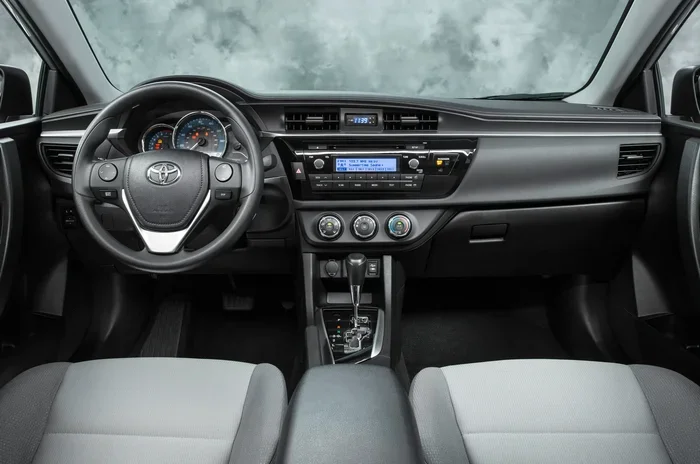
How to Reset Tire Pressure Light on 2015 Toyota Corolla
Resetting the tire pressure light on a 2015 Toyota Corolla is a straightforward process you can do at home in just a few minutes. Whether the light stays on after you fix a flat or it flashes without reason, this guide walks you through every method. We also cover common causes, prevention tips, and when to seek professional help for your Toyota Corolla tire pressure light issue.
That little yellow horseshoe-shaped warning light on your dashboard can really get under your skin. You are driving your 2015 Toyota Corolla, everything seems fine, and then — there it is. The tire pressure warning light is glowing on your dash. It is one of the most common dashboard alerts Toyota owners face, and it can mean several different things.
Maybe you recently fixed a slow leak. Perhaps the weather just shifted and the temperature dropped overnight. Or maybe there is no obvious reason at all. Whatever the cause, the good news is that resetting the tire pressure light on a 2015 Toyota Corolla is something you can handle yourself without visiting a mechanic. This guide will show you exactly how to do it, why the light comes on in the first place, and how to keep it from coming back.
We will walk through every method step by step. You will learn about the TPMS system, the tools you need, and what to do if the light refuses to go away. By the end, you will feel confident tackling this common Toyota maintenance task on your own.
Key Takeaways
- Easy DIY Reset: You can reset the tire pressure light on a 2015 Toyota Corolla using the steering wheel controls or the OBD-II scanner method.
- Check First: Always verify your actual tire pressure with a gauge before attempting any reset to avoid driving on underinflated tires.
- Common Triggers: Temperature changes, small punctures, and sensor battery death are the top reasons the light comes on.
- Prevention Matters: Regular tire maintenance keeps the TPMS light from returning and improves fuel economy.
- Know When to Get Help: If the light persists after a reset, it may signal a faulty sensor or deeper issue that needs professional attention.
📑 Table of Contents
- Understanding the Tire Pressure Light on Your 2015 Toyota Corolla
- What Triggers the Tire Pressure Warning Light
- How to Reset the Tire Pressure Light on a 2015 Toyota Corolla
- Common Problems After Resetting the Tire Pressure Light
- Preventing the Tire Pressure Light from Coming Back
- When to See a Professional About Your Tire Pressure Light
- Conclusion
Understanding the Tire Pressure Light on Your 2015 Toyota Corolla
The tire pressure monitoring system, or TPMS, is a safety feature built into your Corolla. It tracks the air pressure inside each tire and alerts you when something is off. On the 2015 model, the system uses sensors inside each wheel to send real-time data to the car’s computer.
The warning light looks like a horseshoe with an exclamation point in the middle. When it stays solid, it usually means one or more tires are underinflated. When it flashes, the problem is often with the TPMS system itself rather than the tires. Both situations are worth addressing, but they require different approaches.
Your 2015 Toyota Corolla uses a direct TPMS system. This means each wheel has its own sensor that measures pressure independently. These sensors sit inside the tire, mounted to the valve stem. They communicate wirelessly with the car’s computer. The system is designed to help you maintain safe tire pressure, which improves handling, fuel economy, and tire life.
What Does the Tire Pressure Light Mean?
A solid yellow light means at least one tire is below the recommended pressure. The recommended pressure for a 2015 Corolla is typically 32 PSI, but you should check the sticker on the driver’s side door jamb for the exact number. A flashing light usually points to a TPMS sensor malfunction. This could mean a dead sensor battery, a faulty sensor, or a communication problem between the sensor and the car’s computer.
Sometimes the light comes on and then goes away on its own. This often happens with temperature changes. Cold air causes tire pressure to drop, which can trigger the light in winter mornings. Once the tires warm up from driving, the pressure increases and the light may turn off. But even if it goes away, it is still worth checking your tire pressure to make sure everything is safe.
What Triggers the Tire Pressure Warning Light
Several things can cause the TPMS light to activate on a 2015 Corolla. Understanding these triggers helps you prevent future issues and know when a reset is appropriate.
Temperature drops are the most common culprit. When the weather gets colder, the air inside your tires contracts. A 10-degree drop in temperature can reduce tire pressure by about 1 PSI. If the pressure falls below the threshold set by Toyota’s system, the warning light turns on. This is especially common in fall and winter months.
Slow leaks are another frequent cause. A tiny nail puncture or a worn valve stem can let air out gradually. You might not notice the flat tire because the leak is so slow. But the TPMS sensor detects the change and triggers the light. If you have recently driven over a nail or sharp object, this is likely the reason.
Sensor battery failure is a less obvious trigger. Each TPMS sensor has a small battery that typically lasts 5 to 10 years. When the battery dies, the sensor cannot send data to the car’s computer. The system then flags this as a malfunction and illuminates the warning light. On a 2015 Corolla, if the car is original, the sensor batteries may be reaching the end of their lifespan.
After a tire change or rotation, the system sometimes needs to be recalibrated. If you recently put on new tires or rotated your existing ones, the TPMS sensors may need to be reset. This is a normal part of tire maintenance and is nothing to worry about.
A faulty TPMS module is the least common but most serious trigger. The control module that processes sensor data can fail due to electrical issues, corrosion, or wiring problems. This requires professional diagnosis and repair.
How to Reset the Tire Pressure Light on a 2015 Toyota Corolla
Now for the part you have been waiting for. Resetting the tire pressure light on a 2015 Toyota Corolla is simple and takes just a few minutes. There are two main methods you can use. Both work well, and you can choose whichever feels more comfortable.
Method 1: Using the Steering Wheel Controls
This is the most common method and does not require any special tools. Here is exactly what to do:
- Start the engine and let the car idle for a few minutes.
- Locate the steering wheel controls on the left side of the wheel.
- Find the menu button, which looks like a small gear icon.
- Press the menu button to open the vehicle settings.
- Use the up and down arrow buttons to scroll to “Vehicle Settings.”
- Press the OK button to select it.
- Scroll down to “TPMS” or “Tire Pressure Monitor.”
- Select “Reset” or “Initialize TPMS.”
- Confirm the reset when prompted.
- Drive the car for about 10 to 20 minutes at speeds above 25 mph.
After you complete these steps, the system will recalibrate. The tire pressure light should turn off within a few minutes of driving. If it does not, try driving for a longer period or repeat the process. The system needs to see consistent pressure readings before it clears the warning.
Method 2: Using the OBD-II Scanner
If the steering wheel method does not work, an OBD-II scanner is your next best option. This tool plugs into the diagnostic port under your dashboard and communicates directly with the car’s computer.
Here is how to use it:
- Locate the OBD-II port under the driver’s side dashboard. It is usually near the steering column.
- Plug the OBD-II scanner into the port.
- Turn the ignition to the “ON” position (do not start the engine).
- Follow the scanner’s on-screen instructions to read the TPMS codes.
- If there are no fault codes, select the option to clear or reset the TPMS light.
- Disconnect the scanner and start the engine.
- Drive for 10 to 15 minutes to allow the system to relearn the tire pressures.
An OBD-II scanner is a handy tool to keep in your garage. It can help with many Toyota diagnostic tasks beyond just the tire pressure light. You can find affordable scanners at most auto parts stores for under $30.
Method 3: The Manual Reset Button
Some 2015 Corolla models have a dedicated TPMS reset button. It is usually located beneath the steering column or on the left side of the dashboard. To use it:
- Turn the ignition to the “ON” position without starting the engine.
- Press and hold the TPMS reset button until the warning light on the dashboard blinks three times.
- Start the engine and drive for 20 minutes.
- The system should recalibrate and the light should turn off.
Check your owner’s manual to confirm the exact location of the reset button on your specific trim level. The button location can vary slightly between different Corolla configurations.
Common Problems After Resetting the Tire Pressure Light
Sometimes the reset works perfectly, and the light stays off. Other times, you might run into issues. Here are the most common problems and what to do about them.
The Light Comes Back Immediately
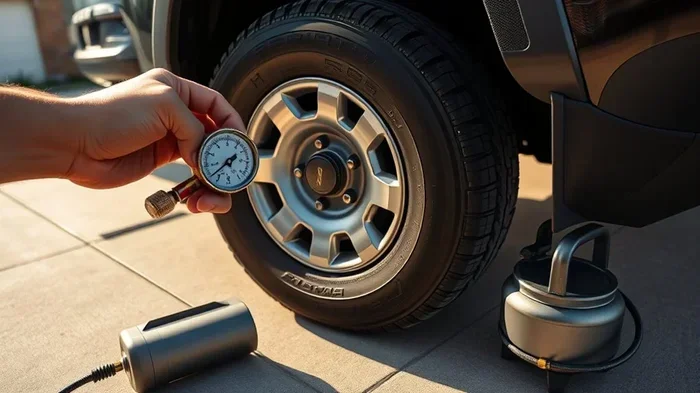
If the light returns right after you reset it, the most likely cause is an actual tire pressure problem. One or more tires may still be underinflated. Get out and check each tire with a tire pressure gauge. You can find gauges at any gas station or auto parts store for just a few dollars. Inflate any tires that are below the recommended PSI, then try resetting again.
Another reason the light might come back immediately is a faulty sensor. If one of the TPMS sensors has a dead battery or is damaged, it cannot send accurate readings. The system will keep flagging the issue no matter how many times you reset it. In this case, the sensor needs to be replaced.
The Light Flashes Instead of Staying Solid
A flashing TPMS light usually indicates a problem with the system itself, not the tire pressure. This could mean a sensor is not communicating properly, or there is an issue with the TPMS module. A flashing light should not be ignored. It is a good idea to visit a mechanic or Toyota dealership for a proper diagnosis.
The Reset Option Is Grayed Out
If you cannot find the reset option in the vehicle settings menu, it might be grayed out. This usually happens when the system detects an actual pressure problem. You need to fix the tire pressure first before the reset option becomes available. Check all four tires and the spare tire, then try again.
Preventing the Tire Pressure Light from Coming Back
Once you have successfully reset the light, you want to keep it off. Regular tire maintenance is the best way to do this. Here are some simple habits that make a big difference.
Check your tire pressure monthly. Get in the habit of checking all four tires once a month. A good digital gauge makes this quick and easy. The recommended pressure for your 2015 Corolla is listed on the sticker inside the driver’s door. Always check pressure when the tires are cold, meaning the car has been sitting for at least three hours or driven less than a mile.
Check your tire pressure before long trips. A quick check before a road trip can save you from a flat tire on the highway. This is especially important during seasonal temperature changes when pressure can fluctuate significantly.
Keep your tires properly inflated. Underinflated tires are the number one cause of the TPMS light coming on. They also reduce fuel economy and wear out faster on the outer edges of the tread. Overinflated tires ride harder and wear out the center of the tread prematurely. Staying in the recommended range keeps your tires performing at their best.
Replace TPMS sensor batteries when needed. If you notice the TPMS light flashing or coming on frequently, the sensor battery might be dying. Most sensors last 5 to 10 years. Replacing the battery or the entire sensor is a relatively inexpensive fix that prevents future warning lights.
Keep your tires clean and free of debris. Dirt and grime can build up around the valve stems and affect sensor performance. A quick wipe-down during your regular car wash routine goes a long way.
When to See a Professional About Your Tire Pressure Light
Most of the time, resetting the tire pressure light is a DIY job. But there are situations where professional help is the right call. If you have tried all three reset methods and the light keeps coming back, it is time to see a mechanic. The same goes if the light is flashing rather than staying solid. A flashing light often indicates a sensor or system malfunction that requires specialized equipment to diagnose.
You should also seek professional help if you notice physical damage to your tires. Bulges, cuts, or visible punctures need immediate attention. Driving on a damaged tire is dangerous and can lead to a blowout. Similarly, if you notice that one tire is consistently losing air faster than the others, there may be a slow leak that needs professional repair.
Toyota dealerships have the latest diagnostic tools and factory-trained technicians who know the 2015 Corolla inside and out. They can read TPMS codes, replace faulty sensors, and make sure everything is working correctly. Many dealerships offer free TPMS checks, so it never hurts to ask. If you are unsure about any step in the reset process, a quick trip to the dealer can save you time and frustration.
Quick Tips for Resetting the Tire Pressure Light
- Always check tire pressure before resetting the light.
- Drive at speeds above 25 mph after resetting to allow the system to recalibrate.
- Keep a tire pressure gauge in your glove box for quick checks.
- Replace TPMS sensor batteries every 5 to 7 years as a preventive measure.
- Reset the system after every tire rotation or tire change.
- Refer to your owner’s manual for model-specific instructions.
Common Mistakes to Avoid
- Do not reset the light without first checking and fixing the tire pressure.
- Do not ignore a flashing TPMS light — it usually signals a sensor issue.
- Do not rely solely on the dashboard light to tell you about tire pressure problems.
- Do not use the wrong PSI when inflating your tires. Always follow the manufacturer’s recommendation.
- Do not attempt to reset the system with the engine off. The car needs to be running for the reset to register properly.
Conclusion
Resetting the tire pressure light on a 2015 Toyota Corolla is a task most owners can handle in just a few minutes. Whether you use the steering wheel controls, an OBD-II scanner, or the manual reset button, the process is straightforward and does not require any special skills. The key is to always check your tire pressure first and make sure the tires are properly inflated before attempting any reset.
Regular tire maintenance is the best way to keep the TPMS light from coming back. Check your pressure monthly, replace sensor batteries when needed, and address any leaks or damage promptly. These simple habits keep your Corolla running safely and efficiently.
If the light keeps returning despite your best efforts, do not hesitate to seek professional help. A qualified mechanic or Toyota dealership can diagnose the root cause and get your TPMS system back in working order. Your safety on the road depends on properly maintained tires, and taking care of the tire pressure light is a big part of that.
Now that you know how to handle the tire pressure warning light on your 2015 Toyota Corolla, you are better equipped to tackle this common issue whenever it comes up. Keep this guide handy, share it with fellow Corolla owners, and drive with confidence knowing you can handle the TPMS light like a pro.
Frequently Asked Questions
Can I drive my 2015 Toyota Corolla with the tire pressure light on?
It is not recommended. The light means at least one tire is underinflated, which can affect handling, fuel economy, and tire wear. Check your tire pressure as soon as possible and inflate to the recommended PSI before driving long distances.
How much does it cost to replace a TPMS sensor on a 2015 Toyota Corolla?
Replacement costs typically range from $50 to $100 per sensor for parts alone. Labor charges at a dealership or shop usually add another $30 to $50 per sensor. Some sensors can be programmed and installed during a routine tire service visit.
How long does a TPMS sensor battery last on a 2015 Corolla?
Most TPMS sensor batteries last between 5 and 10 years. If your car is original and you are getting frequent TPMS warnings, the sensor battery may need replacement. A mechanic can test the battery and replace it if needed.
Why does my tire pressure light come on in cold weather?
Cold temperatures cause the air inside your tires to contract, which lowers the pressure. A significant temperature drop can trigger the TPMS light even if there is no actual leak. Inflating the tires to the recommended PSI usually resolves the issue, and you can then reset the light.
Do I need special tools to reset the tire pressure light on a 2015 Toyota Corolla?
No special tools are needed for the steering wheel reset method. You only need access to the steering wheel controls inside the car. An OBD-II scanner is optional but helpful if the steering wheel method does not work. You can pick up a basic scanner for under $30 at most auto parts stores.
What should I do if the tire pressure light flashes and then stays on?
A flashing light followed by a solid light usually indicates a TPMS system malfunction rather than a tire pressure problem. Check your tire pressure first to rule out underinflation. If the pressure is fine, the issue is likely a faulty sensor or wiring problem that needs professional diagnosis.