How Do I Remove the Default Selection From the Radio Button
Removing the default selection from the radio button is a simple but important skill for anyone managing car care forms, online booking tools, or diagnostic interfaces. Whether you are building a car service website or filling out a vehicle maintenance form, a pre-selected radio button can cause confusion and errors. This guide walks you through every method to clear radio button defaults quickly and correctly. You will learn HTML tricks, form reset techniques, and common mistakes to avoid. By the end, you will feel confident handling any radio button selection issue.
Key Takeaways
- Clear default selections: Removing a pre-checked radio button keeps your car care forms clean and accurate.
- Multiple methods work: You can use HTML attributes, JavaScript, or form reset buttons to deselect radio buttons.
- Common in car care tools: Online booking forms, diagnostic dashboards, and service checklists all use radio buttons.
- Avoid common mistakes: Forgetting to remove the checked attribute is the most frequent error users make.
- Test after changes: Always preview your form after removing default selections to ensure it works correctly.
- User experience matters: A clean form with no pre-selected options gives users a better experience when booking car services.
📑 Table of Contents
- What Is a Radio Button and Why Does It Have a Default Selection?
- Common Scenarios Where You Need to Remove Default Radio Button Selections
- How to Remove the Default Selection From the Radio Button
- Step-by-Step Methods to Clear Radio Button Defaults
- Tips for Managing Radio Buttons in Car Care Forms
- Common Mistakes When Removing Default Radio Button Selections
- Expert Insights on Radio Button Best Practices
- Key Takeaways
- Conclusion
What Is a Radio Button and Why Does It Have a Default Selection?
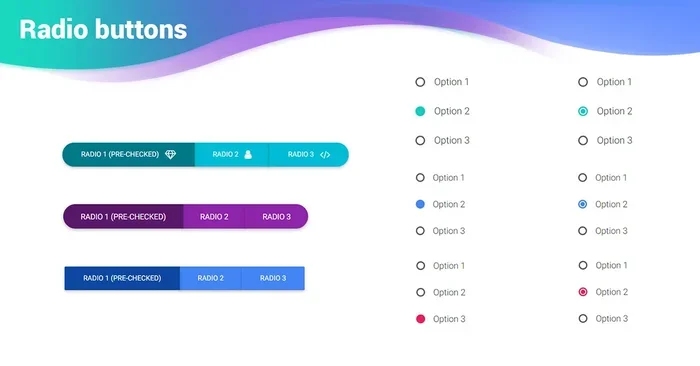
A radio button is a small circular option on a form. When you click one, it fills in a dot. You can only pick one choice from a group. They show up everywhere in car care websites. Think about online booking tools for oil changes or tire rotations. These forms use radio buttons to let you pick a service type. Most of the time, one option is already selected when the page loads.
This pre-selected choice is called the default selection. Developers set it up on purpose. They think it saves time for users. But sometimes it causes problems. What if the wrong option is checked by default? A customer might book the wrong car service without noticing. That leads to frustration and extra work. Understanding how radio buttons work is the first step to fixing this issue.
In car care websites, radio buttons appear in many places. You see them in service checklists. You find them in vehicle type selectors. They even show up in payment method choices. Each one can have a default value. Learning to manage these defaults is a valuable skill. It keeps your forms accurate and user-friendly.
Why Default Selections Exist
Web developers add default selections for a few reasons. First, it speeds up the process for returning users. Second, it gives the form a starting point. Third, some car care platforms use it to guide users toward popular options. For example, an oil change might be the most booked service. So the developer sets it as the default. This is not always a bad thing. But it becomes a problem when the default does not match the user needs.
Common Scenarios Where You Need to Remove Default Radio Button Selections
You might wonder when removing a default radio button selection really matters. The truth is, it comes up more often than you think. Car care websites and apps rely heavily on form inputs. Let us look at the most common situations where this becomes an issue.
Online Car Service Booking Forms
Imagine you run a car detailing service. Your website has a booking form. The form asks customers to pick a package. Premium Detail is set as the default radio button. A customer looking for a basic wash sees Premium Detail already selected. They submit the form without changing it. Now you have a mismatch between the service booked and what the customer wanted. This is a real problem that costs time and money.
Vehicle Diagnostic Tools
Car diagnostic tools often use radio buttons for problem categories. A default selection might point to the most common issue. But if a technician starts with that pre-selected option, they might overlook other possibilities. Removing the default forces the user to make an active choice. This leads to more accurate diagnostics and better service outcomes.
Car Maintenance Checklists
Many car owners use online checklists to track maintenance. These checklists use radio buttons for yes or no questions. A default “Yes” might appear for oil change reminders. But what if the oil was just changed? The user needs to clear that default and select “No.” Otherwise, the checklist shows incorrect information.
Car Insurance and Quote Forms
Insurance quote forms for car policies also use radio buttons. Coverage options often have defaults set by the insurer. A user comparing quotes might not notice the pre-selected option. They end up with a plan that does not fit their needs. Clearing the default selection helps users make informed choices.
How to Remove the Default Selection From the Radio Button
Now let us get into the practical part. There are several ways to remove the default selection from a radio button. The method you choose depends on your setup. Whether you are a developer building a car care site or a user filling out a form, these steps will help.
Method 1: Remove the Checked Attribute in HTML
The most direct way is to edit the HTML code. Every radio button has an input element. Look for the checked attribute. Simply delete it from the code. Here is what the code looks like before and after.
Before:
<input type=”radio” name=”service” value=”oil-change” checked>
After:
<input type=”radio” name=”service” value=”oil-change”>
That is all it takes. Remove the word checked and the radio button will no longer be pre-selected when the page loads. This is the cleanest and most reliable method. It works across all browsers and devices.
Method 2: Use a Form Reset Button
If you cannot edit the HTML directly, a form reset button is a great alternative. This button restores all form fields to their original state. But here is the trick. If the original state has a checked radio button, the reset button will bring it back. So you need to change the default HTML first. Then the reset button will clear all selections properly.
Add this code to your form:
<button type=”reset”>Clear All Selections</button>
This creates a simple button that users can click to deselect everything. It is very useful for car care booking forms where users might want to start over.
Method 3: Use JavaScript to Clear the Selection
JavaScript gives you more control over radio buttons. You can write a simple script to remove the default selection. This is helpful for dynamic car care websites. The script runs when the page loads or when a user takes a specific action.
Here is a simple example:
document.querySelectorAll(‘input[type=”radio”]’).forEach(function(radio) { radio.checked = false; });
This code loops through all radio buttons on the page. It sets each one to unchecked. The result is that no radio button has a default selection. This method is powerful and flexible. You can trigger it on page load or after a form submission.
Method 4: Use CSS to Hide or Disable the Default
Sometimes you do not want to remove the default entirely. You just want to change how it looks. CSS can help with this. You can style radio buttons to appear unselected even when they have the checked attribute. This is more of a visual fix than a functional one. It works in specific design situations where you want a clean look.
However, CSS alone does not remove the actual selected value. The form will still submit the pre-checked option. So use this method carefully. It is best for car care websites where design consistency matters more than form behavior.
Step-by-Step Methods to Clear Radio Button Defaults
Let us walk through the process step by step. Whether you are working with a car service website or a maintenance tracker, these steps apply. Follow them in order for the best results.
- Identify the radio button group. Look at your form and find the radio buttons with pre-selected options. In car care forms, these are often in service type selectors or vehicle category pickers.
- Check the HTML source code. Right-click on the form and select “View Page Source” or “Inspect Element.” Look for the checked attribute on the input elements.
- Remove the checked attribute. Delete the word checked from the radio button input tag. Save your changes.
- Test the form. Reload the page and verify that no radio button is pre-selected. Click through the form to make sure everything works.
- Add a reset option. Consider adding a clear button so users can reset their selections at any time. This improves the overall user experience.
- Monitor form submissions. After making changes, watch your form data. Make sure no default values are being submitted by mistake.
Following these steps ensures that your car care forms are clean and accurate. Users will appreciate a form that does not make assumptions about their choices.
Quick Tips for Removing Default Selections
- Always backup your code before making changes to HTML or JavaScript files.
- Test on multiple devices. Mobile and desktop browsers sometimes render radio buttons differently.
- Use descriptive names for your radio button groups. This makes it easier to find and edit the right inputs.
- Check for dynamic defaults. Some car care platforms set defaults using server-side code. You may need to edit backend files too.
- Clear browser cache after making changes. Old cached versions of your form might still show the default selection.
Tips for Managing Radio Buttons in Car Care Forms
Managing radio buttons in car care forms goes beyond just removing defaults. There are best practices that make your forms better overall. Let us explore some practical tips that will improve your workflow.
Keep Your Form Labels Clear
Every radio button needs a clear label. In car service booking forms, labels like “Oil Change,” “Tire Rotation,” and “Full Detail” are much better than vague options. When users understand each choice, they are less likely to accidentally submit a form with a wrong default selection.
Group Related Options Together
Organize your radio buttons into logical groups. For example, group all exterior car wash options together. Put interior cleaning options in a separate section. This makes the form easier to navigate and reduces the chance of selecting the wrong default.
Use Fieldsets for Better Structure
The HTML fieldset element helps group related radio buttons. It adds a visible border and a legend label. This is especially useful in car diagnostic forms where you have multiple question groups. A well-structured form is easier to manage and less prone to default selection errors.
Validate Before Submission
Add form validation to make sure users make an active choice. If no radio button is selected, show a message asking them to pick an option. This prevents empty or incorrect submissions. In car care booking systems, validation saves you from processing wrong orders.
Update Defaults Regularly
If you run a car care business, your service offerings change. New packages get added. Old ones get removed. Review your form defaults regularly. Make sure the pre-selected options still match your current services. An outdated default can lead to booking errors and customer complaints.
Common Mistakes When Removing Default Radio Button Selections
Even with the best intentions, mistakes happen. Here are the most common errors people make when trying to remove default radio button selections in car care forms.
Forgetting to Remove the Checked Attribute
This is the number one mistake. You edit the form design but forget to remove the checked attribute from the HTML. The radio button still appears pre-selected. Always double-check your code after making changes.
Not Testing After Changes
Some people make the code change and assume it works. They do not test the form. Always reload the page and verify that no default selection remains. Test on different browsers and devices too.
Confusing Visual Hiding with Actual Removal
Using CSS to hide the dot on a checked radio button does not remove the value. The form will still submit the pre-selected option. Make sure you are removing the selection functionally, not just visually.
Ignoring Dynamic or Server-Side Defaults
Some car care platforms generate radio buttons dynamically using PHP, Python, or other backend languages. Editing the front-end HTML alone will not fix the issue. You need to find and change the code that sets the default value on the server side.
Not Providing a Way to Reset
If users accidentally select an option, they need a way to clear their choice. Without a reset button or clear option, they might submit the wrong form data. Always include a way for users to start fresh.
Overlooking Mobile Users
Many car care bookings happen on mobile devices. Radio buttons can behave differently on smaller screens. Test your form on mobile before going live. What looks fine on desktop might not work the same way on a phone.
Expert Insights on Radio Button Best Practices
Experienced web developers who work with car care platforms share a common philosophy. Keep forms simple and honest. Do not pre-select options that might mislead users. A clean form with no defaults builds trust. Customers feel more in control when they make every choice themselves.
UX designers also recommend limiting the number of radio buttons in a group. Too many options overwhelm users. For car service forms, keep your groups to five or fewer options. This makes the form faster to complete and reduces errors. When users see a long list of radio buttons, they might just click the first one, even if it is wrong.
Accessibility experts point out that radio buttons need proper labels and focus states. Screen readers rely on these elements to help visually impaired users navigate forms. Removing defaults without maintaining accessibility can create new problems. Always ensure your form remains usable for everyone.
Key Takeaways
- Remove the checked attribute: The simplest and most effective way to clear a default radio button selection is to delete the checked attribute from the HTML input tag.
- Use multiple methods: HTML edits, JavaScript, form reset buttons, and CSS each have their place depending on your car care form setup.
- Test thoroughly: Always preview your form after making changes. Check on desktop and mobile devices to ensure no default selections remain.
- Avoid common mistakes: Forgetting the checked attribute, confusing visual hiding with actual removal, and ignoring server-side defaults are the top errors to avoid.
- Improve user experience: Clear labels, logical grouping, and reset buttons make car care forms more intuitive and less error-prone.
- Keep forms honest: Pre-selected options can mislead users. Let visitors make active choices for better booking accuracy and customer satisfaction.
Conclusion
Removing the default selection from the radio button is a small change that makes a big difference. Whether you are managing a car care booking website, a diagnostic tool, or a maintenance checklist, clean forms lead to better results. The methods in this guide give you everything you need to clear pre-selected options quickly and correctly.
Start by checking your HTML for the checked attribute. Remove it and test your form. Add a reset button for extra convenience. Use JavaScript if you need more control. And always keep your users in mind. A form that does not assume their choice is a form they will trust.
Take action today. Open your car care form and remove any default radio button selections that do not belong. Your users will notice the difference. Your data will be more accurate. And your business will run more smoothly. Remove the default selection from the radio button and give your users the clean, honest experience they deserve.
Frequently Asked Questions
Can I remove the default selection from a radio button without editing code?
Yes, you can use a form reset button to clear selections after the page loads. However, this does not prevent the default from appearing initially. To truly remove it before the page loads, you need to edit the HTML or backend code. If you are not comfortable with code, ask a developer to remove the checked attribute for you.
Why does my radio button keep showing a default selection after I remove it?
This usually happens because of cached data or server-side code. Clear your browser cache and reload the page. If the problem persists, check if your car care platform uses dynamic code that sets the default on the server. You may need to edit backend files or database settings to fully remove the default.
Is it better to have no default selection or a pre-selected one on car care forms?
It depends on the context. For most car care booking forms, having no default is better. It forces users to make an active choice and reduces errors. However, if one option is overwhelmingly the most popular, pre-selecting it can speed up the process. Just make sure users can easily change it.
What is the difference between removing a default and hiding a radio button?
Removing a default means the radio button is not pre-selected when the page loads. Hiding a radio button means it is not visible at all. You can use CSS to hide a radio button, but it will still submit a value if it was checked. Always remove the default functionally rather than just hiding it visually.
How do I remove default radio button selections in WordPress car care plugins?
Most WordPress car care plugins allow you to edit form fields through their settings panel. Look for the radio button field and uncheck the “Default Selected” option. If your plugin does not have this setting, you may need to edit the plugin’s template files or use a custom code snippet to remove the checked attribute.
Can removing the default selection improve my car care website’s conversion rate?
Yes, it can. When users see a form with no pre-selected options, they pay closer attention to each choice. This leads to more accurate submissions and fewer cancellations or corrections. A clean, honest form builds trust and can improve your conversion rate over time. Test both versions to see what works best for your audience.