How Do I Force My Toyota Prius to Start the Engine
Forcing your Toyota Prius to start the engine is simpler than most drivers think. Whether your Prius won’t start due to a dead key fob, weak hybrid battery, or a faulty push-button system, there are reliable methods you can try at home. This guide walks you through every step to get your Prius engine started quickly and safely.
Key Takeaways
- Check Your Key Fob First: A dead key fob battery is the most common reason a Prius won’t start.
- Use the Emergency Start Procedure: Every Toyota Prius has a built-in backup method for starting the engine.
- Inspect the Hybrid Battery: A low hybrid battery can prevent the Prius from starting at all.
- Try a Hard Reset: Turning the car off and on again can resolve many starting glitches.
- Know When to Call a Pro: Some starting issues require professional Toyota maintenance or Prius repair.
- Prevent Future Problems: Regular Toyota maintenance keeps your Prius engine running smoothly.
📑 Table of Contents
Why Your Toyota Prius Might Refuse to Start
You slide into your Toyota Prius, press the start button, and nothing happens. It is a frustrating moment every driver dreads. But here is the good news. Most Prius engine start problems have simple solutions. Understanding why your car will not turn over is the first step toward fixing it.
The Prius push button start system is smart, but it is not perfect. Several things can interrupt the Toyota hybrid start process. A dead key fob battery, a drained hybrid battery, or a glitch in the Prius dashboard can all cause a no-start condition. The good news is that you do not need to be a mechanic to handle most of these issues.
Before you panic, take a deep breath. This guide will walk you through every method to force your Prius engine to start. We will cover everything from quick fixes you can do in your driveway to steps that require a little more effort. By the end, you will feel confident tackling any starting problem with your Toyota hybrid vehicle.
How to Force Start Your Toyota Prius
Forcing a Prius engine to start means using alternative methods when the normal push-button start fails. Toyota built these hybrid cars with backup systems for exactly this reason. Let us walk through each method step by step.
Method 1: The Key Fob Backup Start
Every Toyota Prius has a hidden slot for the mechanical key. This feature exists specifically for situations when your Prius smart key fails. Here is how to use it.
- Look for the small release button on the bottom of your key fob. Press it and slide the mechanical key out.
- Find the key slot on the Prius dashboard. It is usually located near the steering column or beneath the steering wheel cover.
- Insert the mechanical key and turn it to the ON position, just like a traditional ignition.
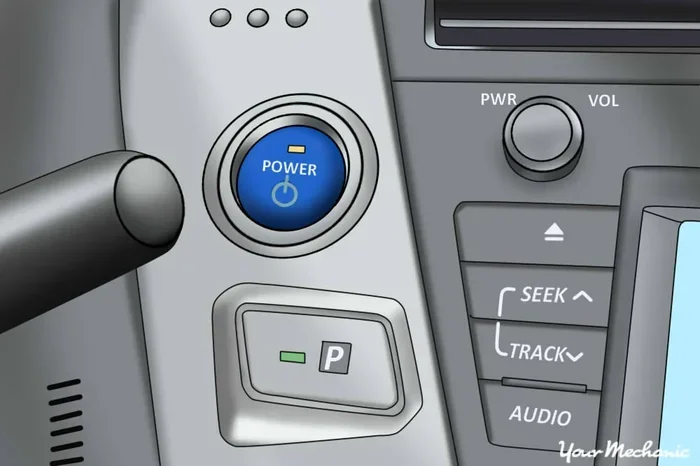
- Press the brake pedal and push the engine start button. Your Prius engine should now turn over.
This method works because the mechanical key bypasses the Prius key fob signal entirely. Even if the fob battery is completely dead, the car recognizes the physical key and allows the Toyota hybrid start sequence to begin.
Method 2: The Hard Reset
Sometimes the Prius dashboard gets confused. A simple hard reset can clear the glitch and restore normal Prius engine start function. This method takes less than two minutes.
- Turn the car completely off by pressing the engine start button while the car is in Park.
- Remove the key fob from the vehicle.
- Wait 30 seconds. This gives the car’s computer time to fully reset.
- Reinsert the key fob and sit in the driver seat.
- Press the brake pedal firmly and press the engine start button again.
Many drivers have resolved their Prius won’t start issues with this simple reset. It is the first thing you should try before moving on to more advanced troubleshooting.
Method 3: Jump-Starting the Hybrid Battery
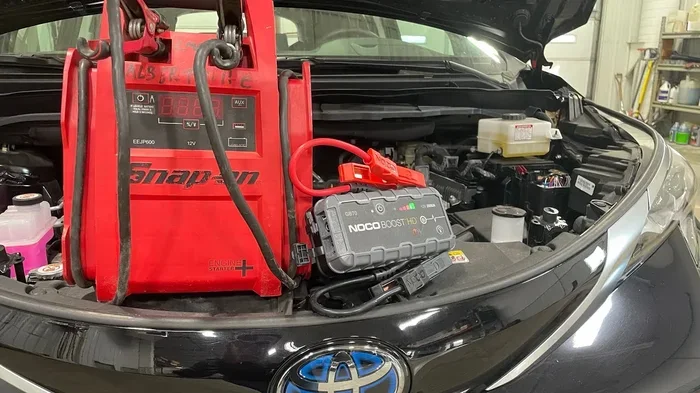
If your Prius dead battery is the culprit, you may need to jump-start the hybrid car starting system. The Prius uses two batteries: a standard 12-volt battery and a Toyota hybrid vehicle battery pack. If the 12-volt battery is dead, the car cannot start.
Here is how to jump-start your Prius safely.
- Open the hood and locate the 12-volt battery. It is usually in the engine bay on the left side.
- Connect jumper cables to a working vehicle or a portable jump starter.
- Attach the red cable to the positive terminal on your Prius battery first.
- Attach the black cable to the negative terminal on the good battery, then to an unpainted metal surface on your Prius.
- Start the working vehicle and let it run for a few minutes.
- Try starting your Prius by pressing the engine start button with the brake pedal pressed.
Once the Prius starts, remove the jumper cables in reverse order. Let the car run for at least 20 minutes to recharge the Prius battery. If the battery keeps dying, you may need a Prius repair or a replacement battery.
Some drivers wonder if they can start their Toyota using a phone app or remote method. While Can I Start My Rav4 With My Phone is a popular question for other Toyota models, the Prius does not support phone-based remote start in most trim levels.
Understanding the Prius Push-Button Start System
The Prius push button start system is designed for convenience. But it relies on several components working together. When one part fails, the entire Prius engine start process can grind to a halt.
Here is how the system works in simple terms. When you press the brake pedal and push the start button, the car checks for a signal from the Prius smart key. If the signal is valid, the Toyota hybrid start sequence begins. The car powers up the hybrid battery, engages the Prius starter motor, and the engine turns over.
If any part of this chain breaks, you get a no-start condition. The most common breakpoints are:
- A dead key fob battery that prevents signal transmission.
- A faulty Prius dashboard antenna that cannot read the key fob.
- A drained 12-volt battery that cannot power the start sequence.
- A malfunctioning Prius starter motor or ignition switch.
Understanding this system helps you troubleshoot more effectively. Instead of guessing, you can test each component one by one. This saves time and money on unnecessary Toyota maintenance visits.
The Role of the Key Fob Antenna
Your Prius has an antenna built into the Prius dashboard and steering column. This antenna reads the signal from your key fob. If the antenna is damaged or corroded, the car cannot detect the key fob even if the battery is fresh.
You can test this by holding the key fob directly against the start button. The car should read the fob through direct contact. If it does, the antenna is likely the problem. This is a common issue in older Toyota hybrid vehicles that have been exposed to moisture or road salt.
Troubleshooting Common Prius Starting Problems
Not all starting problems are the same. Each symptom points to a different cause. Here is a breakdown of the most common Prius troubleshooting scenarios and what to do about them.
The Car Makes No Sound at All
If you press the start button and hear absolutely nothing, the problem is likely the 12-volt battery. This battery powers all the electronics and the Prius starter motor. Without it, the car cannot even attempt to start.
Try these steps first:
- Check if the dashboard lights come on when you turn the key to the ON position.
- Test the 12-volt battery with a multimeter. It should read at least 12.4 volts.
- If the battery reads below 12 volts, jump-start the car or replace the battery.
The Dashboard Lights Up But the Engine Won’t Turn Over
This is a trickier problem. The dashboard lights mean the 12-volt battery has power. But the engine still will not crank. This usually points to a Prius starter motor issue or a problem with the hybrid battery pack.
Try this sequence:
- Turn the car off and wait 60 seconds.
- Turn the car back on without starting the engine.
- Press the brake pedal and try starting again.
- If it still fails, try the mechanical key method described earlier.
If none of these steps work, the Prius starter motor or the hybrid battery control module may need professional inspection. Do not keep trying to start the car, as this can drain the Prius battery further.
The Engine Starts But Dies Immediately
Sometimes the Prius engine turns over but shuts off right away. This usually indicates a fuel delivery problem or an issue with the hybrid system. The car’s computer may be shutting down the engine because it detects a fault.
Check these things:
- Make sure you have enough fuel in the tank.
- Check for any warning lights on the Prius dashboard.
- Look for error codes using an OBD-II scanner if you have one.
- Schedule a Toyota maintenance appointment if the problem persists.
When to Seek Professional Help
Most Prius engine start problems can be solved at home with the methods above. But some issues require the expertise of a trained technician. Knowing when to stop DIY troubleshooting can save you from causing further damage.
You should see a professional if:
- The car still will not start after trying all the methods in this guide.
- You see warning lights on the Prius dashboard that were not there before.
- The hybrid battery warning light is illuminated.
- You hear grinding or clicking sounds when you try to start the engine.
- The car started fine yesterday but completely refuses today with no clear reason.
For Toyota owners, you might wonder whether you need to go to a Toyota dealership for service. The answer depends on your warranty status and comfort level. You can learn more about this in our article on Can I Take My Toyota To Any Dealer For Service. Many independent shops can handle Prius repair just as well as dealerships, especially for starting system issues.
Also, if you are having trouble driving your Prius without the key fob, our guide on Can I Drive My Toyota Without The Key Fob covers this topic in detail. Understanding how your Prius smart key system works can prevent a lot of unnecessary worry.
Preventing Future Prius Starting Problems
The best way to deal with a Prius won’t start situation is to prevent it from happening in the first place. Regular Toyota maintenance and simple habits can keep your Prius engine running reliably for years.
Replace Your Key Fob Battery Annually
The key fob battery is small and inexpensive, but it has a big impact on your daily driving. Replace it every 12 months, even if it seems to be working fine. A fresh battery ensures your Prius smart key always sends a strong signal to the car.
Keep the 12-Volt Battery Healthy
The 12-volt battery is the heart of your Prius engine start system. If you leave lights on or accessories plugged in, the battery can drain. Make it a habit to check the battery terminals for corrosion every few months. Clean any buildup with a wire brush and baking soda solution.
Drive Your Prius Regularly
Hybrid vehicles like the Toyota Prius benefit from regular driving. The hybrid battery stays charged when you drive frequently. If your car sits unused for weeks, the Prius battery can slowly lose its charge. Try to drive your Toyota hybrid vehicle at least once a week for 20 to 30 minutes.
Schedule Routine Toyota Maintenance
Sticking to the recommended Toyota maintenance schedule catches small problems before they become big ones. During routine service, technicians check the Prius starter motor, hybrid battery health, and all starting system components. This proactive approach keeps your Prius engine start system in top shape.
Keep a Portable Jump Starter in Your Trunk
A portable jump starter is a small investment that pays for itself many times over. It weighs less than a gallon of gasoline and can start your Toyota hybrid vehicle in seconds. Keep one in your trunk, especially during cold weather when Prius dead battery issues are more common.
Key Takeaways
- Use the Mechanical Key First: The hidden key slot on your Prius is your best backup for a dead key fob.
- Try a Hard Reset Before Anything Else: A simple 30-second reset clears many starting glitches.
- Jump-Start the 12-Volt Battery if Needed: A dead 12-volt battery is the most common cause of no-start conditions.
- Understand Your Push-Button Start System: Knowing how the system works helps you troubleshoot faster.
- Don’t Ignore Warning Signs: Dashboard lights and unusual sounds mean it is time for professional Prius repair.
- Prevent Problems with Regular Maintenance: Annual key fob battery replacement and routine Toyota maintenance keep your Prius engine running strong.
Frequently Asked Questions
Why won’t my Toyota Prius start even with a new key fob battery?
If replacing the key fob battery did not solve the problem, the issue may be with the Prius dashboard antenna or the 12-volt battery. Try holding the key fob directly against the start button to bypass the antenna. If the car still will not start, the 12-volt battery or Prius starter motor may need inspection.
Can a dead hybrid battery prevent my Prius from starting?
Yes, a severely depleted Prius battery pack can prevent the Prius engine start sequence. However, the 12-volt battery is what actually powers the starting process. If the hybrid battery is low, the car may still start but will run in limited mode until the hybrid system recharges.
How do I know if my Prius starter motor is bad?
Listen for a single loud click when you press the start button. No click at all usually means a dead 12-volt battery. A repeated clicking sound often indicates a failing Prius starter motor. A professional mechanic can test the starter with a multimeter to confirm the diagnosis.
Is it safe to push-start a Toyota Prius?
No, you should not push-start a Toyota hybrid vehicle. The Prius uses a continuously variable transmission that cannot be push-started like a manual transmission car. Always use the mechanical key method or a jump-start instead of attempting to push-start your Prius engine.
How long does a Prius key fob battery last?
A Prius smart key battery typically lasts between 12 and 18 months. Cold weather can shorten this lifespan. If you notice the key fob signal getting weak or if you need to press the start button harder, it is time to replace the battery with a fresh CR2032 cell.
What should I do if my Prius starts but the hybrid warning light is on?
A hybrid warning light after Prius engine start indicates a problem with the hybrid system. Drive to a safe location and turn the car off. Restart it and see if the light clears. If it stays on, avoid driving the car long distances and schedule Toyota maintenance or Prius repair as soon as possible.
=== CONCLUSION ===
Dealing with a Prius engine that will not start can be stressful, but it does not have to be. With the right knowledge and a few simple tools, you can force your Toyota Prius to start in most situations. The mechanical key backup, the hard reset, and the jump-start method cover the vast majority of Prius engine start problems you will encounter.
Remember that regular Toyota maintenance goes a long way toward preventing these issues. Replace your key fob battery annually, keep the 12-volt battery clean and charged, and drive your Toyota hybrid vehicle regularly. These small habits add up to big reliability gains over time.
If you have tried everything in this guide and your Prius won’t start problem persists, do not hesitate to seek professional help. A qualified technician can diagnose deeper issues with the Prius starter motor, hybrid battery, or Prius dashboard systems. The goal is to get you back on the road safely and quickly. Trust your instincts, stay patient, and tackle each starting problem one step at a time.