Does the Toyota Check Engine Light Reset Itself Fast
The Toyota check engine light reset itself in some cases, but not always fast. A loose gas cap or temporary sensor glitch may clear on its own within a few drive cycles. However, serious issues like a faulty oxygen sensor or catalytic converter problem will keep the light on until you fix the root cause. This guide covers exactly when the light resets, how to speed up the process, and what to do if it won’t go away.
You are driving your Toyota down the road, and suddenly that little yellow engine icon lights up on your dashboard. Your heart drops. What does it mean? Will it go away on its own? More importantly, does the Toyota check engine light reset itself fast enough that you can just ignore it and keep driving?
Here is the honest truth: sometimes it does reset itself, and sometimes it does not. The answer depends entirely on what triggered the light in the first place. A loose gas cap might clear within a day or two. But a failing catalytic converter? That is not going anywhere until a mechanic fixes it.
In this guide, we will walk through every scenario you might face. You will learn how the Toyota check engine light reset process works, what causes the light to come on in the first place, and exactly what to do whether the issue is minor or serious. Let us get into it.
Key Takeaways
- The Toyota check engine light can reset itself: Minor issues like a loose gas cap often clear after a few drive cycles.
- It does not reset fast for serious problems: Engine misfires, emission faults, and sensor failures require actual repairs first.
- A Toyota diagnostic scanner helps: Reading the diagnostic trouble code tells you exactly what is causing the light.
- Drive cycles matter: The car needs multiple successful start-stop cycles to clear minor codes on its own.
- You can manually reset the light: Disconnecting the battery or using an OBD-II scanner works, but fixing the problem comes first.
- Ignoring the light is risky: Delaying repairs can lead to bigger damage and costly Toyota maintenance bills.
- The maintenance required light is different: It tracks service intervals and needs a separate reset process.
📑 Table of Contents
- How the Toyota Check Engine Light Works
- Does the Toyota Check Engine Light Reset Itself?
- How Long Does It Take for the Light to Reset?
- How to Manually Reset the Toyota Check Engine Light
- Common Mistakes People Make with the Check Engine Light
- When to See a Mechanic About the Check Engine Light
- Preventing the Check Engine Light from Coming Back
- The Difference Between the Check Engine Light and the Maintenance Required Light
- Final Thoughts
How the Toyota Check Engine Light Works
Before you can understand whether the light resets itself, you need to know what it actually does. The check engine light is part of your Toyota’s onboard diagnostics system, often called OBD-II. This system constantly monitors engine performance, emission controls, and dozens of sensors throughout the vehicle.
When something goes wrong, the system stores a diagnostic trouble code, or DTC. That code is what triggers the yellow engine icon on your dashboard. The light is essentially your Toyota’s way of saying, “Hey, something in the engine or emission system needs attention.”
What Triggers the Check Engine Light
There are hundreds of possible reasons the check engine light might turn on. Some are very minor. Others are serious enough to require immediate attention. Here are the most common Toyota check engine light causes:
- Loose or damaged gas cap: This is the number one most common reason. A loose cap lets fuel vapors escape, which trips the emission system sensor.
- Faulty oxygen sensor: The sensor that measures unburned oxygen in the exhaust can wear out over time.
- Catalytic converter issues: A failing converter means your car is not properly cleaning exhaust gases.
- Engine misfire: When a cylinder is not firing correctly, unburned fuel enters the exhaust system.
- Mass airflow sensor failure: This sensor measures the air entering the engine and helps control fuel injection.
- Spark plug or ignition coil problems: Worn spark plugs can cause rough idling and misfires.
- EVAP system leak: The evaporative emission control system can develop small leaks over time.
The type of problem determines whether the Toyota check engine light reset happens on its own or whether you need to take action. Let us break that down next.
Does the Toyota Check Engine Light Reset Itself?
The short answer is: yes, but only under certain conditions. The Toyota check engine light reset process depends on the severity of the issue and how many drive cycles your car completes afterward.
When the Light Resets on Its Own
Minor issues are the only problems that clear themselves automatically. If you tighten your gas cap and it was just loose, the Toyota check engine light reset often happens within one to three drive cycles. A drive cycle means starting the car cold, driving it for a while, and then turning it off.
Here is what typically happens with minor issues:
- The sensor detects a temporary problem and stores a code.
- The check engine light turns on to alert you.
- Once the problem stops, the system monitors the situation.
- After several successful drive cycles with no recurring issue, the light turns off by itself.
This process can take anywhere from a few days to about a week of normal driving. The Toyota check engine light reset is not instant. Your car needs time to confirm the problem is truly gone before it clears the code and turns off the light.
When the Light Does Not Reset Itself
Now here is the part that matters most. If the problem is serious, the light will not reset itself. Period. You cannot just wait it out. Issues like a failed oxygen sensor, a bad catalytic converter, or an engine misfire will keep that light on until the actual mechanical problem is fixed.
Even if you disconnect the battery temporarily, the light will come right back on once the car completes its self-check and detects the same problem again. This is because the diagnostic trouble code stays stored in the system until the root cause is resolved.
Think of it this way. The check engine light is a warning system, not a suggestion. Your Toyota is telling you something needs attention. Ignoring it will not make the problem go away.
How Long Does It Take for the Light to Reset?
The Toyota check engine light reset timeline varies a lot depending on the situation. Let us look at the different scenarios so you know what to expect.
Minor Issues: 1 to 7 Days
If the cause was something simple like a loose gas cap or a temporary sensor glitch, you can expect the Toyota check engine light reset to happen within a few days of normal driving. Your car needs to complete multiple successful drive cycles. Each cycle includes a cold start, normal operating temperature, and a shut-down period.
Some Toyota owners report the light going off after just 50 to 100 miles of driving. Others say it took closer to a week. The variation depends on driving conditions, temperature, and how the specific Toyota model’s diagnostic system is programmed.
Moderate Issues: After Repair
If the problem was something like a dirty mass airflow sensor or a worn spark plug, the light will go off after the repair is done. However, the Toyota check engine light reset does not happen instantly after the fix. You still need to complete a few drive cycles for the system to confirm everything is working properly.
Using an OBD-II scanner to manually clear the code can speed this up. But even then, the car needs to run through its self-diagnostic checks before it fully resets.
Serious Issues: Never Resets Until Fixed
For major problems like a failing catalytic converter or a significant engine misfire, the light will stay on indefinitely. The Toyota check engine light reset will not happen on its own. You must fix the underlying mechanical issue first.
In these cases, the light might even start flashing, which is a more urgent warning. A flashing check engine light usually means a severe problem that could damage your catalytic converter if you keep driving. Pull over safely and get your Toyota towed to a service center if the light is flashing.
How to Manually Reset the Toyota Check Engine Light
If the light is still on after the problem is fixed, or if you want to clear it yourself, there are a few methods you can try. Keep in mind that resetting the light without fixing the actual problem is only a temporary solution. The light will come right back on.
Method 1: Use an OBD-II Scanner
This is the best and most reliable way to reset the Toyota check engine light. An OBD-II scanner plugs into the diagnostic port under your dashboard. Here is how it works:
- Locate the OBD-II port, usually under the steering column.
- Plug in the scanner and turn the ignition to the “on” position.
- Wait for the scanner to read the diagnostic trouble codes.
- Note the codes so you know what the original problem was.
- Use the scanner to clear the codes.
- Turn the ignition off, wait 30 seconds, and start the car again.
Many auto parts stores will read and clear codes for free. You can also check if Does Autozone Clear Check Engine Lights at your local store. This is a great option if you do not own a scanner yourself.
Method 2: Disconnect the Battery
Disconnecting the negative battery terminal can reset the Toyota check engine light. Here is the process:
- Turn off the engine and all electrical systems.
- Locate the negative battery terminal (marked with a minus sign).
- Use a wrench to loosen the cable and disconnect it.
- Wait at least 15 minutes.
- Reconnect the terminal and tighten it securely.
- Start the car and check if the light is off.
This method works, but it also resets other settings in your Toyota, like the radio presets and clock. Use it as a last resort.
Method 3: Drive Through the Reset Cycle
For minor issues, simply driving the car properly can trigger the Toyota check engine light reset naturally. Follow these steps:
- Start the car and let it idle for a minute.
- Drive at highway speed for at least 20 minutes.
- Let the car cool down completely.
- Repeat this cycle three to five times.
If the issue was minor, the system should clear the code and turn off the light after these cycles.
Common Mistakes People Make with the Check Engine Light
There are several mistakes Toyota owners make when the check engine light comes on. Avoiding these can save you time, money, and a lot of frustration.
Ignoring the Light Completely
This is the biggest mistake. Some people see the yellow light and just keep driving, hoping it goes away. While minor issues sometimes do clear themselves, ignoring the light means you could be driving with a problem that gets worse over time. A small sensor issue can turn into a major engine problem if left unchecked.
Assuming the Light Means the Engine Is About to Fail
The check engine light does not always mean a catastrophic engine failure. In fact, most of the time it is something relatively simple. A loose gas cap, a worn spark plug, or a minor sensor issue are common culprits. Do not panic, but do get it checked.
Clearing the Light Without Fixing the Problem
Using a scanner to clear the code without repairing the issue is a temporary fix at best. The Toyota check engine light reset might look like success, but the light will return within a few drive cycles. Worse, you could be driving with a problem that is harming your engine or emission system.
Not Reading the Diagnostic Codes
Every time the check engine light comes on, a code is stored. If you never read that code, you are flying blind. Even a basic OBD-II scanner costs under $30 and can save you hundreds in diagnostic fees at the shop. Reading the code tells you exactly what the Toyota diagnostic system found.
When to See a Mechanic About the Check Engine Light
Not every check engine light situation requires a trip to the shop, but some definitely do. Here are the signs that you should see a mechanic right away:
- The light is flashing: A flashing check engine light indicates a serious problem, often a misfire that can damage the catalytic converter.
- You notice poor performance: If the car is rough idling, losing power, or not accelerating properly, do not wait.
- The light stays on after multiple drive cycles: If it has been on for more than a week with no change, something needs attention.
- You see other warning lights: If the check engine light comes with the temperature warning or oil pressure light, pull over immediately.
- You smell fuel or exhaust inside the car: This could indicate an exhaust leak, which is a safety hazard.
Regular Toyota maintenance goes a long way toward preventing check engine light issues. Staying on top of oil changes, spark plug replacements, and scheduled services keeps your car running smoothly and helps avoid unexpected warnings.
If you are dealing with a different dashboard light, the process for resetting the maintenance required light is different from the check engine light. You can learn more about that in our guide on How Can I Reset My Maintenance Required Light. And for general Toyota dashboard issues, understanding what each warning means helps you respond appropriately.
Preventing the Check Engine Light from Coming Back
Once you have dealt with the check engine light, you probably want to make sure it does not come back. Here are some practical tips to keep your Toyota healthy:
- Check your gas cap regularly: Make sure it clicks tightly when you close it. Replace it if the seal looks worn.
- Keep up with oil changes: Fresh oil keeps the engine running cleanly and prevents many issues that trigger the light.
- Use quality fuel: Cheap or contaminated fuel can cause emission problems and trigger the check engine light.
- Address small issues early: A minor sensor problem today can become a major repair next month.
- Use an OBD-II scanner periodically: Even if the light is not on, a quick scan can reveal hidden codes that have not yet triggered the warning.
- Follow the Toyota maintenance schedule: Regular service at the recommended intervals catches problems before they become serious.
Taking care of your Toyota proactively is the best way to avoid unexpected check engine light surprises. A well-maintained Toyota runs better, lasts longer, and costs less to own over time.
The Difference Between the Check Engine Light and the Maintenance Required Light
Many Toyota owners confuse the check engine light with the maintenance required light. These are two completely different warnings, and they work differently.
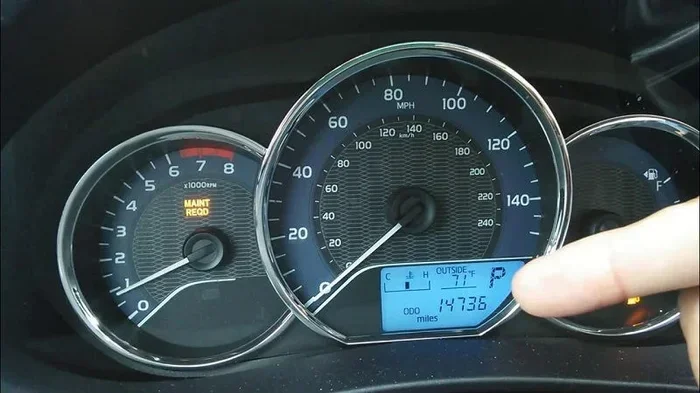
The check engine light is a diagnostic warning. It comes on when the onboard system detects a problem with the engine or emission system. The maintenance required light is a service reminder. It simply tells you that it is time for an oil change or other scheduled maintenance.
The Toyota check engine light reset process is different from resetting the maintenance required light. The maintenance light usually requires a specific button sequence or scanner command to reset. If you are dealing with the maintenance light instead, check out our article on How To Get The Maint Reqd Light Off for step-by-step instructions.
Also, if you are curious about whether your car gives you a warning before an oil change is needed, you can read our article on Does Your Car Say When You Need An Oil Change to learn more about Toyota’s maintenance messaging system.
Final Thoughts
So, does the Toyota check engine light reset itself? Yes, but only for minor issues and only after several drive cycles. For anything more serious, the light will stay on until the problem is actually fixed. The Toyota check engine light reset is not something you should count on for real mechanical problems.
The best approach is simple. When the light comes on, do not panic. Do not ignore it either. Read the diagnostic code, understand what is causing it, and address the issue. Whether it is a loose gas cap or a failing sensor, taking action quickly keeps your Toyota running well and prevents small problems from becoming expensive repairs.
Your Toyota is a well-engineered machine. It will tell you when something is wrong. The key is listening to what it is saying and responding appropriately. A little attention goes a long way toward keeping your car reliable for years to come.
Frequently Asked Questions
Can the Toyota check engine light reset itself overnight?
It is possible for minor issues like a loose gas cap to clear after one or two overnight drive cycles. However, the Toyota check engine light reset is not guaranteed to happen overnight. The system needs multiple successful cycles to confirm the problem is resolved before it clears the code and turns off the light.
Will disconnecting the battery reset the check engine light permanently?
Disconnecting the battery may turn off the light temporarily, but it will come back if the underlying problem is not fixed. The diagnostic trouble code remains stored in the system, and the Toyota check engine light reset through battery disconnect is only a short-term solution.
How much does it cost to fix a check engine light on a Toyota?
The cost varies widely depending on the cause. A loose gas cap fix costs nothing. Replacing an oxygen sensor might run $100 to $300. A catalytic converter repair can cost $1,000 or more. Getting the code read first is the best way to know what you are dealing with.
Is it safe to drive with the check engine light on?
If the light is solid and the car is running normally, it is usually safe to drive to a shop. However, if the light is flashing or you notice poor performance, you should stop driving and get the Toyota towed to a service center. A flashing light often indicates a serious issue that can cause further damage.
Can I use an OBD-II scanner on any Toyota model?
Yes. All Toyotas sold in the United States since 1996 use the standard OBD-II diagnostic system. Any OBD-II scanner will work on any Toyota model. You can plug it into the port under the dashboard to read and clear diagnostic trouble codes.
What is the difference between a solid and flashing check engine light?
A solid check engine light means there is a problem that needs attention, but it is not usually an emergency. A flashing check engine light means the issue is severe, often a misfire that can damage the catalytic converter. A flashing light requires immediate attention and you should avoid driving the car if possible.