Does Sequoia Hold Its Value Or Will It Lose Its Value
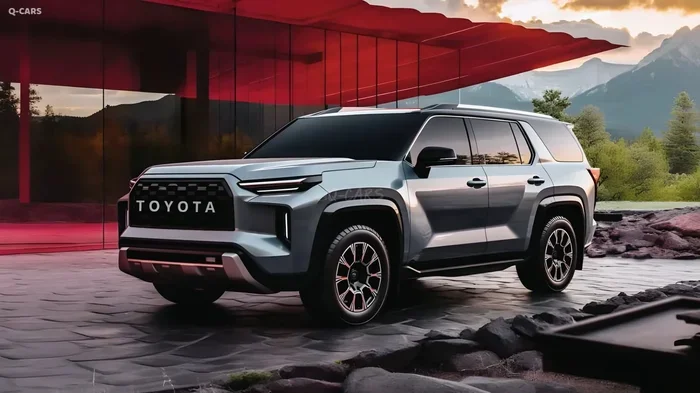
The Toyota Sequoia has a strong reputation for holding its value. This full-size SUV consistently ranks above average in resale value thanks to Toyota reliability and brand loyalty. However, depreciation is inevitable, and several factors can speed up or slow down value loss.
The Toyota Sequoia has been a staple in the full-size SUV world for over two decades. Whether you use it for family road trips, towing, or daily commuting, one question always comes up: does Sequoia hold its value?
This is a smart question to ask before buying any vehicle. Nobody wants to drive off the lot and watch their investment shrink overnight. In this article, we will break down the numbers, explore what affects Sequoia depreciation, and give you practical tips to keep your truck worth as much as possible.
If you have ever wondered whether the Sequoia is a smart financial choice, you are in the right place. Let us dive into everything you need to know about Toyota Sequoia resale value.
Key Takeaways
- Toyota Sequoia holds value well: It depreciates slower than most full-size SUVs on the market.
- Depreciation averages 15-25% per year: New vehicles lose the most value in the first few years.
- Trim level matters a lot: Higher trims like Platinum and Limited retain value better than base models.
- Maintenance keeps value high: Regular oil changes, tire care, and interior upkeep protect resale price.
- Used market demand is strong: Buyers actively seek out pre-owned Sequoias for reliability and towing.
- Compare before buying: Always check how the Sequoia stacks up against competitors like the Tahoe and Expedition.
📑 Table of Contents
Why The Toyota Sequoia Is A Popular Choice
The Sequoia has been around since 2000, and it has built a loyal fan base over the years. Toyota built this vehicle with durability in mind. It is a full-size SUV that can tow heavy loads, seat up to eight people, and handle tough terrain with ease.
One reason the Sequoia remains popular is Toyota reliability. Toyota has earned a reputation for building vehicles that last. When people think of long-lasting trucks and SUVs, Toyota is near the top of the list. This reputation directly impacts how well the Sequoia holds its value on the used market.
Another factor is the vehicle’s strong resale market. Many buyers look for used Sequoias because they know these trucks are built to endure. If you are curious about whether you can even sleep in one during a camping trip, check out our guide on Can I Sleep In My Car At Sequoia for tips on making your SUV a comfortable overnight spot.
The Sequoia also offers impressive towing capacity and a spacious interior. These features make it attractive to families and outdoor enthusiasts alike. The more desirable a vehicle is, the better it tends to hold its value over time.
Does Sequoia Hold Its Value? The Numbers
Now let us get into the real question: does the Toyota Sequoia hold its value? The short answer is yes, but with some nuance. Like all vehicles, the Sequoia loses value over time. However, it loses value at a slower rate than many competitors.
On average, a new Toyota Sequoia depreciates about 15-20% in the first year. By year three, total depreciation can reach around 40-45%. Compare that to some other full-size SUVs, and the Sequoia holds up very well. Many vehicles in this class lose 50% or more of their value within the same timeframe.
Here is a quick look at estimated depreciation for the Toyota Sequoia:
- Year 1: 15-20% depreciation
- Year 3: 40-45% depreciation
- Year 5: 50-55% depreciation
- Year 10: 65-70% depreciation
These numbers can vary based on trim level, mileage, condition, and market demand. A well-maintained Sequoia Platinum will hold its value much better than a high-mileage base model.
According to Kelley Blue Book and Edmunds data, the Toyota brand consistently ranks among the top brands for vehicle value retention. This is a huge advantage for Sequoia owners who plan to sell or trade in their vehicle down the road.
How Does Depreciation Work?
Depreciation is the gradual loss of a vehicle’s value over time. Every new car loses value the moment you drive it off the lot. This is called the “new car drop,” and it can be as much as 10-15% in the first few months alone.
After that initial drop, depreciation slows down but continues steadily. The biggest factors that influence how fast a vehicle depreciates include:
- Brand reputation: Toyota’s strong reliability reputation slows depreciation.
- Vehicle condition: Well-maintained vehicles lose value more slowly.
- Mileage: Lower mileage means higher resale value.
- Market demand: Popular models hold value better.
- Trim level: Higher-end trims tend to retain more value.
Understanding these factors helps you make smarter buying and selling decisions. If you want to minimize value loss, focus on keeping your Sequoia in excellent condition and tracking your mileage carefully.
Factors That Affect Sequoia Depreciation
Not all Sequoias lose value at the same rate. Several specific factors can speed up or slow down Sequoia depreciation. Let us look at the most important ones.
Trim Level and Features
The trim level you choose matters more than you might think. A base SR5 model will depreciate faster than a Limited or Platinum trim. Why? Because buyers in the used market want the extra features that come with higher trims.
Features like leather seats, upgraded infotainment systems, third-row comfort, and premium audio packages all help a Sequoia retain its value. When you are shopping for a used Sequoia, you will notice that higher-trim models command significantly better prices.
Maintenance History
Regular maintenance is one of the best ways to protect your Sequoia’s value. Oil changes, tire rotations, brake inspections, and fluid flushes all add up. A full service record gives buyers confidence that the vehicle has been well cared for.
One area many owners overlook is the cabin air filter. A clean cabin air filter improves air quality inside the vehicle and keeps the AC system running efficiently. If you want to learn more about how this affects your car’s comfort, check out our article on Does Replacing The Cabin Air Filter Improve Ac.
Mileage and Usage
Mileage is one of the biggest factors in vehicle depreciation. A Sequoia with 30,000 miles will be worth significantly more than one with 100,000 miles, even if both are the same year and trim.
If you use your Sequoia for towing or heavy-duty work, expect faster depreciation. High-mileage vehicles are still valuable, but they will not fetch the same price as low-mileage examples. That said, the Sequoia’s reputation for durability means even high-mileage models hold value better than many competitors.
Market Demand and Timing
Timing matters when it comes to selling your Sequoia. SUV demand tends to fluctuate based on fuel prices, economic conditions, and seasonal trends. In general, full-size SUVs see higher demand during fall and winter months when families prepare for holiday travel and outdoor adventures.
The current SUV market has remained strong even as fuel prices rise. Toyota’s brand loyalty means there is always a pool of buyers looking for used Sequoias. This consistent demand helps the Sequoia hold its value better than less popular models.
Sequoia Vs Other Full-Size SUVs
To really understand how well the Sequoia holds its value, it helps to compare it against competitors. Here is a look at how the Sequoia stacks up against other popular full-size SUVs.
| Vehicle | 5-Year Depreciation | Brand Reliability Rating | Used Market Demand |
|---|---|---|---|
| Toyota Sequoia | 40-45% | Excellent | High |
| Chevrolet Tahoe | 45-50% | Good | Moderate |
| Ford Expedition | 48-53% | Good | Moderate |
| Nissan Armada | 50-55% | Average | Lower |
| GMC Yukon | 45-50% | Good | Moderate |
As you can see, the Toyota Sequoia holds its value better than most competitors in the full-size SUV class. The Chevrolet Tahoe and GMC Yukon are close contenders, but Toyota’s reputation for reliability gives the Sequoia an edge.
The Nissan Armada tends to depreciate the fastest in this group, partly due to lower brand loyalty and less proven long-term reliability. The Ford Expedition is solid but does not match Toyota’s track record for value retention.
One thing to note is that the Sequoia shares its platform with the Toyota Tundra pickup truck. Both vehicles benefit from Toyota’s strong brand reputation and loyal customer base. If you are curious about what other Toyota models are worth, check out our guide on How Much Horsepower Does The Crown Signia Have for insights on another Toyota model’s performance specs.
How To Maximize Your Sequoia’s Value
Want to get the most money back when it is time to sell or trade in your Sequoia? Here are some practical steps you can take to protect your investment.
1. Keep Up With Regular Maintenance
This is the single most important thing you can do. Follow Toyota’s recommended maintenance schedule and keep detailed records. Change your oil every 5,000-7,500 miles, rotate your tires regularly, and replace worn brake pads promptly.
One often-overlooked maintenance item is the cabin air filter. Changing this filter regularly keeps your AC system running efficiently and improves interior air quality. It is a small part that makes a big difference in how comfortable your vehicle feels. You can even purchase replacement filters at Walmart, which sells a wide range of auto parts at affordable prices.
2. Protect The Exterior And Interior
Wash and wax your Sequoia regularly to protect the paint. Use a sunshade on the windshield to prevent interior fading. Keep the interior clean and free of excessive wear.
Buy seat covers if you have children or pets. Repair any scratches or dents promptly. Small details add up and make a big difference when a buyer inspects your vehicle.
3. Avoid Modifications That Limit Buyer Appeal
While aftermarket upgrades can be fun, they can also limit your buyer pool. Custom wheels, aggressive body kits, and lifted suspensions appeal to a niche audience. If you want to maximize resale value, keep your Sequoia as close to stock as possible.
4. Drive Responsibly
Aggressive driving leads to faster wear on tires, brakes, and the engine. It also increases mileage faster. Gentle driving habits help preserve both the vehicle’s mechanical condition and its resale value.
5. Time Your Sale Strategically
Sell your Sequoia when demand is high. Late summer and early fall are typically the best times to sell SUVs. Avoid selling during periods of economic uncertainty when buyers tend to hold off on large purchases.
Quick Tips To Protect Your Sequoia’s Value
- Keep all maintenance records organized and accessible.
- Address mechanical issues promptly before they become bigger problems.
- Maintain proper tire pressure and alignment.
- Store your vehicle in a garage or covered area when possible.
- Limit smoking or eating inside the vehicle to keep the interior fresh.
The Bottom Line On Sequoia Value Retention
So, does Sequoia hold its value? The answer is a clear yes. The Toyota Sequoia is one of the better full-size SUVs for retaining value over time. Its strong reputation for reliability, Toyota’s brand loyalty, and consistent used market demand all work in favor of Sequoia owners.
That does not mean the Sequoia is immune to depreciation. Every vehicle loses value, and the Sequoia is no exception. But compared to competitors like the Tahoe, Expedition, and Armada, the Sequoia depreciates at a slower rate and sells for more money in the used market.
If you are considering buying a new or used Sequoia, you are making a smart choice from a value retention perspective. Just remember to take care of the vehicle, keep up with maintenance, and drive responsibly. These simple steps will go a long way toward protecting your investment.
One last thing to keep in mind: vehicle insurance matters too. If you are wondering whether your policy covers things like engine damage or flood damage, check out our articles on Does Car Insurance Cover A Blown Engine and Does Car Insurance Cover Flood Damage for helpful guidance on protecting your investment beyond just maintenance.
The Toyota Sequoia is more than just a big SUV. It is a reliable, durable, and valuable vehicle that rewards owners who take good care of it. Whether you are buying new or shopping the used market, the Sequoia is a smart choice that will serve you well for years to come.
Frequently Asked Questions
How fast does a Toyota Sequoia depreciate?
A new Toyota Sequoia typically depreciates about 15-20% in the first year and around 40-45% by year three. This rate is slower than most full-size SUVs, thanks to Toyota’s strong reliability reputation and brand loyalty.
Is the Toyota Sequoia a good investment?
Yes, the Sequoia is considered a good investment for those who value reliability and long-term ownership. It holds its value better than many competitors, which means you lose less money when it is time to sell or trade in.
Which Sequoia trim holds the best value?
Higher trims like the Limited and Platinum tend to hold the best value because they come with more desirable features. However, well-maintained base models also hold value reasonably well due to Toyota’s strong brand reputation.
Does mileage affect Sequoia resale value significantly?
Yes, mileage is one of the biggest factors in resale value. A lower-mileage Sequoia will always sell for more than a high-mileage example of the same year and trim. Keeping mileage under 10,000 miles per year helps preserve value.
How does the Sequoia compare to the Chevy Tahoe in value retention?
The Sequoia generally holds its value better than the Chevy Tahoe. Toyota’s reputation for reliability and the Sequoia’s strong used market demand give it an advantage over GM’s full-size SUV in terms of long-term value retention.
Can regular maintenance really make a difference in resale value?
Absolutely. A well-documented maintenance history gives buyers confidence and can justify a higher asking price. Simple things like oil changes, tire care, and interior cleaning add up to make a noticeable difference when selling your Sequoia.
=== CONCLUSION ===
The Toyota Sequoia is a vehicle that rewards its owners with strong value retention and long-term reliability. If you have been asking yourself whether the Sequoia holds its value, the data and trends clearly show that it does.
Does Sequoia hold its value? Yes, and better than most full-size SUVs on the road today. From its first-year depreciation rate to its strong resale market, the Sequoia proves that Toyota’s reputation for building durable vehicles pays off financially.
Take care of your Sequoia, stay on top of maintenance, and drive it wisely. When the time comes to sell or trade in, you will be rewarded with a strong resale price that reflects the care and investment you put into the vehicle.