Does a 2006 Toyota Tacoma Have TPMS and How It Works
A 2006 Toyota Tacoma does not come standard with a factory TPMS because the TREAD Act requiring tire pressure monitoring systems in all new vehicles took effect for the 2007 model year. However, you can absolutely add an aftermarket TPMS to your 2006 Tacoma for improved tire safety and fuel efficiency. This guide covers everything you need to know about TPMS sensors, how they work, and whether upgrading is worth it.
Let’s talk about tire pressure and one of the most important safety features in modern vehicles. If you own a 2006 Toyota Tacoma, you might be wondering whether your truck has a tire pressure monitoring system. The short answer is no — not from the factory. But there is a lot more to this story, and it could save your life on the road.
In this guide, we will walk through everything you need to know about TPMS on a 2006 Tacoma. We will cover what TPMS is, why the 2006 model does not have it, how tire pressure monitoring systems actually work, and what you can do to add this feature to your truck. Whether you use your Tacoma for work, towing, or weekend adventures, keeping your tire pressure in check is one of the simplest ways to stay safe and save money.
If you have ever driven down the highway and noticed your tire pressure light flickering on the dash, you know how alarming that can be. Understanding how TPMS works — and whether your truck has one — is the first step toward better tire maintenance. Let us dive right in.
Key Takeaways
- No Factory TPMS: The 2006 Toyota Tacoma was produced before the TREAD Act mandate, so it lacks a stock tire pressure monitoring system.
- Aftermarket Options Exist: You can install an aftermarket TPMS kit for under $100 to get real-time tire pressure readings.
- TPMS Improves Safety: Monitoring tire pressure helps prevent blowouts, uneven tire wear, and poor fuel economy.
- Two Types of TPMS: Direct TPMS uses sensors inside the valve stems, while indirect TPMS relies on wheel speed sensors.
- Easy Installation: Most aftermarket TPMS kits are DIY-friendly and can be installed in under an hour.
- Warning Lights Matter: Just like your oil change indicator, the TPMS light tells you something needs attention.
📑 Table of Contents
What Is TPMS and Why Does It Matter?
A tire pressure monitoring system is an electronic system designed to alert you when your tire pressure drops below a safe level. Think of it as a guardian for your wheels. When tire pressure gets too low, your tires can overheat, wear out faster, and even blow out at high speeds. That is a scary thought for any Toyota truck owner.
TPMS became a legal requirement in the United States starting with the 2007 model year. This came about because of the TREAD Act, which was passed after a series of deadly tire-related accidents. The law required every new vehicle sold in the U.S. to include a tire pressure warning system. So if your truck was made before 2007, there is a good chance it does not have factory TPMS.
But here is the thing — tire pressure matters whether you have a sensor or not. Underinflated tires reduce your fuel economy, cause uneven tire wear, and make your truck harder to handle. A simple tire pressure gauge can catch problems before they become dangerous. Still, having a TPMS gives you peace of mind that you might otherwise miss.
Direct TPMS vs. Indirect TPMS
There are two main types of tire pressure monitoring systems. Understanding the difference helps you choose the right option for your truck.
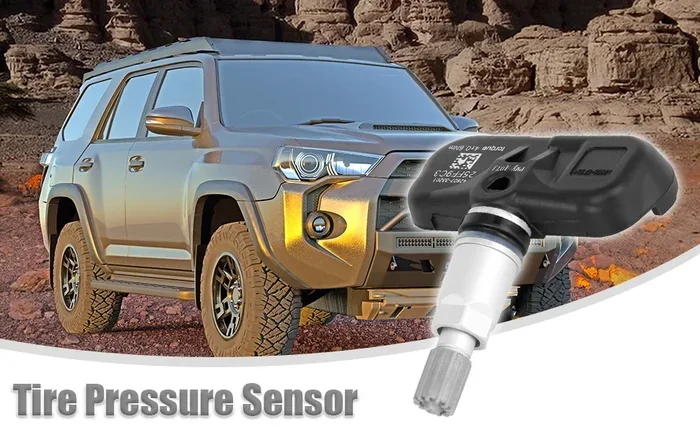
Direct TPMS uses small sensors mounted inside each tire, usually attached to the valve stem. These sensors measure the actual air pressure inside the tire and send a wireless signal to your truck’s computer. When pressure drops below the recommended level, a warning light appears on your dashboard.
Indirect TPMS does not use physical pressure sensors. Instead, it relies on your truck’s anti-lock braking system and wheel speed sensors. When a tire is underinflated, its circumference changes slightly, which affects how fast the wheel rotates. The system detects this difference and triggers the tire pressure warning light.
Most modern vehicles use direct TPMS because it is more accurate. However, indirect TPMS is simpler and does not require batteries in the tires. For a 2006 Tacoma, an aftermarket direct TPMS kit is usually the best choice if you want to add this feature.
Does a 2006 Toyota Tacoma Have TPMS?
The honest answer is no. The 2006 Toyota Tacoma was built and sold before the TREAD Act took full effect. Unlike later model years, the 2006 Tacoma does not include a factory tire pressure monitoring system. There is no TPMS sensor inside the valve stems, and there is no dedicated tire pressure warning light on the dashboard.
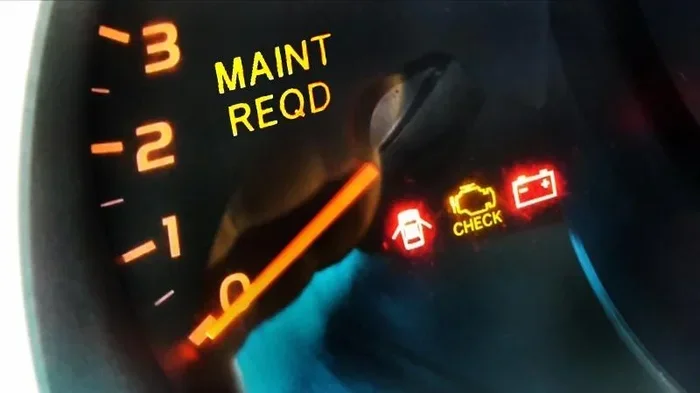
Some people confuse the TPMS light with other warning lights on the dash. For example, your Tacoma has an oil change indicator that tells you when it is time for routine maintenance. But that is a completely different system from tire pressure monitoring. The 2006 Tacoma simply does not have the hardware to monitor tire pressure automatically.
This does not mean your Tacoma is unsafe. Plenty of drivers managed just fine for years without TPMS. But the truth is that a tire pressure monitoring system adds a valuable layer of protection. It catches slow leaks and gradual pressure loss that you might not notice just by looking at your tires.
Why the 2006 Tacoma Lacks TPMS
The TREAD Act was signed into law in 2000, but automakers were given several years to comply. By the time the mandate fully kicked in for the 2007 model year, the 2006 Toyota Tacoma was already in production. Toyota did not retrofit the system into earlier models because it would have been too costly and complex.
Also, the 2006 Tacoma was still a relatively new truck at the time. Toyota designed it with all the features that were standard for its era. The truck came with reliable manual tire pressure checks as the primary method of maintenance. It was not until later Tacomas that OEM TPMS became standard equipment.
How Does TPMS Work?
Understanding how a tire pressure monitoring system works helps you appreciate why it is such a valuable feature. Let us break it down step by step.
In a direct TPMS setup, each wheel has a small sensor attached to the valve stem. This sensor constantly measures the air pressure inside the tire. It sends this data wirelessly to a receiver module in your truck. The receiver compares the readings to a preset threshold — usually around 25% below the recommended pressure.
If any tire drops below that threshold, the system triggers a tire pressure warning light on your dashboard. The light usually looks like a horseshoe shape with an exclamation point in the middle. Some systems also display individual tire pressure readings on the instrument cluster or infotainment screen.
Indirect TPMS works differently. It uses existing wheel speed sensors from the anti-lock braking system. When a tire loses air, its rolling radius shrinks, causing it to spin faster than the other wheels. The system detects this speed difference and illuminates the TPMS warning light. Indirect systems do not tell you which tire is low or exactly how low the pressure is, but they still provide a helpful alert.
What Happens When the TPMS Light Comes On?
When your tire pressure light comes on, do not ignore it. Here is what you should do:
- Step 1: Pull over safely and check all four tires with a tire pressure gauge.
- Step 2: Compare the readings to the recommended pressure listed on the driver’s side door jamb.
- Step 3: Inflate any tires that are below the recommended level.
- Step 4: Drive a few miles and see if the TPMS warning light turns off.
- Step 5: If the light stays on, have your TPMS sensors inspected by a professional.
For owners of vehicles with TPMS, this routine becomes second nature. It is a small habit that makes a big difference in tire safety and overall vehicle performance.
Benefits of Having TPMS on Your Tacoma
Even though your 2006 Tacoma does not come with factory TPMS, adding one brings several real benefits. Let us look at why tire pressure monitoring is worth the investment.
Improved Safety
The biggest benefit of TPMS is safety. Underinflated tires are one of the leading causes of blowouts and accidents. According to the National Highway Traffic Safety Administration, tire pressure issues contribute to thousands of crashes every year. A tire pressure monitoring system gives you an early warning so you can fix the problem before it becomes dangerous.
Better Fuel Economy
Did you know that underinflated tires can reduce your fuel economy by up to 3%? That might not sound like much, but over thousands of miles, it adds up. Keeping your tire pressure at the right level helps your Tacoma get the best possible gas mileage. For a truck that you use for work or towing, those savings matter.
Longer Tire Life
tires wear out faster when they are underinflated. The outer edges of the tread bear more weight, causing uneven tire wear. Over time, this means you need to replace your tires sooner. A TPMS helps you catch pressure loss early, which extends the life of your tires and saves you money.
Easier Maintenance
Without TPMS, you need to remember to check your tire pressure manually every few weeks. That is easy to forget, especially during busy weeks. A tire pressure monitoring system does the checking for you. You get real-time alerts without ever having to grab a gauge.
Peace of Mind
There is something reassuring about knowing your tires are always at the right pressure. Whether you are hauling a load in your Tacoma or driving home after a long day, TPMS gives you one less thing to worry about. It is a small upgrade that makes a big difference in how confident you feel behind the wheel.
How to Add TPMS to a 2006 Toyota Tacoma
The good news is that adding TPMS to your 2006 Tacoma is entirely possible. Aftermarket TPMS kits are widely available and relatively affordable. You can find complete kits for between $50 and $150, depending on the brand and features.
What You Need for an Aftermarket TPMS Installation
Here is a basic list of what you will need:
- Aftermarket TPMS sensor kit (includes four sensors and a display module)
- Valve stems (some kits include these; others require separate purchase)
- Tire pressure gauge for initial calibration
- Basic hand tools (wrenches, screwdrivers, and a tire inflator)
Most aftermarket TPMS kits come with everything you need. The sensors screw onto the valve stems just like a regular valve cap, and the display module mounts on your dashboard or steering column. Installation usually takes about 30 minutes to an hour.
Steps to Install Aftermarket TPMS
- Check your current tire pressure with a manual gauge and set all tires to the recommended level.
- Remove the old valve stems and install the new TPMS valve stems included in your kit.
- Screw the sensors onto each valve stem by hand, then tighten with the provided wrench.
- Mount the display module in a convenient location inside your cab.
- Pair the sensors to the display module following the kit’s instructions.
- Test the system by slightly deflating one tire and confirming the alert triggers.
If you are not comfortable doing this yourself, any tire shop or mechanic can install an aftermarket TPMS kit for a small labor fee. It is a straightforward job that does not require any special equipment.
Popular Aftermarket TPMS Brands for Tacomas
When shopping for an aftermarket TPMS for your 2006 Tacoma, look for reputable brands. Some popular options include TireMinder, EPAuto, and FOBOT. These kits offer real-time pressure readings, temperature monitoring, and easy installation. Choose a kit that is compatible with your tire size and valve type.
Common TPMS Problems and How to Fix Them
Even factory TPMS systems can have issues, and aftermarket TPMS is no different. Here are some common problems you might encounter and how to address them.
Dead Sensor Batteries
TPMS sensors run on small batteries that typically last between 5 and 10 years. When the battery dies, the sensor stops sending readings. Most systems will alert you with a flashing TPMS light on the dash. The fix is simple — replace the sensor or the entire sensor assembly.
Corroded Valve Stems
Over time, valve stems can corrode, especially if you drive in snowy or salty conditions. Corrosion can cause slow air leaks, which trigger the tire pressure warning light. Inspect your valve stems regularly and replace them if you notice any damage or buildup.
Sensor Calibration Issues
After installing an aftermarket TPMS, the sensors need to be calibrated properly. If the readings seem off, refer to the kit’s manual for recalibration steps. Sometimes simply resetting the system solves the problem.
False Alerts
Temperature changes can cause temporary tire pressure drops, which may trigger a false TPMS alert. This is especially common in cold weather. If your tire pressure light comes on and then goes away after driving for a while, the temperature was likely the culprit. Still, it is always a good idea to check your tire pressure whenever the light appears.
Just like you would not ignore your oil change indicator, you should never ignore a persistent TPMS warning. Regular tire maintenance keeps your Tacoma running safely and efficiently.
Should You Add TPMS to Your 2006 Tacoma?
So the big question — should you add a tire pressure monitoring system to your 2006 Tacoma? For most owners, the answer is a clear yes. The cost of an aftermarket TPMS kit is low compared to the benefits you receive. Improved tire safety, better fuel economy, longer tire life, and peace of mind are all worth the small investment.
Think about how much you rely on your Tacoma. Whether you use it for work, towing, or hauling gear, your tires are the only thing between you and the road. A TPMS gives you an extra set of eyes on something that matters every single time you drive.
If you are already comparing features across different Toyota trucks, you might also be curious about how other models stack up. For instance, you could look into how much horsepower does the Crown Signia have if you are considering a newer Toyota crossover. Or if you are curious about maintenance costs, check out how much it costs to put a bumper on a vehicle, since bodywork repairs can add up quickly. And if you have ever wondered about your Tacoma’s towing limits, you might want to explore whether a Tacoma can really tow 6500 lbs to make sure you are staying within safe limits.
Adding TPMS to your 2006 Tacoma is one of those small upgrades that pays dividends. It takes less than an hour to install and costs less than a tank of gas over the life of the sensors. For a truck as capable and durable as the Tacoma, having a tire pressure monitoring system is a no-brainer.
Final Thoughts
The 2006 Toyota Tacoma does not come with a factory TPMS, but that does not mean you are stuck without one. Aftermarket TPMS kits are affordable, easy to install, and incredibly useful. They give you real-time tire pressure readings that help you stay safe, save fuel, and extend the life of your tires.
Tire pressure monitoring is not just a luxury — it is a practical tool that every truck owner should consider. Whether you drive your Tacoma daily or only on weekends, knowing your tire pressure is always in the safe zone gives you confidence on the road. Take the time to check your tire pressure regularly, and strongly consider adding a TPMS to your 2006 Tacoma. Your tires — and your wallet — will thank you.
Stay proactive about tire maintenance, keep an eye on those pressure readings, and enjoy the peace of mind that comes with knowing your Tacoma is safe and road-ready. The road ahead is long, and the right tire pressure monitoring system helps make sure every mile counts.
Frequently Asked Questions
Can I add TPMS to my 2006 Toyota Tacoma?
Yes, absolutely. Aftermarket TPMS kits are widely available and easy to install. Most kits cost between $50 and $150 and can be set up in under an hour with basic tools. You can also have a tire shop install it for a small labor fee.
How much does a TPMS sensor cost for a 2006 Tacoma?
Since the 2006 Tacoma does not have factory TPMS, you would need an aftermarket sensor kit. Complete kits with four sensors and a display module typically range from $50 to $150. Individual OEM TPMS sensors for later Tacoma models cost around $50 to $100 each.
Is TPMS required by law on all vehicles?
The TREAD Act requires all new vehicles sold in the U.S. to have TPMS starting with the 2007 model year. Vehicles made before 2007, including the 2006 Toyota Tacoma, were not required to have it. However, adding aftermarket TPMS is a smart safety upgrade regardless of the law.
How do I know if my Tacoma has TPMS?
Check your dashboard for a tire pressure warning light that looks like a horseshoe with an exclamation point. If your 2006 Tacoma does not have this light, it does not have factory TPMS. You can also check your owner’s manual for any mention of a tire pressure monitoring system.
Can a TPMS light come on because of cold weather?
Yes, cold temperatures can cause tire pressure to drop temporarily, triggering the TPMS warning light. This is normal and usually resolves once the tires warm up from driving. However, you should always check your tire pressure with a gauge whenever the light appears to rule out a real leak.
How often should TPMS sensors be replaced?
TPMS sensor batteries typically last between 5 and 10 years. After that, the sensor needs to be replaced. Even if the battery is still working, it is a good idea to have your TPMS system checked annually as part of regular tire maintenance.