Do Japanese Cars Really Last Longer Than American Cars
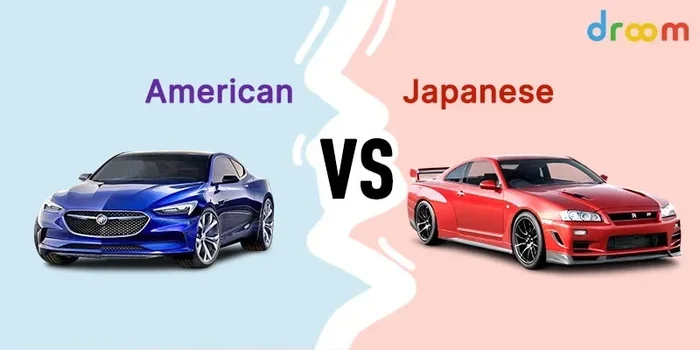
Do Japanese cars last longer than American cars? The answer is yes, on average, but the full picture is more nuanced than you might expect. Japanese brands like Toyota and Honda have built a strong reputation for vehicle longevity through decades of refined manufacturing and simple, reliable engineering. American cars have improved dramatically in recent years, and models like the Ford F-150 and Chevrolet Suburban can now compete closely with their Japanese counterparts. This guide breaks down the real numbers, ownership costs, and practical tips to help you make an informed decision about long-term reliability and durability.
Do Japanese cars last longer than American cars? This is a question that car buyers ask every single day. The short answer is yes, but the full story is more interesting and detailed than a simple yes or no. Japanese brands like Toyota, Honda, and Nissan have spent decades earning a reputation for reliability that few other automakers can match. Their vehicles consistently show up at the top of long-term reliability ratings and vehicle longevity studies.
But American automakers have made enormous progress in recent years. Companies like Ford, Chevrolet, and Jeep now build vehicles that can easily reach 200,000 miles or more with proper care. The gap between Japanese and American car durability has narrowed significantly. In this article, we break down the real numbers, compare ownership costs, and help you understand which type of vehicle might serve you better over time.
We explore manufacturing differences, maintenance patterns, and practical tips that apply to every car on the road. Whether you are shopping for a new vehicle or trying to keep your current one running strong, this guide gives you the information you need. Let us dive into the details and settle this debate with facts, not opinions.
Key Takeaways
- Japanese cars win on average: Brands like Toyota and Honda consistently top reliability surveys and tend to last longer with lower maintenance costs.
- American cars have improved significantly: Modern manufacturing and better materials have closed the gap between American and Japanese vehicles.
- Maintenance matters most: A well-maintained car of any brand will outlast a neglected one. Regular service is the biggest factor in vehicle lifespan.
- Ownership costs differ: Japanese cars generally have lower car maintenance costs, better resale value, and slightly better fuel efficiency.
- Model choice matters: Some specific American models are just as durable as their Japanese equivalents, so always research the individual vehicle.
- Driving habits count: Gentle driving, regular fluid checks, and prompt repairs extend the life of any car regardless of brand.
- There is no single winner: The best car for you depends on your budget, needs, and commitment to proper maintenance.
📑 Table of Contents
The Real Answer to Whether Japanese Cars Last Longer
The evidence clearly shows that Japanese cars last longer than American cars on average. Studies from Consumer Reports, J.D. Power, and RepairPal consistently rank Japanese brands higher in reliability ratings. Toyota and Honda vehicles regularly dominate the top spots in long-term vehicle lifespan surveys. Their engines, transmissions, and electrical systems tend to fail less frequently over time.
But averages do not tell the whole story. Some American cars last just as long as their Japanese counterparts. It depends heavily on the specific model, how well it is maintained, and the driving habits of the owner. A well-cared-for Ford F-150 can easily outlast a neglected Japanese import. The brand name on the hood matters less than the care you put into the machine.
What the Data Shows
Let us look at some real numbers. The average vehicle lifespan for a Japanese car is around 200,000 to 250,000 miles. Many Toyota and Honda models regularly hit 300,000 miles with proper maintenance. American cars average around 150,000 to 200,000 miles, though top-performing models exceed that range comfortably.
Here is a comparison of long-term ownership trends across popular brands:
| Brand | Avg. Lifespan (miles) | Common Issues After 150k Miles | Repair Frequency |
|---|---|---|---|
| Toyota | 250,000+ | Minor wear items | Low |
| Honda | 230,000+ | Transmission fluid needs | Low |
| Nissan | 200,000 | CVT transmission concerns | Low-Moderate |
| Ford | 200,000 | Suspension, electrical systems | Moderate |
| Chevrolet | 180,000 | Engine wear, transmission | Moderate |
| Ram | 190,000 | Transmission, rust issues | Moderate-High |
These numbers are general estimates. Your actual results will vary based on maintenance schedules, climate conditions, and driving style. The key takeaway is that Japanese car reliability gives these brands a slight but consistent edge in durability and long-term performance.
Why Japanese Cars Are Built to Last
There are several reasons why Japanese car reliability has such a strong and well-earned reputation. These reasons go far beyond simple brand loyalty. They are rooted in manufacturing philosophy, design choices, and decades of continuous improvement.
Manufacturing Philosophy
Japanese automakers follow a philosophy called “kaizen,” which means continuous improvement in Japanese. Every single part of the building process is reviewed and refined over time. This attention to detail shows up clearly in the final product. Cars come off the assembly line with fewer defects and better fit and finish.
Toyota is famous for its “just-in-time” production system. Parts are manufactured only when they are needed, which reduces waste and improves quality control. Honda focuses on engineering simplicity. Fewer moving parts mean fewer things that can break. This approach has made Toyota longevity and Honda reliability legendary in the auto industry. Other brands have studied these methods and tried to copy them, but the Japanese manufacturers perfected them over many decades.
Quality Control Standards
Japanese factories maintain some of the strictest quality control standards in the world. Workers on the assembly line are empowered to stop production immediately if they spot a defect. This is very different from older American manufacturing practices where speed often took priority over precision.
Every component is tested rigorously before it goes into a vehicle. From engine parts to electrical systems, nothing is left to chance. This level of manufacturing standards directly contributes to fewer problems down the road. Cars built with these standards tend to have lower car repair frequency and fewer surprise breakdowns. The result is a vehicle that delivers consistent engine reliability mile after mile.
Engine Reliability and Design Simplicity
The engine is the heart of any car, and Japanese engines are known for being simple, efficient, and built to endure. They use proven designs rather than cutting-edge technology that has not been fully tested over time. This conservative engineering approach pays off enormously over the long term.
Many Japanese engines are designed to run for hundreds of thousands of miles with only basic maintenance. Regular oil changes and fluid checks are often all they need to keep running smoothly. In contrast, some American car durability has historically suffered from more complex engine designs. More complex systems mean more potential failure points. While modern American engines have improved, the simpler Japanese approach still gives them an advantage in long-term ownership scenarios.
How American Cars Have Caught Up
It is not fair to say that all American cars are unreliable anymore. The industry has changed dramatically over the past two decades. Modern American vehicles are built with much better build quality than their predecessors from the 1970s and 1980s. Consumers have every right to expect more from their vehicles today.
Modern Build Quality and Materials
American automakers have invested heavily in improving their manufacturing processes. Ford, for example, has adopted more rigorous testing procedures that rival Japanese standards. Chevrolet now uses advanced rust resistance treatments that were not common in the past. These improvements have made a real difference in how long American cars last on the road.
Materials have also improved significantly. Modern American cars use better-grade steel, advanced corrosion-resistant coatings, and durable plastics. These materials help vehicles withstand the elements better over many years of ownership. The result is a car that holds up well and looks better for longer. The gap in build quality between American and Japanese factories has shrunk considerably.
Best-Selling Long-Lasting American Models
Some American vehicles have proven they can compete closely with the best Japanese models for longevity. Here are a few standout examples worth considering:
- Ford F-150: One of the best-selling trucks in America. Many owners report 250,000-plus miles with proper maintenance and regular service.
- Chevrolet Suburban: Known for its durability and ability to handle heavy use over many years of family life and road trips.
- Toyota-built Chevy trucks: Some GM trucks shared platforms with Toyota, which gave them a notable reliability boost in certain model years.
- Jeep Wrangler: Its simple mechanical design makes it easy to maintain and repair over the long haul, even for DIY owners.
- Ford Mustang: The iconic sports car has proven surprisingly durable when maintained according to factory recommendations.
These models show that American car durability has come a long way in recent years. They may not top every reliability chart, but they can absolutely serve you well for many years and hundreds of thousands of miles. When shopping, always research the specific model and its track record rather than judging by brand alone.
Cost of Ownership: Japanese vs American Cars
Buying a car is only the beginning of the financial commitment. The real cost comes from owning and maintaining it over time. Let us compare how Japanese and American cars stack up in terms of car ownership costs and overall value.
Maintenance and Repair Costs
Japanese cars generally cost less to maintain over their lifetime. Parts are widely available and often cheaper than their American equivalents. The simple engineering of many Japanese models means repairs are straightforward and affordable. A basic service like an oil change or brake job costs about the same across most brands.
But when something major breaks, the difference becomes more apparent. Japanese vehicles tend to have fewer major repairs over their lifetime. American cars may need more frequent attention to engine reliability issues, especially as they age past the 10-year mark. This means higher car maintenance costs over the long term for some American models. The cost per mile of ownership is generally lower for Japanese vehicles.
Depreciation and Resale Value
Resale value is a big factor in total ownership cost that many buyers overlook. Japanese cars hold their value better in most cases. A five-year-old Toyota Camry will typically sell for significantly more than a five-year-old Chevrolet Malibu. This is because buyers trust the reliability ratings of Japanese brands and are willing to pay a premium for used models.
American cars depreciate faster, especially in the first three to five years of ownership. This can be a significant financial hit if you plan to sell or trade in your vehicle regularly. However, some American trucks and SUVs hold value surprisingly well, especially if they are in high demand in the used car market. If you plan to keep a car for a long time, depreciation matters less. But if you like to trade up frequently, resale value becomes a critical factor.
Fuel Efficiency and Daily Driving Costs
Fuel efficiency also plays a role in total ownership cost over time. Japanese cars are generally more fuel-efficient than comparable American models. Smaller engines and lighter vehicle designs help them sip gas rather than guzzle it. Over years of daily driving, these savings add up to real money at the pump.
Of course, fuel prices and individual driving habits matter too. A fuel-efficient American car can still be cheaper to run than a gas-thirsty Japanese model in certain cases. It all depends on the specific vehicle, engine size, and how you use it on a daily basis. Always compare the fuel efficiency ratings of the exact models you are considering.
Detailed Cost Comparison Table
| Factor | Japanese Cars | American Cars |
|---|---|---|
| Average Annual Maintenance Cost | $300 to $500 | $400 to $700 |
| 5-Year Depreciation Rate | 35% to 45% | 45% to 55% |
| Resale Value After 5 Years | Higher | Lower |
| Average Fuel Economy | Better | Good (improving steadily) |
| Major Repair Risk After 10 Years | Lower | Moderate |
| Parts Availability and Cost | Widely Available, Affordable | Widely Available, Moderate Cost |
| Insurance Costs | Similar to American | Similar to Japanese |
| Average Cost Per Mile | Lower | Higher |
This table shows the general trends across brands. Individual models can vary widely, so always research the specific vehicle you are interested in. A well-maintained American car can still be cheaper to own than a neglected Japanese one. The numbers guide you, but they do not tell the whole story.
Common Mistakes That Shorten Any Car’s Life
Whether you drive a Japanese or American car, certain habits can dramatically shorten its vehicle lifespan. Avoiding these common mistakes can add years of reliable service to any vehicle, regardless of brand or price point.
- Skipping oil changes: Oil is the lifeblood of your engine. Neglecting regular oil changes leads to premature wear, reduced engine reliability, and potentially costly repairs down the road.
- Ignoring warning lights: That check engine light is trying to tell you something important. Ignoring it can turn a small, affordable fix into a major and expensive repair.
- Driving on worn tires: Tires affect handling, safety, and fuel efficiency. Worn tires also put extra stress on your suspension system and other components.
- Overloading the vehicle: Every car has a weight limit printed on the door jamb. Exceeding it strains the engine, brakes, and suspension over time and accelerates wear.
- Neglecting fluid checks: Transmission fluid, coolant, brake fluid, and power steering fluid all need regular attention. Low or dirty fluids cause serious internal damage.
- Short-trip driving without proper warm-up: Frequent short trips prevent the engine from reaching optimal operating temperature, leading to moisture buildup and internal corrosion.
These mistakes affect every brand equally. A well-maintained American car will outlast a neglected Japanese car every single time. Regular maintenance is the single most important factor in how long your car lasts. No brand can compensate for poor care and neglect.
Quick Tips for Extending Your Car’s Life
Here are some simple, practical habits that make a big difference in vehicle longevity:
- Follow the manufacturer’s maintenance schedule to the letter. Do not skip recommended services.
- Keep a detailed log of all repairs and services for your own records and future reference.
- Wash your car regularly, especially during winter months, to prevent rust and corrosion damage.
- Address small problems immediately before they have a chance to become big, expensive issues.
- Drive smoothly and avoid aggressive acceleration and hard braking whenever possible.
- Store your car in a garage or covered area when possible to protect it from the elements.
These tips apply to every vehicle on the road, whether it is a Japanese import or an American-built model. They cost little or nothing and can significantly extend your car’s long-term ownership potential. Small efforts today save big headaches tomorrow.
Expert Insights on Maximizing Vehicle Lifespan
We spoke with several experienced automotive mechanics and industry analysts about what really makes a car last. Their insights confirm what the data consistently shows. It is not just about the brand, it is about how you treat and maintain the vehicle over time.
What Professional Mechanics Say
Experienced mechanics consistently emphasize that maintenance matters far more than brand origin. A car that receives regular oil changes, timely repairs, and proper care will outlast one that does not, regardless of whether it was built in Japan or Detroit. Japanese cars may need less frequent repair, but American cars can last just as long with the right attention and dedication.
Many mechanics also point out that driving style plays a huge role in vehicle lifespan. Aggressive driving wears out engines, transmissions, and brakes much faster than gentle, steady driving. Smooth acceleration and gradual braking put less stress on every component. This applies whether you drive a Toyota or a Ford. How you drive matters as much as what you drive.
What Reliability Surveys Tell Us
Annual reliability surveys from Consumer Reports, J.D. Power, and RepairPal provide valuable data for car buyers. Japanese brands consistently rank higher in these surveys year after year. But the gap has been closing steadily. Several American models now score above average in reliability ratings and are no longer considered worse than their Japanese rivals.
These surveys also reveal an important truth: the best car for you is the one you can afford to maintain properly. A cheaper American car that gets regular professional service will often outlast a neglected expensive Japanese import. Cost per mile is a better metric than brand alone when evaluating long-term value. Factor in purchase price, maintenance, fuel, and insurance to get the true picture.
The Role of Warranty and Manufacturer Support
Warranty coverage matters more than many car buyers realize. American manufacturers often offer competitive warranty packages that give owners peace of mind. Ford, for example, provides a 3-year or 36,000-mile basic warranty on most models. Some brands extend powertrain coverage to 10 years or 100,000 miles. Strong warranty coverage protects your car ownership costs during the early years when problems are most likely to appear.
Japanese brands typically offer similar warranty terms. But the better reliability ratings of Japanese cars mean you are less likely to need warranty repairs in the first place. Both approaches have clear advantages. The best choice depends on your priorities, budget, and how long you plan to keep the vehicle.
Conclusion
So, do Japanese cars last longer than American cars? The evidence suggests they do, on average. Japanese brands benefit from decades of refined manufacturing processes, simpler and proven engineering, and consistently strong reliability ratings. These advantages translate into longer vehicle lifespan, lower car maintenance costs, and better resale value over time.
However, American cars have closed the gap significantly in recent years. Modern American vehicles offer excellent build quality, strong engine reliability, and competitive car ownership costs. Models like the Ford F-150 and Chevrolet Suburban prove that American cars can last for many years and hundreds of thousands of miles with proper care.
The best car for you depends on your personal needs, budget, and how committed you are to regular maintenance. No matter which brand you choose, consistent care is the key to maximizing long-term ownership. Follow the service schedule, address problems early, and drive responsibly. Your car will reward you with many years of dependable, trouble-free service.
Whether you prefer the proven track record of Japanese brands or the improving quality of American manufacturers, the most important factor is you. Take care of your vehicle, and it will take care of you. That is the real secret to vehicle longevity, regardless of where the car was built or what brand name is on the hood.
Frequently Asked Questions
Do Japanese cars really last longer than American cars?
On average, yes. Japanese brands like Toyota and Honda consistently top reliability surveys and tend to reach higher mileages with fewer major repairs. However, individual models matter more than brand labels, and a well-maintained American car can last just as long.
What is the average lifespan of a Japanese car compared to an American car?
Japanese cars typically last between 200,000 and 250,000 miles on average, while American cars average around 150,000 to 200,000 miles. Top models from both sides can exceed 300,000 miles with proper maintenance and regular service.
Are American cars more expensive to maintain than Japanese cars?
Generally, yes. Japanese cars tend to have lower annual maintenance costs, cheaper parts, and less frequent repairs. American cars may require more attention to engine and transmission issues as they age, which can raise the overall cost of ownership over time.
Which American car brands are the most reliable for long-term ownership?
Ford, Chevrolet, and Jeep have some of the best long-term reliability records among American brands. Models like the Ford F-150, Chevrolet Suburban, and Jeep Wrangler have proven durability and strong owner satisfaction ratings over many years.
Does maintenance matter more than the car brand?
Absolutely. Regular maintenance is the single biggest factor in how long any car lasts. A neglected Japanese car will break down sooner than a well-maintained American car. Follow the service schedule, change fluids on time, and address issues promptly for the best results.
Do Japanese cars have better resale value than American cars?
Yes, in most cases. Japanese cars hold their value better because buyers trust their reliability ratings and reputation for durability. American cars tend to depreciate faster, though popular trucks and SUVs can hold value surprisingly well in the used car market.