Car Lock Unlock Sound Why Your Vehicle Makes That Noise
The car lock unlock sound is a familiar noise every driver hears, but few people understand why it happens. This sound comes from your vehicle’s central locking system, which uses actuators, relays, and solenoids to secure your doors. Understanding the car lock unlock sound helps you spot early warning signs of a problem. Most sounds are completely normal, but some indicate a need for attention. This guide breaks down every noise, its cause, and what you can do about it.
You hear it every time you walk away from your car. That satisfying click and beep. The car lock unlock sound tells you your vehicle is secure. But have you ever stopped to wonder what exactly makes that noise? Most drivers hear the car lock unlock sound hundreds of times without thinking twice. Yet behind that simple noise lies a fascinating system of electronics, mechanics, and smart design.
Understanding the car lock unlock sound does more than satisfy curiosity. It helps you notice when something goes wrong. A healthy vehicle makes a consistent, predictable noise when you lock or unlock the doors. But when that sound changes, gets louder, or disappears altogether, it is your car trying to tell you something. This guide covers everything you need to know about the car lock unlock sound, from the basic mechanism to advanced troubleshooting tips.
Whether you drive a new sedan or a classic truck, the car lock unlock sound plays an important role in your daily driving experience. It gives you peace of mind. It confirms your vehicle is secured. And in some cases, it even warns you about potential problems. Let us dive into the world of car locking sounds and explore what they really mean.
Key Takeaways
- Normal sounds are expected: The clicking and beeping from your car lock unlock sound is part of a healthy locking system.
- Actuators drive the noise: The door lock actuator is the main component that creates the familiar car lock unlock sound.
- Key fob signals matter: Your remote key fob sends a signal that triggers the central locking module to produce the car lock unlock sound.
- Unusual noises need attention: Grinding, squeaking, or loud banging sounds from the car lock unlock mechanism may signal wear or damage.
- Simple fixes exist: Lubrication, relay replacement, and module resets often solve car lock unlock sound issues quickly.
- Smart key systems add new sounds: Modern vehicles with proximity detection create unique car lock unlock sounds you should know about.
- Prevention saves money: Regular maintenance of your power door lock system keeps the car lock unlock sound consistent and prevents costly repairs.
📑 Table of Contents
- What Causes the Car Lock Unlock Sound?
- How the Central Locking System Works
- Common Car Lock Sounds and What They Mean
- Is It Normal for a Car to Make Locking Sounds?
- How to Fix Unusual Lock Unlock Noises
- Tips for Reducing Unwanted Lock Sounds
- Expert Insights on Car Lock Sounds
- Key Takeaways
- Conclusion
What Causes the Car Lock Unlock Sound?
The car lock unlock sound does not come from just one place. Multiple components work together to create that familiar noise. Each part plays a specific role in locking or unlocking your doors. When all of them work correctly, you get a smooth, quiet click. When one part fails, the sound changes dramatically.
The Role of the Central Locking Module
At the heart of your vehicle sits the central locking module. This small computer receives signals from your key fob or door switch. It then sends commands to each door lock. The car lock unlock sound often starts here. The module triggers a relay, which sends power to the lock actuators. That entire chain of events creates the noise you hear.
Think of the central locking module as the conductor of an orchestra. It coordinates every part. When one instrument is out of tune, the whole performance suffers. The same goes for your car lock unlock sound. If the module malfunctions, the sound may become irregular or stop entirely.
How Actuators Create the Sound
The door lock actuator is the muscle behind the car lock unlock sound. It is a small electric motor attached to each door lock. When you press the lock button on your key fob, the actuator engages. It moves a series of gears and levers inside the door panel. That movement creates the mechanical clicking noise.
Different vehicles use different actuator designs. Some produce a soft, subtle sound. Others create a loud, unmistakable click. The type of actuator affects the volume and tone of your car lock unlock sound. Older vehicles tend to have louder actuators. Newer cars often use quieter, more refined mechanisms.
The Relay Switch Connection
Every time you lock or unlock your car, a relay switch activates. This small electrical component controls the flow of power to the lock actuators. The relay click is often the first sound you hear during the car lock unlock process. It is a quick, sharp noise that signals the system has received your command.
If your relay switch wears out, the car lock unlock sound may become faint or inconsistent. You might hear a single click instead of the usual double click. This is a common sign of relay failure. Replacing a relay switch is inexpensive and straightforward. It is one of the first things to check when the car lock unlock sound changes.
How the Central Locking System Works
Your vehicle’s central locking system is more complex than it appears. It involves wiring, sensors, modules, and mechanical components. All of these work together to produce the car lock unlock sound you rely on every day. Understanding how the system works helps you appreciate the engineering behind it.
Key Fob Communication
Modern vehicles use remote key fobs to control the locking system. When you press the lock button, the fob sends a radio signal to your car. The car lock unlock sound begins once the vehicle’s antenna receives this signal. The antenna feeds the signal to the body control module. That module then activates the locking sequence.
The entire process happens in milliseconds. You press the button, and within a second, you hear the car lock unlock sound. This rapid communication is why modern cars feel so responsive. The keyless entry system adds another layer of convenience. You can lock your car from dozens of feet away and still hear the confirmation sound.
Power Door Lock Mechanism
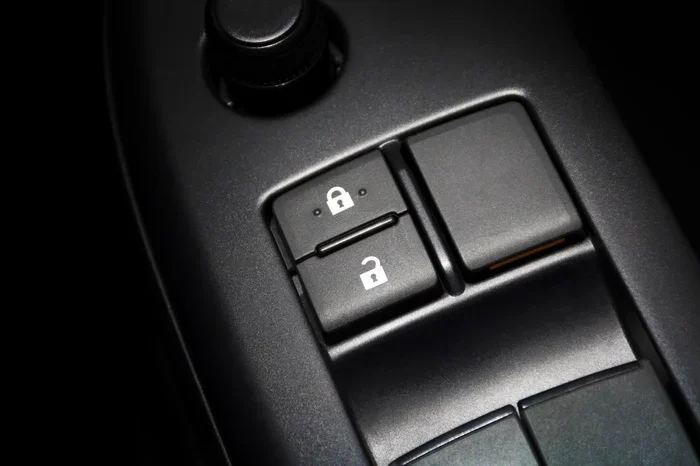
Each door contains a power door lock mechanism. This system includes the actuator, linkage rods, and lock tracks. When the central module sends a command, the actuator moves the linkage. The linkage slides the lock bolt into place. The car lock unlock sound you hear comes from this mechanical movement.
Over time, the linkage can wear down. Dirt and debris build up in the lock tracks. This causes the power door lock mechanism to work harder. The result is a louder or rougher car lock unlock sound. Regular cleaning and lubrication keep this mechanism running smoothly.
Solenoid and Electrical Components
Inside each actuator sits a solenoid. This coil-shaped component creates a magnetic field when electricity flows through it. The magnetic field pushes a plunger that engages the lock. The solenoid click is a key part of the car lock unlock sound. Without it, your vehicle would lock silently.
Solenoids can weaken over time. Age, moisture, and heat all take a toll. A weak solenoid produces a softer car lock unlock sound. In some cases, it may stop making any noise at all. This does not always mean the lock is broken, but it is worth getting checked.
Common Car Lock Sounds and What They Mean
Not all car lock unlock sounds are the same. Different noises indicate different things. Learning to identify these sounds helps you catch problems early. Here are the most common sounds you will hear and what they mean for your vehicle.
The Normal Click
A clean, single click is the hallmark of a healthy locking system. This is the standard car lock unlock sound every driver expects. It comes from the actuator engaging the lock bolt. The sound should be consistent from door to door. If all your doors make the same click, your system is working correctly.
Some vehicles produce a double click. The first click is the relay activating. The second click is the actuator engaging. Both are normal. The number of clicks varies by make and model. Check your owner’s manual to learn what your specific vehicle should sound like.
The Beep and Chirp
Many cars beep or chirp after locking. This sound is separate from the mechanical car lock unlock sound. It comes from the vehicle’s alarm or confirmation system. The beep tells you the lock command was successful. Some vehicles beep once, others beep twice. You can often adjust this setting in your car’s audio or security menu.
If the beeping stops, it could mean the confirmation system has a fault. It might also be a setting you accidentally changed. Either way, the absence of the beep does not mean your car is unlocked. Always check the door handles to confirm.
Grinding or Scraping Noises
Grinding is never a good sign. If your car lock unlock sound includes a grinding noise, something is wrong. The most common cause is a worn actuator gear. The gears inside the actuator chew against each other when they lack lubrication. This creates a harsh scraping sound every time you lock or unlock.
Another cause is debris in the lock track. Small stones, dirt, or rust particles can get trapped. They interfere with the smooth movement of the lock bolt. The result is an uneven, noisy car lock unlock sound. Cleaning the lock track and applying white lithium grease usually fixes this problem.
Loud Banging or Slamming
A loud bang during the car lock unlock sound suggests a mechanical issue. The actuator may be hitting the lock mechanism too hard. This happens when the linkage rods are misaligned or bent. The impact creates a startling noise that is hard to ignore.
Misalignment often occurs after a door repair or replacement. If the door panel was removed recently, the linkage may not have been reinstalled correctly. A mechanic can realign the components and eliminate the banging car lock unlock sound.
Silent or Faint Locking
Silence is not always bad, but it is worth investigating. If your car lock unlock sound disappears suddenly, the actuator may have failed. A dead actuator means the lock mechanism still works, but it no longer makes noise. In some vehicles, the actuator also powers the lock movement. A failed actuator could mean your doors do not lock at all.
Faint sounds are less alarming but still noteworthy. They suggest the actuator is losing power. Worn wiring, corroded connectors, or a weak solenoid can all cause this. Addressing faint car lock unlock sounds early prevents complete actuator failure.
Is It Normal for a Car to Make Locking Sounds?
Yes, it is completely normal for your vehicle to make sounds when locking and unlocking. The car lock unlock sound is by design. Manufacturers include it so drivers know their car has responded to the command. Without any sound, you would have no confirmation that the locks engaged.
The volume and tone of the car lock unlock sound vary by vehicle. Luxury cars often use quieter actuators to create a refined experience. Economy cars may have louder, more noticeable sounds. Both are normal. What matters is consistency. If your car lock unlock sound changes suddenly, pay attention.
Weather also affects the sound. Cold temperatures make plastic and metal components contract. This can make the car lock unlock sound louder in winter. In hot weather, the opposite may happen. The components expand and the sound softens. These seasonal changes are normal and nothing to worry about.
How to Fix Unusual Lock Unlock Noises
Most car lock unlock sound problems are easy to fix. You do not need to be a mechanic. With the right tools and a little patience, you can resolve many issues at home. Here are the most effective fixes for common locking sound problems.
Lubricate the Lock Mechanism
Dry lock mechanisms create the most noise. Dirt and old grease build up inside the lock track over time. Applying a quality lubricant reduces friction and quiets the car lock unlock sound. Use white lithium grease or a silicone-based lock lubricant. Avoid WD-40 for long-term use. It is a cleaner, not a lasting lubricant.
Spray the lubricant into the keyhole and lock track. Work the key back and forth to distribute it evenly. Repeat this process every six months. Regular lubrication keeps the car lock unlock sound smooth and prevents premature wear on the actuator.
Replace the Door Lock Actuator
A failing actuator is the most common cause of abnormal car lock unlock sounds. The actuator contains a small motor and gear set. Over time, the gears strip or the motor burns out. Replacing the actuator restores the normal sound and lock function.
Actuator replacement is a moderate DIY repair. You need a socket set, a screwdriver, and about thirty minutes per door. Remove the door panel, disconnect the old actuator, and install the new one. The cost of a replacement actuator ranges from twenty to eighty dollars depending on your vehicle model.
Check and Replace the Relay
A faulty relay causes irregular car lock unlock sounds. The relay click may become weak or stop altogether. Locate the relay in your fuse box. The owner’s manual shows the exact position. Swap the relay with a similar one from another circuit to test it.
If the car lock unlock sound improves after the swap, the relay is your culprit. Replace it with a new one. Relays cost just a few dollars and take minutes to install. This simple fix often solves mysterious locking noise problems.
Reset the Body Control Module
Sometimes the car lock unlock sound issue is electronic, not mechanical. The body control module controls all electronic functions on your vehicle. A software glitch can cause erratic locking sounds. Resetting the module often fixes this.
To reset the body control module, disconnect the negative battery terminal for fifteen minutes. Reconnect it and let the system reboot. The car lock unlock sound should return to normal. If the problem persists, a professional diagnostic scan may be needed to update the module software.
Tips for Reducing Unwanted Lock Sounds
Some drivers find the car lock unlock sound too loud or annoying. Fortunately, there are ways to reduce or eliminate unwanted noises. These tips help you maintain a quiet, smooth locking experience.
- Use a foam dampener: Place a small piece of foam inside the door panel near the actuator. It absorbs vibration and reduces the car lock unlock sound volume.
- Upgrade to silent actuators: Aftermarket silent actuators produce minimal noise. They cost a bit more but are worth it for a quieter ride.
- Keep the lock track clean: Regular cleaning prevents buildup that causes noisy operation. Use a soft cloth and mild cleaner on all lock components.
- Check door alignment: Misaligned doors put extra stress on the lock mechanism. Proper alignment reduces strain and keeps the car lock unlock sound consistent.
- Avoid forcing the lock: If a key does not turn easily, do not force it. This damages the actuator gears and creates abnormal sounds.
Expert Insights on Car Lock Sounds
Automotive technicians hear about car lock unlock sound issues every day. Here is what the experts want you to know. According to veteran mechanic Tom Riley, most lock sound problems come down to three things. Lubrication, actuator wear, and relay failure. He recommends checking all three before assuming the worst.
Car audio specialist Maria Chen adds that modern vehicles are designed with sound in mind. The car lock unlock sound is engineered to be noticeable but not jarring. Manufacturers test these sounds extensively during development. They want the sound to feel satisfying and reassuring to the driver.
Security expert James Okafor points out that the car lock unlock sound also serves a safety function. The sound confirms the lock has engaged. This is especially important for vehicles with keyless entry. Without the audible confirmation, drivers might leave their car unlocked without realizing it.
All three experts agree on one thing. Paying attention to your car lock unlock sound is a simple way to maintain your vehicle. It takes just a few seconds to listen when you lock your doors. That small habit can save you from costly repairs down the road.
Key Takeaways
- Normal sounds are expected: The clicking and beeping from your car lock unlock sound is part of a healthy locking system.
- Actuators drive the noise: The door lock actuator is the main component that creates the familiar car lock unlock sound.
- Key fob signals matter: Your remote key fob sends a signal that triggers the central locking module to produce the car lock unlock sound.
- Unusual noises need attention: Grinding, squeaking, or loud banging sounds from the car lock unlock mechanism may signal wear or damage.
- Simple fixes exist: Lubrication, relay replacement, and module resets often solve car lock unlock sound issues quickly.
- Smart key systems add new sounds: Modern vehicles with proximity detection create unique car lock unlock sounds you should know about.
- Prevention saves money: Regular maintenance of your power door lock system keeps the car lock unlock sound consistent and prevents costly repairs.
Conclusion
The car lock unlock sound is more than just a noise. It is a vital part of your vehicle’s security system. It confirms your doors are locked and your car is safe. Understanding this sound empowers you as a driver. You can distinguish between normal operation and warning signs of trouble.
Most car lock unlock sounds are perfectly healthy. A steady click, a confirmation beep, and a relay snap all work together to protect your vehicle. When those sounds change, take notice. A grinding noise might mean a worn actuator. A faint sound could indicate a failing solenoid. A complete silence might point to a dead module.
The good news is that most car lock unlock sound issues are easy and affordable to fix. A little lubrication, a relay replacement, or a simple actuator swap can restore normal operation. You do not need expensive tools or extensive mechanical knowledge. With the information in this guide, you can diagnose and address most problems on your own.
Make it a habit to listen to your car lock unlock sound every time you walk away from your vehicle. It takes just a second. That small moment of attention can save you time, money, and stress in the long run. Your car talks to you. The car lock unlock sound is one of the ways it communicates. Learn to listen, and your vehicle will serve you well for years to come.
Frequently Asked Questions
Why does my car make a clicking sound when I lock it?
The clicking sound is the door lock actuator engaging the lock bolt. It is a completely normal part of the car lock unlock sound. Each door has its own actuator, so you may hear multiple clicks in sequence. If the clicking becomes grinding or irregular, it could indicate a worn actuator that needs replacement.
Can a dead battery cause the car lock unlock sound to stop?
Yes, a low or dead battery can prevent the central locking system from working properly. Without enough power, the actuators may not engage, and the car lock unlock sound will be faint or absent. If you notice the sound stops and your locks feel sluggish, check your battery voltage first.
Is it normal for the car lock unlock sound to be louder in cold weather?
Absolutely. Cold temperatures cause metal and plastic components to contract. This tightens the lock mechanism and makes the car lock unlock sound louder. As the vehicle warms up, the sound usually returns to normal. This seasonal change is completely natural and not a cause for concern.
How do I know if my car lock actuator needs replacement?
Signs of a failing actuator include a grinding car lock unlock sound, slow lock operation, or complete silence when locking. You may also notice that only one door responds while others work fine. A mechanic can test the actuator with a multimeter to confirm the diagnosis before replacing it.
Can I make my car lock unlock sound quieter?
Yes, several methods can reduce the car lock unlock sound volume. Adding a foam dampener inside the door panel absorbs vibration. Replacing standard actuators with silent aftermarket actuators is another effective option. You can also check the lock track for debris and apply lubricant to smooth out noisy operation.
What should I do if my car locks but makes no sound at all?
A silent car lock unlock sound could mean the actuator has failed or the relay is not working. Start by checking the fuse box for a blown fuse related to the locking system. If the fuses are fine, the actuator or body control module may need professional diagnosis. Always confirm your doors are actually locked by checking the handles.