Car Glass Sun Protection The Ultimate Guide for Drivers
Car glass sun protection is essential for every driver who wants to stay cool, safe, and comfortable on the road. UV rays and solar heat can damage your car interior, fade your dashboard, and even harm your skin. This guide covers every type of car glass sun protection solution, from tinting to shades and coatings, so you can make the best choice for your vehicle.
Every driver knows the feeling of sliding into a hot car on a summer day. The steering wheel burns your hands. The dashboard smells like it’s melting. And the glare from the sun makes it nearly impossible to see the road ahead. Car glass sun protection solves all of these problems and more.
Whether you drive a sedan, SUV, or truck, the sun can cause serious damage to your vehicle over time. UV rays fade your seats, crack your dashboard, and even raise the interior temperature to dangerous levels. But with the right car glass sun protection strategy, you can keep your car cool, your interior looking new, and your skin safe. In this guide, we will walk you through everything you need to know about protecting your car glass from the sun.
Key Takeaways
- Protects your car interior: car glass sun protection prevents dashboard cracking, leather fading, and upholstery damage caused by UV rays and heat.
- Improves driver safety: Reducing sun glare and heat buildup makes driving more comfortable and less distracting on long trips.
- Multiple options available: From window tinting and sun shades to glass coatings and UV films, there is a solution for every budget and need.
- Easy to install: Many car glass sun protection products are DIY-friendly and can be applied in minutes at home.
- Saves money long-term: By preventing interior damage, you avoid costly repairs and replacements for your dashboard, seats, and electronics.
- Health benefits matter: Blocking harmful UV rays through your windshield and side windows protects your skin from sun damage and reduces the risk of skin issues over time.
📑 Table of Contents
Why Car Glass Sun Protection Matters
Many drivers underestimate the damage that sunlight does to a vehicle. Your car sits outside all day, baking under the sun, and the glass windows act like a greenhouse. Heat gets trapped inside, and UV rays penetrate through the glass, causing gradual but significant wear and tear.
The Hidden Damage of UV Rays
Ultraviolet rays are invisible but powerful. They pass through your car windows and attack everything inside. Your dashboard, made of plastic and vinyl, starts to fade and crack. Your leather seats lose their color and texture. Even your electronic devices and dashboard screens can suffer from prolonged sun exposure.
Here is what UV damage does to your car over time:
- Dashboard cracking: The plastic on your dashboard dries out and develops unsightly cracks.
- Leather seat fading: The color of your seats fades, making your interior look old and worn.
- Upholstery damage: Fabric seats become brittle and start to tear.
- Electronics malfunction: Screens and gauges can dim or fail prematurely.
- Plastic trim discoloration: The trim pieces around your doors and console turn yellow or brown.
Heat Buildup and Driver Comfort
Beyond cosmetic damage, heat buildup inside your car creates real comfort and safety issues. On a hot day, the interior temperature of a car can reach over 150 degrees Fahrenheit. That is hot enough to cause burns from the steering wheel or gear shift. It also makes your air conditioning work harder, which reduces fuel efficiency.
Car glass sun protection helps reduce the amount of solar heat that enters your vehicle. This means a cooler cabin, less strain on your cooling system, and a more pleasant driving experience every single day.
Health Risks from Sun Exposure While Driving
Did you know that drivers who spend long hours on the road are at a higher risk of skin damage on the left side of their body? This is because the driver’s side window lets in UV rays. Over years, this repeated exposure can lead to premature aging and even skin conditions. Car glass sun protection is not just about preserving your car. It is also about protecting your health.
Types of Car Glass Sun Protection Solutions
There are many ways to protect your car glass from the sun. Each option has its own benefits, drawbacks, and price point. Let us explore the most popular solutions available today.
Window Tinting
Car window tint is one of the most popular forms of car glass sun protection. A thin film is applied to the inside of your windows, blocking a significant portion of UV rays and solar heat. Tint comes in various shades and levels of darkness, so you can choose how much light you want to let in.
Benefits of window tinting include:
- Heat rejection: Quality tint can reject up to 70 percent of solar heat.
- UV blocking: Premium tints block 99 percent of harmful UV rays.
- Glare reduction: Tint makes it easier to see the road in bright sunlight.
- Privacy: Tinted windows make it harder for people to see inside your car.
- Interior protection: Your dashboard and seats last longer with less sun exposure.
Keep in mind that window tint laws vary by state and country. Always check local regulations before tinting your windows. Some areas restrict how dark the tint can be, especially on the front windshield and side windows.
Windshield Sun Shades
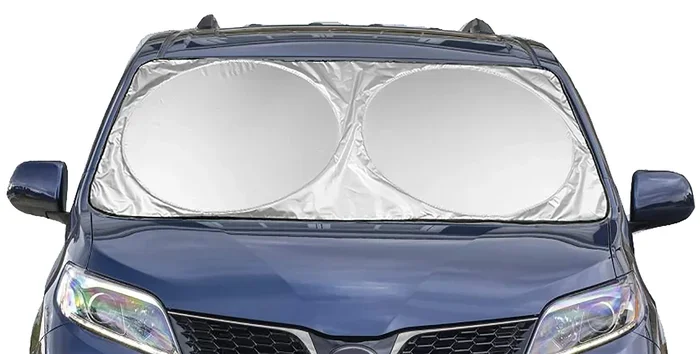
A windshield sun shade is a simple and affordable solution. You fold it out and place it against your windshield when you park. It reflects sunlight away from your car interior, keeping the cabin significantly cooler.
Windshield sun shades work best for:
- Short-term parking: If you run errands or leave your car for a few hours, a shade is very effective.
- Budget-friendly protection: You can find quality shades for under $20.
- Easy storage: Most shades fold compactly and fit in your trunk or back seat.
The downside is that you have to use them every time you park. They are not a permanent solution, but they are an excellent supplemental tool for car glass sun protection.
UV Protection Films and Coatings
UV protection films and glass coatings are thin layers that you apply directly to your car windows. Unlike traditional tint, these products are often clear or nearly invisible. They work by blocking UV radiation and infrared heat while still allowing visible light to pass through.
These products are great for people who want the benefits of car glass sun protection without changing the look of their vehicle. You get heat rejection and UV blocking with no darkening of the glass.
Sun-Protective Window Covers and Shades
Side window covers and rear window shades offer targeted protection for specific areas of your car. These are especially useful for protecting children in the back seat from direct sun exposure. They come in various sizes and styles to fit different vehicle models.
Ceramic Window Coatings
Ceramic coatings represent the premium tier of car glass sun protection. These advanced coatings bond with the glass surface at a molecular level, creating a permanent barrier against heat and UV rays. They are more expensive than standard tint or films, but they offer superior performance and durability.
Ceramic coatings typically last for years and do not bubble, peel, or fade over time. They also repel water and make your windshield easier to clean in rainy conditions.
How to Choose the Right Car Glass Sun Protection
With so many options available, choosing the right car glass sun protection solution can feel overwhelming. Here are the key factors to consider before making your decision.
Consider Your Climate
If you live in a hot, sunny climate, you need maximum heat rejection. Ceramic coatings or dark window tint will give you the best results. If you live in a cooler or cloudier region, a lighter UV film or windshield shade may be sufficient.
Think About Your Parking Situation
Do you park outdoors every day, or do you have access to a garage? If your car sits outside for long hours, you need a more robust protection strategy. Combining a windshield sun shade with window tinting or UV film gives you layered defense against the sun.
Check Local Laws and Regulations
Window tint darkness is regulated in most places. Before you invest in tinting, check your local laws. Some states allow very dark tint on rear windows but restrict front side windows. The front windshield usually has stricter rules, often limiting tint to the top few inches only.
Set a Budget
Car glass sun protection options range from very affordable to premium. Here is a rough breakdown of costs:
- Windshield shades: $10 to $30
- Side window shades: $15 to $50
- DIY UV film kits: $30 to $100
- Professional window tinting: $100 to $400 depending on the vehicle
- Ceramic glass coatings: $200 to $600 for full vehicle application
You do not need to spend a lot to get meaningful protection. Even a basic windshield shade can lower your interior temperature by 20 to 30 degrees Fahrenheit.
Compare Heat Rejection and UV Blocking
Not all car glass sun protection products are created equal. Some block more heat, while others focus on UV protection. Here is a quick comparison of the most common options:
- Standard window tint: Good heat rejection, excellent UV blocking.
- Ceramic tint: Superior heat rejection, 99 percent UV blocking, no signal interference.
- UV clear film: Moderate heat rejection, excellent UV blocking, invisible appearance.
- Windshield shade: Excellent for reducing interior heat, no UV protection for side windows.
- Ceramic coating: Best overall performance, long-lasting, premium price point.
Installing Car Glass Sun Protection: Step-by-Step
Many car glass sun protection products can be installed at home with basic tools and a little patience. Here are some general tips for common installation methods.
Installing a Windshield Sun Shade
Windshield shades are the easiest to install. Simply unfold the shade, hold it against the inside of your windshield, and let the edges rest on the dashboard. Most shades have adjustable arms or suction cups that help them stay in place. When you are ready to drive, fold it up and store it in your trunk or behind a seat.
Applying UV Film or Tint
If you choose a DIY UV film kit, follow these steps for the best results:
- Clean the glass thoroughly: Use a glass cleaner and a lint-free cloth. Any dust or debris will show under the film.
- Cut the film to size: Leave a small margin around the edges. You can trim it after application.
- Spray the glass with soapy water: This lets you position the film before it sticks.
- Apply the film: Peel off the backing and place the film on the wet glass. Use a squeegee to push out bubbles and water from the center outward.
- Trim the edges: Use a sharp blade to clean up any excess film along the borders.
- Let it cure: Avoid rolling down your windows for at least 48 hours to let the adhesive set.
Professional Installation Tips
If you choose professional tinting or ceramic coating, here is what to expect:
- The shop will clean and prep your windows before application.
- Professional tinting usually takes one to two hours for a full vehicle.
- Ceramic coatings are applied in a controlled environment for the best results.
- You will receive aftercare instructions, including how long to wait before cleaning your windows.
Expert Insight
Automotive detailing experts recommend combining a windshield sun shade with professional window tinting for the best overall car glass sun protection. The shade handles short-term heat buildup, while the tint provides continuous, all-day protection. This layered approach gives you the most value for your investment.
Common Mistakes to Avoid with Car Glass Sun Protection
Even with the best intentions, many car owners make mistakes when trying to protect their glass and interior. Avoiding these common errors will help you get the most out of your car glass sun protection efforts.
Buying the Wrong Shade Size
Not all windshield shades are one size fits all. If you buy a shade that is too small, it will not cover the full windshield, leaving gaps where sunlight enters. Measure your windshield carefully before purchasing, or look for shades labeled as compatible with your vehicle model.
Ignoring Side and Rear Windows
Many people focus only on the windshield and forget about the side and rear windows. UV rays enter through all glass surfaces. For complete car glass sun protection, you need to address every window, not just the front.
Choosing the Cheapest Tint
Bargain tint films may seem like a good deal, but they often fade, bubble, and peel within a year. Cheap films also provide poor UV protection. Investing in a quality tint or coating saves you money in the long run by lasting longer and performing better.
Forgetting to Reapply or Replace
Even the best car glass sun protection products wear out over time. UV films can lose their effectiveness after several years. Ceramic coatings may need a refresh. Check your products regularly and replace them when they start to degrade.
Skipping the Rear Windshield
The rear windshield gets just as much sun exposure as the front. Many drivers forget to protect it with a shade or tint. This is especially important if you have cargo or passengers in the back seat.
Expert Tips for Maximum Car Glass Sun Protection
Want to get the most out of your car glass sun protection setup? Follow these expert tips to keep your car cool and your interior in great shape.
Use a Combination Approach
The best protection comes from using multiple methods together. A windshield sun shade paired with window tint and UV film on the side windows creates a comprehensive barrier against heat and UV rays. No single product does everything, so layering your protection is the smartest strategy.
Park in the Shade Whenever Possible
Even the best car glass sun protection works better when combined with smart parking habits. Look for shaded spots in parking lots. Use a garage when available. These simple choices reduce the amount of sun exposure your car receives every day.
Keep Your Windows Clean
Clean glass performs better with tint and coatings. Dirt and grime can reduce the effectiveness of UV films and make your windshield harder to see through. Wash your windows regularly, both inside and out, to maintain optimal performance.
Check Your Tint and Films Regularly
Over time, tint can bubble, peel, or fade. UV films can develop micro-cracks. Inspect your car glass sun protection products every few months. If you notice any deterioration, consider reapplying or replacing the product before it stops working effectively.
Consider Your Vehicle Color
Darker-colored cars absorb more heat than lighter-colored ones. If you drive a black or dark blue vehicle, you will benefit even more from strong car glass sun protection. The exterior color affects how much heat enters through the glass, so factor this into your protection strategy.
Protect Your Children and Pets
If you frequently have children or pets in the car, side window protection is essential. UV rays and heat through the side windows can cause discomfort and even health risks. Car glass sun protection side shades or tint on the rear side windows is a great investment for family drivers.
Conclusion
Car glass sun protection is one of the simplest and most effective ways to preserve your vehicle and improve your driving comfort. From UV damage and heat buildup to dashboard cracking and leather fading, the sun causes real and costly damage to your car every single day. The good news is that you have many options to fight back.
Whether you choose a simple windshield sun shade, professional window tinting, advanced UV films, or premium ceramic coatings, the key is to start protecting your car today. Even small steps make a big difference over time. Combine multiple methods for the best results, and make car glass sun protection a regular part of your vehicle maintenance routine.
Your car interior, your health, and your driving comfort will all thank you. Take action now, and enjoy a cooler, safer, and better-protected ride for years to come.
Frequently Asked Questions
What is the best car glass sun protection for hot climates?
For hot climates, ceramic window tint or ceramic glass coatings offer the best heat rejection and UV blocking. They can reduce interior temperatures significantly and provide long-lasting protection. Pairing these with a windshield sun shade gives you the most comprehensive defense against extreme heat.
Is car window tint legal everywhere?
No, window tint laws vary by state and country. Most places allow some level of tint on rear windows but have stricter rules for the front windshield and driver-side windows. Always check your local regulations before tinting your car to avoid fines or legal issues.
Can I install car glass sun protection myself?
Yes, many products like windshield shades, UV films, and DIY tint kits are designed for easy home installation. However, professional installation is recommended for high-quality window tint and ceramic coatings to ensure a bubble-free, long-lasting result.
How long does car window tint last?
Quality window tint typically lasts between five and ten years, depending on the brand, climate, and installation quality. Ceramic tint tends to last longer than standard dyed tint. Regular maintenance and avoiding harsh cleaning products will help extend the lifespan of your tint.
Does car glass sun protection really make a difference in interior temperature?
Yes, it makes a significant difference. Studies show that proper car glass sun protection can reduce interior temperatures by 20 to 40 degrees Fahrenheit. This not only keeps you more comfortable but also reduces the workload on your air conditioning system, which can improve fuel efficiency.
Are UV protection films visible on car windows?
Most modern UV protection films are clear or nearly invisible. They block harmful UV rays and infrared heat without darkening your windows. This makes them an excellent choice for drivers who want protection without changing the appearance of their vehicle.