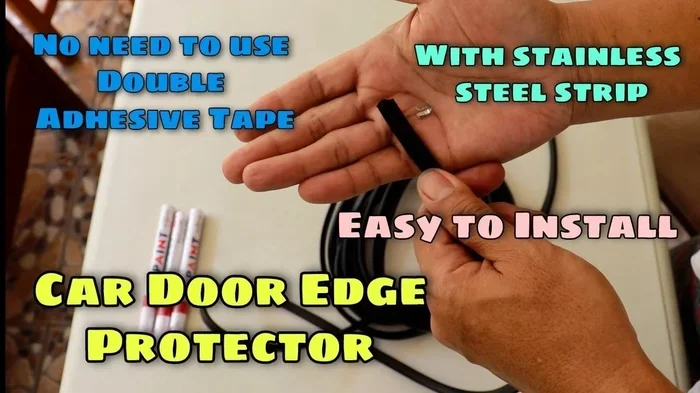
Car Door Edge Protector The Simple Upgrade Your Car Needs
A car door edge protector is a simple, affordable upgrade that shields your vehicle’s doors from scratches, dings, and weather damage. It fits easily over the door edge and keeps paint looking new for years. Learn why this small accessory makes a big difference for daily drivers, SUVs, and trucks.
Every day, your car’s doors take a beating. You open them in tight parking spaces, brush against concrete pillars, and watch as kids slam them shut. Over time, those tiny impacts add up to ugly scratches and chips. Car door edge protector strips offer a simple, effective fix. They slide right over the door edge and take the hit instead of your paint.
This guide covers everything you need to know about choosing, installing, and maintaining a door edge protector. You’ll learn the different types, see side-by-side comparisons, and discover common mistakes to avoid. By the end, you’ll know exactly how to keep your car’s doors looking fresh for years.
Key Takeaways
- Scratch Prevention: A door edge protector absorbs impacts that cause unsightly scratches.
- Easy Installation: Most protectors use adhesive backing and install in minutes.
- Cost-Effective: Protects expensive paint jobs for a fraction of a repair cost.
- Versatile Fit: Available for sedans, SUVs, trucks, and even kids’ car doors.
- Weather Defense: Shields against rain, sun, and road debris.
- Resale Value: Maintains door condition, boosting your car’s resale appeal.
📑 Table of Contents
- What Is a Car Door Edge Protector and Why You Need One
- Types of Car Door Edge Protectors
- How to Choose the Right Car Door Edge Protector for Your Vehicle
- Step-by-Step Installation Guide
- Common Mistakes and Expert Insights
- Maintaining Your Car Door Edge Protector for Longevity
- Final Thoughts on Car Door Edge Protector
What Is a Car Door Edge Protector and Why You Need One
A car door edge protector is a thin strip of material that attaches to the outer edge of your vehicle’s door. It covers the metal edge where dings and scratches happen most often. The protector absorbs impact from doors opening in tight spots, shopping carts, and careless neighbors. Think of it as a bumper for your door edge.
Most protectors use a strong adhesive backing. You clean the surface, peel the tape, and press the strip into place. Some models use magnetic attachment for easier removal. Either way, the goal is the same: shield your paint from damage.
How It Works
The protector sits on the outer lip of the door. When another object bumps into it, the strip takes the force. The energy spreads across the protector instead of denting or scratching the paint. This simple physics trick keeps your door looking brand new. A door edge protector also blocks moisture from seeping into tiny paint cracks.
The Hidden Damage You Can’t See
You might think a small scratch is no big deal. But those tiny marks collect over time. They make your car look older and worn out. Worse, scratches can lead to rust if the metal underneath gets exposed. A car door edge protector stops this chain reaction before it starts.
Here is what happens without protection:
- Paint chips from door-to-door contact
- Scratches from keys, jewelry, or belts
- Dings from shopping carts and bumpers
- Weathering from sun and rain on exposed edges
Each of these issues lowers your car’s value. A car door edge protector prevents all of them with a simple strip.
Key Takeaways
- A car door edge protector is a thin adhesive strip that covers the door’s outer edge.
- It prevents scratches, dings, and paint chips from daily wear and tear.
- Installation takes under 10 minutes per door.
- It’s an affordable insurance policy for your car’s paint job.
Types of Car Door Edge Protectors
Not all protectors are the same. Different materials and designs suit different needs. Let’s explore the main types available.
Adhesive Strip Protectors
These are the most popular car door edge protectors. They come in rolls or pre-cut strips. You simply peel and stick them onto the door edge. They are usually made of rubber, PVC, or TPE. They offer a snug fit and clear or color-matched finish.
Quick Tip: Choose a strip with a UV-resistant coating if you live in a sunny climate. It will not yellow or crack as fast.
Magnetic Edge Guards
Magnetic protectors use strong magnets to cling to the door edge. They are perfect for people who want to remove the protector easily. You can take them off for car washes or when you want a clean look. They work well on metal door edges and are very durable.
Full-Coverage Door Edge Molding
This type replaces the original door trim or adds a new layer. It covers the entire door edge, including the top and bottom. It looks more like factory trim and offers the highest level of protection. However, it requires more careful installation and a higher budget. Many SUV and truck owners prefer this option because it matches the vehicle’s overall style.
Comparison Table
| Type | Material | Installation | Durability | Best For |
|---|---|---|---|---|
| Adhesive Strip | Rubber, PVC, TPE | Peel and stick (5 min) | 3-5 years | Daily drivers, quick fix |
| Magnetic Guard | Rubber with magnets | Snap on (1 min) | 5+ years | Frequent removal, renters |
| Full-Coverage Molding | ABS plastic, chrome | Screws or adhesive (30 min) | 7-10 years | SUVs, trucks, show cars |
How to Choose the Right Car Door Edge Protector for Your Vehicle
With so many options, picking the right one can feel overwhelming. Follow these steps to find the perfect fit.
Matching Protector to Car Type
Sedans need slim, low-profile strips. SUVs and trucks often have larger door edges, so wider protectors work better. If you have a car door edge protector for kids, look for bright colors or fun patterns. These make it easier for little hands to see the edge and avoid dings.
Measure your door edge width before buying. Most protectors list compatible sizes. A car door edge protector that is too small will not cover the full edge, leaving gaps. A door edge protector for trucks should be extra wide and thick to handle the larger door weight.
Material Matters: Rubber, PVC, or TPE?
Each material has pros and cons:
- Rubber: Soft, flexible, and absorbs impact well. It may fade over time.
- PVC: Rigid and durable. It holds its shape but can crack in cold weather.
- TPE (Thermoplastic Elastomer): The best of both worlds. It is flexible, durable, and weather-resistant. This is the top choice for most drivers.
Color and Finish Options
You can find protectors in clear, body-color match, chrome, or black. Clear protectors are invisible and let your original trim show through. Chrome adds a stylish look. Body-color matching makes the protector blend seamlessly. Choose based on your car’s style and your personal taste. A door edge protector in clear is the safest bet if you want no visible change to your car’s appearance.
Step-by-Step Installation Guide
Installing a car door edge protector is one of the easiest DIY car upgrades. You do not need special tools. Just follow these steps.
Surface Preparation
- Wash the door edge with soap and water. Remove all dirt, wax, and oils.
- Dry the area completely with a clean microfiber cloth.
- If the door edge has old trim, remove it carefully. Use a plastic trim tool to avoid scratches.
- Wipe the edge with rubbing alcohol to ensure a clean bonding surface.
Quick Tip: Work in a shaded area. Direct sunlight can heat the door edge and cause the adhesive to set too quickly, leading to poor bonding.
Applying the Protector
- Measure the door edge and cut the protector to length if needed.
- Peel off the backing tape slowly.
- Start at the front of the door and press the protector down firmly.
- Work your way along the edge, smoothing out any bubbles as you go.
- Use a plastic squeegee or your fingernail to press the strip tightly onto the metal.
Quick Tip: Apply the protector when the temperature is between 60°F and 80°F. Cold weather makes the adhesive less sticky, and heat can make it too soft.
Checking the Fit
Run your finger along the protector to feel for any gaps or lifts. Press down on any areas that are not fully adhered. Let the adhesive cure for 24 hours before opening the door forcefully. After that, your door edge protector is ready to take on the world.
Common Mistakes and Expert Insights
Even with a simple product, mistakes can happen. Avoid these pitfalls for the best results.
Common Mistakes to Avoid
- Skipping surface cleaning: Dirt and grease prevent the adhesive from bonding. Always clean the edge first.
- Choosing the wrong size: A protector that is too short leaves the door vulnerable. Measure twice, cut once.
- Ignoring temperature guidelines: Applying in extreme heat or cold leads to peeling and bubbling.
- Overlapping the protector: Do not wrap it around the door edge. It should sit flush on the outer edge only.
- Using harsh cleaners: After installation, avoid high-pressure car washes directly on the strip for the first week.
Expert Insights from Auto Detailers
Professional detailers recommend using a car door edge protector on every door, including the trunk and tailgate. “The rear door edges often get hit by grocery carts,” says auto expert Mike Torres. “A simple strip saves you from a costly paint repair.”
Detailers also suggest checking the protector every six months. Look for lifting edges or discoloration. A door edge protector that is starting to peel should be replaced immediately. Dirt can get under the lifted edge and cause staining.
Expert Insight: If you live near the coast, salt air can corrode door edges faster. A protector acts as a barrier against salt and moisture. It is one of the best investments you can make for long-term car care. A door edge protector strip is a small price to pay for years of rust-free doors.
Maintaining Your Car Door Edge Protector for Longevity
A car door edge protector can last for years with basic care. Here is how to keep it looking great.
Cleaning and Care Tips
- Wash your car regularly with a gentle car soap.
- Use a soft cloth to wipe the protector. Avoid abrasive scrubbers.
- For stubborn grime, use a mild all-purpose cleaner and a soft brush.
- Dry the area thoroughly after washing to prevent water spots.
How Often Should You Replace?
Most adhesive protectors last between 3 and 5 years. Magnetic guards can last even longer. Full-coverage molding often stays in place for 7 to 10 years. If you notice the protector turning yellow, cracking, or peeling away from the door, it is time for a replacement. Replacing a door edge protector is quick and inexpensive compared to a paint job.
Key Takeaways
- Clean the door edge thoroughly before installation.
- Apply at the right temperature (60°F–80°F) for best adhesion.
- Check the protector every 6 months for signs of wear.
- Replace promptly if you see peeling or discoloration.
- Use gentle cleaning methods to extend the life of the strip.
Final Thoughts on Car Door Edge Protector
A car door edge protector is one of the simplest upgrades you can make. It costs just a few dollars per door, yet it saves you from expensive paint repairs. Whether you drive a sedan, SUV, or truck, there is a protector that fits your needs.
Do not wait for the next ding or scratch. Protect your car’s doors today. A small strip of protection makes a big difference in keeping your vehicle looking new. Your future self will thank you when you sell or trade in your car with pristine door edges.
Grab a car door edge protector kit, follow the simple steps above, and enjoy peace of mind every time you open your door. It is a smart, easy, and affordable way to care for your car. A door edge protector is truly the simple upgrade your car needs.
Frequently Asked Questions
How long does a car door edge protector last?
Most adhesive protectors last between 3 and 5 years with proper care. Magnetic guards can last even longer, and full-coverage molding often stays in place for 7 to 10 years. Regular cleaning and avoiding harsh chemicals will extend the life of your car door edge protector.
Can I install a car door edge protector myself?
Yes, absolutely. Installation is a simple DIY task that takes less than 10 minutes per door. You just need soap, water, rubbing alcohol, and a clean cloth. No special tools are required. If you can apply a sticker, you can install a door edge protector.
Will a car door edge protector affect the way my door opens and closes?
No, a properly installed protector should not change the feel of your door. It sits flush on the outer edge and does not interfere with the door’s movement. If you feel any rubbing, you may need to adjust the strip or trim it slightly. Most protectors are designed to be completely unobtrusive.
Are car door edge protectors visible from the outside?
It depends on the type you choose. Clear protectors are nearly invisible and let your original trim show through. Body-color matched protectors blend in seamlessly. Chrome protectors add a visible accent. You can pick a style that matches your car’s look and your personal preference.
Can a car door edge protector prevent rust?
Yes, to a large extent. Scratches and chips expose the bare metal to moisture and road salt, which leads to rust. A protector covers that vulnerable edge and blocks out water and debris. It is an excellent preventive measure, especially in coastal or winter climates.
Is a car door edge protector safe for kids?
Absolutely. In fact, it is highly recommended for families. Kids often slam car doors or hit them with toys and bikes. A protector absorbs the impact and prevents dents and scratches. Some protectors come in bright colors, making it easier for children to see the door edge and avoid accidents.