Can I Program My Own Chip Key Everything You Must Know
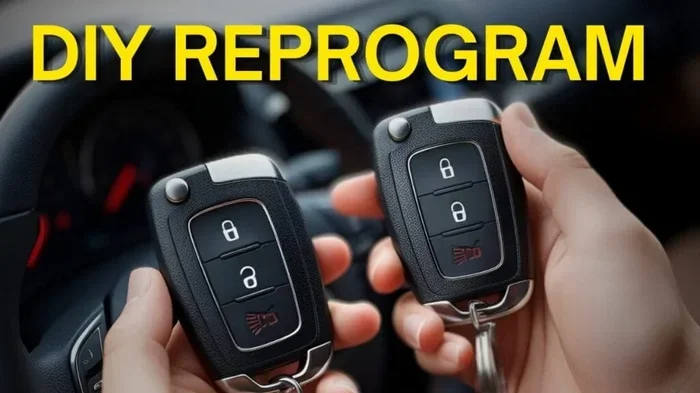
Many car owners wonder if they can program their own chip key without visiting a locksmith. The short answer is yes, in many cases you can do it yourself with the right tools and guidance. Learning how to program a chip key can save you significant money and time. This guide walks you through every step, from understanding transponder technology to avoiding common mistakes.
Have you ever lost your only car key or faced a dead battery in your key fob? It is a stressful moment that nobody wants to deal with. Many people immediately think about calling a locksmith or visiting the dealership. But here is a question worth asking: can I program my own chip key?
The truth is that more drivers are learning how to handle their own chip key programming at home. With the right knowledge and a few tools, you can cut costs and save time. This guide will walk you through everything you need to know about programming your own car key from start to finish.
Whether you own a sedan, SUV, or truck, the basics of transponder key technology remain the same. We will cover how these keys work, what tools you need, and the exact steps to follow. By the end, you will feel confident tackling this task on your own.
Key Takeaways
- DIY Programming Is Possible: You can program many chip keys at home with the correct equipment and step-by-step instructions.
- You Need the Right Tools: A quality key programming tool and your vehicle’s VIN number are essential for success.
- Not All Keys Are Equal: Some vehicles require professional-grade equipment that is hard to access at home.
- Avoid Common Mistakes: Rushing the process or using the wrong key type are the most frequent errors people make.
- Cost Savings Add Up: DIY programming can save you hundreds of dollars compared to hiring a locksmith.
- Know When to Call a Pro: Complex vehicles or damaged keys may need professional locksmith services.
📑 Table of Contents
What Is a Chip Key and How Does It Work
A chip key is not just a regular metal key. Inside the plastic head sits a small electronic chip. This chip communicates with your car’s immobilizer system to prevent theft. Without the correct signal, the engine will not start.
These keys are also called transponder keys. The word transponder combines “transmitter” and “responder.” When you insert the key into the ignition, the car sends out a radio signal. The chip in the key responds with a unique code. If the code matches, the car allows the engine to turn over.
Understanding Transponder Technology
Transponder technology has been around since the 1990s. Car manufacturers adopted it to reduce vehicle theft. Before chip keys, hot-wiring a car was relatively easy. The anti-theft system made that much harder.
Here is how the process works in simple terms:
- The ignition coil sends out an electromagnetic field.
- The chip in the key absorbs that energy.
- The chip powers up and sends back a coded signal.
- The car’s computer reads the signal and checks for a match.
- If the code is correct, the fuel injection system activates.
Every chip key has a unique identification number. This number is stored in the car’s engine control unit, or ECU. When you program a new key, you are adding that unique number to the ECU’s memory.
How the Immobilizer System Works
The immobilizer system is the security feature that works hand in hand with your chip key. It is essentially a digital lock on the engine. Even if someone has a physical copy of your key, the car will not start without the right chip signal.
Most modern vehicles use a rolling code system. This means the code changes every time you use the key. It adds an extra layer of vehicle security against theft. Understanding this system helps you appreciate why proper programming matters so much.
Can You Actually Program Your Own Chip Key
The big question remains: can you really do this yourself? Yes, you can program your own chip key in many situations. However, the answer depends on your car model, year, and the type of key you have.
Some vehicles allow simple self-programming through a sequence of steps. Others require specialized equipment that only a professional locksmith would have. Let us break down what is possible and what is not.
DIY Key Programming Methods
There are a few common methods for DIY key programming. The method you use depends on your vehicle make and model. Here are the most popular approaches:
- Self-Programming Sequence: Many older vehicles let you program a new key by sitting in the driver seat and cycling the ignition on and off several times.
- On-Board Programming: Some cars have a built-in programming mode that accepts new keys without extra equipment.
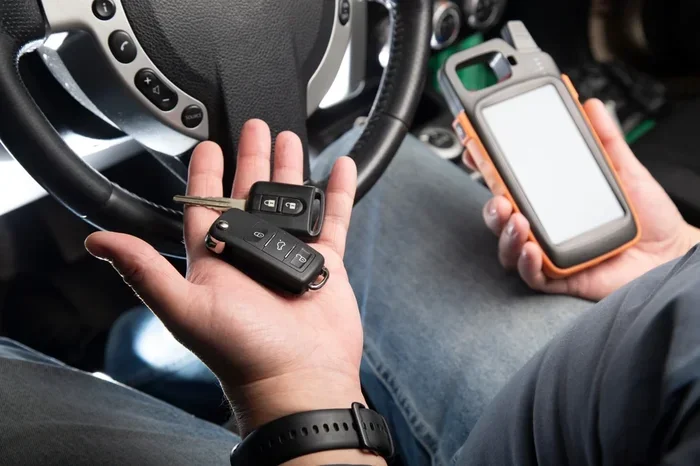
- Tool-Assisted Programming: You use a handheld key programming tool that connects to the car’s onboard diagnostic port, also known as the OBD port.
The self-programming method is the most accessible. You do not need to buy any special equipment. You just need to follow the exact steps for your vehicle. This method works well for many Ford, Chevrolet, and Toyota models from the 2000s and earlier.
What You Need Before Starting
Before you attempt any chip key programming, gather a few things first. Being prepared saves you frustration and prevents mistakes.
- A working key or master key: Most programming methods require at least one already-programmed key.
- Your vehicle identification number, or VIN: You will need this to order the correct replacement key.
- The correct key blank: Make sure the physical key matches your vehicle’s key cutting pattern.
- A programming tool if required: Some vehicles need a device like the Autel MX808 or Launch CRP123.
- Patience and a calm mindset: Rushing leads to errors, so take your time.
Also, check your owner’s manual. It often contains the specific programming instructions for your car. This is your best free resource before you start.
Tools and Equipment You Will Need
Having the right tools makes all the difference. You do not need a garage full of expensive equipment, but you do need the essentials. Let us look at what you should have on hand.
Essential Programming Devices
A key programming tool is the centerpiece of any DIY setup. These devices connect to your car’s OBD-II port and communicate directly with the ECU. They can add new keys, erase lost keys, and sometimes even clone existing ones.
Here are some popular options for home use:
- Autel MaxiIM IM508: A versatile tool that handles most aftermarket key programming tasks.
- Launch CRP123: Affordable and user-friendly for beginners.
- Zed-Full Pro: A budget-friendly option that covers many vehicle brands.
- SuperVAG VAG-COM: Best for Volkswagen, Audi, Skoda, and Bentley vehicles.
You do not need the most expensive tool on the market. Choose one that covers your specific vehicle brand. Many of these devices come with online updates that keep them current with new car models.
Software and Online Resources
Beyond hardware, software plays a big role in key fob programming. Most programming tools come bundled with software updates. You also find helpful video tutorials and forums online.
Websites like YouTube and specialized automotive forums offer free walkthroughs. You can watch someone else go through the exact steps for your car. This visual guidance is incredibly valuable when you are doing it for the first time.
Some paid resources like Mitchell OnDemand or ALLDATA provide detailed car key replacement instructions. These are especially useful for uncommon or luxury vehicle models.
Step-by-Step Guide to Programming Your Chip Key
Now let us get into the actual process. While every vehicle is different, the general steps share common patterns. Follow these guidelines and adapt them to your specific car.
Programming for Popular Car Brands
Different brands use different programming procedures. Here are quick overviews for some of the most common makes:
Ford Vehicles: Insert the working key into the ignition and turn it to the ON position, then back to OFF. Remove the key. Within a few seconds, insert the new key and turn it to ON. The security light will stop flashing when programming is complete.
Chevrolet Vehicles: Close all doors and insert the key into the ignition. Turn the key to ON and wait for the security light to stop flashing. Turn the key back to OFF within five seconds. Repeat with the new key.
Toyota Vehicles: Enter the car with the master key. Close the door and insert both the master and new keys into the ignition. Cycle the key from OFF to ON three times within four seconds, ending on ON. The door locks will cycle to confirm successful programming.
BMW and Luxury Vehicles: These often require a professional-grade tool. The proximity key and smart key systems on newer models are more complex. Attempting DIY programming on these can sometimes cause issues that need a dealer to fix.
Common Mistakes to Avoid
Even with the best instructions, mistakes happen. Here are the most common errors people make when they try to program their own chip key:
- Using the wrong key blank: The physical key must match the lock and ignition exactly. A poorly cut key will not work even if the chip is programmed correctly.
- Rushing the timing: Many programming sequences require precise timing. Going too slow or too fast will cause the process to fail.
- Not having a master key: Some vehicles will not accept new keys without at least one working key already programmed.
- Ignoring the battery: A weak battery in the new key can cause programming to fail. Always use a fresh battery.
- Skipping the owner’s manual: The manual contains vehicle-specific instructions that generic guides may miss.
Take your time and double-check each step. One wrong move can sometimes require a reset, which wastes time and energy.
When to Call a Professional Locksmith
DIY programming works great for many situations. But there are times when calling a professional is the smarter choice. Knowing when to make that call saves you money and prevents damage.
Signs You Need Expert Help
Watch for these warning signs that indicate you should call in a licensed locksmith:
- Your vehicle uses a smart key or proximity key system: These advanced systems are difficult to program without dealer-level equipment.
- You have lost all keys: If you do not have a working master key, DIY programming is usually not an option.
- The key is damaged or broken: A broken key inside the ignition needs professional extraction before any programming can happen.
- The programming sequence fails repeatedly: If you have tried multiple times without success, a professional can diagnose the real issue.
- Your car is a luxury or European brand: Brands like BMW, Mercedes, and Audi often need specialized software that is expensive for home use.
A good automotive locksmith has the experience and equipment to handle complex situations. They can also cut the physical key on-site if needed.
Cost Comparison: DIY vs Professional
Cost is often the main reason people want to program their own keys. Here is a simple comparison:
DIY Programming Cost: You pay for the key blank and the programming tool. A basic key blank costs around $10 to $30. A home programming tool runs $50 to $300 depending on the brand. Total cost is often under $100.
Professional Programming Cost: A locksmith or dealership typically charges $50 to $150 for the service alone. Add the cost of the key blank, and the total can range from $100 to $300 or more.
Dealership Programming Cost: Dealers often charge the highest prices. You might pay $200 to $500 for a single key replacement. This includes the key, programming, and labor.
For budget-conscious car owners, DIY key programming clearly has the advantage. But weigh that against your comfort level and the complexity of your vehicle.
Tips to Keep Your Chip Key Working Perfectly
Once you have successfully programmed your new chip key, you want it to last. Proper care and maintenance go a long way in keeping everything running smoothly.
Battery Maintenance
Most modern chip keys contain a small coin-cell battery. When this battery dies, the key will stop transmitting its signal. You will notice the car will not recognize the key when you approach or insert it.
Replace the battery every two to three years as a preventive measure. Use a high-quality battery like CR2025 or CR2032, depending on your key model. Opening the key shell carefully with a small flathead screwdriver lets you swap the battery easily.
Key Care Best Practices
Your chip key is a small electronic device. Treat it with care, and it will serve you well for years. Here are some simple habits that make a big difference:
- Keep it away from water: Moisture can damage the internal chip and circuitry.
- Avoid dropping it: Physical impacts can crack the plastic housing and damage the chip inside.
- Store it away from strong magnets: Magnets can interfere with the chip’s electronic components.
- Do not place it near electronic devices: Phones, tablets, and laptops can sometimes interfere with the key’s signal.
- Have a spare key made: Always keep a backup key in a safe place at home.
These small habits prevent big headaches down the road. A little care now saves you from an emergency lockout later.
Key Takeaways
- DIY Programming Is Possible: You can program many chip keys at home with the correct equipment and step-by-step instructions.
- You Need the Right Tools: A quality key programming tool and your vehicle’s VIN number are essential for success.
- Not All Keys Are Equal: Some vehicles require professional-grade equipment that is hard to access at home.
- Avoid Common Mistakes: Rushing the process or using the wrong key type are the most frequent errors people make.
- Cost Savings Add Up: DIY programming can save you hundreds of dollars compared to hiring a locksmith.
- Know When to Call a Pro: Complex vehicles or damaged keys may need professional locksmith services.
Frequently Asked Questions
Can I program a chip key without any special tools?
For many older vehicle models, you can program a chip key using just the self-programming sequence built into the car. This method requires no special tools at all. However, newer vehicles with advanced security systems typically need a dedicated programming device. Check your owner’s manual to see which method applies to your car.
How much does it cost to program a chip key yourself?
The main cost is the key blank, which usually runs between $10 and $30. If you already own a programming tool, your total cost is very low. If you need to buy a tool, the investment is higher but can pay for itself after just one or two key replacements. Overall, DIY programming is much cheaper than going to a dealership.
What happens if I program the wrong chip key?
Programming the wrong key will not damage your car’s computer system. The ECU simply will not recognize the incorrect code. You can erase the wrong key from the system and try again. Always double-check that you are using the correct key blank and that the chip is properly seated before starting the programming sequence.
Can I program a chip key if I have lost all my keys?
Losing all keys makes DIY programming very difficult or impossible. Most vehicles require at least one working master key to add a new key to the system. In this situation, you will need a professional locksmith or dealer to perform what is called a master key reset or ECU reprogramming.
How long does it take to program a chip key at home?
The actual programming process usually takes between five and fifteen minutes. However, the total time increases if you need to order the correct key blank or figure out the programming steps for your specific vehicle. Having all your materials ready before you start keeps the process smooth and efficient.
Is chip key programming the same for all cars?
No, every car brand and model has its own programming procedure. Even different model years of the same car can use different methods. Ford, Toyota, Chevrolet, and luxury brands all have unique steps. Always follow the instructions specific to your vehicle rather than relying on generic advice.
Conclusion
So, can you program your own chip key? The answer is yes, and you now have everything you need to get started. Understanding how your transponder key works gives you the confidence to handle this task on your own. With the right tools, a little patience, and the correct steps, you can save real money and avoid long waits at the dealership.
Remember to gather all your materials before you begin. Follow the programming sequence exactly for your vehicle. And know when to call a professional locksmith if the task is beyond your comfort level.
Program your own chip key and take control of your car’s security and maintenance. The knowledge you gain today can save you time, money, and stress tomorrow. Start with your owner’s manual, grab your tools, and give it a try. You might be surprised at how capable you really are.