Ant Spray for Car How to Get Rid of Ants in Your Vehicle
Finding ants in your car is frustrating, but the right ant spray for car can solve the problem quickly and safely. This guide covers the best sprays, DIY alternatives, application techniques, and prevention tips to keep your vehicle ant-free. Whether you are dealing with a minor nuisance or a full-blown infestation, you will find practical solutions that actually work.
There is nothing worse than climbing into your car on a warm morning and spotting tiny ants marching across your dashboard. Whether you parked near a sidewalk crack or left a stray crumb from your last road trip, an ant spray for car can be a total game-changer. Dealing with ants inside your vehicle is frustrating, messy, and surprisingly common.
These tiny invaders find their way into cars through the smallest gaps and are drawn to food residue, sweet spills, and even the warmth of your engine bay. But here is the good news: getting rid of them does not have to be complicated or expensive. This guide walks you through everything you need to know about using an ant spray for car safely and effectively.
You will learn which products work best, how to apply them correctly, and what you can do to keep ants from coming back. By the end, you will feel confident tackling even the stubbornest car ant infestation on your own. Let us get started.
Key Takeaways
- Choose the right spray: Not all ant sprays work the same way. Chemical-based options offer fast kills, while natural alternatives are safer for families and pets.
- Application matters: Spraying the right areas at the right time makes a huge difference in eliminating ants inside your car.
- Prevention is key: Simple daily habits like cleaning up crumbs and sealing food can stop ants from coming back.
- DIY options exist: Homemade sprays using vinegar, peppermint oil, and dish soap can be effective for mild infestations.
- Know when to call a pro: Severe or recurring infestations may require professional pest control services.
- Safety first: Always follow label instructions and ventilate your car after using any ant spray.
📑 Table of Contents
Why Ants Invade Your Vehicle
What Attracts Ants to Cars
Ants are always on the lookout for food and water. Your car offers both in surprising ways. A single dropped gummy bear under the seat can attract a whole colony. Sweet spills, pet food crumbs, and even sticky residue from your morning coffee create a welcome sign for these tiny explorers.
But food is not the only reason ants enter cars. They also seek shelter, especially during extreme weather. During hot summer days, your car’s interior can become an attractive nesting spot. In colder months, engines and dashboards retain heat that draws ants looking for warmth. Understanding what draws them in is the first step toward effective car ant removal.
Common Entry Points
Ants are incredibly small and can squeeze through gaps you would never notice. Here are the most common ways ants get into your vehicle:
- Window and door seals: Worn-out weather stripping creates tiny openings ants can pass through easily.
- Engine bay gaps: Ants often nest near the engine for warmth and enter through openings around the firewall.
- Floor mat edges: Gaps between floor mats and the car body provide hidden pathways.
- AC vents: Ants can crawl through ventilation ducts from the engine compartment into the cabin.
- Trunk seals: A damaged trunk gasket is an open invitation for ants and other pests.
Once ants find even one entry point, they leave pheromone trails for the rest of the colony to follow. That is why a few ants today can turn into a full-blown ant infestation removal situation within days if left unchecked.
Common Mistakes People Make
Many car owners make the same mistakes when dealing with ants. Here are a few to avoid:
- Ignoring the problem early: A few ants today can become hundreds tomorrow. Address the issue at the first sign.
- Using the wrong product: Not all sprays are safe for use inside enclosed spaces like a car interior.
- Spraying without cleaning first: If you do not remove the food source, ants will keep coming back no matter what spray you use.
- Over-spraying: Too much spray can damage interior surfaces, leave strong odors, and create health concerns.
Avoiding these mistakes saves you time, money, and frustration in the long run.
The Best Ant Sprays for Your Vehicle
Choosing the right ant spray for car depends on your situation. Some sprays work fast but contain harsh chemicals. Others are gentler but may take longer to show results. Let us break down the options so you can make an informed choice.
Chemical-Based Ant Sprays
Chemical-based sprays are the most popular choice for tackling ants in car problems quickly. These products contain active ingredients like pyrethroids or bifenthrin that kill ants on contact. They are widely available at auto parts stores, hardware shops, and online retailers.
Popular brands include Raid, Ortho, and Hot Shot. Most of these sprays claim to kill ants instantly and provide residual protection for weeks. They work best for moderate to severe infestations where you need fast results.
However, chemical sprays come with trade-offs. The fumes can be strong inside a closed car, and some products leave a residue that may damage plastic or fabric surfaces. Always check the label for indoor use recommendations before spraying inside your vehicle.
Natural and Organic Options
If you prefer a gentler approach, natural ant sprays are worth considering. These products use essential oils like peppermint, tea tree, and citrus to repel ants without harsh chemicals. Brands like Wondercide, EcoSmart, and Cedarcide offer ant repellent for vehicle options that are safe for families with children and pets.
Natural sprays may not kill ants as instantly as chemical options, but they are excellent for prevention and mild infestations. Many users report great results with peppermint-based sprays, which ants genuinely dislike. These products also leave your car smelling fresh instead of like a chemical factory.
Comparison Table
| Feature | Chemical Sprays | Natural Sprays |
|---|---|---|
| Kill Speed | Instant | Moderate |
| Residual Protection | Up to 4 weeks | 1-2 weeks |
| Safety for Interior | Use with caution | Generally safe |
| Odor | Strong chemical smell | Light, natural scent |
| Pet and Child Safe | Usually not | Most are safe |
| Price Range | $5-$15 | $10-$25 |
| Best For | Severe infestations | Mild issues and prevention |
How to Choose the Right Ant Spray for Car
Selecting the best ant spray for car comes down to a few key factors:
- Severity of the infestation: Heavy infestations need fast-acting chemical sprays. Mild issues can often be handled with natural alternatives.
- Safety concerns: If you have children or pets, opt for natural or organic options whenever possible.
- Interior material: Delicate leather or fabric interiors may react poorly to harsh chemicals. Check product labels for surface compatibility.
- Residual protection: If you want long-lasting results, choose sprays that offer residual protection against future ant activity.
- Ease of use: Look for sprays with narrow nozzles that can reach tight spaces like dashboard seams and vent openings.
Expert insight: Pest control professionals often recommend a two-step approach. Use a chemical spray for immediate kill, then follow up with a natural repellent spray for ongoing ant control in vehicle maintenance. This combination gives you the best of both worlds.
How to Use Ant Spray for Car Effectively
Buying the right spray is only half the battle. How you apply it makes all the difference. Follow these steps to get the most out of your ant spray for car and eliminate ants for good.
Step-by-Step Application Guide
Step 1: Clean your car thoroughly. Remove all trash, vacuum the seats and floors, and wipe down all surfaces with a mild cleaner. You want to eliminate food sources and ant trails before spraying.
Step 2: Identify the ant trails. Follow the line of ants to find where they are entering and exiting. Look along window edges, under the dashboard, around the center console, and near the pedals. These trails will guide you to the problem areas.
Step 3: Ventilate the car. Open all doors and windows before spraying. Good ventilation reduces fume exposure and helps the spray dry faster. If possible, do this outside or in a well-ventilated garage.
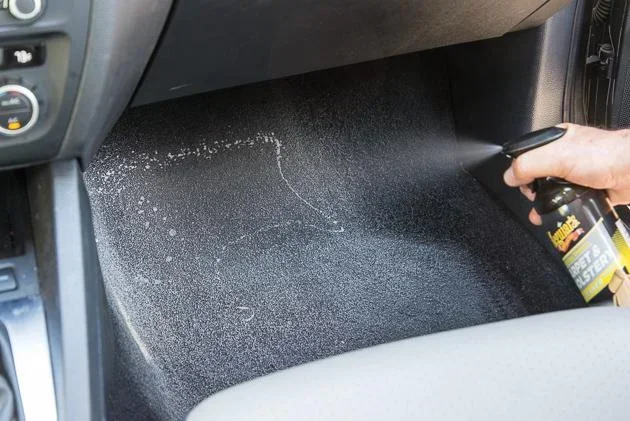
Step 4: Spray targeted areas. Hold the can about 6-8 inches from the surface. Spray directly on ant trails, entry points, and any visible nests. Focus on cracks, seams, and gaps where ants travel. Avoid soaking surfaces — a light, even coat works best.
Step 5: Let it sit. Allow the spray to dry completely before closing the car doors. Most products need 15-30 minutes to set. Do not drive the car immediately after spraying, as fumes can be overwhelming in an enclosed space.
Step 6: Wipe down hard surfaces. After the spray has dried, wipe down dashboard and console surfaces with a damp cloth. This removes any residue and prevents potential damage to interior materials.
Safety Tips You Should Follow
- Read the label carefully: Every ant killer spray has specific instructions and warnings. Follow them exactly.
- Wear gloves: Protect your hands from chemicals, especially if you have sensitive skin.
- Keep away from open flames: Most ant sprays are flammable. Do not smoke or use sparks near the product.
- Store properly: Keep spray cans out of direct sunlight and away from children and pets.
- Do not spray near electronics: Avoid spraying directly on screens, buttons, or sensitive electronic components.
Quick Tip: For hard-to-reach areas like vent slats and dashboard crevices, use a straw attachment that comes with most spray cans. This gives you precision targeting without over-spraying.
Natural and DIY Alternatives to Commercial Sprays
Not everyone wants to use chemical sprays inside their car. The good news is that several DIY alternatives can effectively manage ants in car problems. These options are affordable, easy to make, and much safer for your car’s interior.
Homemade Ant Spray Recipes
Here are three simple recipes you can try at home:
Recipe 1: Vinegar and Water Spray
- Mix equal parts white vinegar and water in a spray bottle.
- Add 10 drops of peppermint essential oil for extra repellent power.
- Spray directly on ant trails and entry points.
- Wipe surfaces with a cloth after 10 minutes.
Recipe 2: Dish Soap and Water Spray
- Mix 1 tablespoon of liquid dish soap with 1 cup of water in a spray bottle.
- Shake well and spray directly on ants.
- The soap breaks down the ants’ exoskeleton and kills them on contact.
Recipe 3: Borax and Sugar Bait
- Mix 1 tablespoon of borax with 1 tablespoon of powdered sugar.
- Place small amounts near ant trails but out of reach of children and pets.
- Ants carry the bait back to the colony, which helps eliminate the entire nest.
When DIY Works and When It Does Not
DIY solutions work well for mild, occasional ant problems. If you see a few ants once in a while, a homemade spray should handle it just fine. However, DIY methods have limitations:
- They do not work for large infestations. If you see hundreds of ants or find a nest inside your car, you need a stronger solution.
- They offer no residual protection. Homemade sprays kill on contact but do not prevent future ant activity for weeks like commercial products do.
- They require repeated application. You may need to reapply daily until the problem is fully resolved.
For persistent or severe ant problem in car situations, commercial sprays or professional help is the better route. DIY methods are best used alongside prevention efforts rather than as a standalone solution for serious infestations.
Preventing Ants from Coming Back
Eliminating ants is only half the battle. The real challenge is keeping them from returning. Prevention is far easier than treatment, and a few simple habits can save you from repeated ant spray for car sessions.
Daily Habits That Help
Making these small changes part of your routine can dramatically reduce the chances of ants returning to your car:
- Clean up food immediately: Never leave food wrappers, receipts with food residue, or crumbs sitting in your car. Take trash out every day.
- Vacuum regularly: A quick vacuum of seats and floors once a week removes the tiny food particles ants love.
- Wipe down surfaces: Use a damp cloth to wipe your dashboard, console, and cup holders at least twice a week.
- Seal all food: If you must store snacks in your car, use airtight containers. Even a loosely closed bag of chips can attract ants from several feet away.
- Check for spills: Sweet drinks like soda and juice are major ant attractants. Clean up spills immediately and completely.
Long-Term Car Ant Prevention Strategies
Beyond daily habits, consider these longer-term strategies for ant prevention in vehicle:
- Seal entry points: Inspect your car’s weather stripping, window seals, and trunk gaskets regularly. Replace worn seals to close off ant highways.
- Use ant deterrent sprays: Apply a natural repellent spray around door seals and entry points once a week. This creates a barrier ants do not want to cross.
- Park smart: Avoid parking near ant hills, trash cans, or areas with standing water. A few feet can make a big difference.
- Keep your engine bay clean: Food debris and oil drips in the engine area attract ants from underneath the car. Have your engine bay cleaned periodically.
- Use cedar chips or sachets: Place a small bag of cedar chips under a seat or in the trunk. Ants dislike the scent and will avoid the area.
These strategies work together to create a comprehensive ant deterrent spray routine that keeps your car ant-free year-round.
When to Call a Professional
Most ant problems can be handled with a good ant spray for car and some prevention habits. But sometimes, the situation calls for professional help. Knowing when to make that call saves you time and prevents the problem from getting worse.
Signs of a Severe Infestation
Watch for these warning signs that indicate your ant problem has grown beyond DIY solutions:
- Ants everywhere: If you see ants in every corner of the car, from the dashboard to the trunk, you are dealing with a serious colony.
- Visible nests: Finding a visible ant nest inside your car means the colony has established a home and needs professional treatment.
- Ants keep returning: If you spray and the ants return within days or weeks, the colony is likely larger than what surface sprays can reach.
- Damage to car components: Some ant species can damage wiring and insulation. If you notice chewed wires or unusual car behavior, seek help immediately.
- Allergic reactions: If anyone in your household has severe allergic reactions to ant bites or spray chemicals, professional treatment is the safer option.
What to Expect from Pest Control
Professional pest control services offer targeted treatments that go far beyond what store-bought sprays can achieve. A technician will inspect your vehicle, identify the ant species, locate the nest, and apply industrial-grade treatments that eliminate the entire colony.
Most automotive pest control services charge between $75 and $200 per treatment, depending on the severity of the infestation and your location. The treatment usually takes less than an hour, and many services offer guarantees that include follow-up visits if ants return.
Expert insight: Pest control professionals often use a combination of residual sprays, dust applications, and bait stations for complete automotive ant control. This multi-layered approach addresses both the visible ants and the hidden colony, giving you long-lasting peace of mind.
Conclusion
Dealing with ants in your car does not have to be a never-ending battle. With the right ant spray for car, a solid cleaning routine, and smart prevention habits, you can keep your vehicle ant-free all year long. Whether you choose a chemical spray for fast results or a natural option for a gentler approach, the key is to act quickly and consistently.
Remember to clean up food sources, seal entry points, and reapply repellent sprays regularly. If the infestation grows beyond what DIY methods can handle, do not hesitate to call a professional. Your car is a significant investment, and protecting it from pest damage is well worth the effort.
Start with the tips in this guide, find the ant spray for car solution that works best for your situation, and enjoy a clean, ant-free driving experience every time you hit the road.
Frequently Asked Questions
Can I use regular household ant spray inside my car?
Some household ant sprays are safe for indoor use and can be used in cars, but always check the label first. Many commercial sprays contain chemicals that are too strong for enclosed spaces. Look for products specifically labeled for indoor or automotive use to avoid damaging your car’s interior or exposing yourself to harmful fumes.
How long does ant spray take to work in a car?
Most chemical ant sprays kill ants on contact within seconds. However, it can take 24-48 hours to see a significant reduction in ant activity as the spray affects the trail and colony. Natural sprays may take a bit longer, usually 3-5 days to show full results. Consistent application following the product instructions gives the best outcomes.
Is ant spray safe for car upholstery and leather seats?
This depends on the product. Many ant sprays contain chemicals that can discolor or damage fabric and leather. Always test the spray on a small, hidden area first. Natural and organic sprays are generally safer for delicate interior materials. When in doubt, look for products specifically labeled as safe for automotive interiors.
What attracts ants into a car the most?
Sweet food residues are the biggest attractant for ants in cars. Spilled soda, fruit juice, candy, and even pet food crumbs create strong scent trails that draw ants from surprising distances. Warmth and shelter also attract ants, especially during extreme weather. Keeping your car clean and free of food debris is the single best prevention strategy.
Can ants damage my car’s electrical system?
Yes, certain ant species can cause damage to car wiring. Ants are known to chew through insulation around wires, which can lead to short circuits and electrical malfunctions. This is especially common with fire ants and carpenter ants. If you notice ants near your car’s engine bay or wiring harnesses, address the problem immediately to prevent costly repairs.
How often should I apply ant spray in my car for prevention?
For ongoing prevention, applying a natural repellent spray once a week is usually sufficient. During peak ant season in spring and summer, you may want to apply every 3-4 days. Chemical sprays with residual protection can last longer, but always follow the product label for reapplication guidelines. Combining regular spraying with good cleaning habits gives the best long-term results.
=== FAQS ===
Conclusion
A reliable ant spray for car is your best tool for reclaiming your vehicle from unwanted ant visitors. Whether you face a minor nuisance or a persistent colony, the solutions in this guide give you practical, actionable steps to eliminate ants and prevent their return. Start today, stay consistent, and enjoy a clean, ant-free car every time you drive.