Why Active Safety Systems in Cars Are a Game Changer
Active safety systems in cars use smart sensors and software to help drivers avoid crashes before they happen. These features include automatic braking, lane warnings, and blind spot alerts that work together to protect everyone on the road. Active safety systems in cars are making driving safer and giving drivers more confidence every day.
Active safety systems in cars are changing the way we think about driving. These smart features use sensors, cameras, and software to help you avoid crashes before they happen. Active safety systems in cars include things like automatic braking, lane warnings, and blind spot alerts. They work quietly in the background, keeping you and your passengers safe every time you hit the road. If you are buying a new car or just curious about modern safety tech, understanding these systems is a must.
You might think that airbags and seatbelts are what keep you safe in a car. But those are passive safety features. They do their job after a crash happens. Active safety systems in cars do something different. They try to stop the crash from happening in the first place. Car makers have been adding these smart features for years now. Today, many new vehicles come packed with driver assistance technology that feels almost like magic. From automatic emergency braking to lane keeping help, these tools are making our roads much safer.
Key Takeaways
- Active safety systems in cars use technology to prevent crashes before they happen, rather than just protecting you during one.
- Automatic emergency braking, lane departure warning, and blind spot monitoring are among the most impactful features available today.
- These systems work best when drivers stay alert and understand how each feature functions.
- Cars with top safety ratings often include a full suite of driver assistance technology that covers many risk scenarios.
- The future of road safety includes AI-powered features that go well beyond today’s capabilities.
- Even budget-friendly cars now offer strong active safety features at very affordable prices.
📑 Table of Contents
What Are Active Safety Systems in Cars?
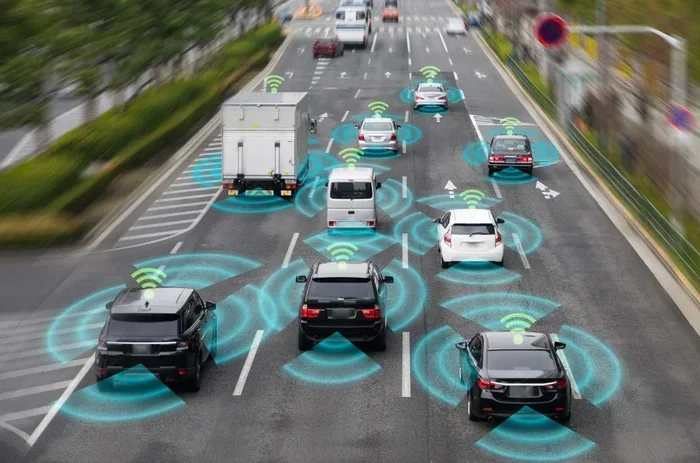
Active safety systems in cars are electronic features designed to prevent accidents. They use cameras, radar, lasers, and sensors to watch the road around you. When they spot a danger, they can warn you or even take action on their own. Unlike passive safety features like airbags, these systems work before a crash occurs.
How Do These Systems Work?
Most active safety features rely on a mix of sensors and software. Cameras watch the road signs and lane lines. Radar sensors detect objects ahead and behind you. Software processes all this information in real time. If the system thinks a crash is possible, it can flash a warning, sound an alarm, or apply the brakes. Active safety systems in cars work fast, often faster than a human can react.
Types of Active Safety Technology
There are many different types of active safety features available today. Here are some of the most common ones you will find in modern cars:
- Forward collision warning – Alerts you when you are getting too close to a vehicle ahead.
- Automatic emergency braking – Applies the brakes if you do not react to a forward collision warning.
- Lane departure warning – Beeps or vibrates if you start to drift out of your lane.
- Lane keeping assist – Gently steers the car back into the lane if you drift.
- Blind spot monitoring – Lights up when a car is in your blind spot.
- Rear cross traffic alert – Warns you of approaching traffic when backing out of a parking spot.
- Adaptive cruise control – Automatically adjusts your speed to keep a safe distance from the car ahead.
- Traffic sign recognition – Reads speed limit signs and displays them on your dashboard.
- Driver alert systems – Detects drowsiness or inattention and prompts you to take a break.
- Electronic stability control – Helps you maintain control during sudden swerves or slippery road conditions.
Each of these car safety technology features plays a role in keeping you safe. Together, they create a strong layer of protection that covers many different driving situations.
Top Active Safety Features You Should Know About
Not all safety features are created equal. Some have a bigger impact on crash prevention than others. Let us look at the most important ones and what they do.
Automatic Emergency Braking
Automatic emergency braking is one of the most life-saving features available today. It uses forward-facing sensors to detect if you are about to hit something. If you do not brake in time, the system applies the brakes on its own. Studies show that this feature significantly reduces rear-end crashes. Many car makers now include it as standard equipment on new models.
Quick Tip: Always check if the automatic emergency braking system is turned on. Some cars let you turn it off, and you might forget to turn it back on after a passenger uses the car.
Lane Departure Warning and Lane Keeping Assist
Lane departure warning alerts you if you start to drift out of your lane without using a turn signal. Lane keeping assist goes a step further by gently steering the car back into the lane. These features are especially helpful on long highway drives when fatigue can set in. They use cameras to track lane lines and monitor your position in the lane.
Together, these road safety features help prevent run-off-road crashes, which are a leading cause of serious accidents. They work best on roads with clear lane markings, so keep that in mind when driving on older or poorly marked roads.
Blind Spot Monitoring and Rear Cross Traffic Alert
Blind spot monitoring uses sensors on the side mirrors to detect vehicles in your blind spots. A light on the mirror or dashboard warns you when it is not safe to change lanes. Rear cross traffic alert works when you are backing up. It detects cars or pedestrians coming from the sides and warns you to stop.
These features are especially useful in parking lots and busy intersections. They help compensate for the limited view most drivers have when changing lanes or reversing. Active safety systems in cars like these can prevent low-speed collisions that are very common in parking situations.
Comparison: Active Safety Features Across Car Price Tiers
Not all cars offer the same level of safety tech. Here is a quick look at what you can expect at different price points:
| Feature | Budget Models | Mid-Range Models | Luxury Models |
|---|---|---|---|
| Automatic Emergency Braking | Often standard | Standard | Standard |
| Lane Departure Warning | Sometimes optional | Usually standard | Standard |
| Blind Spot Monitoring | Optional or absent | Often standard | Standard |
| Adaptive Cruise Control | Rare | Common | Standard |
| 360-Degree Camera Systems | Rare | Optional | Standard |
| Driver Drowsiness Alert | Rare | Sometimes available | Standard |
| Traffic Sign Recognition | Rare | Optional | Standard |
| Pedestrian Detection | Optional | Often standard | Standard |
As you can see, even budget cars are getting better safety features every year. The gap between price tiers is shrinking fast, which is great news for buyers who want active safety features without paying a luxury price tag.
How Active Safety Systems Save Lives on the Road
The real question behind all this technology is simple: do these systems actually save lives? The answer is a strong yes. Multiple studies have shown that cars equipped with active safety systems in cars have lower crash rates than those without them. Insurance data backs this up too. Vehicles with automatic emergency braking and lane departure warning get into fewer accidents.
Real-World Impact of Driver Assistance Technology
The IIHS (Insurance Institute for Highway Safety) has found that cars with automatic emergency braking have fewer rear-end crashes. Lane keeping assist has been linked to fewer single-vehicle and head-on collisions. These are the types of crashes that cause the most serious injuries and fatalities.
But technology alone is not enough. Active safety systems in cars work best when paired with good driving habits. These features are designed to assist you, not replace your attention. They are a backup system, not a replacement for safe driving behavior.
Quick Tips for Getting the Most from Your Safety Features
- Read your owner’s manual. Know what features your car has and how to turn them on or off.
- Keep sensors clean. Cameras and radar sensors can be blocked by dirt, snow, or debris. Wipe them down regularly.
- Do not rely on the system completely. Always stay alert and keep your hands on the wheel.
- Understand the limits. Some systems do not work well in heavy rain, fog, or on poorly marked roads.
- Get familiar with the alerts. Know what each warning sound or light means so you can react quickly.
- Update your software. Car makers often release updates that improve safety system performance.
Common Mistake: Many drivers turn off lane departure warnings because they find the beeping annoying. This is a big mistake. That feature is designed to keep you safe, especially on long drives when you might feel tired or distracted.
Expert Insight: “The best safety system is the one that is always on and that the driver understands,” says Dr. Helen Casey, a road safety researcher. “Technology works, but only when drivers know how to use it and trust it enough to keep it engaged.”
Are Active Safety Systems Worth the Extra Cost?
This is a fair question. Cars with full active safety systems in cars packages can cost more than base models. But the answer is almost always yes. Here is why.
Budget vs. Premium Safety Packages
Many car makers now offer safety packages that bundle several features together. These packages often include automatic emergency braking, blind spot monitoring, lane keeping assist, and adaptive cruise control. The cost of these packages has dropped over the years. Some brands now offer them for free on certain trim levels.
Think about it this way. A crash can cost thousands of dollars in repairs, medical bills, and insurance increases. Active safety features that help prevent a crash can save you money in the long run. Plus, cars with strong safety ratings often have lower insurance premiums.
Quick Tip: When comparing cars, check the safety ratings from the IIHS and NHTSA. These ratings give you a clear picture of how well a car protects its occupants and how effective its safety features are.
Common Mistakes Drivers Make with Safety Tech
Even the best car safety technology can fail if drivers misuse it. Here are some mistakes to avoid:
- Over-reliance on the system. Thinking the car can drive itself completely. No current system is fully self-driving in all conditions.
- Ignoring warnings. Tuning out beeps and alerts until they become background noise. This defeats the purpose of the system.
- Not checking the system status. Some features turn off automatically or need manual activation. Always verify they are on before driving.
- Neglecting maintenance. Dirty sensors, low tire pressure, and worn wiper blades can all reduce the effectiveness of safety features.
- Assuming all systems are the same. Different car makers implement safety features differently. Test drive multiple cars to see which system you prefer.
Common Mistake: Many drivers do not realize that automatic emergency braking may not work at very high speeds or in heavy rain. Always adjust your driving to the conditions, even if your car has advanced safety features.
Expert Insight: “The most dangerous myth is that safety tech makes you a better driver,” says Mark Torres, an automotive safety engineer. “It makes your car safer, but you still need to be the best driver you can be. These systems are a safety net, not a replacement for skill and attention.”
The Future of Active Safety Technology
The world of active safety systems in cars is evolving fast. Car makers are constantly developing new features that go beyond what we have today. Here is a look at what is coming next.
AI and Machine Learning in Car Safety
Artificial intelligence is taking driver assistance technology to the next level. AI-powered systems can learn your driving habits and adjust the safety features to match. They can predict dangerous situations before they fully develop. For example, AI can detect if a pedestrian is about to step into the road based on their body movement and direction.
Machine learning also helps improve pedestrian detection and cyclist detection systems. The more data the system collects, the better it becomes at identifying potential hazards. This means future cars will be even smarter at avoiding crashes.
Expert Insights on Where Safety Tech Is Heading
Expert Insight: “We are moving toward a future where cars can communicate with each other and with road infrastructure,” says Dr. Sarah Lin, a transportation safety expert. “This vehicle-to-everything technology will make our roads dramatically safer. Cars will know about hazards before the driver even sees them.”
Other exciting developments include drowsiness detection systems that monitor eye movement and facial expressions. There are also 360-degree camera systems that give drivers a complete view of their surroundings. Some cars now feature tire pressure monitoring that adjusts handling based on road conditions.
These advances are all part of a bigger trend toward zero-emission, zero-crash transportation. While fully crash-proof cars may still be years away, the progress we are seeing today is remarkable. Active safety systems in cars are becoming more advanced, more affordable, and more effective every year.
Choosing the Right Car with Active Safety Systems in Cars
If you are in the market for a new car, how do you choose one with the best safety features? Here are some tips to guide you.
What to Look for When Buying
Start by checking the safety ratings. The NHTSA and IIHS websites offer detailed ratings for almost every car on the road. Look for models that earn top marks in crash tests and safety feature evaluations.
Next, think about your driving habits. Do you drive long highway commutes? A car with adaptive cruise control and lane keeping assist might be a big help. Do you park in tight spaces often? A 360-degree camera system and rear cross traffic alert can make parking much easier and safer.
Also, consider the cost of the safety package. Some car makers charge extra for advanced features, while others include them at no additional cost. Compare the total price of the car with and without the safety package to see what makes sense for your budget.
Key Takeaways
- Active safety systems in cars are one of the most important factors to consider when buying a new vehicle.
- Look for a full suite of features including automatic emergency braking, lane departure warning, and blind spot monitoring.
- Check independent safety ratings from IIHS and NHTSA before making a decision.
- Test drive the car to see how the safety features feel in real driving conditions.
- Even if you are on a tight budget, many affordable cars now offer strong active safety features that provide excellent protection.
The bottom line is this. Active safety systems in cars are not just nice-to-have extras. They are essential tools that can prevent serious accidents and save lives. When you are shopping for your next car, make safety a top priority. Your future self will thank you.
Driving is safer today than it has ever been, thanks to these incredible car safety technology advances. But technology works best when drivers stay engaged and use it wisely. Stay alert, keep your eyes on the road, and let active safety systems in cars do what they do best: keep you safe.
Whether you are a new driver or have been on the road for decades, these features offer something valuable to everyone. They add layers of protection that were not available even ten years ago. As active safety systems in cars continue to evolve, we can look forward to a future where every trip is a safer one.
Frequently Asked Questions
What is the difference between active and passive safety systems in cars?
Active safety systems in cars work to prevent accidents before they happen, using sensors and alerts to warn you or take action. Passive safety systems, like airbags and seatbelts, protect you during and after a crash occurs. Both types are important, but active systems focus on keeping you out of danger in the first place.
Do active safety features really make a difference in crash prevention?
Yes, they really do. Studies from the IIHS and other safety organizations show that cars with features like automatic emergency braking and lane departure warning have significantly lower crash rates. These road safety features are proven to reduce accidents and save lives on the road.
Can I turn off active safety features if I find them annoying?
Most active safety features can be turned off, but it is not recommended. Features like lane departure warning and automatic emergency braking are designed to protect you in moments of inattention. Turning them off removes a layer of protection that could save your life in a critical moment.
Are active safety systems only available in expensive cars?
No, that is no longer true. Many affordable and budget-friendly cars now come with strong active safety systems in cars as standard equipment. Car makers are making these features more accessible to buyers at every price point because the demand for safety continues to grow.
How do I maintain my car’s active safety systems?
Keep your sensors and cameras clean and free of dirt or snow. Check your owner’s manual for maintenance guidance specific to your car’s safety features. Keep your software updated, as car makers often release updates that improve system performance and add new capabilities.
Will active safety systems replace the need for a human driver?
Not anytime soon. Current driver assistance technology is designed to assist you, not replace you. You still need to stay alert, keep your hands on the wheel, and be ready to take control at all times. These systems are a safety net, not a substitute for attentive driving.
=== CONCLUSION ===
Active safety systems in cars have truly become a game changer for the automotive industry. From automatic emergency braking to lane keeping assist, these features are preventing crashes and saving lives every single day. They work silently in the background, giving you an extra set of eyes and ears on the road. The progress in car safety technology over the past decade has been nothing short of remarkable.
As we look to the future, these systems will only become more advanced and more affordable. Every new car that rolls off the assembly line brings us closer to the goal of zero accidents on our roads. Whether you are a first-time car buyer or shopping for your next vehicle, make active safety systems in cars a top priority in your decision. The peace of mind and real-world protection they provide is well worth the investment.
Stay safe, stay informed, and let technology do its job. The roads are getting safer, and it all starts with the choices we make behind the wheel.