A Car on the Cross Road Is Moving Towards East Explained
When a car on the cross road is moving towards east, it tells you the vehicle’s direction of travel at an intersection. Understanding this concept helps drivers navigate crossroads safely, interpret road signs correctly, and avoid common driving mistakes. This guide breaks down everything you need to know about direction, navigation, and intersection safety.
Have you ever stood at a crossroad and watched a car on the cross road is moving towards east? It sounds like a simple scene, but there is a lot going on beneath the surface. Direction at intersections is one of the most important skills every driver needs to master. Whether you are a new driver or someone who has been behind the wheel for years, understanding how vehicles move through crossroads can make a huge difference.
This guide breaks down everything you need to know about a car moving east at a cross road. We will cover navigation tips, traffic rules, safety practices, and common mistakes. By the end, you will feel more confident reading the road and making smart decisions at every intersection you approach.
Key Takeaways
- Direction matters: Knowing which way a car moves at a crossroad helps you predict its path and drive safely.
- Eastbound driving has unique rules: Understanding eastward movement at intersections keeps you aware of traffic flow.
- Crossroads navigation is a key skill: Mastering direction at intersections builds confidence for new and experienced drivers.
- Road signs and signals guide you: Traffic lights and signs at cross roads help determine safe movement.
- GPS and compass direction go hand in hand: Modern tools rely on cardinal directions like east to guide you accurately.
- Safety at intersections saves lives: Understanding how cars move through crossroads reduces accident risk.
📑 Table of Contents
- What Does It Mean When a Car on the Cross Road Is Moving Towards East?
- How to Read a Crossroad and Understand Vehicle Direction
- Traffic Rules for Eastbound Movement at Crossroads
- Common Mistakes Drivers Make at Crossroads
- Safety Tips for Navigating Crossroads
- How GPS Navigation Handles Crossroad Directions
- Real-World Examples of Eastbound Crossroad Navigation
- Expert Insights on Crossroad Direction and Safe Driving
- Key Takeaways
- Conclusion
What Does It Mean When a Car on the Cross Road Is Moving Towards East?
Let us start with the basics. When we say a car on the cross road is moving towards east, we mean the vehicle is traveling in the eastward direction at an intersection. The cross road is the road that crosses another road, forming what we commonly call a crossroads or intersection.
Direction matters a lot in driving. Every road has a flow, and understanding that flow helps you predict what other drivers will do. East is one of the four cardinal directions. The other three are north, south, and west. When a car moves east, it travels from west to east. Simple enough, right?
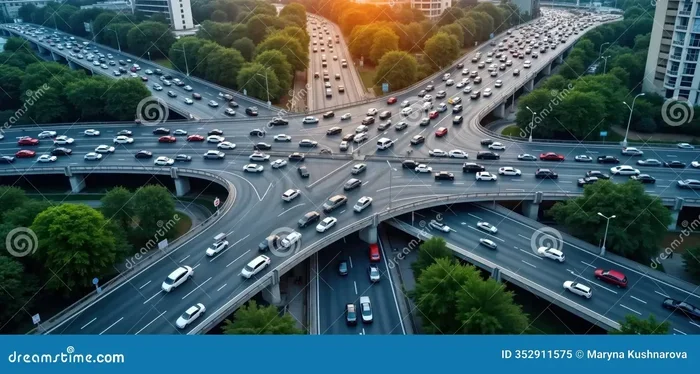
But here is where it gets interesting. At a crossroad, multiple vehicles move in different directions at the same time. One car might be going east while another goes north. A third might be turning from east to south. All of this happens in seconds. That is why understanding direction at intersections is so important.
Why Direction Matters at Intersections
Think of an intersection as a busy dance floor. Everyone is moving in different directions, and you need to know where each person is going. If you do not pay attention, you might step on toes, or worse, cause a crash.
When a car approaches a crossroad heading east, several things happen:
- The driver must check for traffic from the left and right.
- The driver needs to follow the correct lane markings for eastbound travel.
- The driver must obey traffic signals and signs specific to that direction.
- The driver should be aware of pedestrians crossing the eastbound lane.
All of these actions happen in a split second. And that is exactly why understanding crossroads direction is not just theory. It is a practical skill that keeps everyone safe.
How to Read a Crossroad and Understand Vehicle Direction
Reading a crossroad is like reading a map in real time. You need to process multiple pieces of information quickly. The position of the car, the direction it faces, and the road layout all tell you something about where it is going.
The Role of Cardinal Directions in Driving
Cardinal directions are the foundation of road navigation. When a car on the cross road is moving towards east, the driver is following the eastbound lane. Most roads are designed with a specific flow based on these directions. Eastbound roads typically carry traffic from the west side of a town toward the east side.
Here is a quick breakdown of the four cardinal directions and how they apply to crossroads:
- Northbound: Traveling from south to north.
- Southbound: Traveling from north to south.
- Eastbound: Traveling from west to east.
- Westbound: Traveling from east to west.
When you see a car moving east at a crossroad, you immediately know it came from the west. This simple fact helps you predict its next move. Will it go straight? Turn left? Turn right? The answer depends on the road layout and the driver’s intention.
Using GPS and Compass Direction While Driving
Modern GPS devices and smartphone maps rely heavily on cardinal directions. When your navigation app says “turn east,” it is telling you to head in the eastbound direction. Understanding this helps you follow directions more accurately.
Here are some quick tips for using GPS direction effectively:
- Always confirm the cardinal direction before making a turn.
- Do not rely solely on GPS. Use road signs and visual cues too.
- When a car on the cross road is moving towards east, check if your GPS confirms that direction.
- Practice reading compass direction in real-world driving situations.
GPS is a great tool, but it is not perfect. Sometimes the signal drops, or the app gives confusing instructions. That is when your understanding of basic directions like east, west, north, and south becomes your best backup.
Traffic Rules for Eastbound Movement at Crossroads
Every intersection has rules. These rules control how vehicles move through the crossroads and who goes first. When a car is moving east at a cross road, it must follow specific traffic regulations.
Right of Way at Intersections
Right of way is one of the most important concepts in intersection driving. It determines which vehicle gets to go first when two cars meet at a crossroads. The rules can vary depending on the type of intersection and the traffic signals in place.
Here are the basic right-of-way rules for eastbound traffic:
- At a green light: Eastbound traffic generally has the right of way to go straight or turn.
- At a stop sign: The first vehicle to arrive goes first. If two cars arrive at the same time, the vehicle on the right goes first.
- At a yield sign: Eastbound drivers must slow down and let other traffic pass before proceeding.
- At uncontrolled intersections: Use caution and follow the right-hand rule.
Understanding these rules helps you predict what the car on the cross road will do. If you see a car approaching from the west and moving east, you know it has certain rights and responsibilities based on the traffic control devices in place.
Traffic Signals and Road Signs for Eastbound Drivers
Traffic signals and road signs are designed to guide drivers safely through intersections. When you are driving eastbound at a crossroad, pay close attention to the following:
- Green arrow signals: These indicate which direction you are allowed to turn.
- Lane use signs: These tell you whether the eastbound lane is for going straight, turning left, or turning right.
- Speed limit signs: Intersections often have reduced speed limits to improve safety.
- Pedestrian crossing signals: These alert you when people are crossing the eastbound crosswalk.
Ignoring these signals is one of the most common mistakes drivers make at crossroads. Always stay alert and follow the posted signs and signals.
Common Mistakes Drivers Make at Crossroads
Even experienced drivers make mistakes at intersections. The good news is that most of these errors are preventable. Let us look at the most common ones and how to avoid them.
Misjudging the Direction of Other Vehicles
One of the biggest mistakes is misjudging which direction another car is moving. If a car on the cross road is moving towards east, you need to correctly identify that direction before you make your move. Misjudgment can lead to wrong turns, sideswipes, or worse.
Here is how to avoid this mistake:
- Always look at the front of the vehicle, not the rear.
- Check the road markings to confirm the lane direction.
- Use your mirrors and turn signals to communicate your own direction.
- Take a second to observe before entering the intersection.
Failing to Yield to Eastbound Traffic
Another common error is failing to yield to cars moving through the intersection. If you are turning and a car is going straight through the eastbound lane, you must let it pass first. Failing to do so is a leading cause of intersection accidents.
Distracted Driving at Crossroads
Distractions are dangerous everywhere, but they are especially risky at intersections. When a car on the cross road is moving towards east, you need your full attention. Put your phone away, keep your eyes on the road, and stay focused on the traffic around you.
Safety Tips for Navigating Crossroads
Safety should always come first when driving through intersections. A crossroad can be a dangerous place if you are not careful. Here are some practical tips to keep in mind.
Slow Down and Observe
Always slow down as you approach an intersection. Even if the light is green, do not speed through. Take a moment to look left, right, and then left again. This simple habit can save your life.
Watch for Pedestrians and Cyclists
Crossroads are not just for cars. Pedestrians and cyclists also use intersections. When a car is moving east through a crossroad, pedestrians may be crossing the eastbound lane. Always be prepared to stop for people on foot or on bikes.
Keep Your Eyes on the Road Ahead
Do not get tunnel vision. Look beyond the car directly in front of you. Scan the entire intersection. Watch for cars that might run a red light or fail to yield. Anticipating what other drivers might do is a key part of safe intersection navigation.
Use Your Mirrors Constantly
Your side mirrors and rearview mirror are your best friends at intersections. Check them before you turn, change lanes, or accelerate through a green light. A car on the cross road might be moving faster than you think, and your mirrors help you stay aware.
How GPS Navigation Handles Crossroad Directions
GPS navigation has changed the way we drive. It tells us when to turn, where to go, and which direction to follow. But how does GPS handle the concept of a car on the cross road is moving towards east?
GPS systems use a combination of satellite data, map databases, and compass direction to guide you. When the app detects that you are at a crossroad, it calculates the best route based on cardinal directions. If the next turn requires you to head east, the GPS will tell you to “turn east” or “continue eastbound.”
Here are some tips for using GPS effectively at crossroads:
- Set your destination before you start driving.
- Listen to the audio directions instead of staring at the screen.
- Confirm the direction with road signs before following GPS instructions.
- Update your maps regularly to ensure accurate directions.
- Do not rely on GPS alone. Use your own judgment at every intersection.
GPS is a helpful tool, but it is not infallible. Sometimes the signal is weak, or the map data is outdated. That is why understanding basic direction concepts like eastbound movement is so valuable. It gives you the knowledge to navigate even when technology fails.
Real-World Examples of Eastbound Crossroad Navigation
Let us look at a few real-world scenarios to bring this topic to life. These examples show how direction at a crossroad affects everyday driving.
Example 1: Driving Through a Busy City Intersection
Imagine you are driving through a busy city. You approach a crossroad where a car on the cross road is moving towards east. The traffic light is green for the eastbound lane. You are on the north-south road and want to turn right, which means you will be heading east. You must yield to the eastbound traffic already in the intersection before making your turn.
Example 2: Rural Crossroad with No Traffic Signals
Now imagine a quiet rural road with no traffic lights. You approach a crossroad and see a car moving east from the opposite direction. Since there are no signals, the right-of-way rules apply. You must determine who arrived first and proceed accordingly. If you both arrive at the same time, the vehicle on the right has the right of way.
Example 3: Highway On-Ramp Merging with Eastbound Traffic
On a highway, merging with eastbound traffic requires careful timing. You must match your speed to the flow of traffic moving east and find a safe gap to enter the lane. Watching how a car on the cross road is moving towards east helps you understand the speed and flow of the highway traffic.
Expert Insights on Crossroad Direction and Safe Driving
We spoke with driving instructors and traffic safety experts to get their top tips for navigating crossroads safely. Here is what they had to say.
Always assume other drivers will make mistakes. Even if you have the right of way, be prepared for the unexpected. A car on the cross road might run a red light or fail to yield. Defensive driving is your best protection.
Practice visual scanning. Good drivers scan the entire intersection, not just the car directly in front of them. Look for pedestrians, cyclists, and vehicles approaching from all directions. This habit takes practice but becomes second nature over time.
Know your local traffic laws. Intersection rules can vary from one jurisdiction to another. Some areas have specific rules for left turns, U-turns, and right of way at unmarked crossroads. Familiarize yourself with the laws in your area.
Key Takeaways
- Direction matters: Knowing which way a car moves at a crossroad helps you predict its path and drive safely.
- Eastbound driving has unique rules: Understanding eastward movement at intersections keeps you aware of traffic flow.
- Crossroads navigation is a key skill: Mastering direction at intersections builds confidence for new and experienced drivers.
- Road signs and signals guide you: Traffic lights and signs at cross roads help determine safe movement.
- GPS and compass direction go hand in hand: Modern tools rely on cardinal directions like east to guide you accurately.
- Safety at intersections saves lives: Understanding how cars move through crossroads reduces accident risk.
Conclusion
A car on the cross road is moving towards east is more than just a description of a vehicle’s direction. It is a window into the world of intersection navigation, traffic rules, and road safety. When you understand what eastbound movement means at a crossroads, you become a smarter, safer, and more confident driver.
From reading cardinal directions to following traffic signals, every piece of knowledge you gain makes you better prepared for the road ahead. Whether you are navigating a busy city intersection or a quiet rural crossroad, the principles stay the same. Slow down, stay alert, respect the right of way, and always pay attention to the direction of other vehicles.
So the next time you see a car moving east at a crossroad, you will know exactly what that means and how to respond. Drive safe, stay focused, and enjoy the journey.
Frequently Asked Questions
What does it mean when a car on the cross road is moving towards east?
It means the vehicle is traveling in the eastbound direction at an intersection. The car is moving from west to east along the crossroad, following the flow of the eastbound lane. Understanding this direction helps you predict the car’s path and react safely.
Why is direction important at crossroads?
Direction tells you which way a vehicle is going, which helps you anticipate its movements. At intersections, multiple cars move in different directions at the same time. Knowing the direction of each vehicle, including eastbound traffic, reduces confusion and lowers the risk of accidents.
How do I know if a car is moving east or west at an intersection?
Look at the road markings and the car’s position. Eastbound lanes are typically on the right side of the road in countries with right-hand traffic. If the car is heading from west to east, it is moving east. You can also use road signs and GPS direction indicators to confirm.
What are the right-of-way rules for eastbound traffic at a crossroad?
Eastbound traffic generally has the right of way when the light is green. At stop signs, the first car to arrive goes first. If two cars arrive at the same time, the vehicle on the right proceeds first. Always yield to pedestrians and cyclists in the crosswalk.
Can GPS help me understand direction at a crossroads?
Yes, GPS navigation uses cardinal directions like east, west, north, and south to guide you. When your app says “turn east,” it means to head in the eastbound direction. However, always confirm GPS directions with road signs and your own observation at every intersection.
What are the most common mistakes at crossroads?
The most common mistakes include misjudging vehicle direction, failing to yield to eastbound traffic, and distracted driving. Other errors include ignoring traffic signals, not checking blind spots, and rushing through yellow lights. Staying calm and focused helps you avoid these mistakes.