How Many MPG Does Your Toyota Highlander Hybrid Get
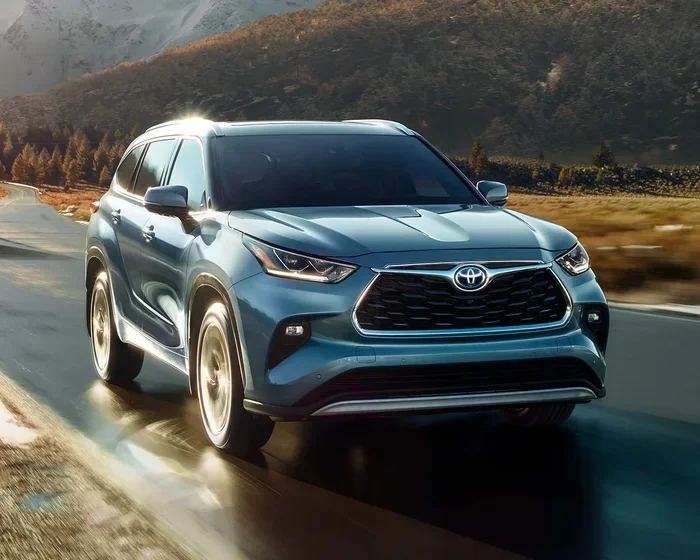
The Toyota Highlander Hybrid delivers an impressive 36 MPG combined rating, making it one of the most fuel-efficient three-row SUVs on the market. Whether you drive mostly city streets or highway miles, this hybrid SUV offers remarkable fuel efficiency that saves you money at the pump. Let us break down the numbers and show you how to get the most out of every gallon.
Have you been wondering about the fuel economy of the Toyota Highlander Hybrid? You are not alone. With gas prices swinging up and down, everyone wants to know how many miles per gallon their vehicle really gets. The Toyota Highlander Hybrid has earned a reputation as a smart choice for families who want power, space, and fuel efficiency all in one package.
This hybrid SUV pairs a powerful gasoline engine with an electric motor to deliver outstanding gas mileage. But the numbers on the window sticker are only part of the story. Real-world driving, road conditions, and your personal habits all play a role. In this guide, we will walk through everything you need to know about Toyota Highlander Hybrid MPG ratings, what affects them, and how you can squeeze every last mile out of each gallon.
Whether you are comparing SUVs or already own a Highlander Hybrid, this article has practical insights that will help you understand and improve your fuel economy. Let us dive right in.
Key Takeaways
- EPA Combined MPG: The Toyota Highlander Hybrid earns a strong 36 MPG combined rating across all trims.
- City Driving Advantage: Hybrid technology shines in stop-and-go traffic, delivering up to 36 MPG in the city.
- Highway Efficiency: You can expect around 35 MPG on the highway, which is excellent for a large SUV.
- Real-World Results: Actual owners report 32-38 MPG depending on driving habits and conditions.
- Fuel Savings: The hybrid system significantly reduces fuel costs compared to the gas-only Highlander.
- Driving Range: With a full tank, you can cover over 600 miles before needing to refuel.
- Maximize MPG: Simple habits like smooth acceleration and proper tire pressure boost your fuel economy.
📑 Table of Contents
- Toyota Highlander Hybrid MPG Ratings Explained
- City vs Highway: Where Does the Highlander Hybrid Shine?
- Real-World MPG: What Owners Are Actually Getting
- Factors That Affect Your Toyota Highlander Hybrid MPG
- Tips to Maximize Your Highlander Hybrid MPG
- How the Highlander Hybrid Compares to Other Hybrid SUVs
- Understanding the Toyota Hybrid Synergy Drive System
- Cost Savings: How Much Money Does the Highlander Hybrid Save?
- Common Mistakes That Lower Your Highlander Hybrid MPG
- Final Thoughts on Toyota Highlander Hybrid MPG
Toyota Highlander Hybrid MPG Ratings Explained
The Toyota Highlander Hybrid has been a standout in the hybrid SUV segment for several years now. Toyota designed it to offer the best of both worlds: the roominess and capability of a full-size SUV with the fuel efficiency of a hybrid powertrain. Here is a closer look at the official EPA ratings.
City MPG
The city MPG rating for the Toyota Highlander Hybrid is 36 miles per gallon. This is where hybrid technology truly shines. The electric motor handles low-speed driving and stops, which means the gas engine works less in traffic. If you commute through busy city streets daily, you will notice the difference at the pump. City driving is where hybrids like the Highlander really earn their keep.
Highway MPG
On the highway, the Highlander Hybrid delivers 35 MPG. That is remarkably good for a three-row SUV. The hybrid system uses regenerative braking to capture energy during coasting and downhill driving, which helps maintain strong fuel economy even at steady highway speeds. Long road trips become more affordable when your vehicle sips fuel instead of guzzling it.
Combined MPG
The combined MPG rating sits at 36 miles per gallon. This number represents a blend of city and highway driving and is the figure most people reference when comparing vehicles. The 36 combined MPG puts the Highlander Hybrid ahead of most non-hybrid SUVs in its class. It even competes well with smaller sedans and crossovers.
City vs Highway: Where Does the Highlander Hybrid Shine?
Understanding the difference between city and highway fuel economy helps you set realistic expectations. Not all driving is the same, and your daily routine matters a lot.
Why City Driving Boosts Hybrid MPG
Hybrid vehicles like the Toyota Highlander thrive in city conditions. The electric motor takes over during low-speed driving and when you are stopped at lights. The gas engine shuts off automatically, which saves fuel. Every time you brake, the regenerative braking system recaptures energy and stores it in the hybrid battery. This cycle of electric driving and energy recapture is what makes city MPG so strong.
If your daily drive involves stop-and-go traffic, you will likely see MPG numbers that match or even exceed the EPA rating. Many owners report getting 34 to 38 MPG in mixed city driving. That is a fantastic return for a vehicle that can seat up to eight passengers.
Highway Driving and MPG
Highway driving is more predictable, but it also puts more demand on the engine. At steady speeds of 65 to 75 mph, the gas engine does most of the work. However, the Highlander Hybrid still performs well. The electric motor assists during acceleration, reducing the load on the gas engine. Most owners find that their highway MPG stays close to the 35 MPG EPA rating.
One tip for highway drivers: use cruise control on flat roads. Maintaining a steady speed helps the hybrid system optimize fuel use. Avoiding aggressive passing maneuvers also keeps your miles per gallon higher.
Real-World MPG: What Owners Are Actually Getting
The EPA provides a lab-tested estimate, but real-world results can differ. Many Toyota Highlander Hybrid owners share their actual fuel economy data online, and the numbers are encouraging.
Owner Reports and Feedback
Owners consistently report real-world MPG in the range of 32 to 38 miles per gallon. Several factors influence these numbers:
- Driving style: Smooth, gentle acceleration leads to better MPG.
- Terrain: Flat roads yield higher MPG than hilly routes.
- Climate: Hot and cold weather can slightly reduce fuel economy.
- Load: Carrying heavy cargo or towing affects MPG.
- Tire pressure: Underinflated tires reduce efficiency.
Many owners who primarily drive in suburban areas with moderate highway miles report an average of around 34 to 36 MPG. That is right in line with the EPA numbers and confirms that the Highlander Hybrid delivers on its promises.
How Far Can You Go on a Full Tank?
With a fuel tank capacity of around 17.9 gallons and a combined MPG of 36, the Toyota Highlander Hybrid can travel over 600 miles on a single tank. That is a huge advantage for road trips and long commutes. You spend less time at gas stations and more time enjoying the drive. If you want to learn more about how far a car can go on empty, check out our guide on how far a car can go on empty.
Factors That Affect Your Toyota Highlander Hybrid MPG
Several factors influence how many miles per gallon your Highlander Hybrid achieves. Understanding these can help you make adjustments that improve your fuel efficiency.
Driving Habits
Your driving style is the single biggest factor. Aggressive acceleration, hard braking, and speeding all burn more fuel. Smooth, gradual acceleration and gentle braking let the hybrid system work efficiently. Think of it as driving with a light foot. The hybrid powertrain rewards patience with better MPG.
Vehicle Load and Cargo
Carrying extra weight forces the engine to work harder. If you haul heavy items on the roof or fill every seat with passengers and gear, your MPG will drop. Keeping your cargo light and removing roof racks when not in use helps maintain strong fuel economy. The Highlander Hybrid seats up to eight, but filling every seat every trip will impact your gas mileage.
Weather and Temperature
Extreme temperatures affect hybrid performance. In cold weather, the battery is less efficient and the heating system uses more energy. In hot weather, air conditioning draws power. These effects are temporary and usually minor, but they can reduce your city MPG by a few miles during the worst of winter or summer.
Road Conditions and Terrain
Stop-and-go city traffic actually helps the hybrid system, as we discussed. But rough roads, steep hills, and construction zones can lower MPG. If your commute includes a lot of elevation changes, expect slightly lower fuel economy. Planning routes with flatter terrain can help you maximize your miles per gallon.
Maintenance and Vehicle Health
A well-maintained Highlander Hybrid runs more efficiently. Regular oil changes, clean air filters, and properly aligned wheels all contribute to better MPG. The hybrid battery should also be kept in good condition. If you notice a drop in fuel economy, it may be time for a service check. Keeping up with maintenance ensures your hybrid vehicle performs at its best for years to come.
Tips to Maximize Your Highlander Hybrid MPG
Want to get the most out of every gallon? Here are practical tips that real owners swear by. These simple changes can boost your fuel efficiency noticeably.
- Accelerate gently: Press the accelerator pedal slowly and smoothly. This lets the electric motor handle initial movement, saving gas.
- Use cruise control: On highways, cruise control maintains a steady speed and reduces unnecessary fuel consumption.
- Check tire pressure monthly: Properly inflated tires reduce rolling resistance and improve MPG.
- Remove excess weight: Clean out your trunk and cargo area. Every extra pound costs you a little fuel.
- Plan your routes: Avoid heavy traffic and construction when possible. Smooth driving beats stop-and-go every time.
- Use ECO mode: The Highlander Hybrid comes with an ECO mode that optimizes power delivery for better fuel economy.
- Keep up with maintenance: Regular service keeps every system running efficiently, from the engine to the hybrid battery.
These tips are easy to follow and do not require any special tools or mechanical knowledge. Just small changes in how you drive and care for your vehicle can lead to meaningful improvements in Toyota Highlander Hybrid MPG.
How the Highlander Hybrid Compares to Other Hybrid SUVs
The Toyota Highlander Hybrid competes with several other hybrid SUVs in the market. How does its fuel economy stack up?
| Vehicle | City MPG | Highway MPG | Combined MPG |
|---|---|---|---|
| Toyota Highlander Hybrid | 36 | 35 | 36 |
| Toyota RAV4 Hybrid | 41 | 38 | 40 |
| Ford Explorer Hybrid | 28 | 27 | 27 |
| Chevrolet Traverse (Gas Only) | 17 | 27 | 21 |
As you can see, the Highlander Hybrid offers excellent fuel efficiency for its size. It may not match the smaller RAV4 Hybrid in raw MPG numbers, but it provides more seating and cargo space. For families who need three rows of seating, the Highlander Hybrid is hard to beat. If you want to learn whether the Highlander can last 300,000 miles, we have covered that in our article on can a Toyota Highlander last 300,000 miles.
Understanding the Toyota Hybrid Synergy Drive System
The secret behind the Highlander Hybrid’s impressive MPG lies in Toyota’s Hybrid Synergy Drive system. This technology has been refined over decades and is the reason Toyota hybrids consistently deliver strong fuel economy.
How the Hybrid Powertrain Works
The system uses two motors: a gasoline engine and an electric motor. They work together seamlessly. At low speeds, the electric motor drives the wheels. During acceleration, the gas engine kicks in and the electric motor assists. When you brake, the electric motor reverses and acts as a generator, converting kinetic energy back into electricity. This electricity charges the hybrid battery, which powers the electric motor later. The whole process happens automatically and without any input from you.
The Role of the Hybrid Battery
The hybrid battery is a nickel-metal hydride (NiMH) pack in the Highlander Hybrid. It is designed to last the lifetime of the vehicle. Toyota has engineered these batteries to be durable and reliable. If you are curious about jump-starting a Toyota hybrid, we have a helpful guide on can you jump start a Toyota hybrid car.
Why This System Saves Fuel
Because the gas engine does not have to work as hard, it uses less fuel. The electric motor handles the heavy lifting during low-speed driving, and the regenerative braking system recycles energy that would otherwise be wasted. This is why hybrid SUVs like the Highlander achieve such strong MPG ratings compared to their gas-only counterparts.
Cost Savings: How Much Money Does the Highlander Hybrid Save?
Better fuel economy means real savings at the pump. Let us do the math.
Assuming an average gas price of $3.50 per gallon and 15,000 miles driven per year, the Highlander Hybrid would use about 417 gallons annually (based on 36 combined MPG). A comparable gas-only SUV getting 22 MPG would use around 682 gallons. That is a difference of 265 gallons per year. At $3.50 per gallon, the Highlander Hybrid saves you roughly $928 per year in fuel costs.
Over five years of ownership, those savings add up to nearly $4,600. Over the life of the vehicle, the savings can be substantial. This is one of the biggest advantages of choosing a hybrid vehicle. The higher upfront cost pays for itself through lower fuel expenses.
Common Mistakes That Lower Your Highlander Hybrid MPG
Avoiding these common mistakes can help you maintain strong fuel economy over time.
- Aggressive driving: Fast starts and hard braking waste fuel and reduce MPG significantly.
- Ignoring tire pressure: Underinflated tires create more rolling resistance, forcing the engine to work harder.
- Carrying unnecessary weight: Heavy items in the trunk or on the roof increase fuel consumption.
- Skipping maintenance: Dirty air filters, old oil, and misaligned wheels all hurt MPG.
- Excessive idling: Idling burns fuel without moving. Turn off the engine if you are stopped for more than a minute.
- Using A/C excessively: Air conditioning puts a load on the engine. Use it wisely, especially in city driving.
Most of these mistakes are easy to avoid with simple awareness. A little attention to how you drive and maintain your vehicle goes a long way toward preserving your Toyota Highlander Hybrid MPG.
Final Thoughts on Toyota Highlander Hybrid MPG
The Toyota Highlander Hybrid delivers outstanding fuel economy for a three-row SUV. With 36 MPG city, 35 MPG highway, and 36 MPG combined, it stands out as one of the most efficient vehicles in its class. The hybrid powertrain and regenerative braking system work together to maximize every drop of fuel.
Real-world owners confirm these numbers and enjoy significant savings at the pump. Whether you drive in the city, on the highway, or a mix of both, the Highlander Hybrid offers a driving experience that is both powerful and efficient. By following the tips in this guide, you can get the most out of your vehicle’s MPG potential.
If you are in the market for a reliable, spacious, and fuel-efficient family SUV, the Toyota Highlander Hybrid deserves a spot at the top of your list. And if you want to learn more about how long a Toyota can last, check out our article on can a Toyota last 500,000 miles. For those wondering about seating capacity, we also have a detailed look at whether the Highlander can seat six in our article can a Toyota Highlander seat 6.
Drive smart, maintain your vehicle, and enjoy the savings that come with a Toyota Highlander Hybrid. Your wallet will thank you every time you fill up.
Frequently Asked Questions
What is the Toyota Highlander Hybrid MPG?
The Toyota Highlander Hybrid gets 36 MPG in the city, 35 MPG on the highway, and 36 MPG combined according to the EPA. These ratings make it one of the most fuel-efficient three-row SUVs available. Actual MPG may vary based on driving conditions and habits.
Is the Toyota Highlander Hybrid good on gas?
Yes, the Highlander Hybrid is excellent on gas. Its hybrid powertrain delivers strong fuel economy for a vehicle of its size. Most owners report real-world MPG in the 32 to 38 range, which is impressive for a three-row SUV.
How does the Highlander Hybrid compare to the gas-only version in MPG?
The hybrid version significantly outperforms the gas-only Highlander in fuel economy. The gas-only model typically gets around 20 to 22 MPG combined, while the hybrid achieves 36 MPG combined. That is nearly double the fuel efficiency.
Can you improve the MPG of a Toyota Highlander Hybrid?
Yes, you can improve MPG by adopting smooth driving habits, maintaining proper tire pressure, reducing excess cargo weight, and keeping up with regular maintenance. Using ECO mode and cruise control on highways also helps maximize fuel efficiency.
Does the Toyota Highlander Hybrid have a good driving range?
Yes, with a fuel tank of around 17.9 gallons and a combined MPG of 36, the Highlander Hybrid can travel over 600 miles on a single tank. This makes it a great choice for long road trips and daily commuting without frequent stops to refuel.
Why does the Highlander Hybrid get better MPG in the city?
The hybrid system uses the electric motor for low-speed driving and stops, which means the gas engine shuts off in traffic. Regenerative braking captures energy during stops and stores it for later use. This cycle makes city driving the most fuel-efficient scenario for hybrid vehicles like the Highlander Hybrid.