How Long Do Toyota Starters Last and Why It Matters
The average Toyota starter motor lasts between 100,000 and 150,000 miles, but driving habits and maintenance play a huge role in longevity. Knowing the warning signs early can save you from unexpected breakdowns and costly repairs. This guide covers everything you need to know about Toyota starter lifespan, replacement costs, and how to keep your ignition system running strong.
Every Toyota owner wants their car to start without hesitation. That satisfying hum when you turn the key or press the push button comes from a small but mighty component called the starter motor. Yet most drivers never think about this part until something goes wrong. So how long do Toyota starters actually last? The answer depends on several factors, including your driving habits, maintenance routine, and the specific Toyota model you drive.
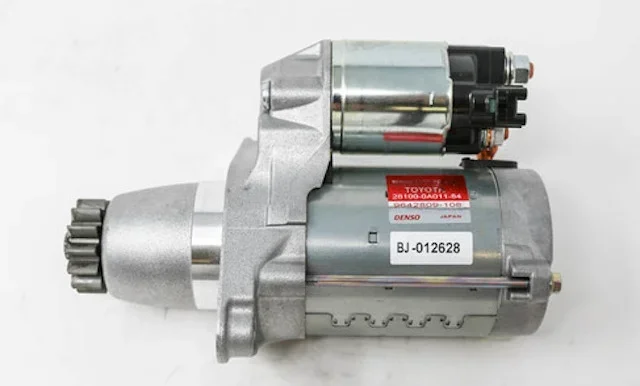
A Toyota starter motor is an electrical component that engages the engine’s flywheel to crank the engine. Without it, your car simply won’t start. Most drivers expect their starter to work flawlessly for years. But the reality is that starters wear out over time, just like any other mechanical part. Understanding how long they last and what affects their lifespan helps you stay ahead of problems.
In this guide, we will cover everything you need to know about Toyota starter lifespan. You will learn the average mileage range, common signs of a failing starter, replacement costs, and practical tips to extend your starter’s life. Whether you drive a Toyota Corolla, a Toyota Camry, or a high-mileage workhorse, this article has you covered.
Key Takeaways
- Average Lifespan: A Toyota starter motor typically lasts 100,000 to 150,000 miles under normal conditions.
- Driving Habits Matter: Frequent short trips and excessive cranking can shorten your starter’s life significantly.
- Warning Signs: Clicking noises, slow cranking, and intermittent starting are clear indicators of a failing starter.
- Replacement Cost: Expect to pay between $300 and $600 for parts and labor combined.
- Maintenance Tips: Regular battery checks and proper engine warm-up routines help extend starter life.
- DIY vs. Professional: Some owners can replace a starter themselves, but professional installation ensures proper alignment and function.
📑 Table of Contents
How Long Do Toyota Starters Last on Average?
The typical Toyota starter lifespan falls between 100,000 and 150,000 miles. However, this range is not set in stone. Some Toyota owners report starters lasting well beyond 200,000 miles with proper care. Others experience starter failure much earlier, sometimes at the 60,000-mile mark. The wide range depends on how you use and maintain your vehicle.
Factors That Affect Starter Lifespan
Several factors determine how long your Toyota starter will last. Let us break them down so you understand what you can control and what you cannot.
- Driving Habits: If you frequently take short trips under three miles, your starter engages more often without the engine reaching full operating temperature. This creates extra wear on the starter motor and its internal components.
- Climate Conditions: Extreme cold makes the engine oil thicker and harder to turn over. Your starter works harder in freezing temperatures, which accelerates wear over time. Hot climates can also cause heat damage to the starter’s electrical connections.
- Battery Health: A weak battery forces the starter to draw more current to crank the engine. This extra electrical load generates more heat and stress on the starter motor. Keeping your car battery in good condition directly benefits your starter.
- Engine Condition: If your engine has low compression or worn piston rings, the starter must work harder to turn the engine. A well-maintained engine places less strain on the starter.
- Quality of Replacement Parts: Using OEM (Original Equipment Manufacturer) starters versus aftermarket parts can make a significant difference in longevity. OEM starters are designed specifically for your Toyota model and meet factory standards.
Starter Lifespan by Toyota Model
Different Toyota models place different demands on the starter motor. Here is a general overview of what you can expect based on popular Toyota models.
- Toyota Corolla: The Corolla is known for reliability, and its starter often lasts 120,000 to 160,000 miles with normal driving.
- Toyota Camry: Camry owners typically report starter longevity in the 100,000 to 150,000-mile range, depending on driving conditions.
- Toyota RAV4: The RAV4’s starter tends to last around 110,000 to 140,000 miles, especially in colder climates where winter starts are harder on the system.
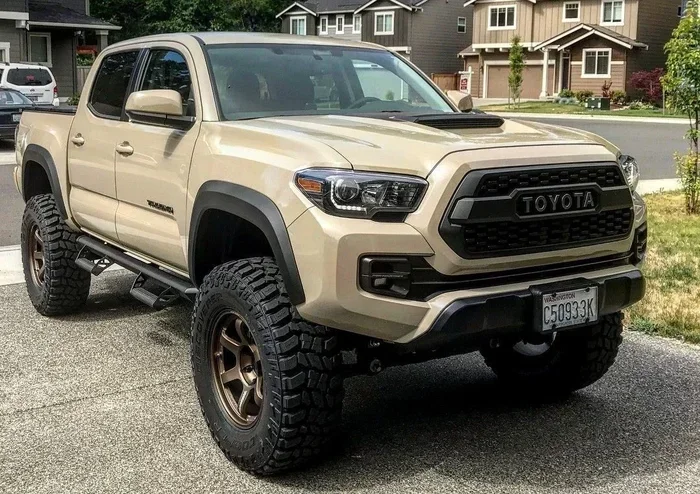
- Toyota Tacoma: Truck owners who haul heavy loads may experience starter wear closer to the 100,000-mile mark due to increased engine strain.
- Toyota Highlander: With proper maintenance, the Highlander starter can last 130,000 miles or more under normal driving conditions.
Keep in mind that these are general estimates. Your actual experience may vary based on the factors mentioned above. For more information on how long your Toyota vehicle can last overall, check out our guide on How Many Miles Can A Car Last.
Signs Your Toyota Starter Is Failing
Catching a failing starter early can save you from getting stranded. Most starters give clear warning signs before they completely fail. Learning to recognize these signals gives you time to schedule a repair before you are stuck in a parking lot with a car that won’t start.
1. Clicking Noise When Turning the Key
A single loud click or rapid clicking when you turn the ignition key is one of the most common starter motor symptoms. This sound usually means the starter solenoid is engaging but the motor itself is not spinning properly. The solenoid is the electrical switch that sends power to the starter motor. When you hear clicking, the solenoid is trying to do its job but something is preventing the motor from turning.
2. Slow or Sluggish Cranking
If your engine takes longer than usual to turn over, your starter may be weakening. A healthy starter cranks the engine quickly and decisively. When the starter motor’s internal brushes wear down or the solenoid weakens, the cranking speed drops. This is especially noticeable on cold mornings when the engine needs more effort to turn over.
3. Intermittent Starting Problems
Sometimes the starter works fine one day and fails the next. Intermittent starting problems often point to a worn starter motor or loose electrical connections. If your car starts sometimes and not others, do not ignore it. This is a classic sign of a starter that is on its way out. You might also notice that your service light comes on when the starter is struggling, which can be cleared following our guide on How Do I Clear My Service Light.
4. Grinding Noise During Startup
A grinding or whining noise when you turn the key means the starter gear is not properly engaging with the engine’s flywheel. This can happen when the starter motor wears out or when the mounting bolts loosen. Ignoring a grinding noise can lead to damage to the flywheel, which is a much more expensive repair.
5. Starter Stays Engaged After Starting
After your engine starts, the starter motor should automatically disengage. If you hear a grinding or whirring noise that continues after the engine is running, the starter’s solenoid may be stuck. This prevents the starter gear from retracting from the flywheel, causing damage to both components.
How Much Does It Cost to Replace a Toyota Starter?
Understanding the starter replacement cost helps you budget for the repair and decide whether to tackle it yourself or visit a professional. The total cost varies based on your Toyota model, the year, and whether you choose OEM or aftermarket parts.
Parts Cost Breakdown
The starter motor itself typically costs between $150 and $350 for most Toyota models. Higher-end models or newer Toyota vehicles may have starters that cost closer to $400 or more. Aftermarket starters are generally cheaper but may not last as long as OEM replacements. If you want the best longevity, we recommend going with the OEM part designed for your specific Toyota model.
Labor Costs
Labor costs for replacing a Toyota starter typically range from $150 to $300. The job usually takes one to three hours depending on the engine layout and accessibility of the starter motor. Some Toyota models have the starter in an easy-to-reach location, while others require removing additional components to access it. On average, you can expect the total starter replacement cost to fall between $300 and $600.
DIY vs. Professional Installation
Experienced DIYers with basic mechanical skills can replace a Toyota starter themselves. The job requires basic tools like a socket set, wrenches, and a multimeter. However, if you are not comfortable working with electrical components, it is best to let a professional handle the job. Improper installation can damage the starter or other engine components. For those who prefer professional service, you can learn more about what to expect from your local mechanic’s hourly rate to understand what you are paying for.
How to Extend Your Toyota Starter’s Life
The good news is that you can take simple steps to help your Toyota starter last longer. Most of these tips are easy to follow and require no special tools or mechanical expertise.
1. Give Your Engine a Few Seconds Before Driving
When you start your Toyota, wait a few seconds before moving the gear shift. This allows the oil to circulate and reduces the strain on the starter motor. Many drivers start the car and immediately try to drive off. This habit puts extra load on the starter because the engine has not yet built up proper oil pressure.
2. Avoid Excessive Cranking
If your car does not start right away, wait at least 30 seconds between attempts. Each crank puts significant wear on the starter motor. Repeated attempts without a break can overheat the starter and damage its internal components. If your car refuses to start after a few tries, check the battery or fuel system before trying again.
3. Keep Your Battery Healthy
A weak battery is the starter’s worst enemy. When the battery cannot deliver full power, the starter motor must work harder to crank the engine. Have your battery tested regularly, especially before winter. Most auto parts stores offer free battery testing. Replace your battery every three to five years or sooner if you notice slow cranking.
4. Address Electrical Issues Promptly
Loose or corroded battery terminals can cause voltage drops that strain the starter motor. Inspect your battery connections regularly and clean any corrosion with a wire brush. If you notice flickering dashboard lights or dim headlights when starting the car, these could be signs of an electrical issue that is also affecting your starter.
5. Follow Your Toyota Maintenance Schedule
Sticking to your Toyota’s recommended maintenance schedule helps catch potential issues before they affect the starter. When you get regular oil changes and engine inspections, your mechanic can spot early warning signs of starter wear. You can also reset your maintenance required light after service using our guide on How Can I Reset My Maintenance Required Light.
Common Mistakes That Shorten Starter Life
Many drivers unknowingly shorten the life of their Toyota starter through everyday habits. Being aware of these mistakes helps you avoid them and protect your starter motor.
- Leaving Accessories On Before Starting: Running the headlights, radio, or air conditioning before starting the engine draws power from the battery. This means the starter has less power available and must work harder to crank the engine.
- Ignoring Warning Signs: Many drivers brush off early symptoms like occasional clicking or slow cranking. These are clear signals that the starter is wearing out. Addressing them early prevents a complete failure that leaves you stranded.
- Using the Wrong Starter: Installing an incorrect starter can cause improper engagement with the flywheel, leading to premature wear and potential engine damage. Always use the part number specified for your Toyota model and year.
- Skipping Regular Maintenance: Neglecting routine maintenance like battery checks and electrical system inspections means small problems go unnoticed until they cause starter failure.
When to Replace vs. Repair Your Toyota Starter
Not every starter problem requires a full replacement. Sometimes a simple repair can bring your starter back to life and save you hundreds of dollars.
Repairable Issues:
- Loose electrical connections that just need tightening or cleaning
- A faulty starter solenoid that can be replaced separately
- Worn brushes inside the starter motor that a technician can replace
Replacement Needed When:
- The starter motor has internal damage to the armature or field coils
- The gear mechanism is worn or damaged beyond repair
- The starter housing is cracked or damaged
- Repeated repairs have not resolved the problem
If you are unsure whether to repair or replace, have a trusted mechanic diagnose the issue. A professional assessment ensures you do not spend money on a repair that will only fail again soon. For more on how long car repairs take, check out our article on How Long Does It Take To Fit A New Bumper as a reference for typical repair timelines.
Final Thoughts
Your Toyota starter motor is a hardworking component that deserves your attention. With an average lifespan of 100,000 to 150,000 miles, most Toyota owners will only need to replace their starter once or twice during the life of the vehicle. By understanding the warning signs, maintaining your electrical system, and adopting smart driving habits, you can help your starter last as long as possible.
Remember that the starter does not work alone. It is part of a larger ignition system that includes the battery, alternator, and electrical connections. Taking care of the entire system ensures reliable starts every time. If you notice any of the warning signs discussed in this article, do not wait for the problem to get worse. Address it early and you will avoid the inconvenience and expense of a complete starter failure on the side of the road.
Your Toyota is built to last, and with the right care, its starter will keep up with the rest of the vehicle for many miles to come. Stay proactive, stay informed, and your Toyota will reward you with countless reliable starts.
Frequently Asked Questions
How do I know if my Toyota starter is going bad?
Watch for clicking noises when you turn the key, slow cranking, intermittent starting problems, or grinding sounds during startup. These are the most common starter motor symptoms that indicate wear or failure. If you notice any of these signs, have your starter inspected by a professional as soon as possible.
Can I drive my Toyota with a bad starter?
No, a failing starter will eventually prevent your car from starting altogether. While you might be able to drive for a short period if the starter is intermittent, this is risky. You could get stranded unexpectedly. It is best to address starter problems early before they leave you unable to start your vehicle.
What is the average cost to replace a Toyota starter?
The total cost typically ranges from $300 to $600, which includes both parts and labor. The starter motor part itself costs between $150 and $350, while labor runs from $150 to $300 depending on your Toyota model and the accessibility of the starter. OEM parts may cost more but tend to last longer.
How can I make my Toyota starter last longer?
Avoid excessive cranking, give your engine a few seconds to warm up before driving, keep your battery healthy, and address electrical issues promptly. Regular maintenance and gentle starting habits reduce the strain on your starter motor and help it reach its full lifespan potential.
Does cold weather affect Toyota starter life?
Yes, cold weather can shorten starter life because thickened engine oil makes the engine harder to turn over. The starter must work harder in freezing temperatures, which generates more heat and wear on the motor. If you live in a cold climate, pay extra attention to your battery health and starting habits.
How long does it take to replace a Toyota starter?
A professional mechanic typically needs one to three hours to replace a Toyota starter, depending on the model and engine layout. Some Toyota models have easily accessible starters that take less time, while others require removing additional components. If you are doing it yourself, allow extra time for diagnosis and careful installation.