How Many Gallons Does a 2007 Toyota Camry Hold Exactly
The 2007 Toyota Camry holds approximately 15.8 gallons of fuel in its standard tank. This sedan offers solid fuel economy with around 21–25 MPG depending on the engine and driving conditions. Understanding your fuel tank capacity helps you plan trips, avoid running on empty, and get the most out of every fill-up.
Few things frustrate a driver more than guessing how much gas is left. Whether you are commuting daily or planning a road trip, knowing your fuel tank size matters. The 2007 Toyota Camry is one of the most popular sedans on the road. It is reliable, comfortable, and efficient. But one question comes up again and again: how many gallons does a 2007 Toyota Camry hold exactly?
The answer is straightforward. The standard fuel tank capacity for the 2007 Camry is 15.8 gallons. This number stays the same whether you drive the four-cylinder or the V6 version. But there is more to know than just the number on the spec sheet. Your actual range, fuel economy, and driving experience all depend on several factors that we will explore in detail.
In this guide, we break down everything you need to know about the 2007 Camry fuel system. From tank size to real-world mileage, we have you covered. Let us dive in.
Key Takeaways
- Standard Capacity: The 2007 Camry fuel tank holds 15.8 gallons across all trims and engine options.
- Two Engine Choices: The 4-cylinder and V6 models share the same tank size but differ in fuel economy.
- Real-World Range: On a full tank, you can expect 330–400+ miles depending on driving habits.
- Fuel Gauge Tips: The low fuel light typically leaves about 2–3 gallons remaining.
- Maximize Efficiency: Simple habits like smooth driving and proper tire pressure boost your MPG significantly.
- Owner’s Manual Matters: Always refer to your specific manual for exact specifications and recommendations.
📑 Table of Contents
- Understanding the 2007 Toyota Camry Fuel Tank
- Fuel Tank Capacity by Engine Type
- Real-World Fuel Economy: What to Expect
- How Far Can a 2007 Camry Go on a Full Tank?
- Tips for Maximizing Your Camry’s Fuel Efficiency
- Common Mistakes Camry Owners Make with Fuel
- How the 2007 Camry Compares to Other Toyotas
- Maintenance Tips for Your Camry’s Fuel System
- Final Thoughts
Understanding the 2007 Toyota Camry Fuel Tank
The 2007 Toyota Camry belongs to the fifth generation of this iconic sedan. Toyota designed it with a focus on comfort, reliability, and efficiency. The gas tank size was carefully chosen to balance range with vehicle weight. A 15.8-gallon tank gives you plenty of driving range without making the car feel heavy.
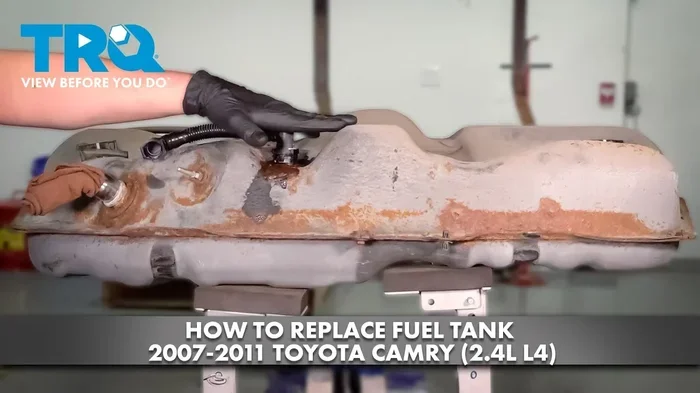
Toyota used a standard steel fuel tank for the 2007 model year. This tank sits in the rear of the vehicle, underneath the trunk floor. It is a sealed system that includes a fuel pump, fuel level sensor, and evaporation controls. All of these components work together to deliver fuel smoothly and safely to the engine.
Why Tank Size Matters
Knowing your fuel tank capacity helps you in several practical ways. First, it tells you how far you can go before needing to fill up. Second, it helps you estimate fuel costs for your daily commute or long trips. Third, it gives you a baseline for comparing different vehicles. A larger tank means fewer stops, but it also adds weight. Toyota found the sweet spot with 15.8 gallons for the Camry.
For comparison, many compact sedans hold around 12 to 14 gallons. Larger SUVs and trucks can hold 20 gallons or more. The Camry sits right in a comfortable middle ground. It gives you enough range for most driving needs without excessive weight or cost.
Fuel Tank Capacity by Engine Type
The 2007 Camry came with two main engine options. Both engines share the same 15.8-gallon fuel tank. However, they differ significantly in how they use that fuel. Let us look at each engine type in detail.
The 2.4-Liter Four-Cylinder Engine
The base 2007 Camry came equipped with a 2.4-liter inline-four engine. This engine produced 158 horsepower and 161 pound-feet of torque. It was paired with either a five-speed manual or a four-speed automatic transmission.
The four-cylinder Camry delivered an EPA-estimated fuel economy of:
- City: 21 miles per gallon
- Highway: 30 miles per gallon
- Combined: 24 miles per gallon
With a full 15.8-gallon tank, the four-cylinder Camry could theoretically travel about 474 miles on the highway. In city driving, you would get closer to 332 miles per tank. Real-world numbers usually fall somewhere in between, but these estimates give you a solid picture.
The 3.5-Liter V6 Engine
The V6 version of the 2007 Camry came with a 3.5-liter V6 engine. This more powerful option produced 268 horsepower and 248 pound-feet of torque. It was only available with a five-speed automatic transmission.
The V6 engine used more fuel. Its EPA estimates were:
- City: 19 miles per gallon
- Highway: 28 miles per gallon
- Combined: 22 miles per gallon
Despite the lower fuel economy, the V6 still uses the same 15.8-gallon tank. On the highway, you could expect around 442 miles per tank. In the city, that number drops to about 300 miles. The V6 gives you more power but requires more frequent fill-ups.
Quick Comparison Table
| Spec | 2.4L 4-Cylinder | 3.5L V6 |
|---|---|---|
| Fuel Tank Capacity | 15.8 gallons | 15.8 gallons |
| City MPG | 21 | 19 |
| Highway MPG | 30 | 28 |
| Combined MPG | 24 | 22 |
| Highway Range (Full Tank) | ~474 miles | ~442 miles |
| City Range (Full Tank) | ~332 miles | ~300 miles |
As you can see, the engine choice affects your range more than your tank size. Both engines give you the same 15.8 gallons, but the V6 uses it faster. If fuel economy is a top priority, the four-cylinder is the clear winner.
Real-World Fuel Economy: What to Expect
EPA estimates are a great starting point, but real-world results can vary. Many 2007 Camry owners report different numbers depending on their driving habits, location, and vehicle condition. Let us look at what you can realistically expect.
Factors That Affect Your Fuel Economy
Several things influence how many miles you get per gallon in your Camry:
- Driving Style: Aggressive acceleration and hard braking waste fuel. Smooth, steady driving improves your MPG significantly.
- Speed: Driving at high speeds on the highway increases aerodynamic drag. Most vehicles get their best fuel economy between 45 and 65 mph.
- Traffic Conditions: Stop-and-go city driving uses more fuel than steady highway cruising.
- Climate: Cold weather reduces fuel efficiency. The engine takes longer to reach optimal operating temperature.
- Vehicle Maintenance: Dirty air filters, old spark plugs, and low tire pressure all hurt your fuel economy.
- Load: Carrying heavy cargo or towing a trailer increases fuel consumption.
Owner Reports and Real Numbers
Based on owner reports from fuel tracking apps and forums, the average 2007 Camry owner gets between 20 and 28 MPG combined. The four-cylinder models tend to cluster around 23–26 MPG in mixed driving. V6 models usually fall in the 18–22 MPG range. These numbers align well with EPA estimates, which gives you confidence in the official ratings.
If you want to track your own fuel economy, keep a simple log. Record your mileage and the number of gallons each time you fill up. After a few tanks, you will have a clear picture of your real-world fuel efficiency.
How Far Can a 2007 Camry Go on a Full Tank?
This is one of the most common questions Camry owners ask. The answer depends on your engine, driving conditions, and habits. But with a 15.8-gallon tank, the 2007 Camry offers impressive range.
Using the EPA estimates from earlier, here is what you can expect:
- Four-Cylinder Highway: Up to 474 miles
- Four-Cylinder City: Up to 332 miles
- V6 Highway: Up to 442 miles
- V6 City: Up to 300 miles
In mixed driving, a realistic estimate for the four-cylinder is around 375 to 400 miles per tank. The V6 will give you roughly 350 to 375 miles. These numbers make the 2007 Camry a great choice for long road trips. You can go long stretches between fill-ups, which adds to the convenience and value of this vehicle.
One thing to keep in mind: the low fuel warning light does not mean you have zero fuel left. Most vehicles, including the 2007 Camry, still have about 2 to 3 gallons in the tank when the light comes on. This gives you a small buffer to find a gas station. If you want to know exactly how much fuel remains when the light activates, check out our article on how many gallons are left when the light comes on. It covers this topic in detail.
Also, if you are curious about how far your car can go on empty or how full tank range compares across vehicles, our guide on how many gallons is a full tank of gas provides helpful context for understanding fuel capacity across different makes and models.
Tips for Maximizing Your Camry’s Fuel Efficiency
Getting the best fuel economy from your 2007 Camry is easier than you might think. Small changes in your driving habits and maintenance routine can add up to significant savings over time. Here are practical tips that actually work.
Drive Smoothly
Avoid rapid acceleration and hard braking. These habits burn fuel unnecessarily. Instead, accelerate gently and coast to stops when safe. Smooth driving can improve your MPG by 10 to 15 percent. That is a meaningful difference over the life of your vehicle.
Keep Your Tires Properly Inflated
Underinflated tires create more rolling resistance. This forces your engine to work harder and use more fuel. Check your tire pressure at least once a month. The recommended pressure for the 2007 Camry is typically listed on the driver’s side door jamb. Keeping tires at the correct pressure is one of the simplest ways to boost your vehicle fuel efficiency.
Reduce Excess Weight
Extra weight in your car means extra work for your engine. Remove items you do not need from your trunk and back seat. Every 100 pounds of extra weight can reduce your MPG by about 1 percent. Keep your Camry light and efficient.
Use the Right Motor Oil
Using the manufacturer-recommended motor oil can improve fuel economy by 1 to 2 percent. Look for oil marked with the correct viscosity grade, which is usually 5W-30 for the 2007 Camry. Check your owner’s manual or consult a trusted mechanic if you are unsure.
Plan Your Trips
Combining errands into a single trip saves fuel. A warmed-up engine runs more efficiently than a cold one. Try to group your tasks so you make fewer cold starts. This simple habit can noticeably improve your overall fuel economy over time.
Common Mistakes Camry Owners Make with Fuel
Even the best drivers make mistakes that hurt their fuel economy. Here are common errors to avoid with your 2007 Camry.
Waiting Too Long to Fill Up
Some drivers wait until the tank is almost empty before refueling. This can strain the fuel pump, which sits inside the tank and relies on fuel for cooling. Running on low fuel regularly can shorten the life of your fuel pump. It also leaves you vulnerable to running out of gas in inconvenient locations.
Overfilling the Tank
Topping off your tank after the pump clicks off might seem harmless. In reality, it can damage the evaporative emissions system. This system captures fuel vapors and prevents them from escaping into the atmosphere. Overfilling can cause liquid fuel to enter the charcoal canister, leading to costly repairs.
Ignoring the Check Engine Light
A check engine light can indicate problems that reduce fuel efficiency. A loose gas cap, faulty oxygen sensor, or misfiring spark plug can all hurt your MPG. If your check engine light comes on, get it checked promptly. Ignoring it can cost you money at the pump.
Using the Wrong Gasoline Grade
The 2007 Camry is designed to run on regular unleaded gasoline. There is no benefit to using premium fuel unless your owner’s manual specifically recommends it. Using premium gas in a vehicle designed for regular is a waste of money. Stick with the recommended octane rating and save your dollars.
How the 2007 Camry Compares to Other Toyotas
The 2007 Camry is part of a long line of reliable Toyota sedans. If you are curious about how it stacks up against other Toyota models, the numbers are encouraging. The Camry offers a competitive fuel tank size and solid range for its class. Many owners wonder about long-term ownership costs and reliability.
If you are considering a Camry for high-mileage use, you might ask yourself, can a Camry last 300,000 miles? The answer is yes, with proper maintenance, many Camrys have crossed the 300,000-mile mark. The 2007 Toyota Camry is well-built and designed for longevity. Its fuel system is straightforward and reliable, which makes it easy to maintain over the years.
For owners wondering about how their current Camry is aging, our article on can a Camry last 300 provides valuable insights into the long-term durability of this popular sedan.
Maintenance Tips for Your Camry’s Fuel System
Keeping your fuel system in good shape ensures your Camry runs efficiently and reliably. Here are some maintenance tips to follow:
- Replace the fuel filter: The 2007 Camry has an inline fuel filter that should be replaced every 30,000 to 40,000 miles. A clogged filter restricts fuel flow and reduces performance.
- Use quality gasoline: Buy fuel from reputable stations. Dirty or contaminated fuel can damage your fuel injectors and engine.
- Inspect fuel lines: Over time, rubber fuel lines can crack or leak. Have your mechanic check them during regular service visits.
- Clean the throttle body: A dirty throttle body can affect idle quality and fuel delivery. Cleaning it every 30,000 miles helps maintain smooth operation.
- Check the fuel pump: If you notice hesitation or stalling, the fuel pump may be failing. Early detection prevents costly breakdowns.
These simple maintenance steps keep your fuel system working properly. They also help you maintain the best possible fuel economy from your 2007 Camry.
Final Thoughts
The 2007 Toyota Camry holds exactly 15.8 gallons of fuel. This number applies to both the four-cylinder and V6 models. With this tank size, you get a practical and efficient driving experience. Whether you commute to work or hit the open road, the Camry gives you the range you need without unnecessary stops.
Understanding your fuel tank capacity is just the first step. Pairing that knowledge with good driving habits and regular maintenance helps you get the most out of every gallon. The 2007 Camry remains a smart choice for anyone who values reliability, efficiency, and long-term value.
If you are a current Camry owner, use the tips in this guide to improve your fuel economy. If you are shopping for a used Camry, the 2007 model year offers a proven combination of tank capacity, fuel efficiency, and durability. It is a sedan that continues to earn its reputation as one of the best in its class.
Keep this information handy the next time you pull into a gas station. Knowing your vehicle’s fuel capacity and how to maximize it puts you in control of your driving experience and your wallet.
Frequently Asked Questions
What is the fuel tank capacity of a 2007 Toyota Camry?
The 2007 Toyota Camry has a fuel tank capacity of 15.8 gallons. This applies to both the four-cylinder and V6 engine variants. The tank size is consistent across all trims and configurations for this model year.
How far can a 2007 Camry go on a full tank of gas?
On a full 15.8-gallon tank, a 2007 Camry can travel between 300 and 475 miles depending on the engine and driving conditions. The four-cylinder highway model can reach up to 474 miles, while the V6 city model gets around 300 miles. Real-world results typically fall somewhere in between these estimates.
Does the 2007 Camry V6 have a bigger gas tank than the four-cylinder?
No, both the V6 and four-cylinder 2007 Camry models share the same 15.8-gallon fuel tank. The difference lies in fuel economy, not tank size. The V6 uses more fuel per mile, so you will need to fill up more often despite having the same tank capacity.
What type of gasoline does a 2007 Toyota Camry need?
The 2007 Toyota Camry runs on regular unleaded gasoline with an octane rating of 87. There is no need for premium fuel unless your owner’s manual specifically states otherwise. Using the recommended fuel type helps maintain optimal engine performance and fuel economy.
How can I check my Camry’s exact fuel level?
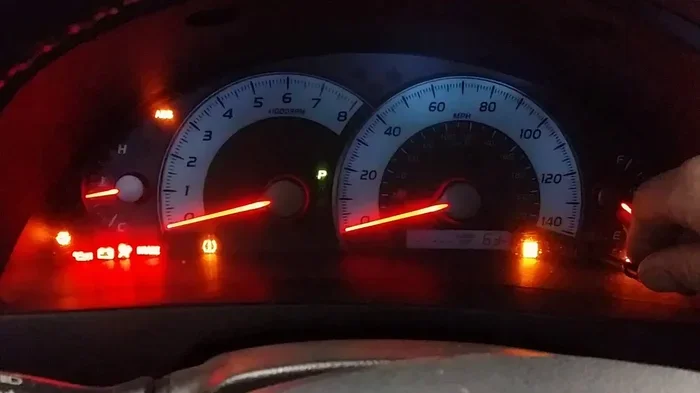
Your 2007 Camry has a fuel gauge on the dashboard that shows your current fuel level. The gauge includes markings for empty, quarter tank, half tank, three-quarter tank, and full. For more precise readings, you can manually measure fuel by recording the number of gallons added each time you fill up and tracking your mileage.
Why does my 2007 Camry’s fuel gauge read differently after filling up?
Fuel gauge readings can vary slightly due to factors like temperature, driving angle, and fuel sloshing in the tank. The fuel level sensor uses a float mechanism that can take a moment to settle after filling up. If you notice consistent inaccuracies, the fuel level sending unit may need inspection or replacement.
=== CONCLUSION ===
The 2007 Toyota Camry holds exactly 15.8 gallons of fuel in its standard tank. This capacity works well for daily commuting, highway cruising, and road trips alike. Whether you drive the efficient four-cylinder or the powerful V6, knowing your tank size helps you plan your fuel stops and budget for gas costs. Combine this knowledge with the maintenance tips and driving habits shared in this guide, and you will get the best possible experience from your Camry. Keep your tank full, your tires inflated, and your driving smooth, and your 2007 Camry will reward you with reliable performance and solid fuel economy for years to come.