How Long Will a Toyota Tundra Last in Real World Use
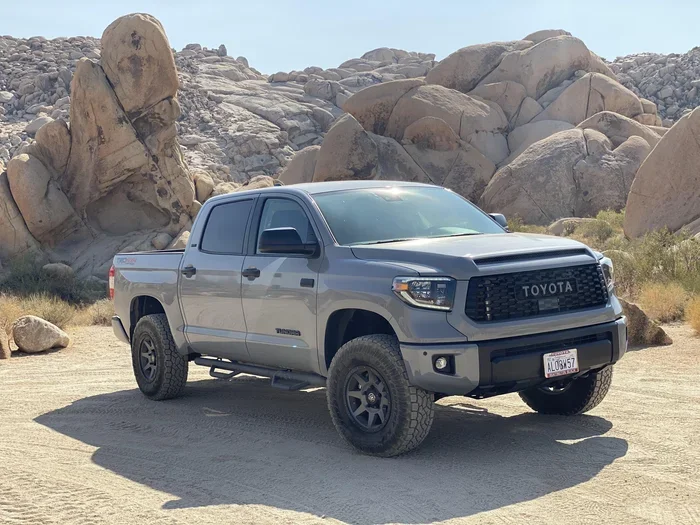
The Toyota Tundra is a full-size pickup truck known for its durability and long service life. Most well-maintained Tundras can last between 200,000 and 300,000 miles before needing major repairs. With proper Toyota Tundra maintenance, regular oil changes, and timely part replacements, this truck can easily become a reliable long-term workhorse.
The Toyota Tundra has been a staple in the full-size pickup truck market for over two decades. It has earned a reputation for being tough, reliable, and built to handle heavy workloads. But one question keeps coming up from buyers and current owners alike: how long will a Toyota Tundra actually last?
The answer depends on several factors. Driving habits, maintenance schedules, road conditions, and even climate all play a role. In this article, we will break down everything you need to know about Toyota Tundra longevity. You will learn what the numbers say, what common problems to watch for, and how to get the most miles out of your truck.
## What the Numbers Say About Toyota Tundra Longevity
When we talk about how long a vehicle lasts, mileage is the most common benchmark. Most automotive experts agree that a well-built truck should comfortably reach the 200,000-mile mark. The Toyota Tundra often exceeds that expectation.
According to data from owner surveys and automotive platforms, the average Toyota Tundra lifespan falls between 200,000 and 300,000 miles. Some owners have even pushed their trucks past 350,000 miles with minimal major repairs. This is impressive for a full-size pickup truck.
But mileage alone does not tell the full story. The condition of the engine, transmission, and frame matters just as much. A truck with 250,000 miles that has been maintained properly can feel stronger than one with 100,000 miles that has been neglected.
### How Does the Tundra Compare to Other Trucks?
The Tundra competes with trucks like the Ford F-150, Chevrolet Silverado, and Ram 1500. In terms of longevity, the Tundra holds its own. While some competitors may reach similar mileage numbers, the Tundra is often praised for its simpler drivetrain and robust construction.
When compared to how many miles a car can last in general, trucks like the Tundra tend to outperform sedans and SUVs. The reason is straightforward. Trucks are built with heavier-duty components. The frame, suspension, and engine are designed to handle stress over many years.
## The 5.7 Liter V8 Engine: Built to Endure
The heart of the Toyota Tundra is its engine. Most models come equipped with a 5.7 liter V8 that delivers strong performance and remarkable durability. This engine has been a favorite among truck enthusiasts for years.
The 5.7 liter V8 is known for its ability to handle heavy towing and high mileage without breaking down. It uses a cast-iron block and aluminum heads, which gives it a good balance of strength and heat management. Many mechanics consider this engine one of the most reliable V8 options in the full-size truck segment.
### How Many Horsepower Does the 5.7 Liter V8 Produce?
The 5.7 liter V8 produces around 381 horsepower and 401 pound-feet of torque. These numbers are impressive for a naturally aspirated engine. More importantly, the engine is designed to last. With regular oil changes and proper care, the 5.7 liter V8 can easily exceed 250,000 miles.
You can learn more about the specific horsepower output of this engine in our detailed breakdown of how much HP a 5.7 liter V8 has.
### Engine Maintenance Tips for Longevity
Keeping your engine in top shape is the single most important thing you can do. Here are some practical tips:
– Change your oil every 5,000 to 7,500 miles using quality synthetic or conventional oil.
– Replace the oil filter with every oil change.
– Check coolant levels regularly and flush the system every 60,000 miles.
– Inspect the serpentine belt for cracks and replace it as needed.
– Listen for unusual noises like knocking or ticking and address them immediately.
These simple steps can add tens of thousands of miles to your engine’s life.
## Common Toyota Tundra Problems That Affect Lifespan
No truck is perfect, and the Toyota Tundra is no exception. While it is generally reliable, certain issues can shorten its lifespan if left unaddressed. Knowing what to watch for can save you thousands of dollars in repairs.
### Rust and Corrosion
Rust is one of the biggest enemies of any truck. The Tundra is particularly susceptible to rust in the bed, rocker panels, and frame. In regions where salt is used on roads during winter, rust can become a serious problem.
Regularly washing the undercarriage of your truck can help prevent rust. Applying a rust inhibitor or protective coating is also a smart move. If you notice any rust spots forming, address them immediately before they spread.
### Transmission Wear
The Tundra typically comes with a six-speed automatic transmission. While this transmission is generally reliable, it can develop problems over time. Common issues include rough shifting, slipping gears, and delayed engagement.
Transmission problems often arise when the fluid is not changed regularly. Fresh transmission fluid keeps everything running smoothly. If you notice any shifting issues, get it checked by a qualified mechanic right away.
### Suspension and Steering Components
The Tundra is a heavy truck, and its suspension takes a beating over the years. Common wear items include ball joints, tie rod ends, and control arm bushings. These parts are relatively inexpensive to replace, but ignoring them can lead to more serious damage.
If you notice clunking noises over bumps or steering wander, have your suspension inspected. Catching these issues early can prevent costly repairs down the road.
### Electrical Gremlins
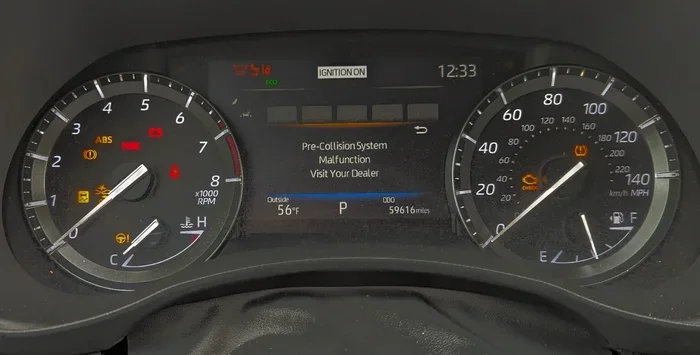
Older Tundra models, particularly those from the early 2000s, are known for occasional electrical issues. These can range from faulty window regulators to intermittent gauge failures. While these problems are rarely dangerous, they can be frustrating.
Keeping connectors clean and replacing worn wiring harnesses can help prevent electrical gremlins from turning into bigger problems.
## Maintenance Tips to Maximize Your Toyota Tundra Life
Prevention is always better than cure. A proactive maintenance schedule is the best way to ensure your Tundra lasts as long as possible. Here is a practical guide to keeping your truck in excellent shape.
### Follow the Manufacturer’s Service Schedule
Toyota provides a detailed maintenance schedule for every Tundra model. This schedule outlines when to change fluids, replace filters, and inspect key components. Following it to the letter is the foundation of long-term reliability.
Key service intervals to remember include:
– Oil and filter change: every 5,000 to 7,500 miles
– Transmission fluid change: every 60,000 to 100,000 miles
– Coolant flush: every 60,000 miles
– Brake fluid flush: every 30,000 miles
– Timing belt inspection: at 90,000 miles and every 30,000 miles after
### Use Quality Parts and Fluids
Using genuine Toyota parts or high-quality aftermarket alternatives makes a real difference. Cheap fluids and low-grade parts may save money upfront but can cause problems down the road. Invest in quality every time.
### Keep the Truck Clean
This might sound simple, but keeping your Tundra clean extends its life. Regular washing removes salt, dirt, and debris that can cause corrosion. Waxing the exterior protects the paint, and cleaning the interior prevents wear on seats and surfaces.
### Store It Properly
If you live in a harsh climate, proper storage matters. Park in a garage when possible. Use a car cover if outdoor parking is unavoidable. Extreme heat and cold can accelerate wear on rubber seals, hoses, and other components.
## Real World Mileage: What Owners Are Reporting
Numbers on paper are helpful, but real-world owner experiences paint the truest picture. Across forums, social media, and owner surveys, Tundra owners consistently report impressive longevity.
Many owners report crossing the 200,000-mile mark with only routine maintenance. Some have gone beyond 300,000 miles and are still driving their trucks daily. The most common factor among these long-lasting Tundras is consistent maintenance.
### What Owners Say About Daily Driving
Tundra owners who use their trucks for daily driving and light towing tend to see the best longevity results. The engine and transmission are not pushed to their limits, and regular use keeps all components lubricated and functioning properly.
On the other hand, trucks that sit unused for long periods can develop issues. Seals dry out, fluids degrade, and batteries lose charge. If you own a Tundra but do not drive it often, make sure to start it regularly and take it on a proper drive to keep everything in working order.
### How Far Can You Go on a Single Tank?
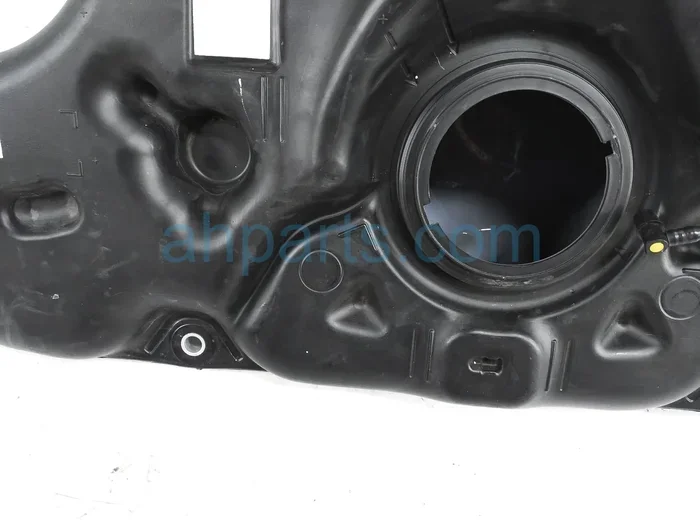
Fuel range is another factor that affects how you use and maintain your truck. The Tundra’s fuel tank holds approximately 26 gallons, giving it a respectable driving range. Understanding your fuel range helps you plan maintenance stops and avoid running on empty.
You can learn more about how far a car can go on empty and how to maximize your fuel range in our dedicated guide.
## Is the Toyota Tundra Worth the Long-Term Investment?
When you factor in the purchase price, maintenance costs, and expected lifespan, the Toyota Tundra comes out ahead for many buyers. The initial cost of a new Tundra is competitive with other full-size trucks. But the long-term value is where it truly shines.
A well-maintained Tundra can easily serve its owner for 15 to 20 years. Over that time, the cost per mile of ownership tends to be lower than many competitors. The truck also holds its resale value remarkably well, which helps offset the initial investment.
### The Bottom Line
The Toyota Tundra is a truck built to last. Its powerful 5.7 liter V8 engine, sturdy frame, and proven reliability make it one of the best choices for anyone looking for a long-term full-size truck. With proper care and attention, your Tundra can easily become a dependable companion for decades.
If you are considering a Toyota Tundra or already own one, the key is simple. Take care of it, address problems early, and drive it regularly. The truck will reward you with years of reliable service.
For those interested in how Toyota vehicles compare in terms of longevity, check out our article on whether a Toyota can last 500,000 miles.
Key Takeaways
- Longevity: A properly cared for Toyota Tundra can last 200,000 to 300,000 miles or more.
- Engine Strength: The 5.7 liter V8 engine is a major reason for the Tundra’s impressive lifespan.
- Maintenance Matters: Regular oil changes, fluid flushes, and timing belt replacements dramatically extend truck life.
- Common Issues: Rust, transmission wear, and suspension problems are the most frequent lifespan reducers.
- Real World Data: Many Tundra owners report crossing the 250,000-mile mark with only routine repairs.
- Resale Value: The Tundra holds its value well, making it a smart long-term investment.
Frequently Asked Questions
How many miles can a Toyota Tundra last?
Most well-maintained Toyota Tundra trucks last between 200,000 and 300,000 miles. Some owners have reported going beyond 350,000 miles with only routine repairs. The key factor is consistent maintenance and proper care.
What is the average lifespan of a Toyota Tundra?
The average lifespan of a Toyota Tundra is around 15 to 20 years. This assumes regular oil changes, timely fluid replacements, and prompt attention to any mechanical issues. Driving habits and climate also play a role in how long the truck lasts.
Is the Toyota Tundra more reliable than other full-size trucks?
The Tundra is generally considered very reliable compared to competitors like the Ford F-150 and Chevrolet Silverado. Its simpler drivetrain and robust construction contribute to its longevity. However, all trucks require proper maintenance to reach their full lifespan potential.
What is the most common problem with the Toyota Tundra?
Rust is the most commonly reported issue, especially in northern states where road salt is used. Transmission rough shifting and suspension wear are also frequent concerns. Regular undercarriage washing and timely fluid changes can help prevent most of these problems.
Does the Toyota Tundra require expensive maintenance?
Toyota Tundra maintenance costs are generally moderate for a full-size truck. Oil changes, brake pads, and filters are reasonably priced. Major repairs like transmission work or engine work can be costly, but these are rare if the truck is properly maintained.
Can a Toyota Tundra last 300,000 miles?
Yes, a Toyota Tundra can absolutely last 300,000 miles. Many owners have achieved this milestone with consistent maintenance and careful driving. The 5.7 liter V8 engine and durable chassis are specifically designed to handle high mileage over many years.
=== CONCLUSION ===
The Toyota Tundra is a truck that is built to go the distance. With a proven 5.7 liter V8 engine, a strong frame, and a reputation for reliability, it stands out in the full-size pickup truck category. Most Tundras will comfortably last between 200,000 and 300,000 miles when properly maintained.
The secret to maximizing your Toyota Tundra lifespan is simple. Stay on top of oil changes, flush fluids on schedule, address rust early, and never ignore warning signs. These habits will keep your truck running strong for years to come.
Whether you use your Tundra for work, towing, or daily driving, it is a truck that rewards those who take care of it. Invest in regular maintenance, drive with care, and your Toyota Tundra will be by your side for a very long time.