How Long Do Toyota 4Runner Engines Last on Average
The Toyota 4Runner engine is built to last, with most units reaching 200,000 to 300,000 miles when properly maintained. Regular oil changes, coolant flushes, and timely spark plug replacements play a huge role in extending engine life. Whether you own a newer model or a classic, understanding what keeps the engine healthy helps you get the most miles out of your truck.
The Toyota 4Runner has earned a reputation as one of the toughest, most reliable SUVs on the road. People buy them, drive them hard, and still expect them to keep running decades later. But one question keeps coming up in forums and garages alike: how long do Toyota 4Runner engines last on average?
The answer is more encouraging than most car owners expect. With the right care and a little luck, a 4Runner engine can easily surpass 250,000 miles. Some owners push well past 300,000 miles without a major engine overhaul. That kind of durability does not happen by accident. It comes down to the engineering, the maintenance habits, and the way people drive these trucks.
This article breaks down everything you need to know about 4Runner engine lifespan. You will learn what the numbers look like across different generations, what factors speed up or slow down engine wear, and the simple maintenance steps that keep your engine humming for years to come.
Key Takeaways
- Average Lifespan: Most Toyota 4Runner engines last between 200,000 and 300,000 miles with proper care.
- Maintenance Matters: Staying on top of oil changes, coolant flushes, and spark plug replacements dramatically extends engine life.
- Toyota Reliability: The 4Runner has a long-standing reputation for durability, ranking among the most reliable SUVs on the road.
- Driving Habits Count: Gentle driving, avoiding overheating, and regular inspections all contribute to a longer engine lifespan.
- Engine Rebuilds Are Possible: Even high-mileage 4Runner engines can often be rebuilt rather than replaced, saving significant money.
- Generational Differences: Newer 4Runner models feature improved materials and technology that further boost engine longevity.
📑 Table of Contents
- How Long Do Toyota 4Runner Engines Last on Average?
- Why Toyota 4Runner Engines Are Built to Last
- Factors That Affect 4Runner Engine Life
- Common 4Runner Engine Problems to Watch For
- How to Maximize Your 4Runner Engine Life
- Engine Replacement vs. Rebuild: What Makes Sense?
- The 4Runner’s Reputation for Reliability
- How to Tell If Your 4Runner Engine Is Wearing Out
- Final Thoughts on Toyota 4Runner Engine Longevity
How Long Do Toyota 4Runner Engines Last on Average?
When people ask about Toyota 4Runner engine lifespan, they usually want a single number they can hang their hat on. The honest answer depends on several factors, but a solid baseline exists. Most Toyota 4Runner engines last between 200,000 and 300,000 miles before needing a major rebuild or replacement.
Compare that to the average SUV, which might start showing serious engine trouble around 150,000 miles, and the 4Runner stands out. Toyota engineers designed these engines with durability in mind. The materials, the cooling systems, and the overall architecture all point toward long-term reliability.
Of course, averages only tell part of the story. Some 4Runners fall short of the 200,000-mile mark, while others keep going well beyond 300,000 miles. What separates the two groups usually comes down to three things: maintenance, driving habits, and a bit of good fortune with manufacturing quality.
What the Numbers Look Like Across Generations
The 4Runner has gone through several generations, and each one brought improvements. Here is a quick look at how different generations perform in terms of engine longevity.
- 1984-1995 (First Generation): These early 4Runners came with simpler engines. Many owners report 200,000 to 250,000 miles with basic maintenance.
- 1996-2002 (Second Generation): The engines in this era saw slight refinements. Owners commonly hit the 250,000-mile mark.
- 2003-2009 (Third Generation): This generation is widely regarded as a golden era for the 4Runner. The 4Runner V6 engine in these models is legendary for its durability.
- 2010-Present (Fourth and Fifth Generations): Newer models benefit from improved materials and better engineering. Many early examples are already crossing the 200,000-mile threshold with ease.
Why Toyota 4Runner Engines Are Built to Last
Toyota does not just get lucky with the 4Runner. The company has spent decades refining its engine designs, and the 4Runner benefits from that experience. Several key factors give the 4Runner engine its legendary staying power.
Simple, Proven Engineering
Toyota keeps things simple when it comes to the 4Runner engine. The designs use tried-and-true components rather than overly complex technology. Fewer moving parts and simpler systems mean fewer things can go wrong. This philosophy has served Toyota well for decades and is a big reason why Toyota durability is so well respected.
High-Quality Materials
The engine block, cylinder heads, and internal components are made from robust materials that withstand years of heavy use. The cast iron blocks in many 4Runner engines resist warping and cracking, even under stress. This is especially important for owners who use their 4Runners for towing or off-road adventures.
Overbuilt for Real-World Use
Toyota often overbuilds its engines compared to what the average driver needs. That extra margin of strength means the engine handles hard use better and lasts longer. This is one reason why the 4Runner off-road durability is so highly rated among truck enthusiasts.
Factors That Affect 4Runner Engine Life
Not every 4Runner engine reaches the 300,000-mile mark. Several factors influence how long any individual engine will last. Understanding these factors helps you make smarter decisions about maintenance and driving habits.
Maintenance Habits
This is the single biggest factor within your control. A 4Runner that receives regular oil changes, coolant flushes, and spark plug replacements will almost always outlast one that does not. Here is what matters most:
- Oil Changes: Changing your oil every 5,000 to 7,500 miles keeps the engine internals lubricated and clean.
- Coolant Flushes: Overheating is one of the fastest ways to destroy an engine. Fresh coolant prevents this.
- Spark Plug Replacement: Worn spark plugs cause incomplete combustion, which stresses the engine over time.
- Air Filter Changes: Clean air filters ensure proper airflow, which keeps combustion efficient.
Driving Style
How you drive your 4Runner matters more than you might think. Aggressive acceleration, frequent hard braking, and redlining the engine all accelerate wear. Gentle, steady driving puts less stress on internal components and helps the engine last longer.
Climate and Operating Conditions
Extreme heat, extreme cold, and dusty environments all take a toll on engines. If you live in a harsh climate or frequently drive in dusty conditions, you may need to adjust your maintenance schedule accordingly.
Fuel Quality
Using low-quality fuel can lead to carbon buildup and engine knock over time. Stick with reputable gas stations and the recommended fuel grade for your specific 4Runner model.
Towing and Load Capacity
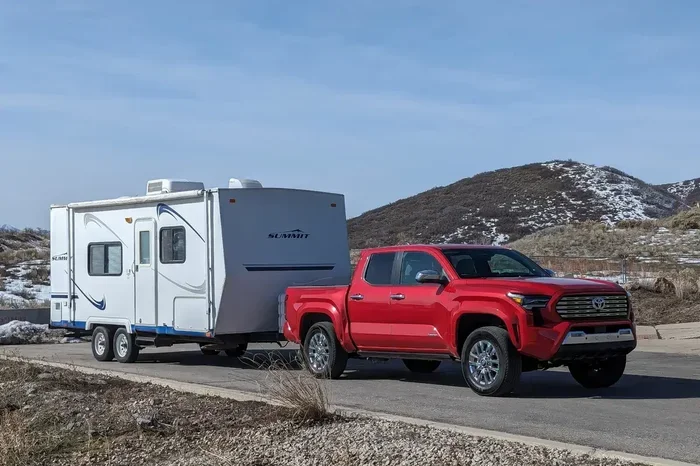
The 4Runner is a capable tow vehicle, but constantly hauling heavy loads puts extra strain on the engine. If you regularly tow near your 4Runner’s maximum capacity, expect the engine to wear faster than a lightly used example.
Common 4Runner Engine Problems to Watch For
Even the most reliable engines develop issues over time. Catching these problems early can prevent minor repairs from turning into major engine damage.
Oil Consumption
Some 4Runner models, particularly older ones, tend to burn oil over time. If you notice your oil level dropping between changes, get it checked. Persistent oil consumption can lead to engine damage if left unaddressed.
Coolant Leaks
Coolant leaks can start small but quickly become serious. A leaky radiator hose or a failing water pump can lead to overheating, which is one of the fastest ways to ruin an engine. Inspect your cooling system regularly.
Timing Chain Wear
Some 4Runner generations use timing chains that can stretch over time. A stretched timing chain causes rough idling and reduced performance. Replacing a timing chain early is far cheaper than dealing with engine damage from a broken chain.
Sensor Failures
Modern 4Runners rely on various sensors to manage engine performance. When sensors fail, they can cause poor fuel economy, rough running, or even trigger warning lights. Most sensor replacements are inexpensive and straightforward.
How to Maximize Your 4Runner Engine Life
Want your 4Runner engine to keep running strong well past 200,000 miles? Follow these practical tips.
Stick to the Maintenance Schedule
Toyota provides a detailed maintenance schedule for every 4Runner model. Follow it closely. Do not skip oil changes or delay coolant flushes. The cost of routine maintenance is tiny compared to the cost of an engine rebuild.
Address Problems Early
Unusual noises, warning lights, or changes in performance should never be ignored. The longer you wait, the worse the problem usually gets. A quick trip to the mechanic can save you thousands of dollars in engine repairs.
Use Quality Parts and Fluids
Cheap oil, off-brand spark plugs, and low-quality coolant may save a few dollars upfront but can cost you dearly in the long run. Invest in quality parts and fluids that meet or exceed Toyota specifications.
Let the Engine Warm Up
Cold engines wear faster than warm ones. Give your 4Runner a minute or two to warm up before driving hard, especially in cold weather.
Monitor Your Mileage
Keep track of your mileage and watch for patterns. If you are approaching 200,000 miles, start paying extra attention to any subtle changes in engine behavior. Early detection of issues at high mileage can make the difference between a simple repair and a full engine replacement.
If you are curious about how long cars in general can last with proper care, check out our guide on how many miles a car can last for broader insights.
Engine Replacement vs. Rebuild: What Makes Sense?
When a 4Runner engine does reach the end of its life, owners usually face a choice: replace the engine or rebuild it. Both options have pros and cons.
Engine Replacement
A new or remanufactured engine gives you a fresh start. The cost is higher, typically ranging from $4,000 to $7,000 for a 4Runner, but you get a warranty and the peace of mind that comes with a newer engine. If your 4Runner is in good overall condition, a replacement engine can add another 200,000 miles of service.
Engine Rebuild
A rebuild involves disassembling the existing engine, replacing worn parts, and reassembling it. The cost is usually lower than a full replacement, but it takes more time and labor. A quality rebuild can extend engine life by another 100,000 miles or more.
For owners wondering about overall vehicle longevity, it is also worth noting that the 4Runner is one of those rare SUVs where the body and frame often outlast the engine. If you keep up with engine maintenance, your 4Runner can easily become a long-term companion.
The 4Runner’s Reputation for Reliability
Toyota has built its brand on reliability, and the 4Runner is a shining example. The SUV consistently ranks near the top of reliability surveys and owner satisfaction studies. When people talk about vehicles that last 300,000 miles, the 4Runner always comes up in the conversation.
This reputation is not just marketing hype. It comes from decades of real-world data from millions of 4Runner owners. The truck has survived multiple generations of competition, and each new version has only strengthened its standing as a go-to choice for buyers who want a vehicle that will keep running for years.
For comparison, if you are curious about how other Toyota models hold up over time, our article on whether a Toyota can last 500,000 miles explores the broader Toyota durability picture.
How to Tell If Your 4Runner Engine Is Wearing Out
Knowing the warning signs of engine wear helps you take action before a small problem becomes a big one.
- Excessive Smoke: Blue or white smoke from the exhaust can indicate burning oil or coolant leaks.
- Knocking Sounds: A persistent knock from the engine bay often signals worn bearings or internal damage.
- Loss of Power: If your 4Runner feels sluggish or struggles to accelerate, the engine may be losing compression.
- Increased Oil Consumption: Needing to add oil between changes is a red flag worth investigating.
- Check Engine Light: Never ignore this light. It is your engine’s way of telling you something needs attention.
Final Thoughts on Toyota 4Runner Engine Longevity
The Toyota 4Runner engine is one of the most durable powertrains in the automotive world. With an average lifespan of 200,000 to 300,000 miles, it easily outlasts most competitors. The key to unlocking that kind of longevity lies in consistent maintenance, smart driving habits, and addressing problems before they spiral.
If you take care of your 4Runner, it will take care of you. The truck rewards owners who show up for regular oil changes, who listen to unusual sounds, and who treat the engine with respect. Whether you use your 4Runner for daily commuting, weekend adventures, or heavy-duty towing, the engine is up to the task.
So if you are shopping for a used 4Runner, do not let high mileage scare you off. A well-maintained 4Runner with 200,000 miles on the clock still has plenty of life left in its engine. And if you already own one, keep doing what you are doing. Your 4Runner engine is built to go the distance.
For owners concerned about engine health and cooling systems, our article on how long a car can overheat before damage occurs offers valuable insights into protecting your engine from heat-related damage.
Frequently Asked Questions
How many miles can a Toyota 4Runner engine last?
Most Toyota 4Runner engines last between 200,000 and 300,000 miles when properly maintained. Some owners have pushed their engines well past 300,000 miles with diligent care and regular servicing.
What is the most reliable 4Runner generation for engine longevity?
The third generation (2003-2009) is widely considered the most reliable. The 4Runner V6 engine from this era has a strong track record of durability and is often cited by owners as the gold standard for longevity.
How often should I change the oil in my 4Runner to maximize engine life?
Toyota recommends oil changes every 5,000 to 7,500 miles for most 4Runner models. Staying on top of this schedule is one of the simplest and most effective ways to extend your engine lifespan.
Is it worth rebuilding a high-mileage 4Runner engine?
Yes, in most cases. A rebuild typically costs less than a full engine replacement and can add another 100,000 miles or more. If the rest of the truck is in good condition, rebuilding the engine is often the smarter financial choice.
What causes a 4Runner engine to wear out prematurely?
The most common causes are neglected oil changes, overheating, aggressive driving, and ignoring warning signs like unusual noises or excessive smoke. Regular maintenance and gentle driving habits go a long way in preventing premature wear.
Can a Toyota 4Runner last 300,000 miles?
Absolutely. Many 4Runner owners have reported their vehicles reaching 300,000 miles or more. The key factors are consistent maintenance, quality parts, and driving habits that avoid unnecessary engine stress.