How to Turn Off Service Engine Soon Light on Toyota Camry
Turning off the Service Engine Soon light on a Toyota Camry is simpler than you think. Whether it’s a loose gas cap or a faulty sensor, this guide covers every method to reset the warning. We’ll walk you through DIY fixes, OBD-II scanning, and when it’s time to visit a mechanic.
Key Takeaways
- Check the gas cap first: A loose or damaged gas cap is the most common reason the Service Engine Soon light appears on a Toyota Camry.
- Use an OBD-II scanner: This affordable tool reads diagnostic trouble codes and lets you reset the light after fixing the issue.
- Don’t ignore the warning: Driving with the light on could signal a serious problem that may cost more if left unaddressed.
- Try a battery disconnect: Disconnecting the negative battery terminal for 15 minutes can reset the ECU and clear the light.
- Know when to see a pro: Some issues require professional diagnostics and repairs beyond basic DIY fixes.
- Regular maintenance matters: Keeping up with Toyota Camry service schedules helps prevent unexpected warning lights.
📑 Table of Contents
- How to Turn Off Service Engine Soon Light on Toyota Camry
- What Does the Service Engine Soon Light Mean?
- Common Reasons the Service Engine Soon Light Comes On
- How to Diagnose the Problem Before Resetting
- Step-by-Step Methods to Turn Off the Service Engine Soon Light
- Common Mistakes To Avoid When Resetting the Light
- When Should You See a Professional?
- Comparison: DIY Reset vs. Professional Reset
- Frequently Asked Questions About Service Engine Soon on Toyota Camry
- Conclusion
How to Turn Off Service Engine Soon Light on Toyota Camry
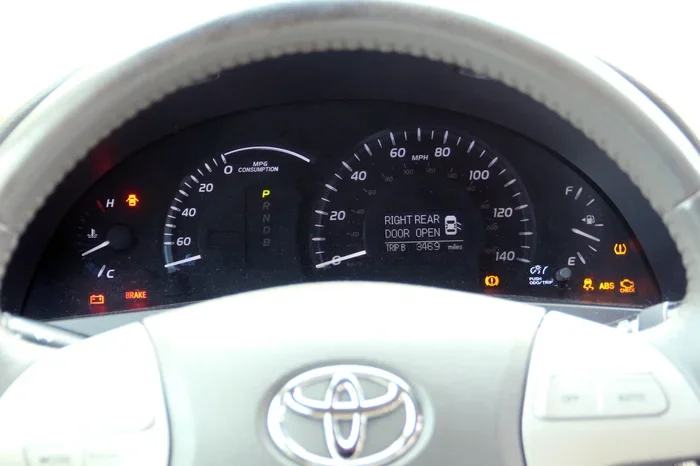
That little yellow or orange light popping up on your Toyota Camry dashboard can catch you off guard. One minute you’re cruising down the road, and the next, your Service Engine Soon light is staring back at you. It’s unsettling, but it doesn’t always mean something terrible. Sometimes it’s as simple as a loose gas cap. Other times, it points to a deeper issue that needs attention.
This guide walks you through everything you need to know. You’ll learn what triggers the light, how to diagnose the problem, and most importantly, how to turn off the Service Engine Soon light on your Toyota Camry. Whether you’re a DIYer or just curious, we’ve got you covered.
Understanding your car’s on-board diagnostics system is the first step. Modern Toyota Camrys use an advanced computer network to monitor engine performance and emissions. When something falls out of range, the system triggers the warning light. Let’s break down exactly how to handle it.
What Does the Service Engine Soon Light Mean?
The Service Engine Soon light is part of your Toyota Camry’s on-board diagnostics system, often called OBD-II. This system constantly monitors engine components, emissions controls, and other critical systems. When it detects a problem, it stores a diagnostic trouble code and lights up your dashboard.
Think of it like a checkup reminder from your car. It’s telling you, “Hey, something needs attention.” But the range of problems is wide. Here are some common triggers:
- Loose or missing gas cap — This is the number one culprit and the easiest fix.
- Faulty oxygen sensor — A worn sensor can hurt fuel economy and emissions.
- Loose or worn spark plugs — Old plugs cause rough idling and poor performance.
- Catalytic converter issues — A failing converter affects your exhaust system.
- Mass airflow sensor problems — A dirty or broken sensor messes with air-fuel mixture.
- Emissions system leaks — Small vacuum leaks can trigger the light.
Sometimes the light comes on and stays steady. Other times, it flashes. A flashing Service Engine Soon light usually signals a more urgent problem, like engine misfires. If you see flashing, slow down and address it right away. A steady light is less urgent but still needs attention soon.
Understanding the Difference Between Steady and Flashing
A steady engine warning light means the issue is real but not immediately dangerous. You can drive to a shop, but don’t ignore it. A flashing light, on the other hand, means your engine needs immediate care. Continuing to drive with a flashing light can damage the catalytic converter, which is an expensive repair. When in doubt, pull over safely and assess the situation.
Common Reasons the Service Engine Soon Light Comes On
Before you try to reset the light, it’s smart to understand why it appeared in the first place. Treating the symptom without fixing the cause just means the light comes back. Here are the most frequent reasons Toyota Camry owners see this warning.
1. Loose or Damaged Gas Cap
This sounds almost too simple, but it happens all the time. Your gas cap seals the fuel system and prevents fuel vapors from escaping. If it’s loose, cracked, or not threaded properly, the evaporative emissions system detects a leak. The car’s computer then triggers the Service Engine Soon light.
Next time you fill up, take a moment to tighten the cap until it clicks. If the cap looks damaged, swap it out. Replacement caps cost just a few dollars at any auto parts store. After tightening or replacing the cap, drive a few cycles and see if the light goes off on its own.
2. Faulty Oxygen Sensor
The oxygen sensor measures exhaust gases and helps your car adjust the fuel mixture. A failing sensor reduces fuel efficiency and increases emissions. Toyota Camrys typically need oxygen sensor replacement every 60,000 to 90,000 miles. If you notice poor gas mileage along with the warning light, this could be your issue.
3. Worn Spark Plugs or Ignition Coils
Old spark plugs cause rough starts, rough idling, and reduced power. When the engine misfires, the diagnostic trouble codes get stored and the light activates. Spark plugs are relatively cheap, and replacing them is a straightforward maintenance task. Ignition coils can also fail and cause similar symptoms.
4. Catalytic Converter Problems
The catalytic converter reduces harmful emissions. Over time, it can get clogged or damaged, especially if you’ve been ignoring other engine issues. A failing catalytic converter triggers the light and often produces a rotten egg smell from the exhaust. This is a pricier repair, so catching it early helps.
How to Diagnose the Problem Before Resetting
Resetting the Service Engine Soon light without diagnosing the root cause is like putting a bandage on a cut. The light will come right back. Proper diagnosis saves you time, money, and frustration. Here’s how to do it right.
Using an OBD-II Scanner
An OBD-II scanner is your best friend for this job. It plugs into a port under your dashboard and reads the fault codes stored in your car’s computer. You can grab a basic scanner for $20 to $50, or visit an auto parts store that offers free code reading.
Here’s the process:
- Locate the OBD-II port under your dashboard, usually near the steering column.
- Plug the scanner in and turn the ignition to the “On” position without starting the engine.
- Wait for the scanner to display the diagnostic trouble codes.
- Write down each code and look up what it means.
- Fix the underlying issue before resetting the light.
Each code starts with a letter. “P” codes relate to the powertrain, which includes the engine and transmission. For example, P0301 means cylinder 1 is misfiring. Once you know the code, you can pinpoint the problem and fix it.
What To Do After Getting the Code
After identifying the code and fixing the issue, you’ll need to clear it. Some auto parts stores will clear the code for free when you return the scanner. Alternatively, you can use the scanner’s reset function. Once cleared, drive your Camry through a few complete drive cycles. The car’s system runs checks during these cycles and confirms the repair. If everything checks out, the Service Engine Soon light stays off.
Step-by-Step Methods to Turn Off the Service Engine Soon Light
Once you’ve addressed the underlying issue (or confirmed it was just a loose gas cap), you can move on to resetting the light. Here are the most reliable methods for your Toyota Camry.
Method 1: Tighten or Replace the Gas Cap
Start with this one because it’s the easiest. Tighten the gas cap firmly until it clicks into place. Then drive normally for a few days. In many cases, the light turns off after a few driving cycles once the system confirms the leak is sealed. If the cap is cracked or stripped, buy a replacement. Make sure it’s the right size for your model year.
Method 2: Disconnect the Battery
This method resets the car’s computer, also known as the ECU reset. Here’s how:
- Park your Camry and turn off the engine.
- Open the hood and locate the negative battery terminal.
- Use a wrench to loosen the nut and disconnect the cable.
- Wait at least 15 minutes. Some people wait up to an hour to fully clear the memory.
- Reconnect the negative cable and tighten the nut.
- Start the engine and drive through several drive cycles.
The ECU reset wipes stored codes and resets the warning systems. On some Toyota Camrys, this also resets the clock and radio presets, so keep that in mind. This method works well when combined with proper repairs. If the underlying issue remains, the light will return.
Method 3: Use the OBD-II Scanner to Reset
This is the most precise approach. After fixing the problem, use your OBD-II scanner to clear the codes manually. The scanner sends a command to the car’s computer to erase stored trouble codes. The Service Engine Soon light turns off immediately. Drive the car for a few days to confirm the repair held. If the problem wasn’t fully resolved, the light will come back, and you’ll know to dig deeper.
Method 4: Visit a Toyota Dealership or Mechanic
If DIY methods don’t work, it’s time for professional help. A Toyota dealership has factory-level diagnostic tools that read deeper into your car’s systems. They can identify problems that generic scanners miss. A trusted mechanic can also handle complex repairs like catalytic converter replacement or sensor recalibration. Spending a little more now prevents bigger headaches later.
Common Mistakes To Avoid When Resetting the Light
It’s tempting to just reset the light and move on, but some mistakes can come back to bite you. Here’s what to watch out for.
- Clearing codes without fixing the problem. The light will return, often faster than before. Always diagnose first.
- Ignoring a flashing light. A flashing engine warning light signals a serious misfire or catalytic converter issue. Drive carefully and get help immediately.
- Driving for weeks with the light on. Even if the car feels fine, underlying problems can worsen. Small issues snowball into expensive repairs.
- Disconnecting the battery as a first resort. This erases learned adaptations in your car’s computer. It should be a last resort, not a first step.
- Using cheap or incompatible scanners. Some low-end scanners don’t support all Toyota models or read all codes. Invest in a quality scanner or use free readings at auto parts stores.
Avoiding these pitfalls keeps your Toyota Camry running smoothly and your wallet happy.
When Should You See a Professional?
Not every Service Engine Soon light needs a mechanic, but some situations definitely call for one. Here are signs it’s time to book an appointment.
- The light is flashing, not steady. This indicates a potentially damaging misfire.
- You notice unusual smells, like burning rubber or rotten eggs. These point to serious mechanical or exhaust problems.
- The car shakes, stalls, or loses power. These are drivability concerns that shouldn’t be ignored.
- DIY fixes haven’t resolved the issue after several drive cycles.
- Multiple warning lights appear at the same time. This suggests an electrical or computer system problem.
- You’re not comfortable working under the hood or using diagnostic tools. There’s no shame in that. Professional help ensures the job is done right.
A Toyota Camry is built to last, and regular maintenance keeps it on the road for years. If you’re wondering about long-term reliability, you might be interested to learn how many miles a Toyota Camry can last. Proper care makes all the difference.
Quick Tips for Preventing Future Warning Lights
Prevention is always better than cure. Keep these tips in mind to reduce the chances of seeing the Service Engine Soon light again.
- Stick to Toyota’s recommended maintenance schedule. Regular oil changes, spark plug replacements, and inspections catch problems early.
- Use quality fuel and oil. Cheap gas can contain impurities that affect sensors and fuel systems.
- Tighten your gas cap after every fill-up. Make it a habit.
- Pay attention to changes in your car’s behavior. Rough idling, poor gas mileage, or strange sounds are early warnings.
- Keep your OBD-II scanner handy. A quick check can reveal problems before they become costly repairs.
Comparison: DIY Reset vs. Professional Reset
Choosing between DIY and professional help depends on the situation. Here’s a side-by-side look at both approaches.
| Factor | DIY Reset | Professional Reset |
|---|---|---|
| Cost | $20-$50 for a scanner, or free at auto parts stores | $50-$150+ for diagnostics, more for repairs |
| Time | 15-30 minutes for code reading and reset | 1-3 hours depending on the issue |
| Skill Level | Beginner-friendly | Mechanic expertise required |
| Accuracy | Good for simple issues | Best for complex or intermittent problems |
| Tools | Basic OBD-II scanner | Factory-level diagnostic equipment |
| Best For | Loose gas cap, simple sensor issues | Catalytic converter, electrical problems, recurring codes |
For most Toyota Camry owners, starting with a simple code reading and DIY fix works well. If the problem persists or seems complex, a professional diagnosis is the smart move.
Frequently Asked Questions About Service Engine Soon on Toyota Camry
Can I drive my Toyota Camry with the Service Engine Soon light on?
Yes, but with caution. If the light is steady, the issue is likely not an emergency. Drive to a shop or home to address it. If the light is flashing, slow down and get to a safe spot. A flashing light signals a serious problem that could cause drivetrain damage if you keep driving.
How long can I drive with the Service Engine Soon light on before it causes damage?
There’s no set mileage. It depends on the underlying issue. A loose gas cap won’t cause damage at all. A misfire, on the other hand, can harm your catalytic converter within just a few miles of aggressive driving. Don’t ignore the light. The sooner you diagnose and fix it, the better your car’s health.
Will the Service Engine Soon light reset itself after I fix the problem?
It can, but not immediately. After fixing the issue, you need to drive through several complete drive cycles. A drive cycle includes starting the engine, driving at varying speeds, and letting the car idle. The car’s computer runs self-checks during these cycles. Once all checks pass, the light turns off. Using an OBD-II scanner to clear codes speeds up the process.
How much does it cost to fix the Service Engine Soon light issue?
Costs vary widely. A loose gas cap costs nothing to fix. A basic sensor replacement might run $50 to $200 including parts and labor. More serious issues like a catalytic converter replacement can cost $500 to $1,500 or more. Getting a diagnostic reading first helps you budget accurately.
Is the Service Engine Soon light the same as the Check Engine light?
Yes, for practical purposes. Different Toyota models and years use slightly different wording. Some say “Check Engine,” others say “Service Engine Soon.” Both lights come from the same on-board diagnostics system and indicate the same thing: a problem has been detected that needs attention.
Can a bad battery cause the Service Engine Soon light to come on?
Yes, it can. A weak or failing battery can cause voltage fluctuations that confuse your car’s computer. The system may interpret these fluctuations as engine or sensor problems. If you’ve ruled out other causes, have your battery and charging system tested. A new battery can clear up confusing electrical gremlins and prevent the engine warning light from returning.
Conclusion
The Service Engine Soon light on your Toyota Camry is not something to panic about, but it’s not something to ignore either. Start with the simplest fixes: check your gas cap, scan for codes, and address the root cause. Use an OBD-II scanner for accurate diagnosis, try a battery disconnect for stubborn lights, and don’t hesitate to see a professional when the problem goes beyond basic repairs.
Keeping up with Toyota Camry maintenance is the best way to prevent unexpected warnings. Stay on top of oil changes, spark plugs, and scheduled inspections. Your car’s on-board diagnostics system is designed to help you, not hassle you. Listen to what it’s telling you, and you’ll keep your Camry running strong for years to come.
Now you know exactly how to turn off the Service Engine Soon light on your Toyota Camry. The next time that light flickers on, you’ll have the knowledge and confidence to handle it like a pro.