How Do You Set The TPMS On A Toyota Vehicle Step By Step
Setting the TPMS on your Toyota is a simple process that keeps your tires safe and your dashboard clear. This guide walks you through the exact steps to reset the tire pressure monitoring system on any Toyota model, from the Camry to the RAV4. You will learn how to identify TPMS warnings, perform the reset procedure correctly, and avoid common mistakes that cause the light to come back on.
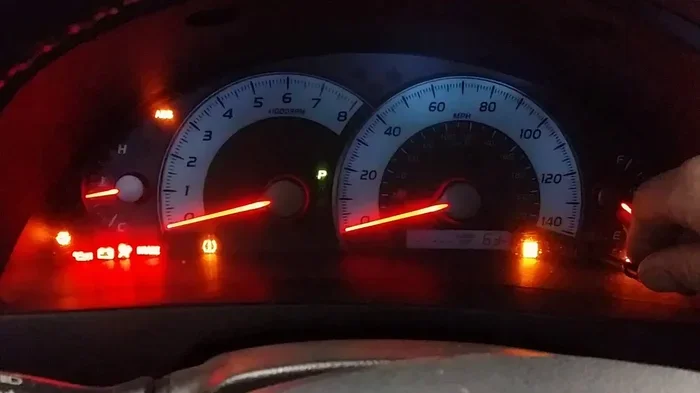
Have you ever been driving your Toyota and suddenly spotted a yellow warning light shaped like a horseshoe with an exclamation point in the middle? That is your TPMS light, and it means your tire pressure monitoring system needs attention. Many Toyota owners panic when they see it, but the truth is that setting the TPMS is something you can do yourself at home in just a few minutes.
The tire pressure monitoring system is a smart feature built into every modern Toyota vehicle. It tracks the air pressure inside each tire and alerts you when something is off. Whether you drive a sleek Camry, a rugged Tacoma, or a family-friendly RAV4, understanding how to set the TPMS on a Toyota saves you time, money, and unnecessary trips to the shop.
In this guide, we walk you through every step of the process. You will learn what the TPMS light means, how to check your tire pressure, the exact reset procedure for different Toyota models, and what to do when the light keeps coming back. By the end, you will feel confident handling this common maintenance task on your own.
Key Takeaways
- TPMS reset is quick and easy: Most Toyota models let you reset the system in under five minutes using the steering wheel controls or the diagnostic port.
- Check tire pressure first: Always verify that all tires are at the correct PSI before resetting the TPMS light on your Toyota.
- The light comes back for a reason: If the TPMS warning stays on after a reset, it usually means there is an actual pressure issue or a faulty sensor.
- Every Toyota model is slightly different: The reset process varies between the Camry, Corolla, RAV4, and Tacoma, so check your owner manual.
- Cold weather triggers TPMS falsely: Temperature drops can lower tire pressure and trigger the warning light even when tires are fine.
- Regular maintenance prevents TPMS issues: Keeping up with tire rotations and inspections helps your Toyota TPMS sensor last longer.
📑 Table of Contents
- What Is TPMS and Why Does It Matter on Your Toyota
- Signs That Your Toyota TPMS Needs Setting
- Step-by-Step Guide to Setting TPMS on Toyota Models
- Common TPMS Problems and How to Fix Them
- Tips for Keeping Your Toyota TPMS in Top Shape
- When to Seek Professional Help for TPMS Issues
- Final Thoughts on Setting TPMS on Your Toyota
What Is TPMS and Why Does It Matter on Your Toyota
The tire pressure monitoring system is a safety feature that tracks the air pressure in all four tires plus the spare on some models. When the pressure drops below the recommended level, the system triggers a warning light on your dashboard. This is not just a nuisance light. Driving on underinflated tires can reduce fuel economy, cause uneven tire wear, and increase the risk of a blowout.
Toyota has used different TPMS setups across its lineup. Some models use direct sensors mounted inside each tire that send real-time pressure data to the computer. Others use indirect systems that estimate pressure based on wheel speed differences. Either way, the goal is the same. Keep your tires properly inflated and keep you safe on the road.
Proper tire pressure maintenance also extends the life of your tires. Underinflated tires wear out the outer edges of the tread faster, while overinflated tires wear the center. Either way, you end up replacing tires sooner than you should. The TPMS helps you catch problems early before they become expensive repairs.
How the TPMS Sensor Works
Each tire on your Toyota has a small sensor inside the valve stem or mounted on the wheel. This sensor measures the air pressure and sends a wireless signal to the vehicle’s computer. If the pressure drops by about 25 percent below the recommended PSI, the system triggers the warning light. The sensor battery typically lasts around five to seven years before it needs replacement.
Signs That Your Toyota TPMS Needs Setting
Knowing the signs of a TPMS issue helps you act fast before a small problem becomes a big one. Here are the most common indicators that your Toyota tire pressure monitoring system needs attention or a reset.
- The TPMS warning light stays on after startup: When you turn the key, the light should flash for a few seconds and then go off. If it remains lit, the system has detected a problem.
- The light comes on and then goes off: This often happens with temperature changes. Cold morning air can temporarily lower tire pressure and trigger the light. It may turn off once the tires warm up from driving.
- Flashing TPMS light: A flashing light usually indicates a malfunction with one of the sensors. This is different from a steady light, which typically means low pressure.
- You recently rotated or changed tires: After tire service, the TPMS sensors may need to be recalibrated. The system does not always recognize the new sensor positions automatically.
- You see the low-pressure reading on the display: Many newer Toyota models show individual tire pressure readings on the dashboard. If one or more tires show a reading below the recommended PSI, you need to add air and reset the system.
If you are unsure whether the issue is a real pressure problem or a sensor glitch, check your tire pressure with a reliable gauge first. This is a simple step that solves most TPMS issues. You can also learn more about how to tell which tire is low without a gauge if you do not have one handy.
Step-by-Step Guide to Setting TPMS on Toyota Models
The reset process varies slightly depending on your Toyota model and year. Below we cover the most common methods used across the Toyota lineup. Always start by confirming that all four tires are inflated to the correct pressure listed on the sticker inside your driver door frame.
Step 1: Check and Inflate All Tires
Before you touch any reset button, make sure every tire is at the recommended PSI. The recommended pressure for your specific Toyota model is printed on a sticker inside the driver door jamb. Do not rely on the number on the tire sidewall. That number is the maximum pressure the tire can handle, not the pressure your Toyota recommends.
Use a quality tire pressure gauge to check each tire including the spare. Add air as needed using a gas station air pump or a portable compressor. Once all tires are at the correct pressure, you are ready to reset the system.
Step 2: Locate the TPMS Reset Button
On most Toyota models, the TPMS reset button is located under the steering wheel on the left side of the dashboard. It is a small button that may be labeled “TPMS” or have a tire icon. On some older models, you may need to access the reset through the vehicle settings menu on the infotainment screen.
If you cannot find the reset button, consult your owner manual. The location can vary between the Corolla, Camry, RAV4, and Tacoma. Some Toyota models do not have a physical reset button and instead require you to navigate through the vehicle information display settings.
Step 3: Press and Hold the Reset Button
With the engine running or in accessory mode, press and hold the TPMS reset button. You should see the TPMS light on the dashboard blink three times. Release the button and wait for the light to turn off. This process tells the system to recalibrate and recognize the current tire pressure readings.
On models with an infotainment screen, you may need to navigate to Settings, then Vehicle Settings, and select the TPMS reset option. Follow the on-screen prompts to complete the reset.
Step 4: Drive to Complete the Calibration
After pressing the reset button, drive your Toyota at a steady speed of 30 to 50 miles per hour for at least 10 to 15 minutes. This allows the system to relearn the tire pressure sensor IDs and confirm that all tires are at the correct pressure. The TPMS light should turn off and stay off once calibration is complete.
If the light comes back on after a few days, there may be an underlying issue that needs attention. Sometimes the reset process works but the system detects a slow leak or a sensor that is failing.
Step 5: Verify the Reset Was Successful
Check the dashboard after driving for a few days. The TPMS light should remain off if the reset was successful. On newer Toyota models with a digital display, you can also verify that the individual tire pressure readings are showing correctly. If the light returns or the readings look inaccurate, you may need to inspect the sensors or seek professional help.
Common TPMS Problems and How to Fix Them
Even after following the reset procedure correctly, some Toyota owners run into recurring TPMS issues. Here are the most common problems and what you can do about them.
The TPMS Light Comes Back After a Reset
If the warning light returns shortly after a reset, the most likely cause is an actual air leak in one or more tires. Inspect each tire carefully for punctures, cracks in the sidewall, or a loose valve stem. Even a tiny leak can cause the pressure to drop slowly over several days.
Another common cause is a failing TPMS sensor. Each sensor has a small battery that eventually dies. When the battery dies, the sensor cannot communicate with the vehicle computer, and the warning light stays on. Replacing a TPMS sensor typically costs between 50 and 100 dollars per sensor depending on your Toyota model.
TPMS Light Flashes Then Stays On
A flashing TPMS light followed by a steady glow usually signals a malfunction in the sensor system itself. This is different from a steady light caused by low pressure. Common causes include a dead sensor battery, a damaged sensor, or a problem with the vehicle’s antenna or receiver module.
In some cases, aftermarket tires or wheels that are not TPMS-compatible can also trigger this warning. If you recently changed tires or wheels, make sure the new set includes functioning pressure sensors.
Cold Weather Causes False TPMS Warnings
Temperature changes have a direct effect on tire pressure. For every 10 degree drop in outside temperature, tire pressure can decrease by about one PSI. This means a warm summer day followed by a cold night can trigger the TPMS light even though your tires are perfectly fine.
To avoid false warnings during seasonal temperature changes, check your tire pressure regularly and add air as needed. This is especially important in the fall and winter months when temperatures drop significantly.
TPMS Light After Tire Rotation or Replacement
When you rotate your tires or replace them, the TPMS sensors may move to different wheel positions. The system needs time to relearn the sensor IDs. If the light stays on after tire service, try the reset procedure again. If it persists, a dealership or tire shop may need to reprogram the sensors using a professional TPMS tool.
For related maintenance tips, check out our guide on how to get the maintenance required light off if you are also dealing with other dashboard warnings.
Tips for Keeping Your Toyota TPMS in Top Shape
Preventing TPMS problems is much easier than fixing them. A few simple habits can keep your tire pressure monitoring system working reliably for years.
- Check tire pressure monthly: Make it a habit to check all four tires at least once a month. Use a quality digital gauge for accurate readings.
- Check pressure when tires are cold: Always check tire pressure before driving or at least three hours after parking. Heat from driving increases pressure and can give false readings.
- Replace TPMS sensors when the battery dies: Most TPMS sensor batteries last five to seven years. If your Toyota is getting older and the TPMS light keeps coming on, the sensor battery may need replacement.
- Use OEM or compatible TPMS sensors: When replacing sensors, use OEM Toyota parts or high-quality aftermarket sensors that are compatible with your model. Cheap sensors can cause communication errors.
- Keep valve stems in good condition: The rubber valve stem can crack or dry out over time. Replace valve stems when you notice damage to prevent slow air leaks.
- Reset TPMS after every tire service: Whether you are rotating tires, changing a flat, or adding air, always reset the TPMS system afterward to ensure accurate readings.
Regular tire care also ties into overall vehicle maintenance. If you are curious about other fluid checks, you might want to learn how to know if you need power steering fluid as part of your routine Toyota upkeep.
When to Seek Professional Help for TPMS Issues
Most TPMS resets go smoothly and the light stays off. But there are times when professional help is the right call. If you have tried the reset procedure multiple times and the light keeps coming back, it is time to see a mechanic.
Here are the situations where professional diagnosis makes sense:
- The TPMS light flashes for more than 60 seconds: This indicates a serious system malfunction that needs diagnostic equipment to identify.
- You have replaced all tires and the light still stays on: A technician can reprogram the sensors and verify that the system is communicating correctly.
- You notice a hissing sound or visible damage to a tire: These are signs of a puncture or sidewall damage that needs immediate attention.
- Multiple sensors are failing at once: This could indicate a problem with the vehicle antenna or receiver rather than the sensors themselves.
A Toyota dealership or qualified auto repair shop has the tools to run a full TPMS diagnostic. They can identify which specific sensor is failing, check the system antenna, and reprogram all sensors if needed. This is especially important for newer Toyota models where the TPMS is integrated with other safety systems.
Remember that ignoring the TPMS light is not worth the risk. Underinflated tires reduce handling, increase stopping distances, and waste fuel. Addressing the warning promptly keeps your Toyota running safely and efficiently.
Final Thoughts on Setting TPMS on Your Toyota
Setting the TPMS on a Toyota vehicle is one of the simplest maintenance tasks you can do at home. It takes just a few minutes and requires no special tools beyond a tire pressure gauge. Whether you are dealing with a warning light after a tire rotation, a seasonal temperature change, or a slow leak, the reset process is straightforward and effective.
The key is to always check your tire pressure first, make sure all tires are at the correct PSI, and then follow the reset procedure for your specific Toyota model. If the light keeps coming back, do not ignore it. There is likely an underlying issue that needs attention.
By staying on top of your TPMS and tire pressure, you protect your investment, improve fuel economy, and keep your Toyota safe on the road. A little maintenance goes a long way, and your Toyota will reward you with years of reliable performance.
Frequently Asked Questions
How do I reset the TPMS light on my Toyota Camry?
On most Toyota Camry models, the TPMS reset button is located under the steering wheel on the left side of the dashboard. Press and hold it with the engine running until the TPMS light blinks three times. Then drive the vehicle at 30 to 50 miles per hour for about 15 minutes to complete the calibration.
Why does my Toyota TPMS light keep coming back after I reset it?
If the TPMS light returns after a reset, the most common causes are a slow air leak in one of the tires, a failing sensor battery, or a damaged valve stem. Check each tire pressure with a gauge and inspect the sensors for signs of damage or battery failure.
Can I drive my Toyota with the TPMS light on?
You can drive short distances with the TPMS light on, but it is not recommended. The light means your tire pressure is either too low or the system has detected a malfunction. Driving on underinflated tires reduces safety and fuel efficiency, so address the issue as soon as possible.
How much does it cost to replace a Toyota TPMS sensor?
Replacing a single TPMS sensor typically costs between 50 and 100 dollars for the part, plus labor if you have it done professionally. The total cost can vary depending on your Toyota model and whether you choose OEM sensors or aftermarket alternatives.
Does cold weather cause the Toyota TPMS light to come on?
Yes, cold weather can cause the TPMS light to come on temporarily. As the temperature drops, tire pressure decreases by about one PSI for every 10 degree drop. If the pressure falls below the threshold, the system triggers the warning light. Adding air to the proper PSI usually resolves this.
How often should I check my Toyota tire pressure?
You should check your Toyota tire pressure at least once a month and before any long trips. Always check when the tires are cold for the most accurate reading. Keeping up with regular tire pressure checks helps prevent TPMS warnings and extends the life of your tires.