Simple Guide to Reset Distance to Empty on Nissan Rogue
This simple guide shows you exactly how to reset distance to empty on Nissan Rogue in just a few steps. You’ll learn why the distance to empty reading resets, when to do it, and how to keep it accurate. Whether you drive a 2024 Xle or another trim, this tutorial covers all Nissan Rogue models.
Have you ever glanced at your Nissan Rogue dashboard and seen the distance to empty number start to act strange? Maybe it showed 200 miles after a fill-up and then dropped to 50 miles the next morning. It’s confusing, and it can make you worry about running out of fuel. The good news is that resetting this reading is usually a quick fix you can do yourself in under two minutes. This guide walks you through the exact steps for every Nissan Rogue model year, explains why the system needs a reset, and gives you tips to keep the numbers accurate.
The distance to empty feature is a helpful tool that estimates how many miles you can still drive on the fuel left in the tank. It’s not a guess—it uses real-time data from your fuel level sensor and your recent driving patterns. When the system gets confused by a long trip, a partial fill, or even a battery disconnect, it needs a fresh start. That’s where the reset comes in. Think of it like restarting a calculator after entering the wrong numbers. Once you know the process, you’ll never second-guess your remaining range again.
Key Takeaways
- Resetting the distance to empty is easy: You can do it with the trip button on the steering wheel or through the touchscreen, depending on your model year.
- Reset after every fill-up: This gives you the most accurate miles remaining estimate based on fresh fuel data.
- Common problems are fixable: Flashing readings or unresponsive buttons often have simple solutions like a battery disconnect or a soft reset.
- Driving habits matter: Smooth acceleration and steady speeds help the system calculate a more reliable range.
- Know your fuel tank size: Understanding how many gallons is a full tank of gas helps you interpret the range number correctly.
- Trim differences exist: The difference between Nissan Rogue SL and Platinum includes variations in the trip computer layout, so the reset steps may look slightly different.
📑 Table of Contents
Understanding Distance to Empty on Your Nissan Rogue
Before you learn how to reset, it helps to understand what the system is actually doing. The distance to empty computer looks at your current fuel level and compares it with how much fuel you’ve used over the last several miles. It then projects that rate forward to estimate how many miles you have left. The system is smart, but it can be thrown off by a variety of factors.
What Does Distance to Empty Mean?
The distance to empty display shows a number in miles (or kilometers, depending on your settings). It tells you the approximate distance you can travel before the tank hits empty. This is different from the fuel gauge needle, which just shows the current level. The distance number gives you a forward-looking estimate. It’s similar in spirit to the how far can a car go on empty concept, but it updates dynamically as you drive. If you’re planning a long road trip, this number becomes your best friend.
How the System Calculates Your Range
The system uses a small computer that tracks fuel consumption over time. It measures the amount of fuel injected into the engine and calculates an average miles-per-gallon figure. Then it takes the current fuel level and divides it by that average to give you the remaining distance. The calculation refreshes constantly, which is why you might see the number jump up after a smooth stretch of highway driving or drop when you hit heavy traffic. The system also factors in things like fuel economy mode and whether you’re using the air conditioning.
Why the Reading Might Be Inaccurate
Several things can cause the distance to empty to show a number that doesn’t match reality. A partial fuel fill, where you only add a little gas, can skew the average. Driving in very hilly terrain or towing a trailer changes fuel consumption dramatically. Even a weak battery can disrupt the trip computer’s memory. When these things happen, the system needs a manual reset to recalibrate. Ignoring a persistent inaccuracy can lead to surprise fuel stops or, worse, getting stranded.
When You Should Reset Distance to Empty on Nissan Rogue
You don’t need to reset the distance to empty every day. But there are specific moments when a reset makes a big difference. Knowing these times helps you keep the reading trustworthy.
After a Full Tank of Gas
The most important time to reset is right after you fill the tank completely. When you top off the tank, the system has a fresh baseline of fuel. If you don’t reset, the computer still remembers the old, lower fuel level and its associated consumption rate, which throws off the new estimate. A full reset tells the system, “Start fresh with this new tank.” This is the single best habit for accurate range readings.
After a Long Road Trip
Long trips often involve steady highway speeds, towing, or driving in unfamiliar terrain. All of these change your fuel economy in ways the system might not fully adjust to on its own. Once you reach your destination and fill up, take a moment to reset. This clears the trip-specific data and gives you a clean slate for your normal driving routine.
When the Display Shows Inaccurate Miles
If you notice the distance to empty number dropping unusually fast or staying stuck at the same value for miles, it’s time for a reset. The system can sometimes get stuck in a feedback loop. A quick reset breaks that loop and forces the computer to relearn your current driving conditions. Don’t wait until the low fuel warning light comes on—reset as soon as you notice the inconsistency.
How to Reset Distance to Empty on Nissan Rogue: Step-by-Step
The exact reset process depends on your model year and trim. Nissan Rogue models from 2014 to 2020 use a similar steering wheel button method, while 2021 and newer models often have a touchscreen interface. Below you’ll find the most common methods. If you’re not sure which one applies to you, check your owner’s manual or look at the trim-specific details below.
Method 1: Using the Trip Button on the Steering Wheel
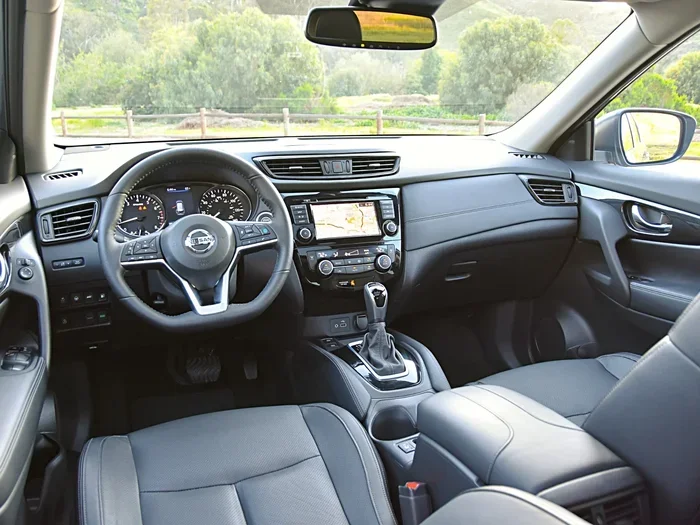
This is the most common method for older and mid-range Rogue models. You’ll find the trip button on the left side of the steering wheel, often labeled “TRIP” or with a small arrow icon.
- Sit in the driver’s seat and turn the ignition to the “ON” position (do not start the engine).
- Press and release the trip button repeatedly until the display shows the distance to empty screen.
- Press and hold the trip button for about 3 to 5 seconds.
- The number should flash and then reset to zero or a full-tank estimate.
- Start the engine and drive for a few miles to let the system recalibrate.
This method works for most 2014–2020 Nissan Rogue models. If you have a 2024 Xle trim, the steering wheel buttons are still present, but the display layout might be slightly different. The core steps remain the same.
Method 2: Resetting Through the Instrument Cluster
Some Rogue trims, especially those with a traditional analog or basic digital cluster, use a slightly different button sequence. You may need to use the reset stalk near the steering column rather than a button on the wheel.
- Turn the ignition to the “ON” position.
- Locate the reset stalk on the right side of the steering column.
- Pull the stalk toward you and hold it for 3–5 seconds while the trip display is active.
- Release the stalk and wait for the distance to empty to reset.
This method is less common but still used on certain 2017 and 2018 Rogue trims. If you’re unsure which stalk controls what, consult the diagram in your owner’s manual.
Method 3: Touchscreen Reset for Newer Models
If your Nissan Rogue has a central touchscreen display (2021 and newer models, including the difference between Nissan Rogue SL and Platinum trims), the reset process lives inside the vehicle settings menu.
- Press the “Settings” button on the touchscreen home screen.
- Scroll to “Vehicle Info” or “Trip Computer.”
- Select “Distance to Empty” or “Range Reset.”
- Choose “Reset” and confirm the action.
- The screen will show the updated estimate based on the current fuel level.
The touchscreen method is very intuitive and gives you more options, like resetting individual trip meters or switching between miles and kilometers. It’s a great feature if you frequently travel between regions with different measurement systems.
Common Problems and How to Fix Them
Even after a reset, you might run into issues where the distance to empty doesn’t behave correctly. Most of these problems are easy to solve without a trip to the dealership.
Distance to Empty Not Updating After Reset
If the number stays frozen after you reset, the trip computer may need a full power cycle. Try turning the ignition off, waiting 30 seconds, and then turning it back on. If that doesn’t work, the vehicle’s battery voltage might be low. A weak battery can prevent the trip computer from holding a new calibration. Have the battery tested at your local auto parts store—they often do it for free.
Flashing or Erratic Readings on the Dash
A flashing distance to empty number usually indicates a temporary sensor glitch. This can happen after you’ve just filled the tank, especially if the fuel pump clicked off and on multiple times. The system is trying to recalibrate and might show a flashing number for a few miles of driving. If the flashing persists for more than 20 miles, you may have a faulty fuel level sensor. In that case, a diagnostic scan at a mechanic’s shop can pinpoint the issue.
The Reset Button Does Nothing
If pressing and holding the trip button produces no response, the button itself might be stuck or the wiring behind it could have a loose connection. Try cleaning around the button with a can of compressed air to remove any dust or debris. If the button is physically damaged, a dealer or independent shop can replace it for a modest cost. In rare cases, a software update from the dealer can fix a non-responsive trip computer.
Tips to Keep Your Distance to Empty Accurate
Resetting is only half the battle. To get the most out of the distance to empty system, you need to support it with good driving and maintenance habits. Here are the best ways to keep the numbers reliable.
Drive Smoothly for Better Estimates
Aggressive acceleration and hard braking waste fuel and confuse the system’s average calculation. When you drive at a steady pace and anticipate stops, the fuel consumption rate stays consistent. The trip computer can then produce a much more accurate remaining range. Try to keep your speed within the legal limit and avoid sudden bursts of speed whenever possible.
Use Quality Fuel and Maintain Your Vehicle
Using the recommended fuel grade for your Nissan Rogue ensures the engine runs efficiently. Dirty fuel injectors or a clogged air filter can reduce fuel economy, which the system will eventually reflect—but only after enough data accumulates. Regular oil changes, spark plug replacements, and fuel system cleanings keep the engine in top shape and help the range estimate stay true.
Quick Tips for Daily Accuracy
- Reset after every full tank: This is the single most important habit for accuracy.
- Don’t reset during a partial fill: The system needs a full baseline to calculate correctly.
- Check the fuel gauge alongside the distance number: If they don’t match (for example, the gauge shows half full but the distance says 30 miles), a reset is overdue.
- Keep the battery healthy: A strong battery ensures the trip computer retains its calibration.
- Note your fuel economy: If you track your miles per gallon manually, you can compare it to the system’s estimate and spot discrepancies early.
Frequently Asked Questions
How do I reset the distance to empty on a 2017 Nissan Rogue?
On a 2017 Nissan Rogue, press the trip button on the steering wheel repeatedly until the distance to empty screen appears. Then press and hold the same button for about 5 seconds until the number resets. The process is the same for most 2014–2020 models and takes less than a minute.
Why does my distance to empty keep resetting itself?
If the distance to empty resets on its own, it usually means the vehicle’s battery voltage dropped briefly, which can happen with an old or weak battery. The trip computer loses its stored calibration when power is interrupted. Have the battery tested and replace it if necessary. This is a very common cause of random resets.
Can I reset distance to empty while driving?
Yes, you can reset the distance to empty while driving safely. The system won’t erase your fuel data in a dangerous way—it simply starts a new calculation from the current fuel level. Just make sure you’re not distracted and do the reset at a stoplight or in steady traffic if possible.
What’s the difference between the trip meter and distance to empty?
The trip meter tracks the total miles you’ve driven since the last reset. The distance to empty estimates how many miles you have left before the tank runs out. They are two separate functions, but both can be reset using the same trip button on the steering wheel. Understanding the difference helps you use each feature more effectively.
Does resetting distance to empty clear other trip data?
No, resetting the distance to empty only affects the range estimate. Your trip A and trip B meters, average fuel economy, and elapsed time remain untouched unless you specifically reset those separately. The system keeps all trip data organized in its memory.
How accurate is the distance to empty on a Nissan Rogue?
The system is generally quite accurate once it has a fresh reset and a few miles of driving data to calibrate. It tends to be most reliable on highways and least reliable in heavy stop-and-go city traffic. If you notice the number is consistently off by more than 10–15%, it’s worth checking the fuel level sensor or resetting again after a full tank.
Final Thoughts
Resetting the distance to empty on Nissan Rogue is a simple but powerful way to keep your fuel range estimate accurate and trustworthy. Whether you use the steering wheel trip button, the instrument cluster stalk, or the touchscreen menu, the process takes just a few seconds and can save you from unexpected fuel stops. Make it a habit to reset after every full tank, and your Rogue will always show you a reliable number of miles left to drive. The system works best when you treat it as a helpful guide rather than an exact guarantee. Combine a regular reset with smooth driving and proper maintenance, and your distance to empty will serve you well for years to come. Now you know exactly what to do the next time that number starts acting up—so go ahead, give it a reset, and enjoy the peace of mind that comes with a clear fuel range readout.