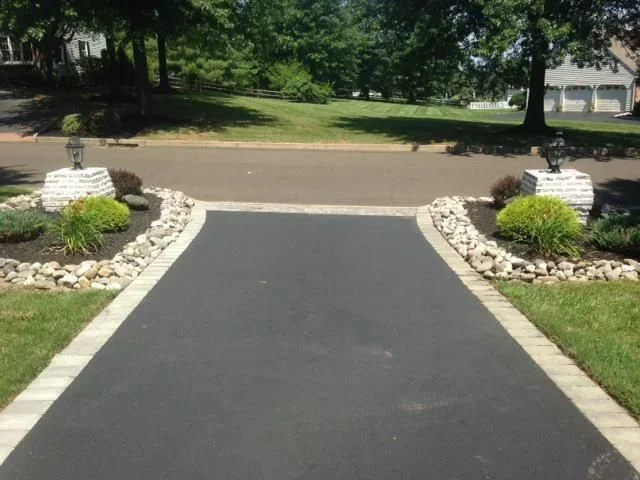
How Much Does It Cost to Put in Free Parking at Home
Putting in free parking at home is a smart move for any car owner. The total cost to install a home parking pad ranges from about $1,000 for a basic gravel setup to $5,000 or more for a concrete surface. Your final price depends on the material you choose, the size of the space, soil conditions, and whether you hire a pro or go the DIY route. This guide walks you through every cost factor so you can plan and budget with confidence.
Owning a car comes with a lot of costs. Fuel, insurance, maintenance, and payments add up fast. But one thing people often overlook is the cost of having a proper parking spot at home. If you have been searching for how to put in free parking at home, you are in the right place. Let us break down everything you need to know about the costs involved.
A dedicated parking space at home is more than just a convenience. It protects your vehicle from weather damage. It keeps your car clean. And it adds real value to your property. Whether you are thinking about a simple gravel pad or a full concrete driveway, understanding the costs upfront helps you make the best decision for your budget and your needs.
Key Takeaways
- Concrete parking pads cost the most but last the longest: Expect $3 to $8 per square foot for a durable concrete surface.
- Gravel is the cheapest option: A gravel parking area can cost as little as $0.50 to $2 per square foot.
- Permits and site prep add hidden costs: Budget an extra 10% to 20% for grading, drainage, and permits.
- DIY can save you hundreds: Doing the work yourself cuts labor costs, but professional installation ensures quality and longevity.
- A home parking pad boosts property value: Buyers love dedicated parking, making it a worthwhile investment.
- Material choice is the biggest cost driver: Asphalt, concrete, gravel, and pavers each have different price points and lifespans.
📑 Table of Contents
- What Does “Free Parking at Home” Actually Mean?
- Break Down of Parking Installation Costs
- Factors That Affect the Total Cost
- DIY vs. Hiring a Professional
- How to Save Money on Parking Installation
- Is Adding Home Parking Worth It?
- Common Mistakes to Avoid
- Quick Tips for a Successful Parking Pad Project
- Final Thoughts on Free Parking at Home
What Does “Free Parking at Home” Actually Mean?
When we talk about free parking at home, we mean creating a dedicated space on your property where you can park your car without paying for a garage or a paid parking spot. This could be a driveway, a parking pad, or even a simple cleared area in your yard. The key idea is that you own the space, and there is no recurring monthly fee to use it.
Understanding Your Parking Options
There are several ways to create a parking space at home. Each option has different costs, benefits, and installation timelines. Here is a quick look at the most common choices:
- Gravel parking pad: The most affordable option. Quick to install and easy to maintain.
- Asphalt surface: A mid-range choice that looks clean and lasts a long time.
- Concrete parking pad: The most durable and expensive option. Great for long-term value.
- Paver parking area: Attractive and customizable, but costs more than gravel or asphalt.
- Grass or dirt parking: The cheapest option but the least durable and most prone to damage.
Why Home Parking Matters
Having a dedicated spot for your car is not just about convenience. It is about protection. Cars parked on the street are exposed to sun damage, hail, falling debris, and even theft. A home parking pad gives your vehicle a safe place to rest every night. It also means you never have to worry about street cleaning days or parking meter expiration times.
If you own a car like a 2024 Xle, you know that vehicles are a major investment. Protecting that investment with a proper parking surface at home makes a lot of sense.
Break Down of Parking Installation Costs
The cost to install a parking pad at home varies widely. The main factors are the material you choose, the size of the area, and whether you do the work yourself or hire someone. Let us look at each material option in detail.
Concrete Parking Pad Costs
Concrete is the gold standard for a home parking surface. It is incredibly durable and can last 30 years or more with proper care. The cost for a concrete parking pad typically runs between $3 and $8 per square foot. For a standard single-car parking space of about 200 square feet, you are looking at roughly $600 to $1,600 for materials alone.
However, the total cost goes up when you factor in site preparation. The area needs to be graded, compacted, and have forms set up before the concrete is poured. If the soil is soft or wet, you may need extra work to stabilize the base. All of this adds to the overall parking pad cost.
Asphalt Parking Surface Costs
Asphalt is a popular middle-ground option. It costs less than concrete but still provides a smooth, durable surface. Asphalt parking surfaces typically run between $2 and $5 per square foot. For a 200-square-foot parking pad, that is about $400 to $1,000 in materials.
Asphalt does require more maintenance over time. You will need to sealcoat it every few years to keep it looking good and prevent cracks. But the upfront cost is lower, which makes it a great choice for homeowners on a tighter budget.
Gravel Parking Area Costs
If you want the most affordable way to create a parking space, gravel is the way to go. A gravel parking area costs between $0.50 and $2 per square foot. For a 200-square-foot pad, you are looking at around $100 to $400. That is a huge savings compared to concrete or asphalt.
Gravel is easy to install. You just need to clear the area, lay down landscape fabric, and spread the gravel. However, gravel can shift over time. You may need to add more gravel every year or two. It also does not look as polished as concrete or asphalt.
Paver Parking Installation Costs
Paver parking areas are the most attractive option. They give your driveway or parking pad a high-end look with interlocking stones that can be arranged in many patterns. Paver parking installation costs range from $5 to $15 per square foot, depending on the type of paver you choose.
The installation process is more labor-intensive. Each paver is placed individually, and the base needs to be very well-prepared. But the result is beautiful and extremely durable. Pavers can also be replaced one at a time if a single stone gets damaged, which is a big advantage over concrete or asphalt.
Factors That Affect the Total Cost
The price tag on your parking project is not just about the material. Several other factors can push the cost up or down. Understanding these will help you get a more accurate estimate for your specific situation.
Size and Dimensions of Your Parking Space
The bigger the parking area, the more it will cost. A standard single-car parking space is about 9 feet by 18 feet, or 162 square feet. A two-car parking pad doubles that. When you are figuring out the free parking at home cost, start by measuring the space you want to cover. Even a small increase in size can add hundreds of dollars to the total.
Soil Preparation and Grading
Before any material goes down, the ground needs to be prepared. This means clearing vegetation, grading the surface for proper drainage, and compacting the soil. If your yard has slopes or soft spots, the prep work gets more complex and more expensive.
Site preparation can add anywhere from $500 to $2,000 to the total project cost. It is not the most exciting part of the process, but it is essential. A poorly prepared base will lead to cracks, settling, and drainage problems down the road.
Drainage and Permitting Requirements
Water is the enemy of any parking surface. Poor drainage can cause pooling, erosion, and premature damage. You may need to install a drainage system, which adds to the cost. In some areas, you also need a permit to build a parking pad or driveway. Permit costs vary by location but typically range from $50 to $200.
Check with your local building department before you start. Some neighborhoods and HOAs also have rules about parking surfaces. Getting the right approvals early can save you from costly redo work later.
DIY vs. Hiring a Professional
One of the biggest decisions you will make is whether to install the parking pad yourself or hire a professional. Both options have pros and cons, and the right choice depends on your budget, skills, and the complexity of the project.
What to Consider Before DIY
Doing it yourself can save you a lot of money. Labor costs make up a big chunk of any installation project. If you can handle the work, you could save $1,000 to $3,000 or more. Gravel pads are the most DIY-friendly option. Concrete and asphalt are much harder to do correctly without experience.
Before you commit to a DIY approach, ask yourself these questions:
- Do I have the right tools and equipment?
- Do I understand proper grading and drainage?
- Am I physically able to do the work?
- Do I have the time to complete the project?
- Am I willing to accept the risk of mistakes?
If you answered no to any of these, it might be worth hiring a professional. A bad DIY parking pad can cost more to fix than hiring someone in the first place.
When to Call in the Pros
For concrete and asphalt parking surfaces, professional installation is almost always the better choice. These materials require specific techniques to get a smooth, lasting finish. A professional will also handle the grading, drainage, and curing process correctly.
When you hire a pro, labor costs typically run between $30 and $60 per hour. Some contractors charge a flat rate for the entire project. The average labor cost for a parking pad installation is around $1,500 to $4,000, depending on the size and material. This is where knowing how much do most mechanics make an hour can give you a sense of what skilled tradespeople charge for their time.
How to Save Money on Parking Installation
Installing a parking pad does not have to break the bank. There are several smart ways to keep costs down without sacrificing quality. Here are some practical tips to help you save.
Choosing the Right Material
The material you pick has the biggest impact on cost. If budget is your top priority, go with gravel. It is the cheapest option and still gets the job done. If you want something that looks better without the concrete price tag, consider asphalt. It strikes a nice balance between cost and appearance.
Before you decide, get quotes from at least three contractors or suppliers. Prices can vary significantly from one provider to another. Shopping around takes a little time but can save you hundreds of dollars.
Timing Your Project
Like most home improvement projects, timing matters. Contractors often offer lower rates during their off-season, which is typically late fall and winter. If you can be flexible with your timeline, scheduling the work during a slower period can save you 10% to 20% on labor costs.
Also, try to plan the project during dry weather. Rain delays can stretch out the timeline and add unexpected costs. A few weeks of waiting for the right weather window can save you a lot of headaches and money.
Doing Prep Work Yourself
Even if you plan to hire a professional for the main installation, you can save money by doing some of the prep work yourself. Clearing the area, removing grass and weeds, and hauling away debris are tasks most homeowners can handle. This reduces the number of hours the contractor needs to bill you for.
Every hour you can take off the contractor’s plate is money back in your pocket. Just make sure the prep work is done properly. If the base is not prepared correctly, even the best contractor will struggle to get a good result.
Is Adding Home Parking Worth It?
After looking at all the costs, you might wonder if putting in a parking pad is really worth it. The short answer is yes. A home parking space is one of those improvements that pays for itself over time in multiple ways.
Boosting Property Value
Homebuyers love dedicated parking. A paved parking pad or driveway is one of the first things people notice when they visit a property. It signals that the home is well-maintained and ready to move into. A new parking surface can increase your home’s resale value by a noticeable amount, especially in neighborhoods where street parking is common or limited.
Think of it this way. The cost of a parking pad is an investment in your home. Just like upgrading your kitchen or bathroom, a parking improvement adds value that buyers are willing to pay for.
Protecting Your Vehicle Investment
Your car is likely one of the most expensive things you own. Parking it on the street exposes it to risks you can control. Hail dents, sun fading, shopping cart dings, and even vandalism are all more common for street-parked cars. A home parking pad eliminates most of these risks.
Over the life of your vehicle, the savings on paint repair, dent removal, and interior damage from weather can easily offset the cost of a parking pad. Your car also lasts longer when it is parked in a covered or protected area consistently.
When you consider the cost of a new car, such as what you might pay for a brand new car, protecting that investment with a simple parking pad at home is a no-brainer.
Common Mistakes to Avoid
There are a few common pitfalls that homeowners run into when installing a parking pad. Avoiding these mistakes can save you time, money, and frustration.
- Skipping site preparation: This is the number one mistake. A bad base leads to cracks, pooling, and an uneven surface.
- Choosing the cheapest material without thinking long-term: Gravel saves money upfront but needs regular maintenance. Concrete costs more but lasts much longer.
- Ignoring drainage: Water pooling on your parking pad will cause damage over time. Make sure the grade slopes away from your home.
- Not checking local regulations: Building without a permit can result in fines and forced removal of your parking pad.
- Underestimating the size: A parking space that is too small is frustrating to use. Plan for a comfortable fit with room to open your car doors.
Quick Tips for a Successful Parking Pad Project
- Measure your space twice before ordering any materials.
- Get at least three written quotes from contractors or suppliers.
- Ask for references and check online reviews before hiring.
- Make sure your contractor includes site prep and drainage in the quote.
- Consider the climate in your area when choosing materials.
- Plan for expansion if you might need a two-car pad in the future.
- Keep records of all permits and contracts for future reference.
Final Thoughts on Free Parking at Home
Putting in free parking at home is one of the best investments you can make for your property and your vehicle. The cost ranges from a few hundred dollars for a simple gravel pad to several thousand for a professional concrete surface. No matter your budget, there is an option that works for you.
Start by deciding which material fits your needs and budget. Then plan for site preparation, drainage, and any permits you might need. Whether you go the DIY route or hire a professional, the key is to do the job right the first time. A well-built parking pad will serve you for decades, protect your car, and add real value to your home.
Take the time to research, get quotes, and plan your project carefully. The result will be a convenient, protected parking space that you and your car will appreciate every single day.
Frequently Asked Questions
How much does it cost to put in a basic parking pad at home?
A basic gravel parking pad can cost as little as $100 to $400 for a single-car space. If you choose concrete or asphalt, the cost goes up to $600 to $1,600 or more depending on the size and local labor rates. The total price depends heavily on the material and the condition of your site.
Do I need a permit to install a parking pad at home?
This depends on where you live. Many municipalities require a permit for any new paved surface, especially if it affects drainage or changes the look of your property. Check with your local building department before starting the project to avoid fines or forced removal.
Can I install a parking pad myself to save money?
Yes, you can, especially for a gravel pad. Gravel is the easiest material to install yourself. Concrete and asphalt are much harder and require specific skills and equipment. If you are not experienced with paving, hiring a professional is usually the safer and better long-term choice.
How long does a home parking pad last?
A well-installed concrete parking pad can last 30 years or more. Asphalt lasts about 20 years with regular maintenance. Gravel needs to be topped off every few years but can last indefinitely with proper care. Pavers are extremely durable and can last 25 to 30 years or longer.
Does a home parking pad increase property value?
Yes, it does. Homebuyers view a paved parking pad or driveway as a major plus. It signals that the home is move-in ready and well-maintained. A new parking surface can make your home more attractive to buyers and potentially speed up a sale.
What is the best material for a home parking pad on a budget?
Gravel is the most budget-friendly option and costs as little as $0.50 per square foot. Asphalt is the best mid-range choice, offering a smooth finish at $2 to $5 per square foot. If you have a slightly higher budget and want maximum durability, concrete is the top pick at $3 to $8 per square foot.
=== CONCLUSION ===
Installing free parking at home is a practical, valuable improvement for any homeowner. Whether you choose gravel, asphalt, concrete, or pavers, the key is to plan ahead, budget for all the costs, and choose the right material for your needs and climate. The upfront investment pays off in vehicle protection, property value, and everyday convenience. Start planning your parking pad project today, and enjoy the benefits of having a dedicated, protected spot for your car right at home.


