How Much Does Car Insurance in Florida Cost Per Month
Car insurance in Florida typically costs between $100 and $300 per month, depending on your driving history, coverage level, and location. Florida is one of the most expensive states for auto insurance due to its high risk of accidents, hurricanes, and fraud. This guide breaks down average rates, coverage types, and practical ways to save money on your monthly premium.
If you live in Florida or are planning to move there, one question probably tops your list: how much does car insurance in Florida cost per month? The answer is not as simple as a single number. Florida car insurance rates vary widely based on your age, driving history, where you live, and the type of coverage you choose.
Florida is known for being one of the most expensive states when it comes to auto insurance. The reasons are clear. The state sees a lot of accidents, hurricanes, flooding, and insurance fraud. All of these factors push monthly car insurance premiums higher than the national average. But here is the good news. With the right knowledge and a few smart moves, you can find a policy that fits your budget without sacrificing coverage.
In this article, we will walk you through everything you need to know about Florida car insurance rates. We will break down average costs, explain the different types of coverage, and share practical tips to help you save money every month. Whether you are a new driver or have been driving for years, this guide has something useful for you.
Key Takeaways
- Average Cost: Florida drivers pay $100 to $300 per month for car insurance, well above the national average.
- Minimum Coverage Is Cheap: Basic liability coverage can cost as low as $50 to $100 per month in Florida.
- Full Coverage Costs More: Comprehensive and collision coverage can push your monthly premium to $200 or higher.
- Many Factors Matter: Your age, driving record, credit score, and location all influence your Florida auto insurance rate.
- Discounts Exist: Bundling policies, maintaining a clean driving record, and raising your deductible can lower your monthly cost.
- Florida Requires PIP: Personal Injury Protection is mandatory in Florida and adds to your premium.
- Shop Around: Comparing quotes from multiple insurers can save you hundreds of dollars per year.
📑 Table of Contents
- Understanding Car Insurance Costs in Florida
- Average Monthly Car Insurance Rates in Florida
- Factors That Affect Your Florida Car Insurance Premium
- Types of Car Insurance Coverage in Florida
- How to Lower Your Monthly Car Insurance Cost
- Common Mistakes to Avoid When Buying Car Insurance in Florida
- Final Thoughts on Car Insurance Costs in Florida
Understanding Car Insurance Costs in Florida
Before we dive into specific numbers, it helps to understand what you are actually paying for. Car insurance is not just a monthly bill. It is a contract between you and an insurance company. You pay a premium, and the company agrees to cover certain costs if you get into an accident, your car gets damaged, or your vehicle is stolen.
In Florida, the auto insurance landscape is shaped by state laws and local risks. Florida is a no-fault insurance state. This means that after an accident, each driver’s own insurance pays for their injuries, regardless of who caused the crash. This system adds a layer of complexity to Florida car insurance rates.
Why Is Car Insurance So Expensive in Florida?
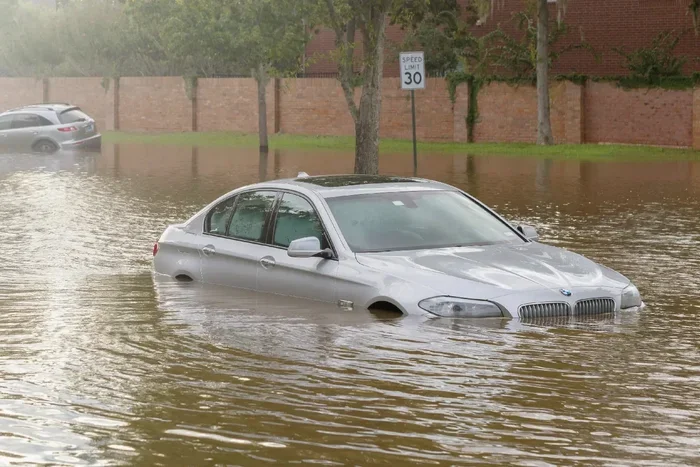
Several reasons make Florida a costly state for car insurance. First, the state has a large number of uninsured drivers. Studies show that roughly one in four Florida drivers does not carry insurance. This means insured drivers often end up paying more to cover the risk. Second, Florida’s weather poses a big threat. Hurricanes, tropical storms, and flooding can cause massive damage to vehicles. Insurers factor this risk into their monthly premium calculations.
Third, Florida has a high rate of accidents. The state’s population grows every year, and more cars on the road means more collisions. Insurance fraud is also a serious problem in Florida. Fraudulent claims drive up costs for everyone. Finally, Florida law requires Personal Injury Protection (PIP) coverage, which adds to the cost of your policy.
Average Monthly Car Insurance Rates in Florida
Now let us get to the numbers. The average car insurance cost Florida drivers pay ranges from about $100 to $300 per month. But this is a broad range. Your actual rate could be lower or higher depending on several factors.
Here is a general breakdown of what you might expect to pay each month:
- Minimum Liability Coverage: $50 to $100 per month. This meets the legal requirement but offers limited protection.
- Basic Full Coverage: $100 to $200 per month. This includes liability, collision, and comprehensive coverage.
- Premium Full Coverage: $200 to $300+ per month. This offers higher limits and additional protections.
These numbers can vary significantly. A young driver with a clean record might pay less than an older driver with multiple violations. Your driving record plays a huge role in determining your rate. Even a single speeding ticket can increase your monthly premium by 10 to 20 percent.
How Does Florida Compare to Other States?
Florida car insurance rates are among the highest in the country. States like Maine and Vermont have much lower average premiums because they have fewer accidents, less severe weather, and lower populations. In contrast, Florida’s combination of high accident rates, severe weather, and insurance fraud makes it a challenging market for both insurers and consumers.
If you are comparing auto insurance Florida rates to other states, expect to pay more. The national average for car insurance is around $100 to $150 per month. Florida often exceeds that by $50 or more per month. This is why it is so important to shop around and compare quotes.
Factors That Affect Your Florida Car Insurance Premium
Insurance companies use many factors to calculate your monthly car insurance premium. Understanding these factors can help you make smarter choices and potentially lower your costs.
Your Age and Driving Experience
Younger drivers, especially those under 25, pay the highest rates. Insurance companies view young drivers as high-risk because they lack experience behind the wheel. As you get older and build a clean driving record, your rates will generally decrease. Drivers in their 40s and 50s often enjoy the lowest insurance premiums.
Your Driving Record
A clean driving record is one of the best ways to keep your insurance costs down. Accidents, speeding tickets, and DUI convictions all signal risk to insurers. Even a minor fender bender from several years ago can affect your Florida car insurance rates. If you have a poor driving record, consider taking a defensive driving course. Many insurers offer discounts for completing these courses.
Your Credit Score
In Florida, insurers can use your credit score to help determine your premium. Drivers with higher credit scores typically pay less for car insurance. This might seem unfair, but studies show a correlation between credit scores and the likelihood of filing claims. If your credit score has improved recently, it is worth checking whether your insurer offers a credit-based insurance discount.
Your Location Within Florida
Where you live in Florida matters a lot. If you live in a busy city like Miami or Orlando, you will likely pay more than someone living in a rural area. Urban areas have more traffic, more accidents, and a higher risk of theft. Your zip code can influence your monthly premium significantly.
Your Vehicle Type
The car you drive also affects your insurance cost. A brand-new luxury SUV will cost more to insure than a reliable sedan. Insurers consider the vehicle’s price, safety features, and repair costs when setting your premium. If you are shopping for a car, it is smart to check insurance costs before you buy.
Types of Car Insurance Coverage in Florida
Florida requires specific types of insurance coverage. Understanding what each type covers can help you choose the right policy for your needs and budget.
Bodily Injury Liability Coverage
This coverage pays for injuries you cause to other people in an accident. Florida requires a minimum of $10,000 per person and $20,000 per accident. However, these minimums are quite low. Most experts recommend carrying at least $100,000 per person and $300,000 per accident for adequate protection.
Property Damage Liability Coverage
This coverage pays for damage you cause to someone else’s property, such as their vehicle or a fence. Florida requires a minimum of $10,000. Again, this minimum may not be enough to cover the cost of a serious accident.
Personal Injury Protection (PIP)
Florida is a no-fault state, which means PIP coverage is mandatory. PIP pays for your own medical expenses after an accident, regardless of who was at fault. The minimum PIP coverage in Florida is $10,000. PIP also covers lost wages and funeral expenses in certain cases.
Collision and Comprehensive Coverage
These are not required by Florida law, but they are important. Collision coverage pays for damage to your car from an accident. Comprehensive coverage pays for damage from events like theft, flooding, or a fallen tree. If you live in Florida, comprehensive coverage is especially valuable because of the risk of hurricane and flood damage. Does car insurance cover flood damage? Yes, if you have comprehensive coverage, it typically covers flood-related vehicle damage.
Uninsured Motorist Coverage
Since many Florida drivers do not carry insurance, uninsured motorist coverage is a smart addition. This coverage protects you if you are in an accident caused by a driver who has no insurance or not enough insurance. It can cover your medical bills and vehicle repairs.
How to Lower Your Monthly Car Insurance Cost
Paying less for car insurance does not mean sacrificing coverage. There are many legitimate ways to reduce your monthly car insurance premium in Florida. Here are some of the most effective strategies.
Shop Around and Compare Quotes
This is the single most important thing you can do. Insurance rates vary widely between companies. One insurer might charge you $150 per month while another charges $100 for the same coverage. Use online comparison tools to get quotes from at least three or four companies. You might be surprised at how much prices differ.
Bundle Your Insurance Policies
If you have homeowners or renters insurance, consider bundling it with your car insurance. Many insurers offer multi-policy discounts that can save you 10 to 25 percent on your total premium. Bundling is one of the easiest ways to lower your monthly bill.
Raise Your Deductible
Your deductible is the amount you pay out of pocket before your insurance kicks in. Choosing a higher deductible, such as $1,000 instead of $500, can lower your monthly premium. Just make sure you can afford the deductible if you need to file a claim.
Maintain a Clean Driving Record
Safe driving pays off in lower insurance costs. Avoid speeding tickets, accidents, and other violations. If you do receive a ticket, consider taking a defensive driving course. Many insurers offer discounts for drivers who complete these courses, and they can help keep your record clean.
Ask About Discounts
Insurance companies offer many discounts that most people do not take advantage of. Common discounts include:
- Safe driver discounts
- Good student discounts
- Military or veteran discounts
- Loyalty discounts for long-term customers
- Discounts for installing safety features like anti-theft devices
Call your insurer and ask what discounts you qualify for. You might be leaving money on the table.
Consider Usage-Based Insurance
Some insurers offer programs that track your driving habits through a mobile app or a device installed in your car. If you drive safely and keep your mileage low, you could qualify for significant discounts. This type of pay-per-mile insurance can be a great option for low-mileage drivers.
Review Your Policy Regularly
Your insurance needs change over time. If you have paid off your car loan, you may no longer need comprehensive and collision coverage. If your children have moved out, you might qualify for a discount. Review your policy at least once a year to make sure you are not paying for coverage you do not need.
Does Car Insurance Cover Hurricane Damage?
Florida residents often wonder about hurricane coverage. Does car insurance cover hurricane damage? Yes, if you have comprehensive coverage, it typically covers damage caused by hurricanes, including wind damage and falling debris. However, standard liability coverage does not cover weather-related damage to your vehicle.
It is also worth noting that comprehensive coverage typically covers hurricane damage to your car. But it is important to understand your specific policy details. Some policies may have separate hurricane deductibles or exclusions. Always read your policy carefully and ask your insurer questions if anything is unclear.
What About 1 Month Car Insurance?
If you need short-term coverage, 1 month car insurance options do exist. These can be useful if you are between vehicles, borrowing a car, or visiting Florida temporarily. Monthly policies often cost more on a per-day basis than annual policies, but they provide flexibility. Make sure any short-term policy meets Florida’s minimum coverage requirements.
Common Mistakes to Avoid When Buying Car Insurance in Florida
Buying car insurance can be confusing, and many people make mistakes that cost them money. Here are some common errors to avoid.
- Choosing only the minimum coverage: Florida’s minimum requirements are low, and they may not protect you financially after a serious accident.
- Not shopping around: Staying with the same insurer for years without comparing rates can mean you are overpaying.
- Ignoring your credit score: A poor credit score can raise your premiums. Work on improving your credit to lower your costs.
- Forgetting to ask about discounts: Many discounts go unclaimed because people do not ask about them.
- Dropping comprehensive coverage on an old car: This can be smart, but make sure the savings outweigh the risk of paying for repairs yourself.
Final Thoughts on Car Insurance Costs in Florida
Car insurance in Florida is expensive, but it does not have to break the bank. By understanding the factors that affect your premium and taking proactive steps to save money, you can find a policy that works for your budget. The key is to shop around, compare quotes, and review your coverage regularly.
Remember that the cheapest option is not always the best. You want a policy that provides adequate protection when you need it most. Take the time to understand what each type of coverage offers, and do not be afraid to ask your insurer questions. A well-informed driver is a protected driver.
Whether you are a new Florida resident or a long-time local, staying on top of your auto insurance Florida options will pay off in the long run. Your wallet will thank you, and more importantly, you will have peace of mind knowing you are properly covered.
Start today. Get quotes from multiple insurers, review your current policy, and explore the discounts available to you. Taking these small steps can lead to significant savings on your monthly car insurance premium for years to come.
Frequently Asked Questions
What is the average cost of car insurance in Florida per month?
The average car insurance Florida cost per month ranges from $100 to $300. Your actual rate depends on your age, driving record, location, and the type of coverage you choose. Drivers with clean records and minimum coverage tend to pay less.
Is car insurance more expensive in Florida than other states?
Yes, Florida is one of the most expensive states for car insurance. Factors like high accident rates, hurricane and flood risk, and a large number of uninsured drivers contribute to the higher Florida auto insurance rates. However, shopping around can help you find more affordable options.
Does credit score affect car insurance rates in Florida?
Yes, in Florida, insurers can use your credit score as a factor in determining your premium. Drivers with higher credit scores generally pay lower rates. Improving your credit score can lead to significant savings on your monthly car insurance premium.
What is the minimum car insurance required in Florida?
Florida requires bodily injury liability coverage of at least $10,000 per person and $20,000 per accident, property damage liability coverage of $10,000, and Personal Injury Protection (PIP) of $10,000. However, these minimums may not provide enough protection in a serious accident. It is wise to carry higher limits.
How can I lower my car insurance premium in Florida?
You can lower your premium by shopping around for quotes, bundling policies, raising your deductible, maintaining a clean driving record, and asking about available discounts. Even small changes like improving your credit score can make a noticeable difference in your Florida car insurance rates.
Does comprehensive coverage include hurricane and flood damage?
Yes, comprehensive coverage typically covers hurricane damage, wind damage, flooding, and other weather-related incidents. This makes it especially important for Florida drivers. If you want to know more about does car insurance cover flood damage, comprehensive coverage is the key. Check your specific policy for details on deductibles and exclusions.