How Much Does a P0171 Code Cost to Fix Your Vehicle
The P0171 code cost to fix typically ranges from $75 to $700 or more, depending on the root cause. This lean condition trouble code signals that your engine is running too lean on bank 1, and the repair price varies wildly based on what triggered it. Understanding the underlying cause is the single biggest factor in determining your final bill.
If your check engine light just came on and your scanner flashed a P0171 code, you are probably wondering what it means and how much it will cost to fix. The P0171 code cost to fix can swing dramatically depending on what is actually causing the problem. One vehicle might need a $75 repair, while another could face a $700 bill. That wide range is exactly why understanding the root cause matters so much.
In this guide, we will break down everything you need to know about the P0171 code. You will learn what triggers it, the most common causes, and exactly what mechanics charge to fix each one. We will also share practical tips to help you avoid overpaying and keep your engine running smoothly. By the end, you will have a clear picture of what to expect financially and mechanically.
Key Takeaways
- Average P0171 repair cost: Most fixes fall between $75 and $500 for simple issues, while complex repairs can exceed $700.
- Common causes include: Vacuum leaks, faulty oxygen sensors, dirty mass airflow sensors, and fuel delivery problems.
- Driving with a P0171 code: Possible short-term, but prolonged driving can cause catalytic converter damage and reduced fuel economy.
- DIY fixes are possible: Simple issues like cleaning the MAF sensor or replacing an air filter can be done at home for under $50.
- Insurance coverage varies: Some policies may help if the P0171 code led to further engine damage, but routine repairs are typically not covered.
- Early diagnosis saves money: Addressing the P0171 code quickly prevents costly secondary damage down the road.
- Labor costs matter: Shop rates and diagnostic fees can add $100 to $200 to your total repair cost.
📑 Table of Contents
What Does the P0171 Code Mean?
The P0171 code is a trouble code that indicates your engine is running lean on bank 1. In simple terms, this means there is too much air and not enough fuel in the combustion mixture. Modern engines rely on a precise balance of air and fuel to run efficiently. When that balance tips too far toward air, your engine cannot perform the way it should.
Your vehicle’s computer, also known as the powertrain control module (PCM), monitors the oxygen sensors to maintain this balance. When the sensor detects that the mixture is too lean for too long, it triggers the P0171 code and illuminates your check engine light. This is your car telling you something needs attention.
The term “bank 1” refers to the side of the engine that contains cylinder number one. In most four-cylinder engines, there is only one bank, so the P0171 code applies to the entire engine. In V6 and V8 engines, bank 1 is the side with the first cylinder, which matters when diagnosing the issue.
Common Causes of the P0171 Code
Understanding what causes a P0171 code is the first step toward estimating your repair cost. Several components can trigger this lean condition, and some are far more expensive to fix than others. Here are the most common culprits you should know about.
Vacuum Leaks
A vacuum leak is one of the most frequent causes of the P0171 code. Your engine relies on a sealed intake system to measure the correct amount of air. When an unmetered air leak enters the system, the engine runs lean because the computer does not account for that extra air.
Common sources of vacuum leaks include:
- Cracked or brittle vacuum hoses
- A loose or damaged intake manifold gasket
- A faulty PCV valve or hose
- Loose or damaged brake booster lines
Fixing a vacuum leak is usually one of the least expensive P0171 repairs. A simple hose replacement might cost under $50 in parts, while an intake manifold gasket job could run $200 to $400 including labor.
Faulty Oxygen Sensor
The oxygen sensor measures how much oxygen is in your exhaust gases and sends that data to the engine computer. When this sensor fails, it can send incorrect readings that cause the PCM to inject too little fuel. A bad oxygen sensor is a very common reason for the P0171 code.
Replacing an oxygen sensor typically costs between $100 and $300. The part itself runs $50 to $200, and labor usually takes less than an hour. Some vehicles have multiple oxygen sensors, so the cost can increase if more than one needs replacement.
Dirty or Faulty Mass Airflow Sensor
The mass airflow sensor (MAF) tells the engine computer how much air is entering the engine. When this sensor gets dirty or fails, it can underreport the airflow, leading the computer to inject too little fuel. This creates the lean condition that triggers the P0171 code.
Cleaning a dirty MAF sensor is inexpensive. A dedicated MAF cleaner spray costs around $10 to $15, and you can do it yourself in minutes. If the sensor needs replacement, expect to pay $150 to $350 including parts and labor.
Fuel Delivery Problems
If your engine is not getting enough fuel, it will run lean. Several fuel system components can cause this issue:
- Clogged fuel filter: Restricts fuel flow to the engine
- Weak fuel pump: Fails to deliver adequate fuel pressure
- Faulty fuel pressure regulator: Allows too much fuel to return to the tank
- Clogged fuel injectors: Limit the amount of fuel entering the combustion chamber
Fuel delivery repairs vary widely in cost. Replacing a fuel filter is cheap, often under $50. A fuel pump replacement can range from $400 to $800. A fuel pressure regulator fix typically costs $150 to $300.
Exhaust Leaks
An exhaust leak before the oxygen sensor can cause it to read incorrectly, leading the computer to adjust the fuel mixture too lean. Exhaust leaks often produce a loud ticking or hissing sound, especially when the engine is cold.
Repairing an exhaust leak costs anywhere from $100 for a simple gasket replacement to $500 or more if the exhaust manifold or piping needs extensive work.
Other Possible Causes
Less common triggers for the P0171 code include a faulty catalytic converter, engine mechanical issues like low compression, or a problem with the engine control module itself. These repairs tend to be the most expensive, sometimes reaching $1,000 or more.
P0171 Code Cost to Fix: Detailed Breakdown
Now that you understand the common causes, let us look at the actual P0171 code cost to fix for each scenario. These estimates reflect typical repair costs across most vehicle models and years. Your actual cost may vary based on your specific car, your location, and the repair shop you choose.
| Repair | Parts Cost | Labor Cost | Total Estimate |
|---|---|---|---|
| Vacuum hose replacement | $10-$30 | $50-$100 | $60-$130 |
| Intake manifold gasket | $30-$80 | $150-$300 | $180-$380 |
| Oxygen sensor replacement | $50-$200 | $50-$100 | $100-$300 |
| MAF sensor cleaning | $10-$15 | $0 (DIY) | $10-$15 |
| MAF sensor replacement | $100-$200 | $50-$100 | $150-$300 |
| Fuel filter replacement | $15-$40 | $30-$70 | $45-$110 |
| Fuel pump replacement | $200-$500 | $200-$300 | $400-$800 |
| Fuel pressure regulator | $50-$150 | $100-$200 | $150-$350 |
| Exhaust leak repair | $30-$150 | $70-$200 | $100-$350 |
| Diagnostic fee | Typically $75-$150 | $75-$150 | |
As you can see, the P0171 code cost to fix spans a huge range. The diagnostic fee alone typically runs $75 to $150, and this is often applied toward your total repair bill if you proceed with the fix. Always ask the shop if the diagnostic fee is waived when you authorize the repair.
How Labor Rates Affect Your Total Cost
Labor rates vary significantly by region and shop type. Dealerships typically charge the highest rates, often $100 to $200 per hour. Independent mechanics usually charge $75 to $120 per hour. Quick-lube shops and mobile mechanics may offer lower rates, sometimes $50 to $80 per hour.
For context, the average mechanic hourly rate across the country sits around $80 to $100 per hour. This is a useful benchmark when comparing quotes from different shops. Keep in mind that complex repairs requiring specialized tools or training, like fuel pump replacements on certain models, will command higher labor charges.
If you are curious about what mechanics generally earn, it helps to understand that most mechanics make between $25 and $50 per hour in wages, with shops marking up labor to cover overhead, tools, and training costs.
Can You Drive With a P0171 Code?
The short answer is yes, but with important caveats. A P0171 code does not usually cause immediate drivability emergencies in most cases. Your car will likely still run, but it may not run well. You might notice symptoms like rough idling, reduced power, poor fuel economy, or stalling.
However, driving with a lean condition for extended periods can cause serious engine damage over time. Here is what can happen if you ignore the P0171 code:
- Increased engine wear: A lean mixture burns hotter than normal, which can damage pistons, rings, and valve seats over time.
- Catalytic converter damage: Running lean causes excess oxygen in the exhaust, which can overheat and destroy the catalytic converter. Replacing a catalytic converter alone can cost $1,000 or more.
- Engine misfires: A persistently lean mixture can cause misfires that damage the catalytic converter and spark plugs.
- Reduced fuel economy: Your engine will burn more fuel trying to compensate for the lean condition, costing you money at the pump.
The bottom line is that you should not ignore the P0171 code. Getting it diagnosed and repaired promptly will save you from much more expensive repairs down the road. If you notice your engine overheating, running rough, or losing power, get it checked as soon as possible.
How to Reduce Your P0171 Repair Cost
Nobody wants to pay more than necessary for car repairs. Here are practical strategies to help you manage and potentially reduce your P0171 code cost to fix.
Get Multiple Quotes
Never settle on the first repair estimate you receive. Visit at least two or three shops and compare their diagnoses and quotes. Independent mechanics often charge less than dealerships for the same repair. Just make sure the shops you visit are reputable and experienced with your vehicle make and model.
Try Simple Fixes First
Before committing to expensive repairs, ask your mechanic about simpler and cheaper possibilities. Sometimes a vacuum leak is just a loose hose clamp that costs nothing to tighten. A dirty MAF sensor can often be cleaned with a $15 spray bottle. Starting with the least expensive options is smart diagnostic practice.
DIY What You Can
If you are handy with basic car maintenance, several P0171-related repairs are well within DIY range. Replacing air filters, vacuum hoses, and even oxygen sensors can be done at home with basic tools and a repair manual for your specific vehicle. This can save you hundreds of dollars in labor charges.
Check for Warranty Coverage
Some P0171 repairs may be covered under your vehicle’s powertrain warranty or emissions warranty. Check your warranty documentation or contact your dealer. Certain fuel system components and emissions-related parts may qualify for free or discounted replacement.
It is also worth noting that standard car insurance typically does not cover P0171 repairs since they are considered routine maintenance. However, if the lean condition caused further engine damage, you might have a claim depending on your policy. Car insurance may cover certain engine-related damage if it results from a covered event rather than normal wear and tear.
Preventing Future P0171 Codes
Once you have fixed the P0171 code, you want to make sure it does not come back. Prevention is always cheaper than repair, and a few simple habits can go a long way in keeping your engine healthy.
- Change your air filter regularly: A clogged air filter restricts airflow and can contribute to lean conditions. Replace it according to your vehicle’s maintenance schedule.
- Use quality fuel: Cheap or contaminated fuel can clog injectors and cause fuel delivery problems that trigger lean codes.
- Address check engine lights promptly: Do not ignore warning lights. Early diagnosis prevents small problems from becoming expensive repairs.
- Perform regular maintenance: Stay current with oil changes, spark plug replacements, and fuel system cleaning to keep your engine running properly.
- Listen for unusual sounds: Hissing, ticking, or whistling noises can indicate vacuum leaks or exhaust leaks that should be addressed early.
Taking a proactive approach to your vehicle’s health will save you money and keep your engine running strong for years to come. The P0171 code cost to fix is much easier to manage when you catch the problem early and address it before secondary damage occurs.
When to See a Professional
While some P0171 causes are simple enough for DIY repair, others require professional expertise and equipment. You should see a mechanic if:
- You have checked the obvious causes and the code persists
- Your vehicle shows multiple trouble codes alongside P0171
- You experience severe drivability issues like stalling or power loss
- The check engine light is flashing, which often indicates a more serious problem
- You suspect internal engine damage or fuel system failure
A professional mechanic has access to advanced diagnostic tools like live data scanners and smoke machines that can pinpoint vacuum leaks and sensor faults with precision. This accuracy often saves money in the long run by preventing unnecessary part replacements.
Many shops offer free or low-cost diagnostic scans as part of the repair process. Taking advantage of these services gives you a clear picture of what needs fixing before you commit to any work. It is always better to pay a small diagnostic fee upfront than to replace parts blindly and hope for the best.
Final Thoughts
The P0171 code cost to fix depends entirely on what is causing the lean condition in your engine. Simple fixes like vacuum hose replacements or MAF sensor cleaning can cost under $100, while complex fuel system or internal engine repairs can push the total well above $500. The key is getting an accurate diagnosis as early as possible.
Do not let the check engine light intimidate you. With the right information and a trusted mechanic, resolving a P0171 code is a very manageable repair. The most important step is simply to get it checked. Ignoring the code will not make it go away and can lead to much more expensive problems over time.
Take action today. Whether you tackle a simple fix yourself or visit a trusted mechanic, addressing the P0171 code promptly will keep your vehicle running efficiently and save you money in the long run. Your wallet and your engine will both thank you.
Frequently Asked Questions
What does the P0171 code mean in plain English?
The P0171 code means your engine is running lean on bank 1, which is a way of saying there is too much air and not enough fuel in the combustion mixture. Your vehicle’s computer detects this imbalance through the oxygen sensor and triggers the check engine light to alert you.
Is it safe to drive with a P0171 code?
You can usually drive a short distance with a P0171 code, but it is not recommended for extended periods. Running lean can cause engine overheating, increased wear on internal components, and potential damage to the catalytic converter. Have the code diagnosed and repaired as soon as possible.
What is the most common cause of a P0171 code?
The most common cause is a vacuum leak, which allows unmetered air into the intake system. Other frequent causes include a faulty oxygen sensor, a dirty mass airflow sensor, and fuel delivery problems like a clogged fuel filter or weak fuel pump.
Can a P0171 code clear itself?
In some cases, a P0171 code may clear itself if the root cause is temporary, such as a brief vacuum leak or a one-time fuel quality issue. However, if the underlying problem persists, the code will return. You should always address the root cause rather than simply clearing the code.
How much does it cost to diagnose a P0171 code?
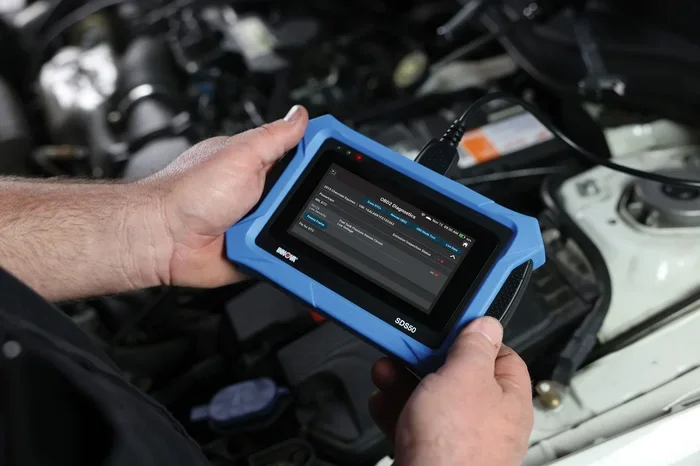
Diagnostic fees typically range from $75 to $150, though many shops waive this fee if you proceed with the repair. The diagnostic process involves connecting an OBD scanner to read the code, checking live sensor data, and performing visual inspections to pinpoint the cause.
Will fixing a P0171 code improve my fuel economy?
Yes, fixing the root cause of a P0171 code almost always improves fuel economy. A lean mixture causes your engine to work harder and burn fuel inefficiently. Once the air-fuel balance is restored, you should notice smoother running and better mileage at the pump.