What Is a Fuel Tank Flap And Why It Matters So Much
A fuel tank flap is the cover that seals your car’s fuel filler opening. It keeps fuel vapors contained, protects the fuel system from dirt and debris, and supports emissions control. A damaged or loose flap can trigger warning lights, reduce fuel economy, and even create safety hazards. Knowing how it works and when to replace it saves you time and money.
You probably never think about it every time you fill up your tank. But that little cover over your fuel filler door? It does a lot more than you might think. The fuel tank flap is a small but mighty part of your car. It seals the opening where you pour in gas or diesel. Without it, your fuel system would not work the way it should.
In this guide, we will break down everything you need to know about the fuel tank flap. We will cover what it does, how it works, common problems, and when you need to replace it. By the end, you will understand why this simple part matters so much for your vehicle.
Key Takeaways
- Seals the fuel filler: The flap creates a tight seal that prevents fuel vapors from escaping into the air.
- Supports emissions control: It works with the EVAP system to keep harmful hydrocarbons out of the atmosphere.
- Affects fuel economy: A loose or damaged flap can cause fuel vapor loss and reduce your miles per gallon.
- Triggers warning lights: A bad flap often causes the check engine light to come on and error codes to appear.
- Easy and cheap to replace: Most fuel tank flaps are simple to swap out and don’t cost a lot.
- Prevents contamination: The flap keeps dirt, water, and debris out of your fuel tank.
- Safety feature: It reduces the risk of fuel leaks and fire hazards.
📑 Table of Contents
What Is a Fuel Tank Flap?
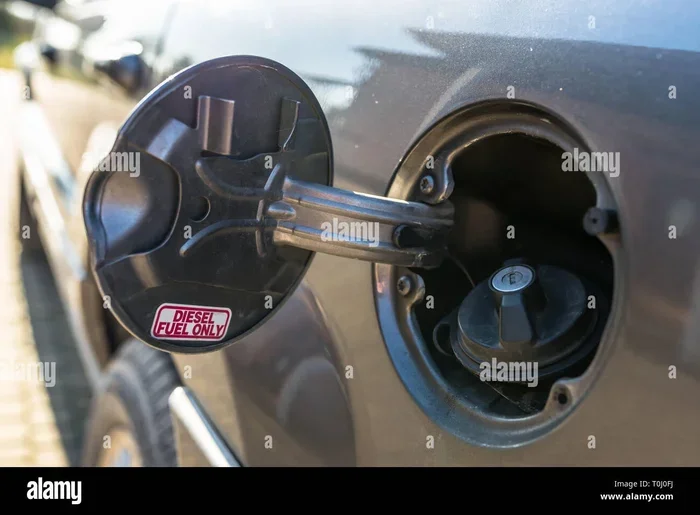
A fuel tank flap is the cover or door that seals the fuel filler opening on your car. It sits over the spot where you insert your gas pump nozzle or fuel can. You might also hear people call it a fuel door, gas cap cover, or fuel filler flap. No matter what name you use, it serves the same purpose.
The flap is usually made of plastic or metal. It attaches to your vehicle’s body near the rear wheel, often on the side or rear bumper area. Some cars have the flap built into the body panel. Others have a separate door that swings open. Either way, its job is to close tightly and keep the fuel tank sealed.
Here is what a fuel tank flap does in simple terms:
- Seals the fuel filler neck: It creates a tight barrier between the outside air and your fuel tank.
- Prevents fuel vapor leaks: Gas vapors are harmful and flammable. The flap keeps them contained.
- Blocks dirt and debris: It stops dust, water, and other contaminants from entering the tank.
- Supports the EVAP system: The flap works with the evaporative emissions control system to manage fuel vapors.
- Protects the fuel cap: It shields the gas cap from damage and weather exposure.
Think of the fuel tank flap as the front door to your fuel tank. Just like your front door keeps your home safe and sealed, this little cover does the same for your car’s fuel system.
How Does a Fuel Tank Flap Work?
The fuel tank flap might look simple, but it plays a key role in your vehicle’s overall fuel system. It works hand in hand with several other parts to keep things running smoothly.
The Seal and the Gasket
Most fuel tank flaps have a rubber gasket or seal around the edges. This gasket presses against the fuel filler neck when the flap is closed. It creates an airtight barrier. Without this seal, fuel vapors would escape every time you drove. That would be bad for the environment and your fuel economy.
Working With the EVAP System
The fuel tank flap is part of your car’s EVAP system. EVAP stands for evaporative emissions control. This system captures fuel vapors instead of letting them float into the air. The vapors travel through hoses and valves to a charcoal canister. From there, they get sent back to the engine to be burned.
If the flap seal is broken or the flap is missing, the EVAP system cannot do its job properly. This is why a loose or damaged fuel tank flap often triggers the check engine light. The car’s computer detects a leak in the system and logs a fault code.
The Fuel Cap Connection
Inside the flap sits the fuel cap. The fuel cap screws or twists onto the fuel filler neck. Together, the flap and the fuel cap form a double seal. The flap handles the outer protection. The fuel cap handles the inner seal. Both parts need to be in good shape for the system to work right.
If you have ever wondered whether you can flood a fuel injected car, a loose or missing fuel tank flap can actually contribute to fuel system issues. Vapor leaks can disrupt the air-fuel mixture and cause running problems.
Why the Fuel Tank Flap Matters So Much
You might be thinking, “It is just a little plastic cover. How important can it be?” More important than you think. Here is why the fuel tank flap deserves your attention.
Emissions Control
Your car produces fuel vapors all the time. These vapors contain hydrocarbons that are harmful to the environment. The EVAP system captures these vapors and recycles them. But the system only works if the fuel tank flap is sealed properly. A broken flap means vapors escape into the air. This contributes to air pollution and can cause your car to fail an emissions test.
Fuel Economy
A sealed fuel system keeps your fuel where it belongs: inside the tank. When vapors escape through a bad flap, you lose fuel. Over time, this adds up. You might notice your gas mileage dropping. That means more trips to the pump and more money spent. Keeping your fuel tank flap in good shape helps you get the best fuel economy possible.
Safety
Gas vapors are flammable. A fuel leak, even a small one, creates a fire risk. The fuel tank flap helps prevent leaks by keeping the fuel filler area sealed. It also protects the fuel cap from getting knocked loose by road debris or bumps. In hot weather, a properly sealed system prevents vapor buildup that could lead to pressure issues.
Check Engine Light Prevention
One of the most common reasons for a check engine light is a loose or damaged fuel cap or flap. The OBD system monitors the EVAP system for leaks. If it detects a problem, it throws a code and lights up your dashboard. Often, a simple fix like tightening the fuel cap or replacing the fuel tank flap turns the light off.
On the flip side, if you are dealing with other car parts that are going bad, such as a failing starter, understanding how different systems work together helps you diagnose problems faster. You can learn more about how to tell if a starter is going bad in our other guide.
Inspection and Smog Compliance
In many states, cars must pass emissions inspections to stay on the road. A faulty fuel tank flap can cause you to fail a smog check. The EVAP leak codes it triggers are easy to spot during testing. Replacing a worn flap before your inspection can save you from a costly redo or a registration problem.
Common Fuel Tank Flap Problems
Like any car part, the fuel tank flap can wear out or get damaged over time. Here are the most common issues drivers face.
Loose or Missing Flap
This is the simplest problem but one of the most common. The flap hinge or latch can break. Sometimes the flap just falls off after hitting a pothole or curb. A missing flap means the fuel filler is wide open. Dirt, water, and fuel vapors can all escape freely.
Cracked or Broken Seal
The rubber gasket around the flap can dry out, crack, or crumble over time. This happens especially in hot climates or with older vehicles. A cracked seal means the flap no longer creates a tight closure. Fuel vapors seep out slowly, often without any visible sign.
Rust and Corrosion
Metal fuel tank flaps can rust, especially in areas where roads are salted in winter. Rust weakens the flap and can eat through the seal area. A rusty flap might not close fully, leaving a gap that lets vapors escape.
Stuck or Jammed Flap
Sometimes the flap gets stuck in the closed position. This can happen if dirt builds up in the hinge or if the latch mechanism breaks. A stuck flap makes it hard to refuel your car. You might have to wiggle it or use a tool to pop it open.
EVAP System Leak Codes
A damaged fuel tank flap often triggers EVAP-related error codes. Common codes include P0442 (small leak detected), P0446 (vent control circuit issue), and P0457 (evaporative emission system leak detected). These codes point to a vapor leak somewhere in the system, and the flap is one of the first places to check.
If you are seeing warning lights or dealing with other vehicle issues, it is worth understanding how different systems interact. For example, some drivers wonder whether they can drive their Tacoma without a catalytic converter. While that is a different system, both the catalytic converter and the EVAP system work together to control emissions. A problem in one area can sometimes affect the other.
How to Maintain Your Fuel Tank Flap
Good news: maintaining your fuel tank flap is easy. It does not require special tools or mechanic skills. Here are some simple tips to keep it in great shape.
Check the Flap Regularly
Every time you fill up, take a quick look at the flap. Make sure it closes properly and the latch clicks into place. If it feels loose or wobbly, pay attention to it. Catching a problem early prevents bigger issues down the road.
Tighten the Fuel Cap
Sounds simple, but many drivers forget to tighten the fuel cap all the way after refueling. Always click it until you hear three to four clicks. A loose fuel cap can mimic a fuel tank flap problem and trigger the same warning lights.
Clean the Area
Dirt and grime can build up around the flap and the fuel filler neck. Use a damp cloth to wipe the area clean. This helps the seal stay tight and prevents debris from getting into the fuel system.
Replace the Gasket When Needed
The rubber gasket inside the flap wears out over time. If you notice fuel smells, a loose flap feel, or EVAP leak codes, check the gasket. Replacing it is cheap and easy. Most auto parts stores carry gaskets that fit common vehicle models.
Avoid Slamming the Flap
It might be tempting to just push the flap shut hard. But slamming it can damage the latch, hinge, or seal over time. Close it gently but firmly. If the flap does not close easily, check for debris or a bent latch before forcing it.
Watch for Warning Signs
Here are quick signs your fuel tank flap might need attention:
- The check engine light is on
- You smell fuel near the rear of the car
- The fuel cap feels loose even when tightened
- You failed an emissions test
- You notice a drop in fuel economy
- The flap does not close or latch properly
- You hear a hissing sound near the fuel filler
Spotting these signs early can save you from bigger repairs. If you notice any of these symptoms, inspect the flap and fuel cap right away.
When to Replace Your Fuel Tank Flap
So how do you know when it is time to replace the fuel tank flap? Here are the main situations where replacement makes sense.
- The flap is visibly cracked or broken: If you can see damage, it is time for a new one.
- The gasket is worn or crumbling: A bad seal means a bad flap. Replace the whole unit or just the gasket depending on the design.
- You keep getting EVAP leak codes: If codes keep coming back after tightening the fuel cap, the flap is likely the culprit.
- The flap hinge or latch is broken: A flap that does not stay closed needs to be replaced.
- You passed the damage to the surrounding body: Rust or holes near the flap area may require a more extensive repair.
The good news is that replacing a fuel tank flap is usually a quick and affordable fix. Most flaps cost between 20 and 80 dollars depending on your vehicle. Labor is often minimal since the part is easy to access. You can even do it yourself if you are comfortable working around the fuel area.
Just make sure to turn off your engine before you touch the fuel filler area. Work in a well-ventilated space. And never smoke or have open flames near the fuel tank. Safety always comes first.
DIY Replacement Tips
Want to swap out the flap yourself? Here is how to do it:
- Buy the right replacement flap for your vehicle make and model.
- Turn off the engine and let the car cool down.
- Remove any screws or bolts holding the old flap in place.
- Disconnect any wiring if your flap has a fuel cap sensor.
- Pull the old flap away from the fuel filler neck.
- Clean the area around the filler neck with a dry cloth.
- Install the new flap and secure all screws or bolts.
- Reconnect any wiring.
- Close the flap and make sure it latches properly.
- Start the engine and check for warning lights.
If you are not comfortable doing this yourself, any mechanic or quick-lube shop can handle the job in minutes. It is one of the easiest and cheapest repairs you can do for your car.
Final Thoughts
The fuel tank flap might be small, but it plays a big role in your vehicle. It seals the fuel filler, supports emissions control, protects fuel economy, and keeps you safe on the road. A damaged or missing flap can cause check engine lights, failed inspections, and even fuel smells.
The next time you fill up your tank, take a second to check your fuel tank flap. Make sure it closes tight and looks in good shape. A little attention goes a long way. This simple habit can save you from headaches, expensive repairs, and wasted fuel.
Your car works hard every day to get you where you need to go. Taking care of small parts like the fuel tank flap is one of the easiest ways to keep it running strong for years to come.
Frequently Asked Questions
Can a loose fuel tank flap cause the check engine light to come on?
Yes, a loose or damaged fuel tank flap can trigger the check engine light. The car’s computer monitors the EVAP system for vapor leaks. If the flap seal is broken, the system detects a leak and logs a fault code. Tightening the fuel cap or replacing the flap often fixes the problem.
How much does it cost to replace a fuel tank flap?
Most fuel tank flaps cost between 20 and 80 dollars for the part alone. Labor costs are usually low since the flap is easy to access. If you replace it yourself, you only pay for the part. A mechanic might charge an additional 30 to 60 dollars for labor.
Can I drive my car without a fuel tank flap?
You can drive short distances without a fuel tank flap, but it is not recommended. A missing flap allows fuel vapors to escape, dirt to enter the tank, and the fuel cap to get damaged. It can also cause you to fail an emissions test and trigger warning lights on your dashboard.
How do I know if my fuel tank flap gasket needs replacing?
Signs of a worn gasket include fuel smells near the rear of the car, a loose flap feel, EVAP leak codes, and a drop in fuel economy. You can also inspect the gasket visually. If it looks cracked, dry, or crumbling, it is time for a replacement.
Does the fuel tank flap affect fuel economy?
Yes, it can. A properly sealed fuel tank flap prevents fuel vapors from escaping. When the seal is broken, you lose fuel vapor over time. This can reduce your fuel economy slightly. Over many miles, the loss adds up and costs you more at the pump.
Can a fuel tank flap be repaired instead of replaced?
In most cases, it is better to replace the flap entirely. However, if only the gasket is worn, you can replace just the gasket. Some flaps also have replaceable latches or hinges. Check your vehicle model to see if individual parts are available before replacing the whole unit.