What Happens If You Never Replace Your Car Key Battery
Ignoring your car key battery can leave you stranded, locked out, or unable to start your vehicle. A dying key fob battery causes range loss, intermittent failures, and eventually complete key fob shutdown. Replacing the battery early saves time, money, and the frustration of emergency locksmith calls.
Your car key battery might seem like a tiny, forgettable component. But when it dies, the inconvenience hits fast and hard. You stand outside your car, pressing the button over and over, wondering what went wrong. The truth is, ignoring your car key battery can lead to a frustrating and sometimes expensive situation.
Many drivers don’t think about their key fob battery until it’s too late. They assume it will last forever or that they will notice the warning signs in time. Unfortunately, that is not always the case. A car key battery dies quietly, and by the time you realize there is a problem, you may already be locked out.
In this article, we will cover everything you need to know about what happens when you skip replacing your car key battery. We will look at the warning signs, the real risks, and what you can do to stay ahead of the problem. Whether you drive a Toyota, a Honda, or any other brand, this guide applies to you.
The good news? Replacing a key fob battery is cheap, fast, and easy. Most people can do it at home in under five minutes. But first, let us understand why this small battery matters so much to your daily driving experience.
Key Takeaways
- A dead key fob battery can prevent you from starting your car entirely, especially in vehicles with push-button start systems.
- Warning signs like reduced range and intermittent fob failures give you time to replace the battery before it dies completely.
- Most key fob batteries cost under $10 and take only a few minutes to swap out at home.
- You can still drive some cars with a dead key fob battery by using a backup method or hidden mechanical key.
- Dealerships and auto shops can replace your key fob battery if you prefer not to do it yourself.
- Replacing the battery on time prevents unnecessary stress and keeps your daily commute running smoothly.
📑 Table of Contents
- What Does a Car Key Battery Do?
- Warning Signs Your Car Key Battery Is Dying
- What Happens If You Never Replace Your Car Key Battery?
- How to Replace Your Car Key Battery
- Do You Need to Do Anything After Replacing the Battery?
- How Often Should You Replace Your Car Key Battery?
- Common Mistakes Drivers Make With Key Fob Batteries
- Expert Insights on Key Fob Battery Maintenance
- Final Thoughts
What Does a Car Key Battery Do?
The battery inside your car key fob powers the wireless signal that communicates with your vehicle. When you press the lock, unlock, or start button, the fob sends a coded signal to the car’s receiver. Without a working battery, that signal stops. Your car simply does not hear you.
Modern vehicles rely heavily on key fob technology. Many cars now use push button start systems that require the fob to be inside the cabin. If the fob battery dies, the system cannot detect the key. This means you cannot start the engine, even if the fob is right in your pocket.
The battery also powers other functions. These include remote start, trunk release, and panic alarm. Each of these features depends on a strong signal from the fob. A weak battery degrades the signal, and eventually kills it altogether.
Types of Batteries Used in Car Key Fobs
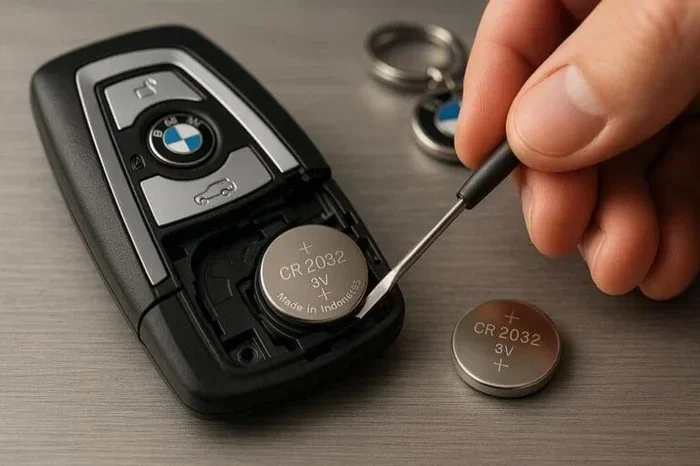
Most car key fobs use one of two battery types. The most common is the CR2032 coin cell battery. You can find this in almost any store. Some newer fobs use CR2025 or CR2016 batteries, which are slightly thinner but work the same way.
The battery typically lasts between two and four years. However, usage habits affect this timeline. If you use remote start frequently or live in a cold climate, the battery may drain faster. Cold weather is especially hard on key fob batteries because it reduces their ability to hold a charge.
Warning Signs Your Car Key Battery Is Dying
Your car gives you plenty of warning before the battery dies completely. The key is knowing what to look for. Most drivers ignore these small signals until the problem becomes serious. Do not make that mistake.
Reduced Signal Range
The first sign of a weakening key fob battery is a shorter range. You may notice that you need to be closer to the car for the fob to work. Previously, you could unlock your car from 30 feet away. Now it only works when you stand right next to it.
This happens because a low battery produces a weaker signal. The fob still transmits, but the car’s receiver struggles to pick it up. If you notice this change, it is time to replace the battery. Waiting too long will only make the problem worse.
Intermittent Functionality
Sometimes a dying battery causes inconsistent behavior. The fob works sometimes but not others. You might unlock the car on the first try, but the second try fails. Or the locks work fine in the morning but stop responding by afternoon.
This intermittent behavior is confusing and frustrating. Many drivers think the fob is broken and buy a replacement. But often, the real issue is simply a low battery. Before you spend money on a new fob, try replacing the battery first.
Delayed Response
A healthy key fob responds instantly when you press a button. A fob with a dying battery takes longer. You press the unlock button and wait a second or two before the car reacts. This delay is a clear indicator that the battery is losing power.
Pay attention to these small delays. They are easy to overlook, but they tell you a lot about the health of your car key battery. Catching them early gives you time to replace the battery before you get stuck.
Dashboard Warning Messages
Some newer vehicles display a warning on the dashboard when the key fob battery is low. This message might say “Key Fob Battery Low” or something similar. If your car shows this warning, do not ignore it.
Unfortunately, not all vehicles have this feature. Older models and some budget cars do not include low-battery alerts. That means you need to rely on the other warning signs to tell you when it is time for a change.
What Happens If You Never Replace Your Car Key Battery?
Now let us get to the core question. What actually happens when you let your key fob battery die and never replace it? The answer depends on your vehicle, but the consequences are mostly the same across the board.
You Cannot Start the Car
This is the biggest problem. In vehicles with push button start, the system needs to detect the fob inside the cabin before it will start. A dead battery means the fob cannot send that signal. You press the start button, and nothing happens.
Some cars have a backup solution. You can place the dead fob against the start button, and the car will read the passive chip inside. But this backup only works in certain models. You need to check your owner’s manual to see if your vehicle supports this feature.
If your car does not have a backup method, you are stuck. You cannot drive anywhere until the battery is replaced. This is especially problematic if you need to get to work or handle an emergency.
You Get Locked Out
A dead key fob battery means you lose remote access to your vehicle. You cannot unlock the doors from a distance. In some cars, the mechanical key becomes your only option. But not all fobs have an easily accessible mechanical key. Some require you to press a small release button or slide a panel to expose it.
Imagine this scenario. You arrive at the grocery store, reach for your fob, and nothing happens. You stand there, bags in hand, unable to get inside your car. This is the kind of situation that a simple battery replacement would have prevented entirely.
Remote Features Stop Working
Beyond starting the car and unlocking the doors, a dead battery kills all remote features. You lose remote start, trunk release, and panic alarm. If you rely on remote start to warm up or cool down your car before driving, you will need to adjust your routine.
These features add convenience to daily life. Losing them may seem minor, but after a few days without them, you will quickly realize how much you depended on them.
You Risk Being Stranded
The worst-case scenario is getting stranded. A completely dead car key battery means your fob is useless. If you are away from home and do not have a spare battery or mechanical key, you could be in a tough spot. You may need to call a locksmith or roadside assistance.
Both options cost time and money. A locksmith visit can run $50 to $150 or more. Roadside assistance may take an hour or longer to arrive. All of this can be avoided with a simple battery replacement that costs less than $5.
Some drivers wonder, can you drive a car if the key fob battery dies? The answer varies by vehicle. In some cars, you can still drive with a dead fob by placing it in a specific location near the start button. In others, the car simply will not start. To learn more about this, check out our detailed guide on what happens when your key fob battery dies while driving.
How to Replace Your Car Key Battery
The good news is that replacing a key fob battery is one of the easiest maintenance tasks you can do. You do not need any special tools or technical skills. Most people complete the job in under five minutes.
Step-by-Step Guide
Here is how to replace your car key battery the right way:
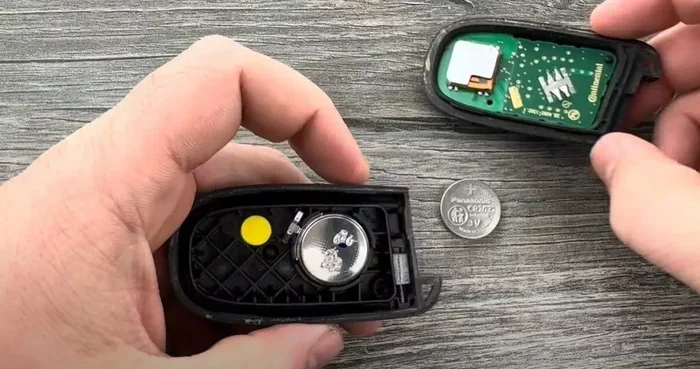
- Identify the battery type. Check your owner’s manual or look at the old battery. Most fobs use CR2032, but some use CR2025 or CR2016.
- Open the fob casing. Use a small flathead screwdriver or a coin to pry open the key fob. Look for a small notch along the seam.
- Remove the old battery. Note the orientation of the battery. The positive side usually faces up. Use a toothpick or plastic tool to pop it out gently.
- Insert the new battery. Place the new battery in the same orientation as the old one. Press it firmly into place.
- Close the fob. Snap the two halves back together until they click. Test the fob by pressing a button.
That is it. Five simple steps that can save you from a world of frustration. Keep a spare battery in your glove box so you are always prepared.
Where to Buy Replacement Batteries
You can buy key fob batteries at almost any store. Drugstores, grocery stores, and auto parts shops all carry them. Online retailers also offer bulk packs at a lower price. A single CR2032 battery typically costs between $1 and $5.
When buying, stick with well-known brands like Energizer, Duracell, or Panasonic. Cheap off-brand batteries may not last as long and could leak inside your fob, causing damage.
Do You Need to Do Anything After Replacing the Battery?
In most cases, replacing the battery is all you need to do. The fob should work immediately after you snap it back together. However, some vehicles require additional steps after a key fob battery replacement.
For example, certain Toyota models need the fob to be re-synced to the car after a battery change. You may need to hold a specific combination of buttons or place the fob near the reader to re-establish the connection. Always check your owner’s manual for post-replacement steps specific to your vehicle.
If you are unsure whether your car needs any extra steps after a battery change, our article on what to do after replacing your key fob battery covers this topic in detail.
When to Visit a Professional
Sometimes, replacing the battery does not solve the problem. If your fob still does not work after installing a new battery, the issue may be deeper. The fob itself could be damaged, or the car’s receiver may need reprogramming.
In these cases, it is best to visit a professional. Many dealerships can replace your key fob battery for free or a small fee. Some dealerships even offer free key battery replacement as part of their customer service. It never hurts to call and ask.
Before you go to the dealership, check if they carry your specific fob model in stock. Not all dealerships keep every fob type on hand. Calling ahead saves you a trip and ensures you get the right service quickly.
How Often Should You Replace Your Car Key Battery?
Most key fob batteries last between two and four years. However, there is no set schedule. The best approach is to replace the battery at the first sign of weakness. Do not wait for the fob to stop working entirely.
If you want to stay proactive, set a reminder on your phone every two years. This simple habit ensures you never get caught off guard. Mark the date you installed the new battery on the battery itself with a marker. That way, you always know when it was replaced.
Keep in mind that certain habits drain the battery faster. Using remote start frequently, pressing buttons unnecessarily, and storing the fob near electronic devices all shorten battery life. Being mindful of these habits can extend the time between replacements.
Common Mistakes Drivers Make With Key Fob Batteries
Even the most careful drivers make mistakes when it comes to key fob battery maintenance. Here are the most common ones to avoid.
Waiting Until the Fob Stops Working
The biggest mistake is waiting too long. By the time the fob stops working, you are already dealing with an inconvenient situation. Replacing the battery at the first sign of weakness keeps you ahead of the problem.
Using the Wrong Battery Type
Not all batteries are the same. Using the wrong type can damage the fob or cause it to malfunction. Always double-check the battery type before purchasing a replacement.
Touching the Battery Contacts with Metal
When removing or inserting the battery, avoid letting metal tools touch both terminals at once. This can cause a short circuit and damage the fob’s internal components. Use a plastic tool or your fingernail instead.
Ignoring the Mechanical Key
Many modern fobs come with a hidden mechanical key. Some drivers forget this key exists until they need it. Familiarize yourself with how to access the mechanical key on your fob. It can save you in an emergency when the battery dies unexpectedly.
Expert Insights on Key Fob Battery Maintenance
Automotive experts agree that key fob battery maintenance is one of the most overlooked aspects of car care. A simple battery swap every few years can prevent countless headaches. The cost is negligible compared to the hassle of being locked out or stranded.
Experienced technicians also recommend keeping a spare battery in your vehicle at all times. This way, if the battery dies while you are away from home, you have a backup ready. It takes up almost no space and could save you an expensive service call.
Another expert tip is to clean the battery contacts inside the fob when you replace the battery. Over time, corrosion can build up on the contacts, which weakens the connection even with a new battery. A quick wipe with a dry cloth keeps the connection strong and reliable.
Finally, experts suggest testing your fob range regularly. Stand a few feet from your car and try locking and unlocking it. If the range feels shorter than usual, do not wait. Replace the battery right away. This small habit goes a long way in keeping your daily routine smooth and stress-free.
Final Thoughts
Your car key battery is a small but essential part of your daily driving experience. Taking it for granted can lead to inconvenient and costly situations. The good news is that staying on top of this simple maintenance task takes almost no effort and costs very little.
Replace the battery at the first sign of weakness. Keep a spare in your glove box. And if you ever find yourself stuck with a dead fob, remember that you have options. Whether you replace it yourself or visit a dealership, the fix is quick and affordable.
Do not let a dead key fob battery ruin your day. Take action now, and you will never have to worry about being locked out of your own car again.
Frequently Asked Questions
How do I know if my car key battery needs replacing?
The most common signs include reduced signal range, intermittent fob functionality, delayed response when pressing buttons, and dashboard warning messages on newer vehicles. If you notice any of these, it is time to replace the battery before it dies completely.
Can I still drive my car if the key fob battery dies?
It depends on your vehicle. Some cars allow you to start the engine by placing the dead fob against the push-button start. Others require a working fob to start the engine. Check your owner’s manual or read our guide on driving with a dead key fob battery for model-specific details.
How much does it cost to replace a car key battery?
A key fob battery typically costs between $1 and $5. You can buy one at any drugstore, grocery store, or auto parts shop. The replacement process takes only a few minutes and requires no special tools.
Can any dealership replace my key fob battery?
Most dealerships can replace your key fob battery, and some offer this service for free. However, not all dealerships keep every fob model in stock, so it is a good idea to call ahead and confirm availability before visiting.
What type of battery does my car key fob use?
The most common battery type is the CR2032 coin cell. Some fobs use CR2025 or CR2016, which are thinner versions of the same battery. Check your owner’s manual or the old battery to confirm the correct type for your fob.
How long does a car key fob battery last?
A key fob battery typically lasts between two and four years. Heavy usage, cold weather, and frequent remote start use can shorten this lifespan. Replacing the battery proactively every two to three years helps prevent unexpected failures.