Warning Signs Your Hybrid Battery Needs Replacement
Knowing the warning signs your hybrid battery needs replacement can save you thousands of dollars and keep your car running smoothly. From decreased fuel economy to dashboard warning lights, these hybrid battery symptoms are easy to spot if you know what to look for. This guide covers every sign, cause, and solution you need.
Your hybrid car relies on a complex hybrid battery system to deliver the fuel efficiency and performance you expect. Over time, this battery degrades just like any other car component. The trick is catching the decline early before it leaves you stranded or facing a massive repair bill.
Whether you drive a Toyota Prius or another hybrid vehicle, the signs of a failing battery are usually clear. You just need to know what they look like. In this guide, we walk through every hybrid battery symptom you should watch for, what causes battery failure, and how to handle replacement the smart way.
Let’s dive in.
Key Takeaways
- Warning signs include: poor fuel economy, strange noises, dashboard alerts, and reduced electric-only range.
- Battery degradation is normal: Most hybrid batteries last 8-10 years before showing significant wear.
- Driving habits matter: Frequent short trips and extreme temperatures speed up battery decline.
- Replacement cost varies: Expect $1,000-$6,000 depending on your vehicle and battery type.
- Don’t ignore warning lights: The hybrid system light means immediate attention is needed.
- Professional diagnosis is key: A scan tool can confirm battery health before you commit to replacement.
📑 Table of Contents
- What Is a Hybrid Battery and How Does It Work
- Top Warning Signs Your Hybrid Battery Needs Replacement
- Common Causes of Hybrid Battery Failure
- How to Confirm Your Battery Is Failing
- Hybrid Battery Replacement Cost and Options
- What Happens If You Ignore the Signs
- Preventing Premature Battery Wear
- Final Thoughts on Hybrid Battery Replacement
What Is a Hybrid Battery and How Does It Work
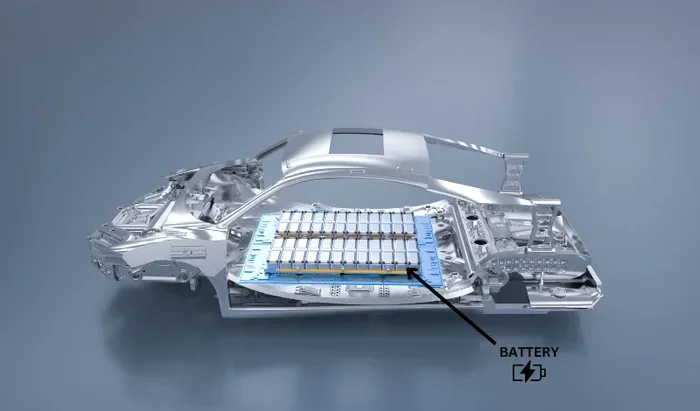
A hybrid battery stores electrical energy that works alongside your gasoline engine. Unlike a standard car battery, this unit is much larger and designed for repeated charge and discharge cycles. Most hybrids use either NiMH battery technology or lithium-ion battery packs depending on the model and year.
The battery works hand in hand with the electric motor and the gas engine. When you brake, the regenerative braking system captures energy and sends it back to the battery. This is why hybrids get such impressive fuel numbers.
A healthy battery maintains a steady state of charge. When that charge starts to drop or becomes inconsistent, your car tells you in several ways. Let’s look at those signals now.
Top Warning Signs Your Hybrid Battery Needs Replacement
Your car gives you plenty of clues before a battery completely fails. Here are the most common hybrid battery symptoms to watch for.
Diminished Fuel Economy
This is often the first sign something is wrong. If you notice your fuel economy drop significantly, the hybrid battery may be the culprit. A healthy battery assists the engine during acceleration and cruising. When it weakens, the gas engine picks up all the slack.
For example, if your Prius used to average 50 mpg and suddenly drops to 35 mpg, that’s a red flag. A dead hybrid battery forces the engine to work harder, burning more fuel in the process.
Strange Noises From the Powertrain
Unusual sounds deserve your attention. You might hear clicking, grinding, or whining noises coming from the hybrid powertrain. These sounds often indicate the battery modules are struggling or failing.
Some owners describe a humming noise that gets louder at low speeds. This typically points to the electric motor working overtime because the battery can’t provide enough support.
Dashboard Warning Lights
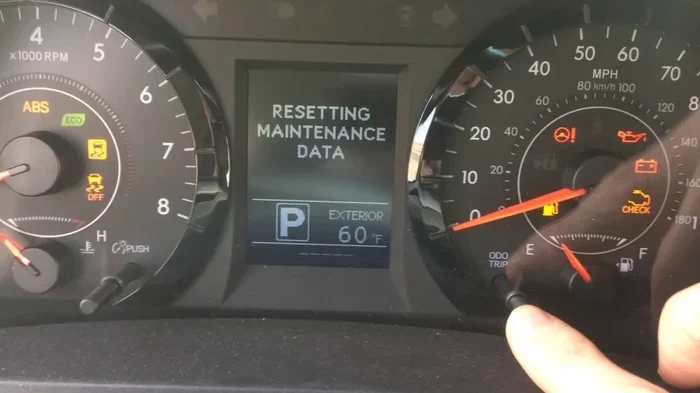
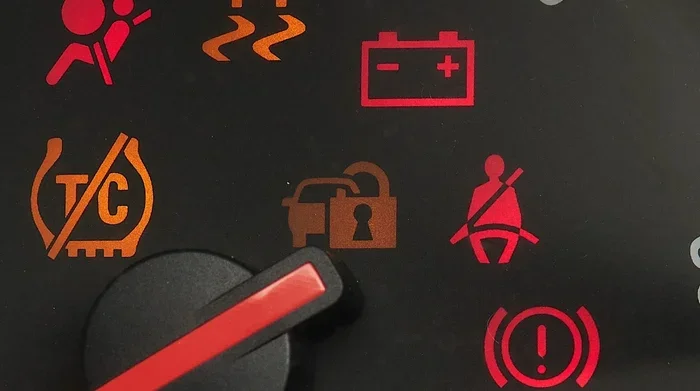
The hybrid system warning light is your clearest signal. If this light illuminates on your dashboard, don’t ignore it. Some vehicles also display a “Check Hybrid System” message on the information screen.
The wrench light can also appear if the battery is underperforming. If you see a bad battery cause the wrench light to come on, it’s time to get the system scanned right away. Many auto parts stores can read the diagnostic codes for free.
Reduced Electric-Only Driving Range
Most modern hybrids allow short bursts of electric-only driving at low speeds. If you notice this range shrinking dramatically, the battery capacity is fading. You might only get a few hundred feet of electric driving instead of a full mile.
This symptom is especially noticeable in stop-and-go traffic where electric mode should shine. If your car stays in gas mode more often than before, the battery is likely the problem.
Difficulty Starting the Vehicle
A weak hybrid battery can make starting your car a struggle. You might turn the key and hear the engine crank slowly or not at all. Sometimes the car starts but dies almost immediately.
This happens because the 12-volt auxiliary battery and the main hybrid battery work together during startup. If the main battery can’t hold a charge, the whole starting process suffers. You might even need to jump start a Toyota hybrid car if the situation becomes severe.
Battery Not Holding a Charge
One of the most obvious signs is a battery that won’t stay charged. You might drive for a few days and notice the charge level dropping faster than normal. Some owners check the battery health indicator on the dashboard display and see the bars declining over weeks.
If the battery shows fully charged after sitting overnight but drops to empty after a short drive, the cells are likely damaged. Individual battery modules can fail while the rest of the pack appears fine.
Common Causes of Hybrid Battery Failure
Understanding why batteries fail helps you prevent premature damage. Several factors contribute to battery degradation over time.
Age and Mileage
Most hybrid batteries last between 8 and 10 years or 100,000 to 150,000 miles. After this point, capacity naturally declines. Some Toyota batteries can exceed 200,000 miles, but that’s the exception rather than the rule.
If your car is hitting the 10-year mark, keep a close eye on battery performance. Regular monitoring can help you catch decline before it becomes a problem.
Extreme Temperatures
Both hot and cold weather stress the battery pack. High temperatures accelerate chemical breakdown inside the cells. Cold weather reduces the battery’s ability to deliver power efficiently.
If you live in an area with harsh winters or scorching summers, your battery may wear out faster. Parking in a garage or shaded area helps extend battery life significantly.
Frequent Short Trips
Short trips don’t give the battery enough time to fully recharge. Over time, this creates a condition called battery sulfation where the cells lose their ability to hold a full charge.
If your daily commute is under five miles each way, the battery rarely reaches optimal charge levels. This constant partial cycling wears the cells out faster than normal use would.
Improper Maintenance
Neglecting basic maintenance accelerates battery problems. A dirty air filter can cause your car to overheat, which indirectly stresses the battery. Similarly, a failing cooling fan for the battery pack can lead to overheating and cell damage.
Regular service checks keep everything running properly. Many dealerships include a battery health check during routine maintenance visits.
How to Confirm Your Battery Is Failing
Suspicion is not proof. Before you commit to a replacement, confirm the diagnosis with proper testing.
OBD-II Diagnostic Scan
A mechanic can plug a diagnostic scanner into your car’s OBD-II port. This tool reads error codes specific to the hybrid battery system. Common codes point to weak cells, voltage imbalance, or overall capacity loss.
The scan takes just a few minutes and often costs little to nothing at many shops. It’s the fastest way to know if your battery is actually failing.
Battery Capacity Test
A capacity test measures how much energy the battery can actually hold. A healthy battery should maintain at least 80% of its original capacity. If the test shows below 60%, replacement is likely the right move.
Some specialized shops and dealerships offer this test as part of a diagnostic service. It gives you concrete data instead of guessing based on symptoms alone.
Voltage Check Across Modules
Professional technicians check the voltage of individual battery modules. If one or more modules show significantly lower voltage than the others, those specific cells are failing. Replacing just the faulty modules can sometimes save you money versus a full pack replacement.
This test requires specialized equipment and training. It’s not something you should attempt at home unless you have significant experience with hybrid battery systems.
Hybrid Battery Replacement Cost and Options
Replacing a hybrid battery is a significant expense, but costs vary widely depending on several factors.
New vs. Refurbished Batteries
A brand-new OEM battery typically costs between $2,000 and $6,000 installed. Aftermarket options may run $1,500 to $4,000. Refurbished or rebuilt batteries offer a middle ground, often costing $800 to $2,500.
Many owners wonder if they can handle the job themselves. Can you replace a hybrid battery yourself? It’s possible for experienced DIYers, but the high-voltage system poses serious safety risks. Professional installation is strongly recommended for most people.
Warranty Coverage
Most Toyota hybrid batteries come with an 8-year or 100,000-mile warranty, whichever comes first. Some states extend this coverage further. If your battery fails within the warranty period, replacement is free or heavily discounted.
Check your specific vehicle’s warranty terms before assuming you’ll pay out of pocket. Many owners are surprised to learn they still have coverage.
Can a Dead Battery Be Recharged
Sometimes a deeply discharged battery can be recovered rather than replaced entirely. Professional reconditioning services can restore some capacity to a weakened battery. However, if the cells are physically damaged, recharging won’t help.
If you’re dealing with a dead Prius battery, it’s worth getting a professional assessment before deciding on replacement. A few hundred dollars for diagnosis can save you thousands if the battery is salvageable.
What Happens If You Ignore the Signs
Ignoring a failing battery leads to escalating problems. A mildly weak battery becomes a completely dead one over time. Eventually, your car may enter a “limp mode” where it limits performance to protect the system.
In severe cases, you might find yourself unable to drive the car at all. The electric motor and gas engine both rely on the hybrid battery to coordinate power delivery. Without a functioning battery, the entire hybrid powertrain suffers.
Some owners wonder if they can still drive with a bad battery. The answer depends on the severity of the failure. In some cases, the car runs on the gas engine alone but with dramatically reduced performance and fuel economy.
Preventing Premature Battery Wear
Good habits extend battery life and delay the need for replacement. Here are practical steps you can take today.
- Drive regularly: Consistent use keeps the battery cells active and balanced.
- Avoid full discharges: Try not to let the battery drop below 20% charge regularly.
- Manage temperature exposure: Park in shade or a garage when possible.
- Follow the maintenance schedule: Regular service catches small problems before they grow.
- Monitor battery health: Check the charge indicator on your dashboard periodically.
These simple steps add up over time. Many hybrid owners reach 150,000 miles or more on their original battery with proper care.
Final Thoughts on Hybrid Battery Replacement
Catching the warning signs your hybrid battery needs replacement early gives you the best outcome. You avoid being stranded, prevent further damage to the powertrain, and make a more informed decision about repair versus replacement.
If you notice any of the symptoms we covered, don’t wait. Get a professional diagnosis and explore your options. Whether you need a full replacement or just a module repair, early action always saves money and stress.
Your hybrid battery is the heart of your vehicle’s efficiency. Treat it well, and it will reward you with years of reliable, fuel-saving performance.
Frequently Asked Questions
How do I know if my hybrid battery needs replacement?
Watch for decreased fuel economy, dashboard warning lights, strange noises, and reduced electric-only driving range. These hybrid battery symptoms are clear indicators that your battery is degrading and may need professional testing or replacement soon.
Can I still drive my car if the hybrid battery is failing?
In many cases, yes, but with limitations. The car may run on the gas engine alone with reduced performance. However, ignoring a failing battery can lead to complete failure and leave you stranded. It’s best to address the issue promptly.
How much does it cost to replace a hybrid battery?
Costs typically range from $1,000 to $6,000 depending on your vehicle model, battery type, and whether you choose new, refurbished, or rebuilt options. Always check your warranty coverage first, as many batteries are still covered.
How long do hybrid batteries typically last?
Most hybrid batteries last between 8 and 10 years or 100,000 to 150,000 miles. With proper care and good driving habits, some batteries can exceed 200,000 miles. Regular maintenance and temperature management help extend lifespan significantly.
Can a dead hybrid battery be recharged instead of replaced?
Sometimes. If the battery is deeply discharged but the cells are not physically damaged, professional reconditioning can restore some capacity. However, if individual modules are faulty, replacement is the only real solution.
Is it safe to replace a hybrid battery myself?
It’s not recommended unless you have significant experience with high-voltage automotive systems. The hybrid battery carries dangerous voltage levels that can cause serious injury or death. Always seek professional installation for safety reasons.