How to Start a Car If the Ignition Is Bad Right Now
Dealing with a bad ignition can leave you stranded, but there are several ways to get your car running again. This guide covers the signs of a failing ignition, quick fixes you can try at home, and when to call a professional. Learn practical steps to start your car even when the ignition switch is faulty.
There’s nothing worse than turning your key and hearing nothing but silence. Your car won’t start, and you have somewhere to be. A bad ignition is one of the most common reasons this happens, and it can strike without warning.
Whether your ignition switch is worn out or the starter motor is failing, the good news is that you have options. You don’t need to be a mechanic to understand what’s going on or what to do about it. This guide walks you through everything step by step.
We’ll cover the signs that your ignition is going bad, quick fixes you can try right now, and the longer-term solutions that keep your car running. By the end, you’ll know exactly how to handle a faulty ignition and get back on the road with confidence.
Key Takeaways
- Recognize the Warning Signs: A stiff key, clicking sounds, or no response when turning the key are clear signs of a bad ignition.
- Try Simple Fixes First: Jiggling the key, steering wheel release, and checking the battery can often solve the problem temporarily.
- Know When to Call a Pro: If the ignition cylinder is damaged or the starter motor fails, professional help is the safest route.
- Prevent Future Issues: Regular maintenance of your ignition switch and electrical connections can extend the life of your ignition system.
- Safety Matters: Never force a key or ignore warning signs, as they can lead to bigger and costlier repairs.
📑 Table of Contents
- Signs Your Ignition Is Going Bad
- How to Start a Car with a Faulty Ignition Switch
- Common Causes of Ignition Failure
- Quick Fixes You Can Try at Home
- When to Call a Professional Mechanic
- Preventing Ignition Problems Before They Start
- How Mechanics Diagnose and Repair a Bad Ignition
- Key Takeaways
- Frequently Asked Questions
- Conclusion
Signs Your Ignition Is Going Bad
Spotting the warning signs early can save you from getting stranded. A failing ignition doesn’t always give you a lot of notice. But if you know what to look for, you can catch it before it leaves you stuck in the parking lot.
Stiff or Sticky Key
Your key should turn smoothly in the ignition cylinder. If it feels stiff, gritty, or like it’s fighting you, that’s a red flag. Over time, the internal parts of the ignition wear down. This makes it harder for the key to move into the “on” or “start” position.
No Response When You Turn the Key
You turn the key and nothing happens. No engine crank, no dashboard lights, no sound at all. This could mean the ignition switch isn’t sending power to the electrical system. It’s one of the clearest signs of a faulty ignition.
Clicking Sound Without Starting
A rapid clicking noise when you turn the key is a classic symptom. The starter solenoid is trying to engage but can’t. This often points to a weak electrical connection or a dying starter motor. Sometimes a bad battery plays a role too.
Intermittent Starting Problems
Your car starts fine sometimes and refuses other times. This inconsistency is frustrating and confusing. It often means the ignition switch has loose internal contacts. The connection works sometimes but fails when you need it most.
Dashboard Lights Flicker or Go Dim
If your dashboard lights flicker when you turn the key, the ignition may not be delivering steady power. A healthy ignition sends consistent electricity to all the electronics. Flickering means something is wrong with the electrical connection inside the switch.
How to Start a Car with a Faulty Ignition Switch
So your car won’t start and you suspect the ignition is bad. What can you do right now? There are several methods you can try before calling for help. Some are quick fixes, and others are temporary workarounds that get you moving.
Method 1: Jiggle the Key While Turning
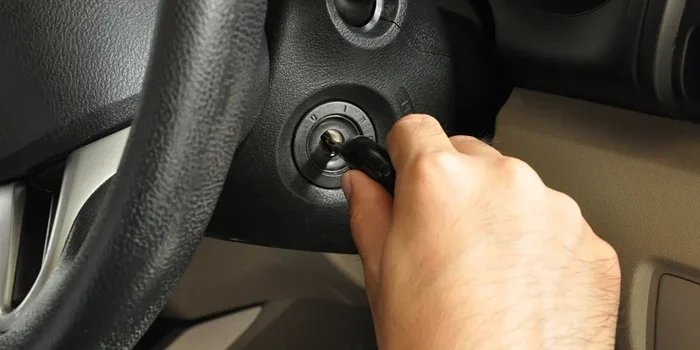
This sounds too simple, but it works more often than you’d think. While gently turning the key, wiggle it back and forth. You’re trying to make contact with the worn electrical tabs inside the ignition cylinder. A little movement can bridge the gap between a failing connection and a successful start.
Method 2: Release the Steering Wheel Lock
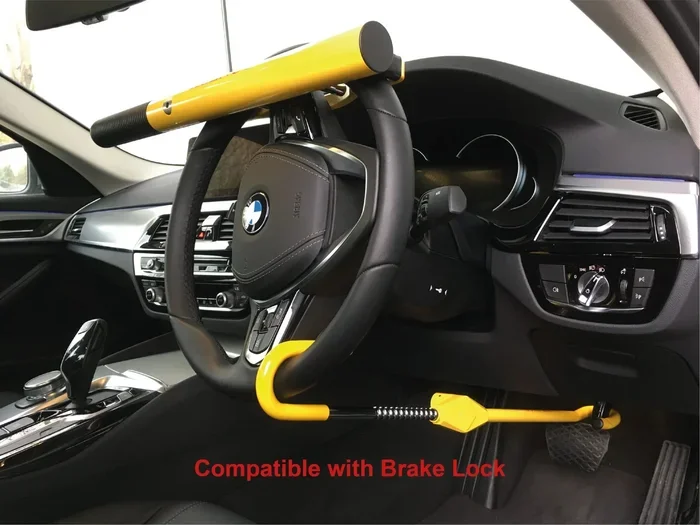
Sometimes the steering wheel locks up and puts pressure on the ignition lock cylinder. This pressure can prevent the key from turning fully. Gently rock the steering wheel left and right while trying to turn the key. Once the lock releases, the key should turn smoothly.
Method 3: Tap the Starter Motor
Have a friend or passerby give the starter motor a few light taps with a wrench while you turn the key. This can free up a stuck starter solenoid. The tap jostles the internal components just enough to make contact. Be gentle, though. You don’t want to damage the starter motor further.
Method 4: Check and Jump the Battery
A weak battery can mimic the symptoms of a bad ignition. Before assuming the ignition is the problem, check your battery voltage. If it’s low, try jumping the car with jumper cables or a portable jump starter. Sometimes the real issue is just a drained battery, not the ignition switch at all.
If you’ve already replaced the battery and still have trouble, this article on car won’t start with a new battery can help you troubleshoot further.
Method 5: Use a Spare Key
Your original key might be worn down. The ridges that interact with the ignition cylinder can wear thin over time. Try a spare key if you have one. A fresh key with clean ridges can sometimes turn where the old key can’t.
Common Causes of Ignition Failure
Understanding why your ignition went bad in the first place helps you prevent it from happening again. Several factors can wear down your ignition switch over time. Some are tied to normal use, and others come from neglect.
Worn-Out Key and Cylinder
This is the number one cause. Every time you insert and turn your key, you create friction. Over thousands of uses, the ignition cylinder wears down. The internal contacts become less reliable. Eventually, they fail to make the connection needed to start the car.
Electrical Connection Problems
The ignition switch relies on electrical connections to send power. Corrosion, dirt, or loose wiring can interrupt this flow. Even a thin layer of oxidation on the contacts can cause problems. Regular inspection of the electrical connections can catch this early.
Overheating of the Ignition Switch
Your car’s ignition can overheat, especially in hot climates or after long drives. Heat causes the internal components to expand and warp. This distorts the electrical contacts and leads to intermittent or complete failure. If your car stalls after driving for a while, overheating might be the culprit.
Steering Column Damage
The ignition lock cylinder sits inside the steering column. Any damage to the column from an accident or heavy impact can throw off the alignment. A misaligned cylinder makes it hard or impossible for the key to turn properly.
Faulty Starter Motor or Solenoid
Sometimes the problem isn’t the ignition switch itself but the starter motor or solenoid it activates. A bad solenoid won’t engage the starter even when the switch works correctly. This creates the same symptoms as a faulty ignition. Knowing the difference matters for the right fix.
If you’re unsure whether your starter motor is the issue, check out this guide on how to tell if a starter is going bad for more detailed troubleshooting steps.
Quick Fixes You Can Try at Home
Not every ignition problem requires a trip to the mechanic. Some fixes are simple enough to handle in your driveway or garage. Here are a few things you can try before making a service appointment.
Clean the Ignition Cylinder
Dust and debris can build up inside the ignition cylinder over time. Use a can of compressed air to blow out any loose particles. You can also apply a small amount of electrical contact cleaner to the keyhole. Let it sit for a minute, then insert and remove the key several times to distribute the cleaner.
Check the Fuses
Your car’s ignition system relies on fuses to protect the electrical circuits. A blown fuse can stop the system from working entirely. Locate your fuse box and check the fuses related to the ignition and starter. Replacing a blown fuse is cheap and easy.
Lubricate the Keyhole
A dry ignition cylinder creates friction that wears down the key and switch. Use a graphite-based lubricant specifically designed for locks. Avoid oil-based lubricants, as they can attract dust and make things worse. A little graphite goes a long way.
Battery Terminal Maintenance
Corroded battery terminals can prevent your car from getting the power it needs to start. Clean the terminals with a wire brush and a baking soda and water solution. Make sure the connections are tight and secure. Clean terminals ensure a strong electrical flow to the starter motor and ignition system.
Try the Push Start Method (For Keyless Systems)
If your car has a push-button start and the key fob battery is weak, you might still be able to start the car. Place the key fob directly against the start button. Some systems can read the fob this way even with a low battery. Check your owner’s manual for the exact method for your vehicle.
For more on key fob battery issues, see this article about driving a car when the key fob battery dies.
When to Call a Professional Mechanic
Some ignition problems are beyond DIY fixes. Knowing when to call in the experts can save you time, money, and a lot of frustration. Here are the situations where professional help is the smart move.
The Key Won’t Turn At All
If your key is completely stuck in the ignition cylinder, don’t force it. Forcing the key can break it inside the lock, creating an even bigger problem. A mechanic has the tools to safely remove the broken key and replace the cylinder.
You’ve Tried Everything and Nothing Works
If you’ve tried jiggling the key, cleaning the cylinder, checking the battery, and testing the fuses, it’s time for a pro. A mechanic can run diagnostic tests on the ignition switch and electrical system. They can pinpoint the exact cause with specialized equipment.
Your Car Stalls While Driving
If the ignition fails while you’re on the road, it’s a serious safety concern. A stalling engine means you lose power steering and brakes. Pull over safely and call for roadside assistance. This is not a problem to DIY fix on the side of the highway.
The Steering Wheel Lock Won’t Release
A steering wheel lock that won’t release can indicate a deeper problem with the ignition lock mechanism. Trying to force it can damage the steering column. A mechanic can safely release the lock and inspect the mechanism for damage.
You Notice Burning Smells or Smoke
Burning smells near the steering column are a serious warning sign. They could indicate electrical shorts or overheating components. Stop driving immediately and call a tow truck. Ignoring electrical burning smells can lead to a fire.
When the ignition problem is more complex, a professional can also check related systems like the fuel pump and spark plugs. Sometimes what looks like an ignition problem is actually a fuel delivery issue or a spark problem. A mechanic can test all of these systems together.
Preventing Ignition Problems Before They Start
The best way to deal with a bad ignition is to prevent it from happening in the first place. Regular maintenance and good habits can keep your ignition switch working smoothly for years to come.
Use the Right Key
Always use the correct key for your vehicle. Duplicate keys from unauthorized sources may not cut properly. A poorly cut key wears down the ignition cylinder faster. Stick with your dealer or a trusted locksmith for key replacements.
Don’t Carry Heavy Keychains
Heavy keychains put extra stress on the ignition switch when the key is in the “on” position. The weight can slowly wear out the internal contacts. Keep your ignition key on a lightweight keychain or remove it when the car is running.
Turn Off Accessories Before Shutting Off
Headlights, air conditioning, and audio systems draw power when the key is in the “accessory” or “on” position. Turning them off before shutting the engine down reduces the electrical load on the ignition system. This small habit can extend the life of your switch.
Schedule Regular Electrical Checkups
During routine maintenance, ask your mechanic to inspect the ignition system and electrical connections. A simple visual check can reveal corrosion or loose wires before they become big problems. Prevention is always cheaper than repair.
Replace Worn Keys Promptly
If your key looks worn down or feels thin, get it replaced. A worn key doesn’t engage the ignition cylinder properly. This causes extra wear on both the key and the switch. A new key is inexpensive and can prevent a host of ignition problems.
How Mechanics Diagnose and Repair a Bad Ignition
When you take your car to a shop, the mechanic follows a systematic process to diagnose the problem. Understanding this process helps you know what to expect and what questions to ask.
Visual Inspection
The mechanic starts with a visual inspection of the ignition switch, wiring, and connections. They look for signs of corrosion, burning, or physical damage. This initial check often reveals the problem quickly.
Electrical Testing
Next, the mechanic uses a multimeter to test the electrical output of the ignition switch. They check for proper voltage at each position of the key. If the voltage drops or fluctuates, the switch is likely faulty.
Starter and Solenoid Testing
The mechanic also tests the starter motor and solenoid to rule out these components. Sometimes the problem is a combination of issues. Testing everything ensures nothing gets missed.
Replacement of the Ignition Switch or Cylinder
If the ignition switch is confirmed as bad, the mechanic will replace it. This is a relatively straightforward repair on most vehicles. The cost typically ranges from $150 to $350 depending on the make and model. Replacing the ignition cylinder is a similar process if the cylinder itself is worn.
For drivers who need to understand more about their car’s starting system, you might also want to read about whether a bad battery can cause the wrench light to come on, as electrical issues can trigger multiple warning lights.
Key Takeaways
- Recognize the Warning Signs: A stiff key, clicking sounds, or no response when turning the key are clear signs of a bad ignition.
- Try Simple Fixes First: Jiggling the key, releasing the steering wheel lock, and checking the battery can often solve the problem temporarily.
- Know When to Call a Pro: If the ignition switch is damaged or the starter motor fails, professional help is the safest route.
- Prevent Future Issues: Regular maintenance of your ignition system and electrical connections can extend the life of your ignition components.
- Safety Comes First: Never force a key or ignore warning signs, as they can lead to bigger and costlier repairs down the road.
Frequently Asked Questions
Can a bad ignition cause my car to stall while driving?
Yes, a failing ignition switch can cut power to the engine while you’re driving. This can cause stalling, loss of power steering, and loss of power brakes. If this happens, pull over safely and seek professional help immediately.
Is it safe to drive with a bad ignition?
It depends on the severity. If your car starts intermittently, driving is risky because it might stall at any moment. If the car won’t start at all, you obviously can’t drive it. It’s best to address ignition problems before hitting the road.
How much does it cost to replace an ignition switch?
The cost typically ranges from $150 to $350 for parts and labor. The exact price depends on your vehicle’s make and model. Some luxury or newer vehicles may cost more due to the complexity of the ignition system.
Can I replace the ignition switch myself?
If you have basic mechanical skills and the right tools, you can replace an ignition switch yourself. However, working with the electrical system carries risks. If you’re not confident, it’s safer to let a professional handle the job.
What’s the difference between an ignition switch and an ignition cylinder?
The ignition switch is the electrical component behind the lock cylinder. The ignition cylinder is the physical lock where you insert the key. They work together but serve different functions. Sometimes both need replacement, and sometimes just one does.
Can a dead key fob battery cause ignition problems?
A dead key fob battery can prevent push-button start systems from recognizing the fob. However, it won’t affect traditional key ignitions. If you have a keyless system, try placing the fob against the start button as a workaround.
Conclusion
A bad ignition doesn’t have to ruin your day. With the right knowledge and a calm approach, you can often get your car started and find a lasting solution. Whether it’s a quick jiggle of the key, a battery jump, or a professional repair, the options are there.
Pay attention to the warning signs early. A stiff key or occasional clicking is your car telling you something needs attention. Addressing ignition problems promptly saves you from bigger headaches down the road. Keep your ignition system well-maintained, use the right key, and don’t ignore the small symptoms.
Remember, your safety comes first. If something feels wrong or you’re unsure, don’t hesitate to call a trusted mechanic. A little prevention and timely action go a long way in keeping your car reliable and your trips stress-free. Now you know exactly what to do when your car won’t start because of a bad ignition, and that makes all the difference.