How to Cycle an Ignition Key Without Calling a Locksmith
Knowing how to cycle an ignition key can save you time and money. This guide walks you through the process step by step, so you can handle common starting problems on your own. You will learn when cycling helps, how to do it safely, and when to call a professional for help.
There is nothing more frustrating than turning your key and hearing nothing but silence from your engine. Whether your car refuses to start in the morning or your dashboard lights start acting up, cycling an ignition key can often solve the problem without a single phone call to a locksmith. This simple technique has helped countless car owners reset their vehicle’s systems and get back on the road fast.
In this guide, we will walk you through exactly how to cycle an ignition key, when it works best, and what to do if the problem persists. You do not need any special tools or mechanical experience. Just a few minutes and a willingness to try something simple before spending money on expensive repairs.
We will also cover common mistakes to avoid, tips for keeping your ignition system healthy, and the telltale signs that it is time to seek professional help. By the end of this article, you will feel confident handling ignition issues like a pro.
Key Takeaways
- Cycling an ignition key means turning it through the OFF, ACC, ON, and START positions to reset your vehicle’s systems.
- This simple process can fix minor electrical glitches, clear error codes, and resolve steering wheel lock issues.
- You should cycle your key when your car won’t start, dashboard lights act strangely, or the engine stalls unexpectedly.
- Always follow the correct sequence and wait between positions to let the onboard computer reset properly.
- Worn or damaged keys may need professional attention, and a locksmith can help if cycling does not solve the problem.
- Regular key maintenance, like cleaning the ignition cylinder, can prevent future starting issues.
- If your key fob battery dies, you may still be able to start the car using a backup method.
📑 Table of Contents
- What Does It Mean to Cycle an Ignition Key?
- When Should You Cycle Your Ignition Key?
- Step-by-Step Guide to Cycling an Ignition Key
- Common Problems That Cycling an Ignition Key Can Fix
- When Cycling the Ignition Key Is Not Enough
- Tips to Keep Your Ignition Key Working Smoothly
- Frequently Asked Questions
- Final Thoughts
What Does It Mean to Cycle an Ignition Key?
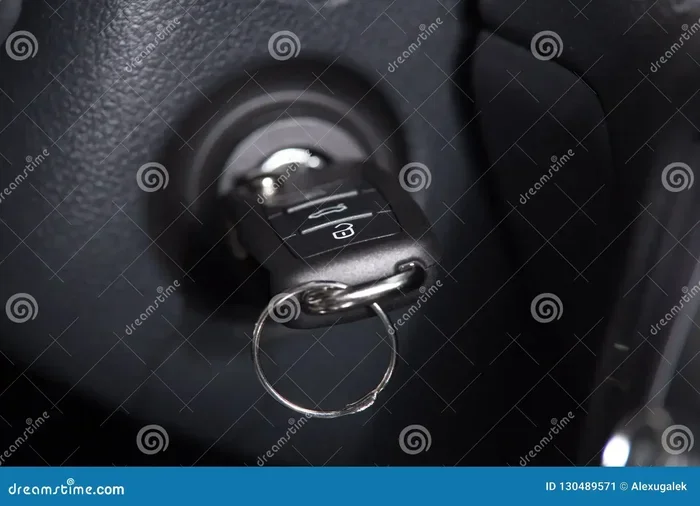
Cycling an ignition key means turning the key through its normal positions in a specific order. Each position sends a different signal to your vehicle’s computer and electrical systems. When you cycle the key correctly, you essentially tell the car to reset its onboard systems, much like restarting a computer.
The standard positions on most vehicles are OFF, ACC (accessories), ON (run), and START. Moving the key through these positions in order allows the car’s computer to reboot and clear minor electrical faults. Think of it as a soft reset for your vehicle.
This technique works because modern cars rely heavily on electronic control modules. Sometimes these modules get confused or lock up due to a minor voltage fluctuation, a loose connection, or a sensor glitch. Cycling the key forces the system to power down and power back up, which often clears the error and restores normal function.
Why Is Cycling an Ignition Key Useful?
There are several reasons why cycling your ignition key is a valuable troubleshooting tool. First, it costs nothing and takes less than a minute. Second, it can resolve issues that might otherwise send you to a repair shop. Third, it helps you understand your vehicle better, which builds confidence as a car owner.
Many people do not realize that a simple key cycle can fix a steering wheel lock, reset the dashboard warning lights, or clear a minor error code stored in the car’s computer. It is one of those hidden car care tips that every driver should know.
When Should You Cycle Your Ignition Key?
Not every car problem requires an ignition key cycle. Knowing when to try this technique saves you time and prevents unnecessary frustration. Here are the most common situations where cycling your key can help.
Car Won’t Start
If you turn the key and the engine does not crank, a quick ignition cycle might do the trick. Sometimes the fuel pump relay or the starter relay gets stuck in one position. Cycling the key forces these relays to reset and engage properly.
Before trying anything else, turn the key to OFF, wait a few seconds, then move it to ACC, then ON, and finally to START. This sequence gives each electrical component time to activate in the correct order.
Dashboard Warning Lights Are Acting Strangely
When multiple warning lights flash on your dashboard at random, your car’s computer may need a reset. Cycling the ignition key clears temporary sensor errors and refreshes the system. After the cycle, watch to see if the lights return or stay off.
Steering Wheel Lock Engagement
A steering wheel lock can prevent you from turning the key at all. This safety feature activates when the wheels are turned while the car is off. Cycling the key while gently wiggling the steering wheel often releases the lock and lets you start the engine.
Intermittent Electrical Issues
If your radio resets itself, your power windows act up, or your gauges flicker randomly, the electrical system may have a loose connection. A key cycle can stabilize the voltage and restore normal function to these accessories.
Step-by-Step Guide to Cycling an Ignition Key
Follow these steps carefully to cycle your ignition key safely and effectively. Each step matters, and rushing through the process can reduce its effectiveness.
Step 1: Park on a Flat Surface
Always start with your car parked on a flat, stable surface. Engage the parking brake and make sure the transmission is in Park (automatic) or Neutral (manual). This prevents any accidental movement while you work with the ignition.
Step 2: Turn the Key to the OFF Position
Insert your key into the ignition cylinder and turn it fully to the OFF position. You should feel a slight click or detent when the key reaches this position. Wait about five seconds to allow the electrical systems to fully power down.
Step 3: Move to the ACC Position
Turn the key one notch forward to the ACC position. This powers your accessories like the radio, power windows, and dashboard lights. Hold the key in this position for about three seconds. You will notice the accessories activate.
Step 4: Move to the ON Position
Continue turning the key one more notch to the ON position. This is the run position where the engine control module and fuel system receive power. The dashboard warning lights should illuminate briefly and then begin to dim or turn off. Hold this position for about five seconds.
Step 5: Turn the Key to START
Now turn the key fully forward to the START position. You should hear the starter motor engage and the engine begin to crank. Once the engine starts, release the key immediately. The key will spring back to the ON position on its own.
Step 6: Let the Engine Run
Allow the engine to idle for at least 30 seconds after starting. This gives the onboard computer time to complete its self-check and confirm that all systems are functioning normally. If the engine runs smoothly, you have successfully completed the cycle.
Step 7: Repeat If Necessary
If the engine does not start on the first try, repeat the entire cycle two or three times. Sometimes the fuel pump needs multiple cycles to build proper pressure. However, do not crank the engine for more than 10 seconds at a time to avoid overheating the starter motor.
Common Problems That Cycling an Ignition Key Can Fix
Cycling your ignition key is not a magic fix, but it does resolve a surprisingly wide range of common car problems. Here is a closer look at what this technique can address.
Resetting the Fuel Pump Relay
Your fuel pump delivers gasoline from the tank to the engine. When the relay gets stuck, the engine may crank but not fire. Cycling the key forces the relay to click into place and build fuel pressure. This is one of the most common fixes for a no-start condition.
Clearing Minor Error Codes
Your car’s computer stores error codes when sensors detect problems. Some of these codes are temporary and clear themselves after a power cycle. Cycling the ignition key resets the system and erases these minor codes without needing a diagnostic scanner.
Releasing the Steering Column Lock
The steering column lock is an anti-theft feature that engages whenever you turn off the car with the wheels turned. If the lock jams, you cannot insert or turn the key. Cycling the key while gently moving the steering wheel back and forth usually releases the lock within a few attempts.
Restarting the Onboard Computer
Modern vehicles have multiple computers that control everything from engine timing to transmission shifting. When these computers glitch, they can cause strange drivability issues. A key cycle forces them to restart and reload their default settings.
When Cycling the Ignition Key Is Not Enough
Sometimes a simple key cycle will not solve the problem, and that is perfectly okay. Knowing when to stop trying DIY fixes and call for help is just as important as knowing the fix itself. Here are signs that your issue needs professional attention.
The Key Will Not Turn at All
If your key is stuck in the ignition and will not move, the problem may be a worn ignition cylinder or a broken key. Forcing the key can cause further damage. In this case, it is best to call a locksmith who can safely extract or replace the cylinder.
You Have a Key Fob Instead of a Traditional Key
Many newer vehicles use push-button start or smart key fobs. These systems work differently from traditional ignition keys. If your key fob battery dies, you might still be able to start the car by pressing the start button with the fob held close to the ignition sensor. Check your owner’s manual for the specific backup start procedure.
If the key fob is completely dead and the backup start does not work, you may need a replacement fob. Dealerships can help with this. In fact, dealerships replace key fobs for most vehicle makes and models. They can also program the new fob to match your car’s security system.
Repeated Cycling Does Not Resolve the Issue
If you have cycled the key several times and the engine still will not start, there could be a deeper problem. A dead battery, a faulty starter motor, or a clogged fuel filter could all be the culprit. These issues require proper diagnosis with the right tools.
Any dealership can help diagnose starting problems, but not all dealerships carry the same parts. If you need a replacement key or ignition component, you might wonder whether any dealership can handle the job. The good news is that any dealership can replace a key fob battery and order the parts you need for your specific vehicle.
Signs You Need Professional Help
Watch for these warning signs that indicate a trip to the mechanic or locksmith is necessary:
- The engine cranks slowly or makes a grinding noise
- You smell burning or electrical insulation when turning the key
- The dashboard lights come on but the engine never cranks
- The key breaks off inside the ignition cylinder
- You notice metal shavings or debris around the keyhole
These symptoms suggest internal damage that a key cycle cannot fix. Ignoring them could lead to more expensive repairs down the road.
Tips to Keep Your Ignition Key Working Smoothly
Prevention is always better than repair when it comes to your ignition system. A few simple habits can keep your key and ignition cylinder working reliably for years.
Keep Your Key Clean
Dirt and grime can build up on your key teeth and inside the ignition cylinder over time. Wipe your key with a soft cloth regularly. If the key feels stiff when inserting or turning, a little graphite lubricant sprayed into the keyhole can help.
Replace Worn Keys Promptly
Keys wear out over time, especially if you use them daily. If your key looks bent, scratched, or the teeth feel smooth, it is time for a replacement. A worn key can damage the ignition cylinder and lead to more costly repairs. If you need a replacement, dealerships replace key fobs and cut new keys to match your vehicle’s specifications.
Do Not Carry Heavy Keychains
Hanging heavy keychains or multiple keys on your ignition key puts extra stress on the cylinder. Over time, this can cause the ignition switch to wear out prematurely. Keep your ignition key on a simple, lightweight key ring.
Protect Against Moisture
Moisture inside the ignition cylinder can cause corrosion and sticking. If you live in a humid climate or your car is parked outside, consider using a protective cover over the ignition lock. Also, avoid pouring water directly on the keyhole when washing your car.
Have the Ignition System Inspected Regularly
During routine maintenance visits, ask your mechanic to inspect the ignition cylinder and key for signs of wear. Catching problems early can prevent a minor issue from turning into a major repair. Regular inspections also help you avoid situations where you are stranded with a car that will not start.
Frequently Asked Questions
How many times should I cycle the ignition key?
Try cycling the key two to three times if the first attempt does not work. Wait at least 10 seconds between each cycle to let the systems fully reset. If the engine still does not start after three cycles, stop and investigate other possible causes like the battery or fuel system.
Can cycling an ignition key damage my car?
No, cycling the ignition key is a safe and standard procedure. It simply turns the electrical systems off and back on. As long as you follow the correct sequence and do not force the key, there is no risk of damage to your vehicle.
What if my steering wheel is locked and the key will not turn?
Gently wiggle the steering wheel left and right while turning the key. The lock mechanism releases when the wheels are straightened. Do not use excessive force, as this can damage the steering column or break the key.
Will cycling the ignition key drain my car battery?
No, a single key cycle uses very little battery power. Even if you repeat the cycle several times, the battery drain is negligible. However, if your battery is already weak, multiple cycles could contribute to a dead battery. If your battery is old, consider having it tested before relying on key cycling as a fix.
Can I cycle the ignition key with a push-button start vehicle?
Push-button start vehicles do not have a traditional key to cycle. Instead, you can simulate a key cycle by pressing the start button without pressing the brake pedal. This turns the electrical systems on and off. Refer to your owner’s manual for the specific procedure for your vehicle model.
What should I do if the key breaks off in the ignition?
If your key breaks inside the ignition cylinder, do not attempt to remove it with tweezers or other tools. This can push the broken piece deeper and cause more damage. Instead, contact a locksmith or visit a dealership. They have specialized tools to safely extract the broken key and replace the cylinder if needed.
Final Thoughts
Cycling an ignition key is one of the simplest and most effective car maintenance skills you can learn. It takes seconds, costs nothing, and resolves a surprising number of starting and electrical issues. The next time your car acts up, try a key cycle before reaching for your phone to call for help.
Remember to follow the correct sequence, wait between positions, and repeat the cycle if needed. Most starting problems caused by minor electrical glitches will clear up after just one or two cycles. This simple trick can save you time, money, and the hassle of waiting for roadside assistance.
Of course, not every problem can be solved with a key cycle. If you notice signs of serious mechanical or electrical damage, do not hesitate to seek professional help. A qualified mechanic or locksmith can diagnose and fix issues that go beyond what a simple reset can address.
Keep your key clean, replace worn keys promptly, and treat your ignition system with care. These small habits go a long way toward keeping your car reliable and ready to start every single time you turn the key. Happy driving, and here is to many trouble-free miles ahead.