How Long Can You Ignore the Oil Change Light Warning
The oil change light is one of the most ignored dashboard warnings, but pushing it too far can lead to serious engine problems. Most modern vehicles use an oil life monitoring system that tracks driving habits and conditions to estimate when an oil change is needed. Understanding how this system works and how long you can safely go between changes will save you money and protect your engine.
Key Takeaways
- Oil Change Light Basics: The warning is based on your vehicle’s oil life monitor, not just mileage alone.
- Safe Driving Window: Most cars can go 500 to 1,000 miles past the light appearing, but this varies by vehicle.
- Risk of Ignoring: Delaying too long can cause engine wear, reduced performance, and costly repairs.
- Factors That Matter: Driving habits, temperature, towing, and oil type all affect how quickly oil degrades.
- Best Practice: Get your oil changed within 300 miles of the light appearing to avoid damage.
- Professional Help: A mechanic can check your oil level and quality during a routine service visit.
📑 Table of Contents
How Long Can You Ignore the Oil Change Light?
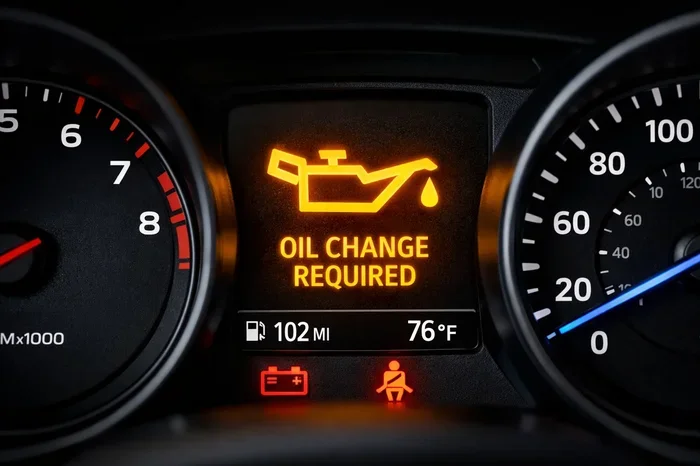
You are driving down the road when a small yellow or orange light pops up on your dashboard. It says something about oil or maintenance. You think to yourself, “I will just ignore it for now.” We have all been there. But how long can you actually ignore the oil change light before it becomes a real problem?
The truth is, the oil change light is not just a suggestion. It is your vehicle talking to you. Modern cars come equipped with smart systems that track your driving habits and estimate when your oil needs replacing. Some vehicles give you a few hundred miles of grace. Others are more strict. Understanding what this light means and how long you can safely push it will save you from expensive repairs down the road.
In this guide, we will break down everything you need to know about the oil change light. We will cover what it means, how long you can ignore it, what happens when you skip oil changes, and the factors that affect your oil life. By the end, you will feel confident about making the right decision for your car.
What Does the Oil Change Light Actually Mean?
The oil change light is also called a maintenance reminder or service indicator. It is not the same as the check engine light. The oil change light specifically tells you that it is time to replace your engine oil and filter. Your vehicle’s computer calculates this based on several factors, not just mileage.
Older cars used simple mileage-based reminders. For example, a light might come on every 3,000 miles. But newer vehicles use something called an oil life monitor. This system looks at your driving patterns to estimate oil quality. It tracks things like engine temperature, driving time, and how hard you work the engine. Based on all of this data, it decides when the oil is no longer performing well.
The oil change light is designed to be helpful, not scary. It gives you a window of time to schedule service. But that window is not infinite. Pushing past it too far can lead to problems that are easy to avoid.
How the Oil Life Monitor Works
Your car’s oil life monitor is a small computer program running in the background. It constantly watches how you drive. If you mostly drive on smooth highways at steady speeds, your oil might last longer. If you do a lot of short trips in stop-and-go traffic, the system will tell you to change your oil sooner.
Here is a simple way to think about it. The oil life monitor is like a fitness tracker for your engine. It knows when your engine is working hard. It knows when conditions are tough on the oil. And it gives you a reminder when the oil is no longer doing its job effectively.
Different car brands use different algorithms. Toyota, Honda, Ford, and Chevrolet all have their own systems. Some use a percentage scale. Others just show “Change Oil Now” or “Oil Life: 15%.” The key point is that the system is trying to give you a personalized recommendation based on real driving data.
How Long Can You Really Ignore It?
So how long can you actually ignore the oil change light? The honest answer is: it depends. Most vehicles give you between 500 and 1,000 miles after the light first appears. But this is just a general range. Several factors can shrink or stretch that window significantly.
Some drivers report going up to 1,500 miles past the oil change light without any issues. Others notice engine problems within just a few hundred miles. The difference comes down to driving conditions, oil type, and the age of the vehicle. Let us break this down further so you know what to expect.
The General Safe Window
For most modern cars, the safe zone after the oil change light comes on is about 500 to 1,000 miles. If you are close to a service center, it is smart to get it done within a few days. If you are on a road trip, plan your next stop around an oil change.
Here are some general guidelines based on vehicle age:
- New Cars (0-5 years): You may have up to 1,000 miles of grace after the light appears.
- Mid-Age Cars (5-10 years): Stick to 500 miles or less after the warning shows up.
- Older Cars (10+ years): Do not ignore the light at all. Get it changed right away.
These are not hard and fast rules. But they give you a good starting point. The best approach is to treat the oil change light as a prompt to take action, not a suggestion to keep driving. Your engine works hard every time you turn the key. Give it the care it deserves.
What Happens If You Wait Too Long?
Engine oil does more than just lubricate moving parts. It also cleans, cools, and protects your engine from wear. When oil sits in the engine too long, it starts to break down. This process is called oil degradation. As the oil degrades, it loses its ability to do its job properly.
Here are the risks of waiting too long after the oil change light appears:
- Increased Engine Wear: Old oil loses its lubricating properties. Metal parts grind against each other, causing gradual damage that adds up over time.
- Overheating: Fresh oil helps pull heat away from the engine. Old oil cannot do this as effectively, which can lead to overheating in extreme cases.
- Sludge Buildup: Degraded oil turns into sludge. This sticky residue can clog oil passages and block flow to critical engine parts that need lubrication.
- Reduced Fuel Economy: Dirty oil creates more friction inside the engine. More friction means your engine works harder and uses more fuel at the pump.
- Warranty Issues: If your car is still under warranty, skipping oil changes can void your coverage. This is a huge financial risk that many drivers do not consider.
The bottom line is that ignoring the oil change light for too long is a gamble. You might get away with it once or twice. But over time, the damage adds up. It is simply not worth the risk when a simple oil change can prevent all of this.
Factors That Affect How Long Your Oil Lasts
Not all driving is the same. Some conditions are much harder on engine oil than others. Understanding these factors will help you decide how quickly you need to act when the oil change light comes on. Let us look at the biggest factors that influence oil life.
Driving Habits and Conditions
Your driving habits play a big role in how quickly your oil wears out. If you mostly drive on long, open highways, your oil will last longer. The engine stays at a steady temperature and does not experience a lot of stress. On the other hand, short trips around town are much harder on oil because the engine never fully warms up.
Here are common driving conditions that shorten oil life:
- Stop-and-go city traffic with lots of idling
- Frequent short trips under 5 miles each
- Driving in extreme heat or freezing cold temperatures
- Towing heavy loads or trailers behind your vehicle
- Driving on dusty or gravel roads frequently
- Lots of rapid acceleration and hard braking
If you regularly deal with any of these conditions, your oil life monitor will count down faster. The oil change light will come on sooner. This is by design. The system is trying to protect your engine from the extra stress these conditions create.
Type of Oil You Use
The type of engine oil you put in your car matters a lot. Conventional oil breaks down faster than synthetic oil. Full synthetic oils can last longer and handle more stress. They also flow better in cold temperatures, which helps protect your engine during cold starts when oil is thickest.
Here is a quick comparison of common oil types:
- Conventional Oil: Typical change interval is 3,000 to 5,000 miles. More affordable but breaks down faster under stress.
- Synthetic Blend: Lasts about 5,000 to 7,500 miles. A good middle ground for many drivers looking for value.
- Full Synthetic Oil: Can last 7,500 to 10,000 miles or more. Best protection but costs more upfront at the service counter.
If you use high-quality synthetic oil and your car recommends it, you might get a longer window after the oil change light appears. But even then, do not push it too far. The light is there for a reason and it is smarter to listen to it.
Vehicle Age and Mileage
Older vehicles with higher mileage tend to burn oil faster. They also have more internal wear, which means contaminants build up in the oil more quickly. If you drive a car with over 100,000 miles, the oil change light should be your top priority when it comes on. Do not delay service on a high-mileage vehicle.
Newer cars with low mileage are more forgiving. Their engines are tighter and cleaner. The oil stays cleaner longer. But even new cars need regular maintenance. Skipping oil changes on a new car can cause premature wear that shows up later when you least expect it.
What to Do When the Oil Change Light Comes On
Now that you know what the light means and how long you can safely ignore it, let us talk about what you should actually do. The best approach is simple and proactive. Follow these steps and you will keep your engine in great shape.
Step 1: Check Your Oil Level
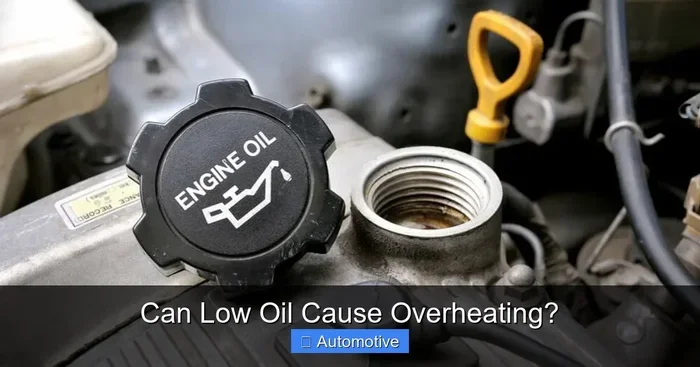
Before you panic, pop the hood and check your oil level with the dipstick. Sometimes the light comes on because the oil level is low, not because the oil is old. If the level is below the minimum mark, top it off with the right type of oil for your vehicle. You can find the recommended oil type in your owner’s manual or on the oil cap under the hood.
Checking your oil regularly is one of the easiest car care habits you can build. It takes less than two minutes and can catch problems early before they turn into expensive repairs. Make it part of your monthly routine and you will always know where your oil stands.
Step 2: Schedule an Oil Change
Once you confirm the oil level is fine, schedule an oil change as soon as possible. Most quick-lube shops can handle this in under 30 minutes. If you prefer a dealership, you can drive up to Jiffy Lube for an oil change or visit your local service center. Many places even offer online scheduling so you can pick a time that works for your schedule.
If you are near a Toyota dealership, you might wonder whether you can get your Lexus oil change at Toyota if you own a Lexus vehicle. The answer is often yes, but it is best to call ahead and confirm. Dealerships sometimes service multiple brands under the same corporate umbrella, which can save you time and effort.
Step 3: Reset the Light
After your oil change is complete, you will need to reset the oil change light. Most vehicles allow you to do this yourself. The process varies by make and model. Check your owner’s manual for the exact steps. Common methods include holding a reset button on the dashboard or using the steering wheel controls to navigate to a reset option in the menu.
If you are not sure how to reset your specific model, the service team at your dealership or shop can handle it for you. They will also check your oil filter and make sure everything is in good shape before you drive away.
Step 4: Keep Track of Your Maintenance
Use a maintenance log or a phone app to track your oil changes. This helps you stay on top of your maintenance schedule and gives you a record to show if there are ever any warranty questions. Some apps can even send you reminders based on your driving patterns and mileage.
Staying organized with your vehicle maintenance is one of the best ways to protect your investment. A well-maintained car runs better, lasts longer, and holds its value higher when it is time to sell or trade in.
Common Mistakes People Make With Oil Changes
Even good drivers make mistakes when it comes to oil changes. These errors can shorten your engine life and lead to unexpected repairs. Here are some of the most common ones to avoid at all costs.
Mistake 1: Only Going by Mileage
Many drivers wait until they hit a certain mileage number, like 3,000 or 5,000 miles, before changing their oil. But mileage alone does not tell the full story. Your oil life monitor considers driving conditions, temperature, and engine load. Trust the system in your car, not just the mileage number on the odometer. The computer knows your driving habits better than a generic chart ever could.
Mistake 2: Ignoring the Light Because the Car “Seems Fine”
Just because your car runs smoothly does not mean the oil is still good. Oil degradation happens gradually. You might not notice a difference in performance until the damage is already done. The oil change light is a preventive tool designed to catch problems early. Use it as intended and do not wait for symptoms to appear.
Mistake 3: Never Checking the Oil Level Between Changes
Oil levels can drop between changes, especially in older vehicles that burn a little oil naturally. Checking the dipstick regularly helps you catch leaks or burning issues early. Make it a habit to check your oil level every time you fill up the gas tank. It takes seconds and could save you from a costly repair.
Mistake 4: Skipping the Oil Filter
When you get an oil change, always make sure the oil filter gets replaced too. The filter catches dirt and debris that can harm your engine. A clogged filter restricts oil flow and reduces protection for critical engine components. Most shops include a new filter with every oil change, but it never hurts to confirm that it was done.
Expert Tips for Oil Change Success
Want to get the most out of your oil changes and keep your engine running strong? Here are some expert-backed tips that make a real difference in the long run.
Tip 1: Follow Your Owner’s Manual
Your vehicle’s owner’s manual is the ultimate guide for maintenance schedule recommendations. It tells you the right type of oil, the correct change interval, and any special requirements for your engine. Do not rely on advice from friends or internet forums when the manual has all the answers tailored to your specific vehicle.
Tip 2: Keep Detailed Records
Every time you get an oil change, write down the date, mileage, and type of oil used. These records are valuable if you ever need to make a warranty claim. They also help you and your mechanic spot patterns over time, like increasing oil consumption or the need for more frequent top-offs between scheduled changes.
Tip 3: Do Not Skip the Full Inspection
During a routine oil change, ask the mechanic to check transmission fluid and inspect other fluids under the hood. A good service visit includes more than just swapping out old oil. Use this time to catch small issues like low coolant or worn brake fluid before they turn into bigger problems that cost more to fix.
Tip 4: Choose Quality Service Every Time
Whether you go to a dealership or an independent shop, choose a place that uses quality parts and follows proper procedures. Ask about the type of oil they use and whether it meets your vehicle’s specifications. A thorough mechanic inspection during every oil change visit adds extra value and gives you peace of mind that your car is in good hands.
Conclusion
The oil change light is one of the most important warnings on your dashboard. It is there to protect your engine and keep your car running smoothly. While you might have a few hundred miles of grace after it comes on, ignoring it for too long is a risky move that can cost you dearly.
Most vehicles give you between 500 and 1,000 miles after the oil change light appears. But the safest choice is to act quickly. Check your oil level, schedule a change, and reset the system. These simple steps can save you from costly repairs and extend the life of your engine by thousands of miles.
Think of the oil change light as your car’s way of asking for help. It is a small signal that can prevent big problems down the road. Listen to it and take action. Your engine will thank you for years to come.
Take charge of your vehicle maintenance today. The next time that little light comes on, do not ignore it. Your car, your wallet, and your peace of mind will all benefit from a timely oil change. Make it a habit and your car will reward you with reliable performance for years to come.
Frequently Asked Questions
Can I drive 1,000 miles with the oil change light on?
In most cases, yes. Most vehicles allow 500 to 1,000 miles after the oil change light comes on. However, this depends on your driving conditions and vehicle age. If you drive in harsh conditions, try to keep that window shorter. When in doubt, get it changed sooner rather than later to protect your engine.
What happens if I ignore the oil change light for weeks?
Ignoring the light for weeks can lead to oil degradation and serious engine wear. Old oil loses its lubricating ability, which causes increased friction between engine parts. Over time, this can result in overheating, sludge buildup, and even engine failure. It is never worth the risk when a simple oil change can prevent all of this.
Is the oil change light the same as the check engine light?
No, they are different warnings. The oil change light specifically relates to maintenance and oil replacement. The check engine light signals a broader range of issues, from emissions problems to sensor failures. If both lights come on at the same time, address them promptly and get your vehicle inspected right away.
Can I reset the oil change light myself?
Yes, most vehicles allow you to reset the oil change light yourself. The process varies by make and model. Check your owner’s manual for the exact steps. Common methods include holding a reset button on the dashboard or using the steering wheel controls to navigate to a reset option in the vehicle menu.
How often should I check my oil level between changes?
It is a good habit to check your oil level at least once a month or every time you fill up the gas tank. Regular checks help you catch leaks or burning issues early. This simple car care routine takes just a couple of minutes and can prevent bigger problems down the road.
Does synthetic oil last longer than conventional oil?
Yes, synthetic oil generally lasts longer than conventional oil. Full synthetic oils can go 7,500 to 10,000 miles between changes, while conventional oil typically needs replacement every 3,000 to 5,000 miles. Synthetic oil also handles extreme temperatures better and provides superior engine protection. Always use the oil type recommended by your vehicle manufacturer.