How Does a Remote Starter Switch Work for Beginners
A remote starter switch lets you start your car from a distance using a key fob or smartphone app. It sends an electrical signal to the ignition system, engaging the starter motor without you being inside the vehicle. This handy device offers comfort, safety, and pre-conditioning benefits for any driver.
Have you ever sat in a freezing car on a winter morning and wished you could just start the engine from inside your warm house? Or maybe you’ve come home on a hot summer day and dreamed about cooling down your car before you even walked out to it. A remote starter switch makes all of that possible.
A remote starter switch is a device that lets you start your vehicle’s engine from a distance. You press a button on a key fob or a smartphone app, and your car fires up without you touching the ignition. It sounds like something from a sci-fi movie, but the technology is simple and widely available today. In this guide, we will walk through exactly how a remote engine start system works, piece by piece.
Whether you are a complete beginner or just curious about your car’s ignition system, this article breaks everything down in plain language. No jargon. No confusing diagrams. Just clear, helpful information that you can use right away. Let us dive in.
Key Takeaways
- Remote starter switches use a wireless signal to communicate between your key fob and the vehicle’s ignition system.
- The starter motor engages automatically when the remote signal is received, turning the engine over just like a normal key turn.
- Safety features prevent unauthorized starts through encrypted signals and immobilizer integration.
- Installation is straightforward for most vehicles, but professional help ensures proper wiring and warranty protection.
- Cold weather benefits are significant because a remote starter warms up the engine and cabin before you enter the car.
📑 Table of Contents
- What Is a Remote Starter Switch?
- The Main Components of a Remote Starter System
- How the Remote Starting Process Works Step by Step
- Benefits of Using a Remote Starter Switch
- Common Mistakes and Tips for Beginners
- Can You Install a Remote Starter Yourself?
- How to Choose the Right Remote Starter System
- Maintenance and Care for Your Remote Starter
- Final Thoughts
What Is a Remote Starter Switch?
A remote starter switch is a small electronic device installed in your vehicle. It connects to your car’s existing ignition system and allows you to start the engine remotely. The most common form is a key fob that you carry in your pocket or purse. Some modern systems work through a smartphone app instead.
The basic idea is simple. When you press the start button on your fob, the device sends a wireless signal to a receiver inside your car. That receiver then triggers the starter motor, which cranks the engine. You do not need to be inside the vehicle for this to work. You can be standing in your driveway, at your office, or even a few blocks away.
Most remote start systems also include a security layer. The engine will not start if someone else tries to use a different fob. This anti-theft protection ensures that your car stays safe even when it is running unattended.
How Is It Different From a Normal Key Ignition?
A traditional ignition requires you to physically insert a key and turn it. A remote starter switch replaces that physical action with a wireless signal. The engine still goes through the same process internally, but the trigger happens from a distance. Think of it as pressing a button to tell your car to wake up and start running.
The Main Components of a Remote Starter System
Every remote engine start system has a few key parts that work together. Understanding these components helps you appreciate how everything connects and functions.
The Key Fob or Transmitter
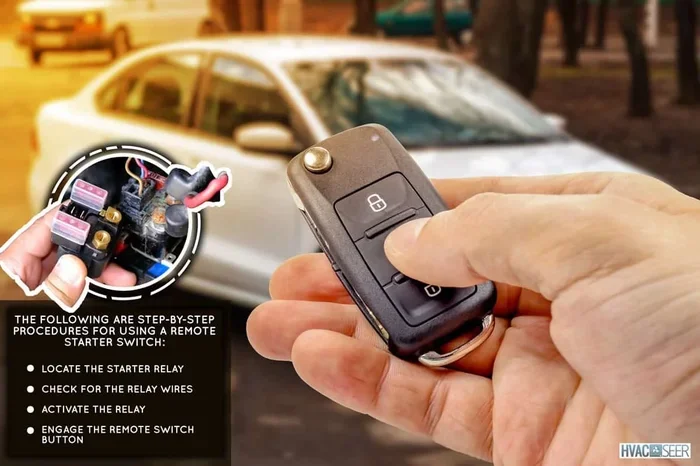
The key fob is the handheld device you carry with you. It contains a small battery and a radio transmitter. When you press the start button, the fob sends a coded radio frequency signal to your vehicle. This signal is unique to your fob, which is why only your specific remote can start your car.
Most fobs have a range of about 500 to 1,000 feet. Some high-end systems extend that range to a mile or more. The fob also usually has buttons for locking, unlocking, and triggering the remote starter switch separately.
The Receiver Module
The receiver lives inside your vehicle, usually hidden under the dashboard. It picks up the signal from your fob and passes it along to the starter relay and ignition circuit. The receiver acts as the middleman between your remote command and the car’s engine.
Modern receivers are very small and integrate easily into the existing wiring of your vehicle. They are designed to work silently in the background until they receive a valid signal.
The Starter Motor and Solenoid
This is the part that actually turns the engine over. When the remote starter switch sends the command, the starter solenoid engages the starter motor. The motor spins the engine’s crankshaft, which begins the combustion process. The engine starts running just as it would if you had turned the key yourself.
If you have ever wondered whether a bad starter could interfere with remote starting, the answer is yes. A failing starter motor will cause problems whether you start the car normally or remotely. You can learn more about identifying starter problems in our guide on Can You Tell If A Starter Is Going Bad.
The Wiring Harness and Control Module
The wiring harness connects all the components together. It carries electrical signals from the receiver to the starter relay and ignition switch. A control module manages the entire sequence, making sure everything happens in the right order and at the right time.
This module also monitors safety conditions. For example, it checks that the transmission is in park before allowing a remote start. This prevents the car from lurching forward unexpectedly.
How the Remote Starting Process Works Step by Step
Now that you know the parts, let us walk through exactly what happens when you press that start button on your fob. The process takes just a few seconds and follows a clear sequence.
Step 1: You Press the Button
You press the start button on your key fob. The fob’s battery powers a small transmitter that sends a coded radio frequency signal outward in all directions.
Step 2: The Signal Reaches the Vehicle
The receiver module inside your car picks up the signal. It checks the code to make sure it matches the fob it was programmed to accept. If the code is correct, the process continues. If not, the vehicle ignores the signal entirely.
Step 3: The Control Module Activates
Once the signal is verified, the control module checks all safety conditions. It confirms the transmission is in park, the brake pedal is not pressed, and no fault codes are present in the system.
Step 4: The Starter Motor Engages
With all checks passed, the control module sends power to the starter relay. The relay activates the starter solenoid, which pushes the starter gear into the engine’s flywheel. The starter motor spins the engine, and combustion begins.
Step 5: The Engine Starts and Runs
The engine fires up and continues running on its own. The remote starter switch keeps the engine running for a preset time, usually between 10 and 20 minutes. After that, the engine shuts off automatically unless you extend the run time.
Benefits of Using a Remote Starter Switch
A remote engine start system offers more than just convenience. Here are some real benefits that make this upgrade worthwhile for many drivers.
Comfort and Convenience
This is the biggest reason people install a remote starter switch. In winter, you can warm up your car before you walk out the door. In summer, you can cool it down with the air conditioning. You step into a comfortable vehicle every single time.
Engine Health
Cold starts are hard on engines. Oil gets thick in low temperatures, and the engine takes longer to reach optimal operating temperature. A remote starter switch warms the oil and reduces wear during cold months. Over time, this can help extend the life of your engine.
Safety and Security
Many remote start systems include additional security features. The car remains locked while the engine runs. The anti-theft system stays active, and the engine will shut off if someone tries to enter the vehicle without your fob.
Some people also use a remote starter to keep their car running while they quickly run inside a store. However, always check local laws, as some areas have idle-time restrictions that could result in a fine.
Resale Value
A factory or professionally installed remote engine start system can increase your vehicle’s resale value. Many buyers look for this feature, especially in regions with harsh winters or hot summers.
Common Mistakes and Tips for Beginners
Installing or using a remote starter switch comes with a few common pitfalls. Here are some mistakes to avoid and tips to follow.
Mistake 1: Skipping the Installation Manual
Every remote start system comes with detailed instructions. Skipping them can lead to improper wiring or a system that does not work correctly. Take the time to read through the entire manual before you begin.
Mistake 2: Ignoring Your Vehicle’s Wiring Diagram
Every car has a different wiring setup. Using the wrong wires or connecting things incorrectly can damage your vehicle’s electrical system. Always refer to your specific vehicle’s wiring diagram before making any connections.
Tip 1: Have a Professional Install It
While DIY installation is possible, having a professional handle the job ensures everything is wired correctly. A professional installation also keeps your vehicle’s warranty intact in most cases.
Tip 2: Test the System Before Driving
After installation, test the remote starter switch multiple times from different distances. Make sure it works reliably and that the engine shuts off properly after the preset time.
Tip 3: Keep Your Fob Battery Fresh
A weak fob battery means a weak signal. Replace the battery in your key fob at least once a year to ensure reliable remote engine start performance.
Can You Install a Remote Starter Yourself?
The short answer is yes, but with caveats. If you have experience working with car electrical systems, you can install a remote starter switch yourself. However, the process involves tapping into your vehicle’s wiring, which can be tricky.
You need to connect the remote start module to the ignition wire, starter wire, and power source. You also need to integrate it with the vehicle’s neutral safety switch and brake light circuit. One wrong connection can cause electrical problems or prevent your car from starting normally.
If you are not confident in your electrical skills, hire a professional. The cost of professional installation typically ranges from $150 to $500 depending on your vehicle and the system you choose. It is a small price to pay for peace of mind and a properly functioning remote engine start system.
Some people also wonder whether a remote starter affects their car’s battery. The short answer is no, not significantly. The remote starter switch draws very little power, and the battery handles it easily. However, if your battery is already weak, you may want to address that first. You can learn about jump-starting your vehicle in our guide on Can You Jump Start A Toyota Hybrid Car and Can You Jump Start A Toyota Hybrid Battery.
How to Choose the Right Remote Starter System
Not all remote starter switches are created equal. Here are some factors to consider when shopping for one.
- Range: Choose a system with a range that fits your needs. 500 feet is fine for most home driveways, but a longer range may be better for larger properties.
- Compatibility: Make sure the system works with your specific vehicle make and model. Some vehicles require specific modules or adapters.
- One-way vs. Two-way: A one-way system sends a signal from your fob to the car. A two-way system also sends confirmation back to your fob, so you know the engine started successfully.
- Smartphone Integration: Many modern systems work with smartphone apps. This gives you more control and flexibility over your remote engine start system.
- Security Features: Look for systems with encrypted signals and built-in immobilizer compatibility for the best vehicle security.
When you compare options, think about your daily routine. Do you need to start your car from far away? Do you want smartphone control? These answers will guide your decision.
Maintenance and Care for Your Remote Starter
A remote starter switch system requires very little maintenance, but a few simple steps keep it working reliably for years.
- Replace your key fob battery annually.
- Keep the receiver module clean and free of debris.
- Check wiring connections once a year for any signs of corrosion or looseness.
- Update the system’s firmware if your model supports it.
- Have a professional inspect the system during regular vehicle maintenance visits.
Taking care of your remote engine start system ensures it works every time you need it. A well-maintained system can last the entire life of your vehicle.
Final Thoughts
A remote starter switch is one of the most practical upgrades you can make to your vehicle. It brings comfort, convenience, and even a bit of safety to your daily driving routine. The technology behind it is simpler than most people think, and understanding how it works helps you use it more effectively.
From the key fob transmitter to the starter motor inside your engine, every component plays an important role. The wireless signal, the control module, the safety checks, and the ignition sequence all work together in seconds. Whether you install one yourself or hire a professional, a remote engine start system is a worthwhile investment that pays off every single day.
If you are considering adding this feature to your vehicle, start by choosing the right system for your needs and budget. Follow the installation instructions carefully, or leave it to a professional. Either way, you will enjoy the luxury of stepping into a warm or cool car whenever you are ready to drive.
The world of car starting systems has come a long way, and remote starters are now more reliable and secure than ever. Embrace the technology and make your driving experience more comfortable from the very first start of the day.
Frequently Asked Questions
How far can a remote starter switch work?
Most standard systems have a range of 500 to 1,000 feet. Some advanced two-way systems can reach up to a mile or more. The range depends on the specific model and any obstacles like buildings or walls between your fob and the vehicle.
Does a remote starter damage your engine?
No, a remote starter switch does not damage your engine. Modern systems are designed to work with your vehicle’s existing ignition system. In fact, warming up your engine in cold weather can reduce wear and extend engine life.
Can any vehicle have a remote starter installed?
Most vehicles can have a remote engine start system installed, but compatibility varies. Manual transmission vehicles require special modules, and some newer cars have integrated systems that work differently. Check with your installer to confirm compatibility with your specific vehicle.
Is a remote starter the same as keyless entry?
No, they are different features. A remote starter switch starts the engine from a distance. Keyless entry lets you unlock and enter your car without a physical key. Some systems combine both features into a single fob.
How long does a remote start session last?
Most remote starter switches run the engine for 10 to 20 minutes by default. Many systems allow you to adjust this time or extend the session with a second button press. After the time expires, the engine shuts off automatically.
Can a remote starter work in extreme cold weather?
Yes, remote engine start systems work well in extreme cold. In fact, that is where they are most useful. The system warms up the engine oil and cabin temperature before you enter the vehicle, making cold-weather driving much more comfortable.