Does Replacing the Cabin Air Filter Improve AC Performance
Replacing a dirty cabin air filter can significantly improve your car’s AC performance by restoring proper airflow and cooling efficiency. A clogged filter forces the air conditioning system to work harder, leading to weak airflow, warm air, and even AC compressor strain. This guide covers everything you need to know about cabin filter replacement and how it impacts your vehicle’s cooling power.
Have you ever noticed your car’s air conditioning blowing warm air on a hot day? It’s frustrating. You crank the AC to full blast, but the cabin barely cools down. Before you assume the worst, there’s a simple culprit that often gets overlooked: the cabin air filter. Many drivers don’t realize that a dirty cabin air filter can seriously impact how well their AC works. In this article, we’ll explore whether replacing the cabin air filter improves AC performance and give you all the details you need to keep your car cool.
The cabin air filter is a small but mighty component in your vehicle’s HVAC system. It cleans the air that enters the passenger cabin by trapping dust, pollen, and other particles. Over time, this filter gets clogged with debris. When that happens, airflow becomes restricted. Restricted airflow means your AC system has to work much harder to cool the interior. The result is weaker cooling, higher strain on the AC compressor, and sometimes even a complete breakdown of the cooling system. The good news is that swapping out a dirty filter is one of the easiest and most affordable maintenance tasks you can do.
If you’ve been wondering whether a new cabin filter will make your AC feel like new again, the answer is almost always yes. Let’s dive deep into how the cabin air filter affects AC performance, what happens when it gets dirty, and how to know when it’s time for a change.
Key Takeaways
- A dirty cabin filter restricts airflow: This directly reduces your AC’s ability to cool the cabin effectively.
- Replacement is simple and affordable: Most owners can swap the filter themselves in under 15 minutes.
- Regular changes prevent costly repairs: A clean filter reduces strain on the AC compressor and other components.
- Symptoms of a bad cabin filter are easy to spot: Weak airflow, strange odors, and reduced cooling are clear signs.
- Change your cabin filter every 12,000 to 15,000 miles: Sticking to a schedule keeps the AC running at peak performance.
- It also improves air quality inside the car: A clean filter traps pollen, dust, and other airborne particles.
📑 Table of Contents
What Is a Cabin Air Filter and How Does It Work?
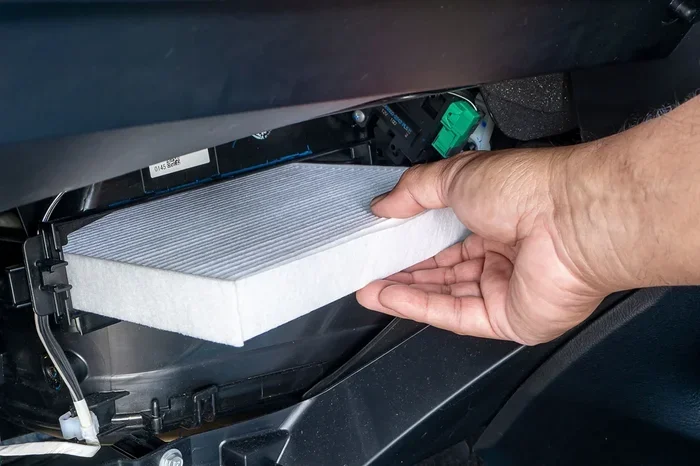
The cabin air filter is a small pleated filter located behind the glove box or under the dashboard in most vehicles. Its job is to clean the air that enters the cabin through the ventilation system. Think of it like a vacuum cleaner for the air inside your car. It captures dust, pollen, mold spores, and other tiny particles before they reach your lungs.
Most modern vehicles come equipped with a cabin air filter. However, many drivers don’t know it exists until they start experiencing problems. The filter typically sits in a dedicated housing unit that’s easy to access. Some vehicles have a simple clip-on design, while others require removing a few screws. Either way, the process is straightforward.
How the Filter Affects Airflow
When the cabin air filter is clean, air flows freely through the ventilation system. The air conditioning system receives a steady stream of air, which it then cools and pushes into the cabin. But when the filter becomes clogged with dirt and debris, that airflow gets choked off. The AC has to push harder against the restriction, which reduces cooling efficiency. This is the core reason why replacing the cabin air filter improves AC performance.
A clogged filter also means the air that does make it through carries fewer contaminants. Over time, a dirty filter can even harbor mold and bacteria, which can create unpleasant odors. These odors blow through the vents every time you turn on the fan. So the impact of a neglected cabin filter goes beyond just cooling — it affects the air quality inside your car too.
Can a Dirty Cabin Filter Stop the AC?
This is one of the most common questions drivers ask. The short answer is yes, a very dirty cabin filter can significantly reduce AC performance or even stop the cooling system from working properly. When the filter becomes completely blocked, airflow drops to nearly zero. Without sufficient airflow, the AC evaporator cannot absorb heat from the cabin effectively.
In some cases, a severely clogged filter can cause the AC compressor to overwork. The compressor is the heart of the air conditioning system. It pressurizes and circulates refrigerant through the system. When the compressor has to run continuously because of restricted airflow, it wears out faster. This can lead to expensive repairs down the road.
Now, a dirty cabin filter won’t always stop the AC entirely. But it will definitely make it work harder and perform worse. If you’ve noticed that your AC takes longer to cool the cabin or that it struggles on the hottest days, the cabin filter is a great place to start troubleshooting. You can learn more about how a dirty cabin filter impacts AC function in our detailed guide Can A Dirty Cabin Filter Stop The Ac.
Signs Your Cabin Filter Is Clogged
Spotting a dirty cabin filter isn’t always obvious. Here are the most common signs that your filter needs attention:
- Weak airflow from the vents: Even on the highest fan setting, the air feels weak and barely circulates.
- Warm air from the AC: The system blows air, but it doesn’t feel cold, even after running for a while.
- Unusual odors: A musty or moldy smell comes from the vents when you turn on the AC.
- Increased noise: The blower motor sounds louder than usual because it’s working harder to push air through a clogged filter.
- Reduced fuel efficiency: A struggling AC system puts extra load on the engine, which can slightly reduce gas mileage.
If you notice any of these symptoms, it’s worth checking the cabin air filter. In many cases, a simple replacement solves the problem immediately.
How Does a Cabin Air Filter Impact AC Performance?
The relationship between the cabin air filter and AC performance is direct and significant. Let’s break down exactly how a dirty filter hurts your cooling system.
Reduced Cooling Efficiency
When airflow is restricted by a clogged filter, the AC evaporator can’t absorb heat as efficiently. The evaporator relies on a steady flow of warm cabin air passing over its cold coils. If that airflow drops, the evaporator can’t transfer heat fast enough. The result is air that doesn’t get cold enough before it reaches the vents. This is one of the most common reasons drivers notice a drop in AC performance after a cabin filter has been neglected for months or years.
Strain on the AC Compressor
The AC compressor is one of the most expensive components in the air conditioning system. When a clogged cabin filter forces the system to work harder, the compressor runs longer and hotter. Over time, this extra strain can lead to premature compressor failure. Replacing a compressor can cost several hundred dollars. A new cabin filter, on the other hand, costs between $15 and $50 in most cases. The savings are obvious.
Air Quality and Health Considerations
A clean cabin filter doesn’t just help with cooling. It also plays a key role in keeping the air inside your car clean. The filter traps pollen, dust, soot, and even tiny insect particles. If the filter is saturated with these contaminants, they can blow directly into the cabin. This is especially problematic for people with allergies or asthma. Replacing the filter regularly improves both AC performance and the air you breathe while driving.
Some drivers wonder whether they can skip the cabin filter entirely. If you’re considering running your AC without one, check out our article Can I Run My Ac Without A Cabin Air Filter to understand the risks involved.
How Often Should You Replace the Cabin Air Filter?
The general recommendation is to replace the cabin air filter every 12,000 to 15,000 miles, or once a year. However, driving conditions can change this timeline significantly. If you frequently drive on dusty roads, in heavy traffic, or in areas with poor air quality, you may need to replace the filter more often — sometimes every 6,000 to 8,000 miles.
Here are a few factors that can shorten the life of your cabin filter:
- Driving in urban areas with high pollution: City air contains more soot and particulate matter, which clogs the filter faster.
- Dusty or unpaved roads: Dirt and gravel wear through the filter media more quickly.
- Allergy season: Heavy pollen loads can saturate the filter during spring months.
- Frequent short trips: Stop-and-go driving pushes more debris through the intake system.
- Pets in the vehicle: Pet hair and dander accumulate on the filter rapidly.
Checking your cabin filter is easy. Most vehicles have an access panel behind the glove box or under the dashboard. Simply open it, pull out the old filter, and hold it up to the light. If you can’t see light through the filter, it’s time for a replacement. A clean filter should look white or light gray with no visible debris.
Step-by-Step Cabin Filter Replacement
Replacing your cabin air filter is one of the easiest DIY maintenance tasks. Here’s how to do it:
- Locate the filter housing: Check your owner’s manual for the exact location. It’s usually behind the glove box or under the dashboard on the passenger side.
- Remove the access panel: Most panels are held in place by clips or a few Phillips head screws. Remove them carefully.
- Pull out the old filter: Note the direction of the airflow arrow printed on the filter frame. This matters for proper installation.
- Insert the new filter: Place the new filter in the same orientation as the old one. Make sure it sits flush in the housing.
- Reattach the access panel: Snap the clips back in place or replace the screws.
The entire process usually takes less than 15 minutes. No special tools are needed in most cases. If you’re not comfortable doing it yourself, any quick-lube shop or dealership can handle the job for a small service fee.
Can You Drive Without a Cabin Air Filter?
Some drivers wonder if they can just remove the cabin air filter entirely, especially if they think it’s clogged. The short answer is yes, you can technically drive without one. But you probably shouldn’t. Driving without a cabin filter allows unfiltered air into the cabin. This means dust, pollen, exhaust fumes, and other contaminants enter the ventilation system directly.
Over time, these particles can coat the evaporator core and clog the drain tube. This can lead to moisture buildup and even mold growth inside the HVAC system. Additionally, driving without a cabin filter can reduce AC performance because the blower motor has no filtration to manage airflow properly.
If you’re concerned about driving without a filter for a short period while waiting for a replacement, it’s generally okay. Just don’t make it a habit. For more information on this topic, see our article Can You Drive Without A Cabin Air Filter.
Other Maintenance Tips to Improve AC Performance
While replacing the cabin air filter is one of the most impactful things you can do for your AC, it’s not the only maintenance task that matters. Here are a few other steps to keep your air conditioning system running strong:
- Check the engine air filter: A dirty engine air filter can reduce engine performance, which indirectly affects the AC. A clogged engine filter can even cause overheating issues. Learn more about this connection in our article Can A Dirty Air Filter Cause Your Car To Overheat.
- Inspect the AC condenser: The condenser sits in front of the radiator and can accumulate dirt and bugs. Clean it gently with water if it looks clogged.
- Check refrigerant levels: Low refrigerant is a common cause of weak AC cooling. If replacing the cabin filter doesn’t solve the problem, a refrigerant check may be needed.
- Run the AC regularly: Even in winter, running the AC for a few minutes each week keeps the system lubricated and prevents seals from drying out.
- Replace the cabin filter on schedule: Don’t wait for symptoms to appear. Proactive replacement prevents problems before they start.
Quick Tips for Better AC Performance
Here are a few quick tips to get the most out of your car’s air conditioning system:
- Start the AC on recirculate mode: This cools the cabin faster by reusing already-cooled air.
- Use the fresh air setting occasionally: This helps clear moisture and prevent mold buildup in the system.
- Park in the shade when possible: A cooler starting temperature means the AC doesn’t have to work as hard.
- Keep the vents open: Blocking vents with objects restricts airflow and forces the system to work harder.
Taking care of the cabin air filter is one of the simplest ways to maintain your vehicle’s comfort systems. It’s a small part with a big impact. Whether you do it yourself or have a professional handle it, staying on top of cabin filter replacement keeps your AC blowing cold and your cabin air clean.
Conclusion
The answer to whether replacing the cabin air filter improves AC performance is a clear and definitive yes. A clean cabin filter allows proper airflow, which lets the air conditioning system cool the cabin efficiently. A dirty filter chokes that airflow, reduces cooling power, and puts unnecessary strain on the AC compressor. By replacing your cabin filter every 12,000 to 15,000 miles, you’ll enjoy better cooling, improved air quality, and potentially avoid costly AC repairs.
This is one of the most underrated maintenance tasks in vehicle ownership. It’s cheap, easy, and makes an immediate difference. Next time your AC isn’t performing the way it should, check the cabin air filter first. It might just be the fix you’ve been looking for.
Frequently Asked Questions
How do I know if my cabin air filter needs replacing?
Common signs include weak airflow from the vents, warm air coming from the AC, musty odors, and increased noise from the blower motor. You can also check the filter visually by holding it up to the light. If you can’t see light through it, it’s time for a replacement.
Can a dirty cabin filter cause the AC to blow warm air?
Yes, a clogged cabin filter restricts airflow over the evaporator, which reduces the system’s ability to cool the air. While it won’t always cause completely warm air, it will significantly reduce cooling efficiency and make the AC work harder than it should.
How much does it cost to replace a cabin air filter?
A cabin air filter typically costs between $15 and $50 for the part itself. If you replace it yourself, there’s no labor cost. If you have a shop or dealership do it, you’ll pay an additional service fee, which usually ranges from $20 to $40.
Where is the cabin air filter located in most vehicles?
In most vehicles, the cabin air filter is located behind the glove box or under the dashboard on the passenger side. Some models may have it under the hood near the windshield. Check your owner’s manual for the exact location in your specific vehicle.
What happens if I never replace my cabin air filter?
If you never replace the cabin air filter, it will become completely clogged over time. This restricts airflow, reduces AC cooling power, strains the AC compressor, and can lead to mold growth inside the HVAC system. In severe cases, it can cause the AC system to fail entirely, resulting in expensive repairs.
Does the cabin air filter affect gas mileage?
Indirectly, yes. A clogged cabin filter forces the AC compressor to work harder, which puts extra load on the engine. This can slightly reduce fuel efficiency. While the impact is small, keeping the filter clean contributes to overall vehicle efficiency.