Learn How to Turn On Heat in Your Volkswagen Jetta
Knowing how to turn on heat in your Volkswagen Jetta is essential for comfortable winter driving. The Jetta uses a straightforward climate control system that lets you adjust temperature, fan speed, and air direction with ease. Whether you drive a newer model with digital controls or an older version with a manual dial, this guide walks you through every step to get warm air flowing fast.
Cold mornings are no fun, especially when you climb into your Volkswagen Jetta and the air inside feels just as chilly as the sidewalk outside. Whether you are dealing with frost on the windows or just want a comfortable cabin for your morning commute, learning how to turn on heat in your Volkswagen Jetta is a basic skill every driver should have.
The good news is that the Jetta heating system is straightforward and reliable. Volkswagen designed it to be user-friendly, so you do not need to be a mechanic to get warm air blowing through your vents. In this guide, we will walk you through every step, from the basic controls to troubleshooting common problems that keep your heater from working properly.
By the end of this article, you will know exactly how to use your Jetta’s heating system, what to do when the heat is not working, and how to keep everything running smoothly all winter long. Let us get you warm.
Key Takeaways
- Easy Temperature Control: The Jetta heating system is simple to operate using the climate control panel or manual dial.
- Warm Up Your Engine First: Letting the engine run for a few minutes before turning on the heat ensures better warmth.
- Common Issues Have Simple Fixes: Low coolant, clogged air filters, and faulty thermostats are the top reasons a Jetta heater may not work.
- Use the Recirculation Button: Switching to recirculated air helps your car heat up faster in cold weather.
- Regular Maintenance Matters: Keeping up with coolant flushes and air filter changes prevents most heating problems.
- Know When to See a Mechanic: Persistent heating issues may signal a failing heater core or blower motor that needs professional attention.
📑 Table of Contents
- Understanding the Volkswagen Jetta Heating System
- Step-by-Step Guide to Turning On Heat in Your Volkswagen Jetta
- Common Heating Problems in the Volkswagen Jetta
- Tips for Getting the Most Out of Your Jetta’s Heater
- When to Seek Professional Help
- Maintaining Your Jetta’s Heating System Through the Seasons
- Conclusion
Understanding the Volkswagen Jetta Heating System
Before you learn how to turn on the heat, it helps to understand how the system actually works. The Jetta heating system is part of the larger climate control setup that also handles cooling. But in winter, you only need the heating side of things.
Here is how it works in simple terms. Your Jetta’s engine generates a lot of heat while running. A liquid called coolant flows through the engine to keep it from overheating. Some of that hot coolant passes through a small radiator inside your dashboard called the heater core. When you turn on the heat, a fan blows air over the heater core, and that warm air travels through the vents into your cabin.
That is really all there is to it. The temperature dial or digital controls simply regulate how much hot coolant flows through the heater core and how fast the fan blows. The more heat you ask for, the more hot coolant moves through and the faster the fan spins.
The Role of Coolant in Your Heating System
Coolant plays a dual role in your Jetta. It keeps the engine from overheating and it provides the heat that warms your cabin. If your coolant level is low, your heater may blow cold air even when the temperature dial is turned all the way up. This is one of the most common reasons people ask why their Jetta heater is not working.
Checking your coolant level is something you can do yourself. Look for the coolant reservoir under the hood. It usually has minimum and maximum markers. If the level is below the minimum, you may need to top it off. Just make sure the engine is cool before you open the cap. Hot coolant can cause serious burns.
For a deeper look at how low coolant can affect your car, check out our article on can low coolant cause a car to shake. Low coolant does not just affect heating, it can also cause shaking and rough idling.
Climate Control vs Manual Heating
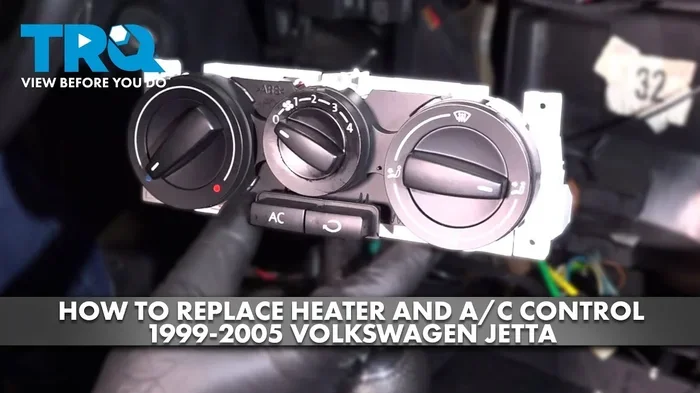
Newer Volkswagen Jettas come with automatic climate control. This means you set your desired temperature and the system adjusts the fan speed and air distribution on its own. Older models use a manual dial that lets you control the temperature and fan speed by hand.
Both systems achieve the same result. The automatic version just takes the guesswork out of it. If you have a newer Jetta, look for the climate control panel on the center console. It will have a digital display and buttons for temperature, fan speed, and air direction. Older models have a rotary dial for temperature and a slider for fan speed.
Step-by-Step Guide to Turning On Heat in Your Volkswagen Jetta
Now that you understand the basics, let us walk through the actual process of turning on the heat. Whether you have a manual or automatic system, the steps are similar.
Step 1: Start Your Engine
First, start your Jetta and let the engine idle for a few minutes. The heating system depends on hot coolant flowing through the engine. If you turn on the heat immediately after starting, the air coming out of your vents will be cold or only slightly warm. Give the engine about two to three minutes to reach its normal operating temperature.
You will know the engine is warm when the temperature gauge on your dashboard moves into the normal range. On most Jettas, this is the middle of the gauge, between the cold and hot markers.
Step 2: Set the Temperature to Hot
Next, set the temperature to hot. If your Jetta has a manual dial, turn it toward the red or hot side. If you have automatic climate control, press the up arrow on the temperature display until it shows a warm number, usually around 75 to 80 degrees Fahrenheit.
Some drivers like to start at a lower temperature and gradually increase it. This prevents a blast of super hot air that can feel uncomfortable on a cold morning. Find what feels right for you.
Step 3: Adjust the Fan Speed
Now it is time to set the fan speed. On manual models, slide the fan control toward the higher numbers for stronger airflow. On automatic models, the system will handle this, but you can usually override it by pressing the fan speed buttons.
Start with a lower fan speed and increase it as the cabin warms up. Blowing too much air too fast when the heater core is still warming up can bring in cold air initially. A gentler start works better.
Step 4: Direct the Airflow Where You Want It
Use the air direction controls to point the warm air where you need it most. Most Jettas have buttons or knobs that let you choose between floor vents, dashboard vents, and windshield defrost. For general warmth, the dashboard and floor vents work best.
If your windshield is foggy, switch to the defrost setting. This directs most of the warm air to the windshield and helps clear moisture quickly. Just remember to switch back to your preferred setting once the fog is gone.
Step 5: Use the Recirculation Button
Here is a quick tip that many Jetta drivers overlook. Press the recirculation button to trap the warm air inside the cabin. When recirculation is on, the system pulls air from inside the car rather than drawing in cold outside air. This helps your Jetta warm up faster and keeps the heat consistent.
You can turn recirculation off after the cabin is warm if you prefer fresh air. In winter, keeping it on for the first few minutes makes a big difference.
Common Heating Problems in the Volkswagen Jetta
Even with a well-maintained Jetta, heating issues can pop up from time to time. Here are the most common problems and what causes them.
Heater Blows Cold Air
If your heater is blowing cold air even when the temperature is set to hot, the most likely culprit is low coolant. Without enough hot coolant flowing through the heater core, there is no heat to blow into the cabin. Top off your coolant and see if that fixes the problem.
Another cause could be a stuck thermostat. The thermostat regulates how much coolant flows through the engine. If it gets stuck in the open position, the engine takes longer to warm up, and your heater stays cold. Replacing a thermostat is a relatively simple and affordable repair.
Weak or No Airflow From the Vents
If the temperature is set correctly but you feel little or no air coming from the vents, the blower motor may be failing. The blower motor is the fan that pushes air through the heating system. Over time, the motor can wear out or the resistor that controls fan speeds can go bad.
A weak blower motor often means you only get airflow on certain speed settings. If you have no airflow at all, the motor may need to be replaced. This is a common repair on older Jettas and is usually not too expensive.
Smelly or Moldy Air From the Vents
A musty smell when you turn on the heat usually means there is moisture buildup in the HVAC system. This can happen when the air filter gets clogged with dirt and debris. A dirty filter restricts airflow and creates the perfect environment for mold and mildew to grow.
Replacing your air filter is one of the easiest maintenance tasks you can do. Most Jettas have the air filter located under the hood or behind the glove box. Check your owner’s manual for the exact location. For more information on how a dirty air filter can affect your car, read our article on can a dirty air filter cause your car to overheat. A clogged filter affects both heating and cooling performance.
Inconsistent Heating
If your Jetta’s heater blows warm air sometimes and cold air other times, you may have air trapped in the cooling system. Air bubbles can block the flow of coolant through the heater core, causing inconsistent heating. Bleeding the cooling system removes these air bubbles and restores steady warmth.
This is a bit more involved than a simple coolant top-off, but it is still a manageable DIY job for most people. If you are not comfortable doing it yourself, any mechanic can bleed the system for you quickly.
Tips for Getting the Most Out of Your Jetta’s Heater
Follow these practical tips to keep your Jetta’s heating system working at its best all winter long.
- Warm Up the Engine Before Driving: Letting your Jetta idle for two to three minutes before driving gives the coolant time to heat up. This means warmer air when you start moving.
- Check Coolant Levels Monthly: During winter, coolant can evaporate faster. Make it a habit to check the level once a month and top it off as needed.
- Replace Your Air Filter Regularly: A clean air filter ensures good airflow through the heating system. Replace it every 12,000 to 15,000 miles or as recommended in your owner’s manual.
- Use the Defrost Setting to Clear Fog: The defrost setting uses the heater core to clear fog and frost from your windshield quickly. Just switch back to your normal setting once the windshield is clear.
- Keep the Cabin Warm with Seat Warmers: If your Jetta has seat warmers, use them alongside the heater. This lets you keep the temperature lower while staying comfortable, which can improve fuel efficiency.
- Park in a Garage When Possible: Parking in a garage keeps your Jetta warmer overnight, which means the heater works faster in the morning.
Quick Tips for Cold Mornings
On really cold mornings, try these shortcuts to get warm faster. Turn on the heat and set the fan to high right after starting the engine. Press the recirculation button. Crack open a window slightly for the first minute to let cold air escape. These small tricks can shave several minutes off your warm-up time and get you comfortable sooner.
When to Seek Professional Help
Most heating issues in the Jetta are easy to fix. But some problems need a professional touch. If you have checked the coolant level, replaced the air filter, and the heater still does not work, it is time to see a mechanic.
A failing heater core is one of the more serious issues. The heater core is tucked inside the dashboard, and replacing it can be labor-intensive. Signs of a bad heater core include a sweet smell inside the car, foggy windows, and puddles of coolant on the floor. If you notice any of these, get it checked right away.
A blown fuse or electrical issue can also stop the heater from working. If the fan does not come on at all or only works on certain speeds, the problem could be in the wiring or the climate control module. These are jobs best left to a trained technician.
If you own a Jetta and are wondering about general maintenance, you might also be interested in whether Toyotas are easier to work on. Check out our article on are Toyotas difficult to work on for a comparison of maintenance ease across brands.
Maintaining Your Jetta’s Heating System Through the Seasons
Heating system maintenance is not just a winter task. Summer and fall are great times to prepare for the cold months ahead.
In the fall, have a mechanic check your coolant level and condition. Old coolant loses its effectiveness over time and may need to be flushed and replaced. A coolant flush every two to three years keeps the heating system running efficiently.
During winter, pay attention to any changes in your heater’s performance. If the air feels weaker, smells different, or takes longer to warm up, address the issue early. Small problems can turn into expensive repairs if ignored.
In the spring, replace your cabin air filter if you have not done so already. A fresh filter ensures good airflow and clean air all year round. It is a small investment that pays off in comfort and system longevity.
Conclusion
Learning how to turn on heat in your Volkswagen Jetta is simple once you know the basics. Start your engine, let it warm up, set the temperature to hot, adjust the fan speed, and direct the airflow where you need it. Use the recirculation button for faster warming and keep your coolant and air filter in good shape.
Most heating problems have straightforward solutions. Low coolant, a clogged air filter, or a weak blower motor are issues you can often handle yourself. But if the problem persists, do not hesitate to visit a professional. A well-functioning heater is not just about comfort, it is about safety too. A warm driver is a focused driver.
Keep this guide handy for those cold winter mornings. With the right knowledge and a little regular maintenance, your Jetta will keep you warm and comfortable all season long. Stay warm and drive safe.
Frequently Asked Questions
Why is my Volkswagen Jetta heater blowing cold air?
The most common reason is low coolant. Without enough hot coolant flowing through the heater core, the system cannot produce warm air. Check your coolant level first and top it off if needed. If that does not solve the problem, a stuck thermostat or failing heater core may be the cause.
How long does it take for a Jetta heater to start working?
It usually takes about two to three minutes for the engine to warm up enough to produce heat. On very cold days, it may take a little longer. Letting the car idle before driving helps the heater warm up faster.
Can a dirty air filter affect my Jetta’s heating?
Yes, a clogged air filter restricts airflow through the HVAC system, which can make your heater blow weak or cold air. It can also cause musty smells. Replacing the air filter is an easy and inexpensive fix that improves heating performance.
How do I know if my heater core is failing?
Signs of a bad heater core include a sweet smell inside the cabin, foggy windows, coolant leaks under the dashboard, and the heater blowing cold air even when the engine is warm. If you notice these symptoms, have a mechanic inspect the heater core as soon as possible.
Is it okay to drive with the heater on full blast?
Yes, driving with the heater on full blast is perfectly safe. However, it can be noisy and may cause discomfort if the air is too hot. It is better to start at a lower fan speed and increase it gradually as the cabin warms up.
What should I do if my Jetta’s heater only works on certain speeds?
This usually means the blower motor resistor is failing. The resistor controls the fan speed settings. When it goes bad, you may only get airflow on one or two speeds. Replacing the resistor is a relatively simple and affordable repair that a mechanic can handle quickly.