How Long Does It Take to Reset the TPM on Your BMW
Resetting the TPM on your BMW is a straightforward process that most owners can complete in under 15 minutes. The exact reset time varies depending on your BMW model, the method you use, and whether you need additional tools. In this guide, we walk you through everything you need to know about TPM reset time, procedures, and common pitfalls to save you time and frustration.
Key Takeaways
- Quick Reset: Most BMW models allow a TPM reset in 5 to 15 minutes using the iDrive system.
- Model Matters: Different BMW series may require slightly different reset procedures and time frames.
- No Special Tools Needed: In most cases, you can reset the TPM yourself without visiting a dealer.
- Sensor Battery Life: TPM sensor batteries typically last 5 to 10 years and may need replacement before a reset works.
- Common Mistakes: Driving without properly calibrating the system can cause persistent warning lights.
- Professional Help: If the reset fails, a BMW diagnostic tool or dealer visit may be necessary.
📑 Table of Contents
What Is the TPM System on a BMW?
Every BMW owner should understand what the TPM system does. TPM stands for Tire Pressure Monitoring. It is a safety feature built into your vehicle. The system keeps an eye on the air pressure inside all four tires. When the pressure drops below a safe level, your BMW dashboard lights up with a warning.
The Tire Pressure Monitoring System, also known as TPMS, has been required in all new cars sold in the United States since 2007. BMW uses a direct monitoring approach. This means each wheel has a small sensor installed inside the tire valve stem. These sensors send real-time pressure data to the car’s central computer. If one tire loses air, you see the tire pressure warning light on your dash.
The system is designed to protect you and your passengers. Underinflated tires can cause poor handling, reduced fuel economy, and even dangerous blowouts. The BMW tire pressure sensors make sure you know about problems before they become serious. It is one of those features you do not think about until it starts blinking at you on the highway.
How the Tire Pressure Monitoring System Works
Each tire has a small sensor mounted directly on the valve stem. The sensor measures the current air pressure inside the tire at all times. It then sends this information wirelessly to the car’s central computer module. The computer compares the readings to the recommended pressure for your specific BMW model.
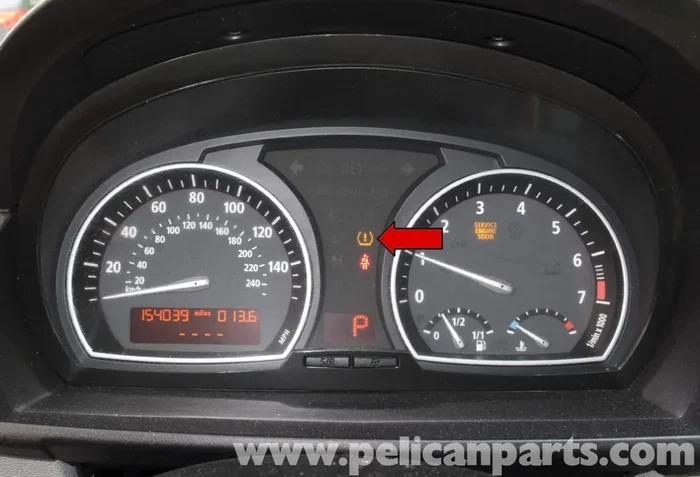
If the pressure drops by about 25 percent below the recommended level, the system triggers a warning. You will see a yellow horseshoe-shaped icon with an exclamation mark on your BMW dashboard. This is the tire pressure light. It tells you that one or more tires need attention right away.
The sensors also monitor temperature changes inside the tire. Cold weather can cause a temporary drop in pressure. The system accounts for minor temperature swings, but extreme cold can still trigger a false alert. Understanding how the system works helps you respond appropriately and avoid unnecessary trips to the shop.
Why BMW Uses Direct TPM Sensors
BMW chose direct sensors over indirect monitoring systems. An indirect system uses the car’s ABS sensors to detect differences in wheel rotation speed. A tire with low pressure has a smaller rolling radius. The system can detect this change in rotation. However, direct sensors provide exact pressure readings for each tire.
Direct monitoring is significantly more accurate. It gives you a precise pressure reading for each individual wheel. BMW owners benefit from this level of detail and reliability. It also means the system can detect slow leaks that an indirect system might completely miss. This is exactly why BMW maintenance of the TPM system is so important for every owner.
Why Would You Need to Reset the TPM on Your BMW?
There are several reasons you might need to reset the TPM on your BMW. The system does not always recalibrate on its own after changes. After certain events, a manual reset becomes necessary. Knowing when and why to reset helps you stay ahead of annoying warning lights and keeps your car running safely.
After Replacing or Rotating Tires
When you install new tires on your BMW, the system needs to learn the new sensor IDs. Each tire pressure sensor has a unique identifier code. The car’s computer stores these IDs for each wheel position. If you swap tires from front to back or rotate them, the system may not recognize the sensors in their new positions.
A TPM reset tells the car to relearn the sensor positions and IDs. This is especially important after a tire rotation service. Without a reset, you may see phantom warnings even when your BMW tire pressure is absolutely perfect. The reset process is quick and does not require any special equipment in most cases.
After Fixing a Flat Tire
A flat tire repair or full replacement also requires a system reset. When you remove a wheel from the car for repair, the sensor may lose its wireless pairing with the computer. Even if you put the exact same wheel back on, the system might still show a warning light.
Resetting the system after a flat tire fix ensures accurate readings across all four wheels. It also clears any stored fault codes from the incident. This keeps your BMW dashboard clean and your mind at ease while driving. Most owners find this reset takes only a few minutes of their time.
After Replacing a Sensor Battery
The sensors inside your wheels run on small internal batteries. These batteries typically last between five and ten years depending on driving conditions. When the battery finally dies, the sensor stops transmitting data altogether. You will see a persistent tire pressure warning light on your dash that will not go away.
After replacing the sensor or its battery, you must reset the TPM. The new sensor needs to register and pair with the car’s computer system. This step is often overlooked by DIY mechanics, leading to continued warnings even after a fresh sensor is installed. Always perform a full reset after any sensor replacement work.
How Long Does It Take to Reset TPM on BMW?
The big question every BMW owner wants answered is: how long does it take to reset TPM on BMW? The short answer is usually between 5 and 15 minutes. But the exact time depends on several factors. Your specific BMW model, the reset method you choose, and whether any underlying issues need troubleshooting all play a role in the total time.
For most drivers, the reset tire pressure sensor process is fast and simple. You do not need to visit a mechanic or a dealer to handle it. With basic familiarity and this guide, you can complete the reset yourself at home. Let us break down the timeframes by model series and by method so you know exactly what to expect.
Reset Time by BMW Model Series
Different BMW series have slightly different reset procedures. The time may vary based on the iDrive system version and the dashboard controls available on your specific model. Here is a general breakdown of what to expect.
For BMW F-series models like the 3 Series, 5 Series, and X5 from 2012 onward, the reset typically takes about 5 minutes. These models have a straightforward menu path through the iDrive controller. You access the vehicle info menu, select the TPM settings, and choose the reset option. The system guides you through each step clearly.
BMW E-series models including the 3 Series, 5 Series, and 7 Series from 2006 to 2012 may take a bit longer. The button-based controls require a specific sequence of presses and holds. The process takes about 8 to 10 minutes if you have done it before. First-time resetters might need 15 minutes while they carefully follow along with instructions.
Newer BMW G-series models like the 2 Series, 4 Series, and X3 with the latest iDrive system are the fastest to reset. The reset process on these models can take as little as 3 to 5 minutes. The menus are more intuitive, and the system provides clear visual guidance through the entire process.
If you own an older BMW model from before 2006, expect the process to take 10 to 15 minutes. These models have the simplest button-based systems but require a precise sequence of steps. Having your owner manual nearby is always a good idea for these older vehicles.
Reset Time by Method
The method you choose also affects the total time needed to complete the reset. There are three main ways to reset the TPM on a BMW. Each approach has its own time frame and level of complexity.
The first method is using the iDrive infotainment system. This is the most common and popular approach for modern BMWs. It works on most models from 2008 onward. The process is guided and intuitive with clear on-screen prompts. Most owners complete the iDrive reset in under 10 minutes.
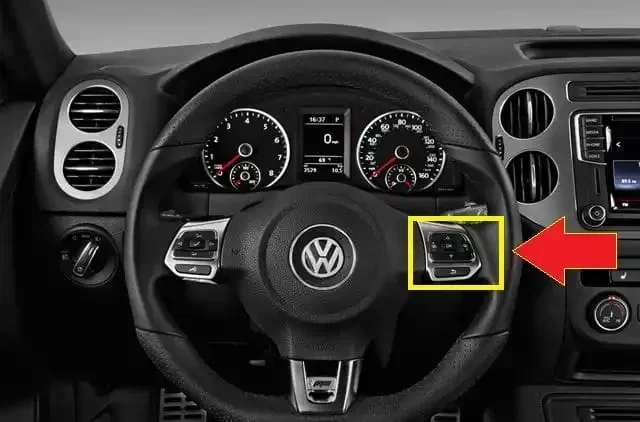
The second method uses physical buttons on the dashboard or steering column. This works on older BMW models that do not have a full iDrive system. It involves pressing a specific sequence of buttons in the correct order. This method takes slightly longer because you must follow the exact steps carefully without on-screen guidance.
The third method involves a BMW diagnostic tool or a professional-grade scan tool. This is the fastest method in terms of actual button presses. A diagnostic tool can reset the system in under 2 minutes. However, you need access to the tool, which may mean a visit to an auto parts store, a shop, or a dealer. For most owners, the iDrive method is the most practical choice.
Step-by-Step Guide to Resetting TPM on a BMW
Now that you know the timeframes, let us walk through the actual reset process step by step. Following these instructions carefully ensures a successful reset the first time around. Always make sure your tires are properly inflated before starting the reset.
Using the iDrive System
The iDrive method is the most popular way to reset the TPM on modern BMWs. Here is exactly what you need to do from start to finish.
First, start your BMW and let the engine run for about one minute. This powers up all the vehicle systems, including the TPM sensors. Make sure all four tires are at the correct pressure before you begin the reset. Use a reliable tire pressure check gauge to verify each tire matches the recommended PSI listed on the driver door jamb sticker.
Next, press the Start button to enter the vehicle settings menu. Use the iDrive controller to navigate to the Vehicle Info section. From there, select Vehicle Status. You should see an option for Tire Pressure Monitoring listed in the menu.
Select the TPM menu and choose the Reset option. The system will ask you to confirm the reset action. Confirm the reset and then drive the vehicle for about 10 to 15 minutes at speeds above 15 miles per hour. The system needs this driving time to recalibrate and relearn all four sensors.
After completing the drive cycle, check your BMW dashboard. The tire pressure warning light should be completely off. If it is still illuminated, repeat the reset process once more or check for potential sensor issues that may need professional attention.
Using Dashboard Buttons on Older Models
For older BMW models without the iDrive system, the process uses the dashboard button cluster. Start by turning the ignition to the accessory position without starting the engine yet.
Locate the TPMS reset button. You will usually find this button beneath the steering column or on the left side of the dashboard panel. Press and hold the TPMS reset button firmly.
While holding the button, turn the ignition to the ON position. Do not start the engine. Continue holding the button until the tire pressure warning light on the dashboard blinks three times in succession. Once it blinks three times, release the reset button.
Start the engine and drive the vehicle for 20 minutes at moderate speeds. The system will recalibrate the sensors during this extended drive cycle. Once the drive cycle is complete, the warning light should turn off permanently. If it does not, the sensors may need new batteries or there could be an actual air leak in one of the tires.
Common Mistakes When Resetting TPM
Even a simple process like a TPM reset can go wrong if you are not careful. Many BMW owners make avoidable mistakes that waste their time and cause frustration. Knowing what not to do saves you valuable time and prevents repeat trips through the reset process.
Skipping the Calibration Drive
The most common mistake is skipping the calibration drive after pressing the reset button. The reset action clears the old warning from the display, but the system needs actual driving time to fully relearn the sensor data. Without this drive cycle, the warning light often comes back within just a few miles of driving.
Always drive for at least 10 to 15 minutes after completing the reset. Maintain speeds above 15 miles per hour during this time. This gives the TPM module enough time to communicate with all four sensors and confirm they are working correctly. Skipping this drive step is the number one reason for repeat warning lights.
Ignoring Sensor Battery Warnings
Another common mistake is trying to reset the system when a sensor battery is already dead. If the battery inside the sensor has been depleted, the sensor cannot transmit any data to the car’s computer. No amount of resetting will fix this problem. The warning light will return immediately or within a very short drive.
Check the age of your sensors before attempting a reset. If your BMW is more than five years old, the batteries may need replacement soon. A BMW diagnostic tool can identify exactly which specific sensor has a dead battery. Replacing the faulty sensor first, then performing the reset, solves the problem permanently.
Not Checking for Actual Leaks
Some owners reset the TPM without ever checking whether the tires actually have the right amount of air. A slow leak from a damaged tire valve stem or a small puncture can cause persistent warnings that keep coming back. Resetting the system without fixing the underlying problem is completely pointless.
Always do a visual inspection of all four tires and use a quality tire pressure check gauge before starting the reset. If one tire reads significantly lower than the others, investigate the cause immediately. Repair the leak or replace the valve stem first. Then reset the system. This approach prevents repeated resets and annoying recurring warning lights on your dash.
Expert Tips for Keeping Your BMW Tire System in Top Shape
Proper BMW tire care goes far beyond just resetting the TPM when a light comes on. Regular attention to your entire tire system keeps you and your passengers safe and saves money on fuel over time. Here are some expert tips that experienced BMW owners and professional mechanics recommend.
Check your tire pressure every single month. Tires naturally lose about 1 PSI of pressure per month on average. Cold weather during winter months accelerates this pressure loss significantly. A quick check with a reliable gauge takes only a few minutes and catches small problems before they become big ones.
Keep a tire pressure gauge in your glove box at all times. The gauges available at gas stations are often inaccurate and poorly maintained. Having your own personal gauge ensures you always get a precise reading wherever you are. Digital gauges are very affordable and provide highly accurate results every time you use them.
Replace sensor batteries proactively before they die. Most TPM sensor batteries last about 7 years on average. The exact lifespan depends on your driving habits and local climate conditions. Cold weather can shorten battery life considerably. If your BMW is approaching 7 years of age, consider having the sensor batteries checked or replaced during your next BMW service appointment. Replacing them before they fail prevents unexpected warning lights and inconvenient situations.
Reset the TPM after every single tire service. Whether you are rotating your tires, changing to seasonal tires, or simply replacing one damaged tire, always perform a TPM reset afterward. This simple habit keeps your BMW dashboard completely clean and ensures your pressure readings remain accurate at all times.
Use the correct tires for your specific BMW model. BMWs are engineered as performance vehicles with precise handling characteristics. Using the correct tire size, type, and speed rating ensures the TPM sensors fit properly inside the wheels. Wrong or incompatible tires can damage the sensors or cause inaccurate pressure readings. Always check your owner manual for the exact recommended tire specifications for your model.
Visit a BMW specialist if you have persistent issues. If you have reset the system multiple times and the warning light keeps coming back, it is time to see a professional. A BMW diagnostic tool can read fault codes from each individual sensor. This technology pinpoints the exact problem and saves you from wasting time on guesswork and repeated resets.
Keep your TPM sensors clean during regular car washes. Dirt, mud, and road grime can build up around the sensors and interfere with their wireless communication. When washing your car, gently clean the area around each valve stem. Avoid using high-pressure washers directly on the sensors, as the intense pressure can damage the delicate sensor components.
Conclusion
Resetting the TPM on your BMW is a simple and manageable task that most owners can handle entirely on their own. The process typically takes between 5 and 15 minutes, depending on your specific model and the method you choose to use. Whether you prefer the iDrive menu system, the dashboard buttons, or a professional diagnostic tool, the key is to follow the steps carefully and patiently.
Do not skip the calibration drive after resetting the system. Always check your tire pressure before performing a reset. And if the warning light keeps coming back, investigate the root cause rather than simply resetting the system over and over again. Proper BMW tire care keeps you safe on the road and prevents unnecessary trips to the repair shop.
With the knowledge in this guide, you are now fully equipped to handle a TPM reset confidently whenever the situation arises. The next time that yellow warning light appears on your BMW dashboard, you will know exactly what to do and how long the process will take. Stay proactive with your BMW maintenance routine and enjoy the safe, smooth, and confident ride your BMW was always built to deliver.
Remember, a few minutes of attention to your tire pressure monitoring system can save you hours of trouble and worry down the road. Keep your tires properly inflated, keep your sensors in good working order, and never let a simple warning light catch you off guard again. Your BMW and your passengers will thank you for it.
Frequently Asked Questions
Can I drive my BMW with the TPM warning light on?
You can drive short distances, but it is not recommended. The warning light means your tire pressure is below the safe threshold for your vehicle. Driving on underinflated tires reduces handling, increases fuel consumption, and raises the risk of a dangerous blowout. Check your tire pressure immediately and inflate to the recommended level before driving any significant distance.
How much does it cost to replace a TPM sensor on a BMW?
The cost varies by model and year. A single sensor typically costs between 50 and 150 dollars for the part alone. If you need to replace all four sensors, the total runs between 200 and 600 dollars. Labor costs are usually minimal since the sensors are easy to access and install. Some BMW dealerships may charge more for the combined part and service package.
How often do TPM sensor batteries need to be replaced?
Most TPM sensor batteries last between 5 and 10 years. The exact lifespan depends on your driving conditions, climate, and how frequently you use the monitoring system. Cold weather can shorten battery life noticeably. If your BMW is over 7 years old, it is a smart idea to check the sensor batteries during your next BMW service visit. Replacing them proactively prevents unexpected warning lights and inconvenient breakdowns.
Will the TPM warning light reset itself after I inflate my tires?
In most BMW models, no, the light will not reset itself automatically. The system requires a manual reset after the tire pressure has been corrected to the proper level. Simply inflating the tires to the right PSI will not clear the warning light on its own. You need to go through the reset procedure specific to your BMW model. Once the reset is done and a short drive cycle is completed, the light should turn off.
Can cold weather cause the TPM light to come on temporarily?
Yes, cold weather can absolutely cause a temporary TPM warning to appear. When temperatures drop significantly, the air inside your tires contracts and reduces pressure by about 1 PSI for every 10 degree Fahrenheit drop. If the combined pressure drops below the system threshold, the light comes on. Inflating the tires to the proper level and performing a reset usually resolves this issue quickly and easily.
Do I need a special tool to reset the TPM on my BMW?
For most BMW models, no special tool is required at all. You can reset the system using the iDrive menu or the dashboard buttons with no extra equipment. However, if you are dealing with a faulty sensor or persistent warning issues, a BMW diagnostic tool can help identify the exact problem. These tools range from basic code readers to professional-grade scanners available at auto parts stores and dealerships.
=== CONCLUSION ===
Resetting the TPM on your BMW is a quick and manageable task that any owner can learn to do at home. Most resets take between 5 and 15 minutes, and you do not need any special equipment or a trip to the dealer. Understanding your specific BMW model’s reset procedure saves you time, money, and unnecessary frustration.
Regular BMW tire care and consistent BMW maintenance keep the entire system working properly year after year. Check your tire pressure monthly, replace sensor batteries proactively, and always reset the system after any tire service. These simple but important habits keep your BMW dashboard clear of warnings and your tires performing at their absolute best.
Now that you know how long it takes to reset TPM on BMW, you can handle the process confidently the next time that warning light appears on your dashboard. Stay proactive, stay informed, and enjoy the safe, smooth, and enjoyable ride your BMW was always designed to deliver. A little attention goes a long way toward keeping your vehicle running perfectly for years to come.
=== URL SLUG ===
/how-long-to-reset-tpm-on-bmw