How Do I Find the Exact Color of My Car Step by Step
Finding the exact color of your car is simpler than most people think. You can locate your vehicle’s paint code on the driver’s side door jamb, under the hood, or through your VIN lookup. Once you have the code, online paint code finders and car color charts make it easy to identify the precise shade. This guide gives you every tool and tip you need to match your car color perfectly every time.
SEO Title: How Do I Find the Exact Color of My Car Step by Step
Meta Title: How Do I Find the Exact Color of My Car | Step by Step Guide
URL Slug: /find-exact-color-of-car
Have you ever stared at your car and wondered what its exact color is called? Maybe you need a touch-up for a small scratch, or perhaps you are planning a full repaint. Whatever the reason, finding the exact color of your car does not have to be a guessing game.
Every vehicle leaves the factory with a specific paint code that identifies its exact shade. This code is like a fingerprint for your car’s color. Once you know it, you can match your car color perfectly for repairs, touch-ups, or even customization projects. In this guide, we will walk you through every step of the process in plain, simple language.
You will learn where to find your paint code, how to use online tools, and what to do when the years have faded your paint. By the time you finish reading, you will feel confident identifying your car’s exact color like a seasoned pro. Let us get started.
Key Takeaways
- Paint codes are the key: Every car has a unique code that identifies its exact factory color.
- Check multiple locations: The paint code can be found on the door jamb, under the hood, or in your vehicle documents.
- Online tools make it easy: VIN-based lookups and paint code databases simplify the identification process.
- Fade affects accuracy: Sun exposure and wear can change your car’s appearance, so always reference the original code.
- Touch-up paint requires precision: Matching your color correctly saves time and money on repairs.
- Professional help is available: When in doubt, a paint shop can mix the exact shade using your code.
📑 Table of Contents
Why Knowing Your Exact Car Color Matters
Some people think knowing the color name on the label is enough. But car colors are more complex than they appear. Two cars might both be called “red,” yet they could be completely different shades. That is why vehicle color identification goes beyond just picking a name from a list.
The Role of Paint Codes
Every car manufacturer assigns a unique paint code to each color they offer. This code tells paint shops exactly which pigments and ratios to use. Without it, you are just guessing. And guessing often leads to a color that looks off in sunlight or under streetlights.
Think of the paint code as your car’s color DNA. It contains all the information needed to reproduce the original factory color perfectly. Whether you are fixing a bumper scratch or planning a full respray, this code is your starting point.
How Color Affects Resale Value
Did you know that your car’s color can impact its car resale value? Popular colors like white, black, and silver tend to sell faster. Unusual or custom colors might appeal to a niche buyer. When you know your exact exterior paint color, you can market your vehicle more accurately.
Also, if you ever need to file an insurance claim for paint damage, having the correct car color name and code speeds up the process. Adjusters and body shops rely on these details to get your vehicle looking factory-fresh again.
How Do I Find the Exact Color of My Car: Paint Code Locations
Finding your paint code location is the first real step. The good news is that most manufacturers place this code in easy-to-find spots. Here is where to look.
Checking the Driver’s Side Door Jamb
The most common place to find your car paint color code is on the driver’s side door jamb. Open your driver’s door and look for a sticker or metal plate. It usually contains information about your vehicle, including the paint code.
This sticker might also list your vehicle identification number (VIN), manufacturing date, and other specs. The paint code is often labeled as “Paint Code,” “Color Code,” or “Ext. Color.” It is usually a combination of letters and numbers, like WA325 or G71P.
Looking Under the Hood
If you do not find it on the door jamb, check under the hood. Many manufacturers place a sticker on the firewall or the inner fender. Look carefully around the engine bay for a label with color information.
Some brands, like Ford and Chevrolet, are known for placing the paint code in this location. The sticker might be small and covered in grease, so bring a flashlight. Wipe it clean if needed, and you should see the code clearly.
Using the Vehicle Identification Number (VIN)
Your VIN is another powerful tool for vehicle color identification. The VIN is a 17-character code found on your dashboard, driver’s door jamb, or vehicle title. While the VIN itself does not directly tell you the color, many online services can decode it to reveal your car’s original factory color.
This method is especially helpful if the paint code sticker has worn off or been removed. Simply enter your VIN into a paint code finder tool, and the system will pull up your vehicle’s color information. More on this in the next section.
Checking Your Vehicle Documents
Do not overlook your paperwork. The owner’s manual, purchase receipt, or vehicle inspection records sometimes list the car color name and code. If you still have the original window sticker from when you bought the car, it will almost certainly include this information.
Also, check your insurance documents. Some policies note the vehicle color, which can serve as a secondary reference point. While not as precise as the paint code, it can help narrow down your search.
Using Online Paint Code Finders and Tools
Once you have your paint code or VIN, the internet makes the rest easy. There are many free tools designed to help you find the exact color of your car quickly and accurately.
Popular Paint Code Lookup Websites
Several websites specialize in paint code lookup services. Sites like PaintCodeFinder.com, CarColorCodes.com, and similar platforms let you enter your paint code or VIN and instantly receive your car’s color details.
These tools often provide:
- The official car color name
- The manufacturer’s color family
- Year and model-specific variations
- Links to car touch up paint suppliers
- Car color charts for visual reference
Most of these sites are free to use. Just enter your information and browse the results. Some even show close-up images of the actual paint shade, which helps you confirm the match.
Entering Your VIN for Color Results
If you only have your VIN, do not worry. Many paint code finder tools accept VIN input and return the color information automatically. This is one of the fastest methods available.
Simply go to a trusted VIN decoder site, enter your 17-character code, and look for the color section in the results. The tool will display your vehicle’s exterior paint color along with the paint code. Write this down and keep it in a safe place.
Comparing Results Across Multiple Sources
For the best accuracy, cross-reference your results. Use at least two different paint code lookup tools and compare the outputs. If both sources show the same car color name and code, you can be confident in the result.
If there is a discrepancy, go back to the physical paint code sticker on your car. That is the most reliable source. Online tools are helpful, but they depend on databases that are not always 100% complete for every vehicle and year.
Matching Your Car Color with Touch-Up Paint
Once you know your exact car color, the next step is finding the right touch-up paint. This is where many people run into trouble, so let us walk through it carefully.
How to Read a Color Chart
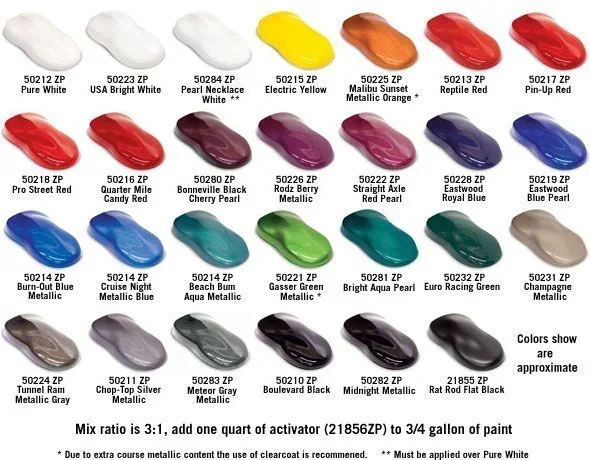
A car color chart is a visual guide that shows paint shades side by side. Auto parts stores and paint shops often carry these charts. They are organized by manufacturer and color code.
When using a color chart, look for the chip that most closely matches your vehicle. Hold the chip against your car’s paint in natural sunlight for the best comparison. Artificial lighting can distort the appearance of colors.
Keep in mind that screens and printed charts can also distort colors. A physical chip viewed outdoors is always the most accurate way to match your car color. Think of the physical chip as a color sample card that gives you the truest representation.
Comparing Paint Chips Side by Side
If you order touch-up paint, most suppliers include a small color chip with your order. Compare this chip directly to your car’s paint before applying it. Here is a quick comparison of the most common methods for verifying your color match:
| Method | Accuracy | Cost | Best For |
|---|---|---|---|
| Paint Code Lookup | Very High | Free | Exact factory match |
| VIN Decoder | High | Free | Quick identification |
| Color Chart Comparison | Medium | Free or low | Visual confirmation |
| Professional Spectrometer | Highest | Varies | Complex or custom colors |
| Visual Matching by Eye | Low | Free | Rough estimates only |
As you can see, using your paint code is the most reliable method. Visual matching by eye alone is the least accurate because lighting, age, and wear all affect how we perceive color. Always start with your code before relying on visual comparison.
Ordering the Right Touch-Up Paint
With your car paint color code in hand, ordering touch-up paint becomes straightforward. Most auto parts stores and online retailers let you search by paint code. Enter your code, select your automotive paint brand, and add the product to your cart.
Always buy a small amount first. Test it on a hidden spot, like inside the trunk or under a door edge. This lets you confirm the match before applying it to a visible area. If you are dealing with a car manufacturer color that has been discontinued, a specialty supplier may be your best option.
Common Mistakes When Identifying Car Color
Even with the best tools, mistakes can happen. Here are the most common errors people make when trying to find the exact color of their car.
Confusing Color Names with Paint Codes
This is the biggest mistake. A car might be marketed as “Midnight Black Metallic,” but the actual paint code could be completely different from another vehicle also labeled “Midnight Black.” Manufacturers sometimes use the same marketing name for slightly different shades across model years.
Always rely on the alphanumeric paint code, not the color name. The name is for marketing purposes. The code is for precision. This single habit will save you from countless mismatches and frustration at the auto parts store.
Ignoring Paint Fade and Wear
Over time, sun exposure and weather take a toll on your car’s paint. Paint fade can make your vehicle look lighter or duller than its original shade. If you try to match based on how the car looks today, you might end up with the wrong color.
This is why referencing the original paint code is so important. It bypasses the effects of aging and gives you the true factory color. If you are unsure whether the paint has faded significantly, a professional can use a spectrometer to read the underlying layers beneath the surface.
Assuming All Years Use the Same Code
Car manufacturers sometimes change paint codes between model years. A 2018 model might use a different code than a 2019 model, even if the color looks identical. Always verify the code matches your specific year, make, and model.
When in doubt, double-check your vehicle’s production date. This information is usually found on the door jamb sticker alongside the paint code. Also, keep in mind that seasonal and regional variations can affect color availability, so always confirm with your specific production details.
Overlooking the Clear Coat Layer
Here is something many car owners do not realize: the clear coat color affects how the base color appears. The clear coat is the transparent layer on top of the paint. It adds depth, gloss, and protection.
Over time, the clear coat can yellow or become hazy, which changes how the underlying color looks. This is especially common on white and light-colored vehicles. When matching paint, always consider the condition of the clear coat. A new clear coat application can make an old color look completely different from what you see on the surface.
Expert Tips for Perfect Color Matching
Getting the perfect automotive paint match takes more than just a code. Here are some expert-backed tips to ensure the best results every time.
Quick Tips for Accurate Results
Follow these simple steps for the most accurate color identification:
- Always check your paint code in natural daylight
- Clean the area around the sticker before reading it
- Take a photo of the code and save it in your phone
- Record the paint code in your vehicle’s service records
- Use multiple lookup tools to cross-verify your results
- Test touch-up paint in a hidden area before full application
- Keep a car paint chips sample from the dealer for future reference
These habits take just a few minutes but save you from costly mistakes later. Think of it as a small investment of time that pays off every time you need a color match. Many seasoned car owners keep a small file with their paint code, VIN photo, and a color sample card from the original purchase.
When to Seek Professional Help
Sometimes, the DIY approach is not enough. If your car has been repainted before, has custom work, or has extensive paint fade, a professional paint shop can help. They have advanced tools like spectrometers that read the exact chemical composition of your paint.
Also, if you are dealing with a rare or discontinued car manufacturer color, finding an exact match can be challenging. A professional automotive paint brand supplier may have access to legacy color formulas that are not available online. Do not hesitate to ask for help. A good paint shop will appreciate that you came prepared with your paint code and car color name. It shows you understand the process and helps them serve you better.
Understanding the Difference Between Base Coat and Clear Coat
Modern car paint uses a multi-layer system. The base coat provides the color, while the clear coat sits on top and adds protection and shine. When you are matching your car color, you need to account for both layers.
A touch-up pen or bottle usually contains just the base coat. You apply it first, then add a clear coat layer on top for protection and gloss. Skipping the clear coat can leave your repair looking flat and dull compared to the rest of the vehicle. Always use both layers for the most seamless automotive paint match.
Conclusion
Finding the exact color of your car is a straightforward process once you know where to look and what tools to use. Start by locating your paint code on the door jamb, under the hood, or through your VIN. Then use online paint code finders and color charts to confirm your vehicle’s exact shade.
Avoid common mistakes like relying on color names alone or ignoring paint fade. With the right paint code in hand, you can order perfect touch-up paint, make accurate insurance claims, and even boost your car resale value with confidence. Take a few minutes today to find your car’s paint code. Write it down, save it in your phone, and keep it with your vehicle documents. This small step can save you a lot of time, money, and frustration the next time you need a color match. Your car deserves the right shade, and now you have everything you need to get it.
Frequently Asked Questions
Can I find my car color without the paint code?
Yes, you can. Try using your VIN on a paint code lookup website or check your vehicle documents. You can also visit a dealership with your VIN, and they can pull up the original color information from their system. However, the paint code is always the most reliable source for an exact match.
Does car color affect insurance rates?
Generally, no. Insurance companies focus more on the vehicle type, engine size, and your driving record than the color. However, knowing your exact exterior paint color helps with claims and ensures the repair shop uses the correct shade for a seamless fix.
How long does touch-up paint last?
When applied correctly, touch-up paint can last for years. The key is proper preparation and application. Clean the area thoroughly, apply thin layers, and allow each coat to dry completely. Using the correct paint code ensures the color stays consistent and blends well over time.
Can paint fade change my car’s original color code?
No. The paint code never changes. It represents the original factory formula. Fade affects the appearance but not the underlying paint chemistry. Always reference the code, not the visual appearance, when matching colors for repairs or touch-ups.
What if my car has been repainted before?
If your vehicle has been repainted, the existing paint may not match the original factory paint code. In this case, a professional paint shop can use a spectrometer to analyze the current paint and mix a custom match. Bring your original paint code to the shop for reference so they can get as close as possible to the factory shade.
Are online paint code tools always accurate?
Most reputable tools are very accurate, but databases can have gaps for older or rare models. Always cross-reference with your physical paint code sticker when possible. If the online result does not match what you see on your vehicle, trust the physical code over the digital lookup every time.