Can You Track a Vehicle by VIN Number and Locate It Fast
Yes, you can track a vehicle by VIN number, though it works differently than a GPS tracker. A VIN lookup reveals ownership history, registration details, and vehicle specs that help pinpoint a car’s location. Track a vehicle by VIN number using free online tools, paid reports, law enforcement databases, and professional locator services to find your car quickly and safely.
Have you ever wondered if it’s possible to track a vehicle by VIN number? Maybe your car was stolen, or you’re helping a friend locate a lost vehicle. The truth is, a VIN number is one of the most powerful tools available for identifying and locating a car. Unlike a license plate, which can be changed, a vehicle identification number stays with the vehicle for its entire life. In this guide, we’ll walk you through everything you need to know about tracking a vehicle by VIN number, from free lookup tools to professional services. You’ll learn exactly what information a VIN reveals, how to use it for location purposes, and the best methods available today.
Whether you’re dealing with a stolen car situation or simply curious about a vehicle’s background, understanding how VIN-based tracking works can save you time, money, and stress. Let’s dive in and explore the full picture of tracking a vehicle by VIN number and how you can locate it fast.
Key Takeaways
- A VIN number is unique to every vehicle: No two cars share the same 17-character code, making it the most reliable identifier for tracking.
- VIN tracking is not real-time GPS: It reveals historical and registration data, not live location, unless paired with a tracking device.
- Free and paid VIN lookup tools exist: Free tools offer basic info, while paid reports provide detailed history and ownership records.
- Law enforcement can use VINs for recovery: Police databases link VINs to stolen vehicle reports, making VIN-based recovery a powerful tool.
- Common mistakes can ruin your search: Entering wrong digits or relying on a single source leads to inaccurate results.
- Professional services offer the fastest results: When time matters, expert vehicle locators use VIN data combined with advanced technology.
- VIN tracking helps prevent fraud: Verifying a VIN protects buyers from stolen or tampered vehicles.
📑 Table of Contents
What Is a VIN Number and Why Does It Matter?
A VIN number is a unique 17-character code assigned to every vehicle manufactured since 1981. Think of it as a car’s fingerprint. No two vehicles in operation share the same VIN. This code contains information about the manufacturer, model year, assembly plant, and serial number of the vehicle.
The VIN plate is typically stamped on the dashboard near the windshield, on the driver’s side door jamb, and in the engine bay. You can also find it on the vehicle title, registration documents, and insurance papers.
Why the VIN Is So Important for Tracking
When you track a vehicle by VIN number, you’re tapping into a universal identification system recognized worldwide. Law enforcement agencies, insurance companies, and automotive databases all use VINs to cross-reference vehicle information. This makes the VIN the starting point for any serious vehicle locator effort.
Here is why the VIN matters so much:
- It never changes: Unlike license plates, a VIN stays with the car from manufacture to scrappage.
- It is globally recognized: The ISO standard ensures every country uses the same VIN format.
- It links to multiple databases: Registration records, insurance claims, and theft reports all tie back to the VIN.
- It reveals hidden history: Accident records, recall information, and ownership transfers are all linked to the VIN.
If you want to track a vehicle by VIN number, understanding the structure of the VIN itself helps. The first three characters identify the manufacturer. Characters four through eight describe the vehicle type and features. The ninth character is a check digit that validates the VIN. The tenth character shows the model year, and the eleventh identifies the assembly plant. The last six characters are the serial number.
Can You Track a Vehicle by VIN Number? Here Is the Truth
The short answer is yes, but with important caveats. When you track a vehicle by VIN number, you are not using it like a GPS beacon that shows live movement on a map. Instead, you use the VIN to access databases that contain registration, ownership, and location records. These records can point you toward where a vehicle is currently registered or last known to be.
VIN-based tracking works by pulling data from multiple sources. Motor vehicle departments, insurance databases, lien records, and law enforcement systems all store VIN-linked information. By searching these databases, you can uncover details that help narrow down a vehicle’s location.
How VIN Tracking Differs from GPS Tracking
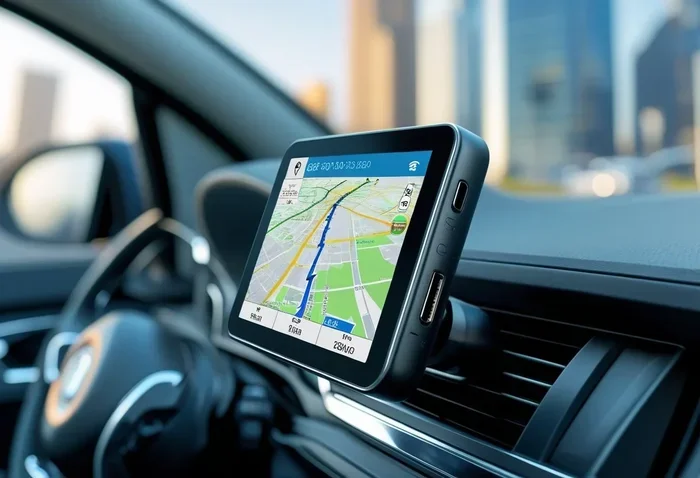
It is important to understand the difference between VIN tracking and GPS tracking. A car tracking device installed in the vehicle sends real-time location data to your phone or computer. A VIN lookup does not provide live coordinates. Instead, it gives you historical and registration-based clues about where the vehicle might be.
Here is a quick comparison:
| Feature | VIN-Based Tracking | GPS Tracking |
|---|---|---|
| Real-time location | No | Yes |
| Historical data | Yes | Limited |
| Requires device installation | No | Yes |
| Best for stolen vehicle recovery | Helpful for identification | Best for live tracking |
| Cost | Free or low-cost | Monthly subscription |
| Accuracy | Based on records | Precision coordinates |
| Works without consent | Yes, for law enforcement | Requires device in vehicle |
The best approach often combines both methods. Use VIN-based tracking to identify and verify the vehicle, then use a GPS tracking device for real-time car location updates.
Methods to Track a Vehicle by VIN Number
Now that you understand the basics, let us explore the specific methods you can use to track a vehicle by VIN number. Each method has its strengths, and the best choice depends on your situation.
Method 1: Free Online VIN Lookup Tools
Several websites offer free VIN lookup services. These tools pull basic information from public databases. You enter the 17-character VIN, and the system returns the vehicle’s make, model, year, engine type, and sometimes registration state.
Popular free options include the National Insurance Crime Bureau (NICB) VINCheck, the NHTSA VIN decoder, and various third-party VIN decoder sites. These tools are a great starting point when you want to track a vehicle by VIN number without spending money.
Quick Tips for Free VIN Lookups:
- Always double-check the VIN for typos before searching.
- Use multiple free tools and compare results for accuracy.
- Free tools may not show recent registration changes.
- Some free services limit the number of searches per day.
Method 2: Paid VIN Report Services
For more detailed information, paid VIN check services are the way to go. Services like Carfax, AutoCheck, and VinAudit provide comprehensive vehicle history reports. These reports include accident history, title status, ownership changes, service records, and lien information.
When trying to locate a vehicle, these reports often contain the most recent registration state and lienholder information, which can be valuable clues for stolen vehicle recovery.
What Paid Reports Typically Include:
- Complete ownership history
- Accident and damage records
- Title branding (salvage, flood, lemon)
- Odometer readings over time
- Recall and service campaign notices
- Last known registration state
- Lien and financing records
Method 3: Law Enforcement Databases
If your vehicle has been stolen, law enforcement has access to powerful databases that civilians do not. Police can run a VIN through the National Crime Information Center (NCIC) and state-level systems to locate a stolen vehicle. They can also flag the VIN in the National Vehicle Identification System (NVIS).
Always report a stolen vehicle to the police first. Provide them with the VIN, and they will begin the stolen vehicle recovery process. This is the most effective way to use VIN-based tracking for recovery purposes.
Expert Insight: “Police departments increasingly rely on VIN data to recover stolen vehicles. The VIN is the single most important piece of information you can provide when reporting a theft,” says a senior investigator with the National Insurance Crime Bureau.
Method 4: Professional Vehicle Locator Services
When you need results fast, professional vehicle locator services are the best option. These companies specialize in finding vehicles using VIN data combined with advanced technology and investigative techniques. They access private databases, skip tracing tools, and industry networks that are not available to the general public.
Professional services are especially useful for:
- Recovering stolen vehicles quickly
- Locating vehicles for legal proceedings
- Finding vehicles with hidden or fraudulent VINs
- Recovering repossessed vehicles
These services typically charge a fee, but the speed and accuracy they provide often justify the cost, especially when time is critical.
Method 5: Fleet Management and Dealer Tracking Systems
Businesses that manage large numbers of vehicles use fleet management systems tied to VINs. These systems track every vehicle in a fleet using the VIN as the primary identifier. Dealerships also maintain detailed VIN records for inventory management.
If you are part of a fleet or work with a dealership, these systems offer powerful automotive tracking capabilities. They can show vehicle locations, usage patterns, and maintenance schedules all linked to the VIN.
What You Can Learn from a VIN Lookup
A thorough VIN number search reveals a surprising amount of information. Here is what you can typically expect to find:
Basic Vehicle Information
- Manufacturer: The company that built the vehicle
- Model and trim level: Specific version of the vehicle
- Model year: The year the vehicle was produced
- Engine type and size: Displacement and configuration
- Transmission type: Automatic or manual
- Assembly plant: Where the vehicle was manufactured
Ownership and Registration Data
- Current registered owner: Name and contact information
- Registration state: Where the vehicle is currently registered
- Registration expiration date: When the current registration expires
- Title history: Clean, salvage, or rebuilt title status
- Lienholder information: Who currently holds the financing
Vehicle History and Condition
- Accident reports: Previous collisions and damage
- Service records: Maintenance and repair history
- Recall information: Open recalls for the vehicle
- Odometer readings: Historical mileage data
- Insurance claims: Past insurance filings
All of this information helps you build a picture of the vehicle’s current status and likely location. When you track a vehicle by VIN number, this data forms the foundation of your search.
Common Mistakes People Make When Using VIN for Vehicle Tracking
Even with the best intentions, people make mistakes that waste time and lead to dead ends. Here are the most common errors to avoid:
Mistake 1: Entering an incorrect VIN. One wrong character in the 17-digit code will return results for a completely different vehicle. Always verify the VIN before running a search. The VIN is usually found on the dashboard, driver’s door jamb, and vehicle title.
Mistake 2: Relying on a single source. No one database has complete information. Always cross-reference results from multiple VIN check services to get the most accurate picture.
Mistake 3: Confusing VIN tracking with GPS tracking. As we covered earlier, a VIN does not provide real-time location. If you need live tracking, you need a physical car tracking device installed in the vehicle.
Mistake 4: Ignoring title and registration records. The title and registration are official documents that link the VIN to a specific owner and location. Skipping these records means missing critical clues.
Mistake 5: Not reporting theft to police immediately. If a vehicle is stolen, every minute counts. Report it to law enforcement before trying to track it yourself. They have tools and authority that you do not.
Expert Tips for Locating a Vehicle Fast Using VIN Data
When speed matters, the approach you take makes all the difference. Here are expert-backed strategies for tracking a vehicle by VIN number quickly and effectively:
Start with the VIN and Work Outward
Begin your search with a thorough VIN verification. Confirm the VIN is correct and matches the vehicle in question. Then use that VIN to pull records from multiple sources simultaneously. The more data points you gather early, the faster you can narrow down the location.
Use the Last Known Registration State
The most recent registration state is often the best starting clue. Vehicles tend to stay registered in their home state unless the owner has moved. Contact the DMV in that state to check current registration status, though they may require a valid reason to share this information.
Check Insurance Records
Insurance companies maintain detailed VIN records, including the last known address of the insured vehicle owner. If you have a legitimate reason to search, contacting the insurance provider with a valid VIN can yield useful location data.
Leverage Social Media and Online Marketplaces
Sometimes vehicles for sale online are stolen vehicles with altered VINs. Search the VIN on marketplaces like Craigslist, Facebook Marketplace, and AutoTrader. If a vehicle matching the VIN appears for sale, report it immediately to authorities.
Consider a VIN Authentication Service
If you suspect the VIN has been tampered with, use a professional VIN authentication service. These experts can verify the VIN’s legitimacy and trace the vehicle even when the number has been altered or removed.
Quick Tips for Fast Results:
- Have the correct VIN ready before starting any search.
- Use at least three different lookup tools for cross-referencing.
- Report theft to police immediately with the VIN in hand.
- Contact the last known insurance provider for records.
- Check online marketplaces for suspicious listings matching the VIN.
- Consider hiring a professional locator for time-sensitive cases.
- Keep all documentation organized for law enforcement and service providers.
How VIN Tracking Supports Car Theft Prevention
Beyond locating a lost or stolen vehicle, VIN-based tracking plays a vital role in car theft prevention. When buyers verify a VIN before purchasing a used vehicle, they can uncover red flags like salvage titles, flood damage, or theft records. This simple step protects consumers and disrupts the market for stolen vehicles.
Law enforcement agencies also use VIN data to identify theft rings. When multiple stolen vehicles share similar VIN alteration patterns, investigators can trace the operation and recover more cars. The more people who use VIN verification before buying, the harder it becomes for thieves to sell stolen vehicles.
For businesses involved in fleet management, VIN tracking helps ensure that all vehicles in the fleet are accounted for and properly registered. This prevents unauthorized use and simplifies recovery if a fleet vehicle goes missing.
Final Thoughts on Tracking a Vehicle by VIN Number
Tracking a vehicle by VIN number is a powerful and accessible tool for anyone dealing with a lost, stolen, or unverified vehicle. While it does not replace a live GPS tracker, it provides essential data that can lead you to a vehicle’s location through registration records, ownership history, and database cross-referencing.
The key is to use the right combination of methods. Start with free VIN lookup tools to gather basic information. Follow up with paid reports for deeper history. Engage law enforcement if theft is involved. And consider professional services when speed and accuracy are critical.
Remember that VIN-based tracking works best when combined with other tools like car tracking devices and vehicle security systems. The more layers of tracking you have, the better your chances of locating a vehicle quickly and recovering it safely.
Whether you are a car owner protecting your investment, a buyer verifying a used vehicle, or someone helping recover a stolen car, understanding how to track a vehicle by VIN number gives you a significant advantage. Use the methods in this guide, avoid common mistakes, and you will be well-equipped to locate any vehicle fast.
Take action today. Verify your VIN, set up tracking tools, and stay proactive about vehicle security. The knowledge you gain from this guide could save you time, money, and the peace of mind that comes with knowing your vehicle is where it should be.
Frequently Asked Questions
Can you track a car in real time using just the VIN number?
No, a VIN number alone cannot provide real-time GPS location. The VIN gives you access to registration records, ownership history, and database information that can help narrow down a vehicle’s likely location. For real-time tracking, you need a GPS tracking device installed in the vehicle or a mobile tracking app linked to the car.
Is it legal to track a vehicle by VIN number?
Yes, using public VIN lookup tools and checking registration records is legal for personal use. However, using VIN data to stalk, harass, or track someone without their consent may violate privacy laws. Always use VIN tracking for legitimate purposes like recovering a stolen vehicle or verifying a car’s history before purchase.
How accurate is VIN-based vehicle tracking?
VIN tracking accuracy depends on the freshness of database records. Registration data is usually current, but some databases may not reflect recent changes. For the most accurate results, use multiple sources and cross-reference the information. Professional locator services that combine VIN data with investigative techniques offer the highest accuracy.
Can police track a stolen vehicle using the VIN number?
Yes, police can access law enforcement databases like the NCIC and NVIS to search for stolen vehicles by VIN. When a vehicle is reported stolen, the VIN is flagged in these systems, allowing officers to identify and recover the vehicle during traffic stops or routine checks. This makes reporting the VIN to police immediately after a theft critical.
What is the difference between a VIN tracker and a GPS tracker?
A VIN tracker uses the vehicle’s unique identification number to access database records, ownership history, and registration information. A GPS tracker is a physical device installed in the vehicle that sends real-time location coordinates to your phone or computer. They serve different purposes but work best when used together for comprehensive vehicle monitoring.
How much does it cost to track a vehicle using its VIN?
Free VIN lookup tools cost nothing and provide basic information. Paid VIN report services typically range from $20 to $50 per report. Professional vehicle locator services charge anywhere from $100 to $500 or more depending on the complexity of the search. Law enforcement tracking through VIN is free but requires a filed police report for stolen vehicles.
=== CONCLUSION ===
Tracking a vehicle by VIN number is a practical, effective, and accessible way to locate any car, truck, or SUV. From free online tools to professional locator services, the methods available today give vehicle owners and investigators powerful options for finding lost or stolen vehicles. The key is to understand what a VIN can and cannot do, use the right combination of tools, and act quickly when every minute counts.
Whether you are recovering a stolen car, verifying a used vehicle purchase, or managing a fleet, mastering VIN-based tracking puts you ahead. Follow the tips in this guide, avoid common mistakes, and always start with a correct VIN. With the right approach, you can locate any vehicle fast and confidently.