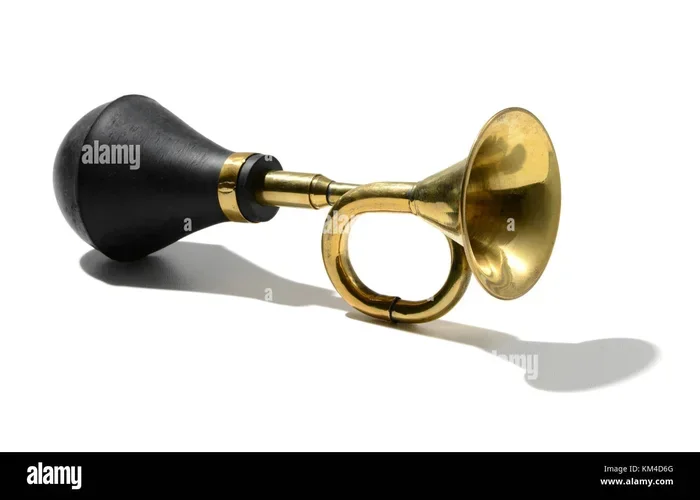
Car Horn Notification Sound That Gets Your Attention
A car horn notification sound is more than just a loud beep. It is a critical safety tool that alerts drivers and pedestrians to potential dangers on the road. Choosing the right car horn notification sound can mean the difference between a near miss and a serious accident. This guide covers everything from horn types and legal limits to customization tips that help you pick a sound that truly gets your attention and keeps you safe.
Have you ever been stuck in traffic and wished someone’s car horn notification sound was a little more effective? Maybe you have been the one honking, trying to get a distracted driver’s attention. The truth is, your car horn is one of the most important safety tools in your vehicle. Yet most people never think twice about it until they need it. A good car horn notification sound does more than make noise. It communicates urgency, warns others of danger, and can literally save lives. In this article, we will explore everything you need to know about car horn sounds, from the different types available to the legal rules you must follow. We will also share practical tips for choosing and customizing the perfect alert for your vehicle.
Whether you drive a compact sedan or a large truck, the right horn sound makes a big difference. Electric cars and hybrids are becoming more popular, and their quiet engines make a strong vehicle horn even more essential. Pedestrians, cyclists, and other drivers rely on your horn to know what is happening around them. So let us dive in and learn how to make sure your car horn notification sound is doing its job properly.
Key Takeaways
- Your car horn notification sound plays a vital role in road safety: A clear, effective horn alert can prevent accidents and warn others of danger.
- Multiple horn types exist: From electric horns to air horns and musical tones, there is a wide range of car horn sound options available.
- Volume and frequency matter: Choosing the right car horn decibel level ensures your alert is heard without causing unnecessary noise pollution.
- Legal limits apply in every region: Understanding car horn regulations helps you stay compliant and avoid fines.
- Customization is possible: Many drivers now customize their horn sound with notification alert tones that stand out on busy roads.
- Common mistakes reduce effectiveness: Avoid using your horn recklessly or ignoring maintenance to keep your vehicle horn working at its best.
- Electric and hybrid vehicles need special attention: These quiet cars benefit greatly from a well-designed vehicle alert system.
📑 Table of Contents
- What Is a Car Horn Notification Sound?
- Why Your Car Horn Notification Sound Matters for Safety
- Types of Car Horn Notification Sounds Available Today
- How to Choose the Right Car Horn Notification Sound
- Car Horn Sound Regulations and Legal Limits
- Tips for Customizing Your Car Horn Notification Sound
- Common Mistakes People Make with Their Car Horn Sound
- Conclusion
What Is a Car Horn Notification Sound?
A car horn notification sound is an audible alert produced by your vehicle to communicate with others on the road. It is a short burst of sound designed to grab attention and signal a warning. Most people think of a simple beep or honk, but the reality is much more varied. Today’s vehicles come equipped with different types of vehicle horn systems, each producing a unique sound pattern.
The basic purpose of any car horn sound is to alert others to potential danger. When you press the horn button, an electrical or pneumatic system triggers the horn mechanism. This creates vibrations that produce the familiar notification alert we all recognize. The sound travels through the air and reaches the ears of nearby drivers, pedestrians, and cyclists.
Not all car horn notification sounds are the same. The pitch, volume, and tone can vary widely depending on the type of horn installed. Some vehicles come with a standard factory horn that produces a low-frequency tone. Others may have been upgraded with a louder, more piercing alert. Understanding how your horn works is the first step toward using it effectively and safely.
How Does a Car Horn Produce Sound?
Most modern cars use an electric horn. Inside the horn unit, there is a diaphragm that vibrates when electricity flows through it. This vibration creates sound waves that travel outward. The frequency of these sound waves determines the pitch of your horn. A lower frequency produces a deep, resonant tone. A higher frequency creates a sharper, more piercing sound.
Some vehicles use air horns, which rely on compressed air to produce sound. These are common in trucks and large commercial vehicles. Air horns tend to be much louder than electric horns, which makes them effective for alerting others in heavy traffic or on open highways. The car horn decibel level for air horns can reach well above 100 dB, which is significantly louder than standard electric horns.
Why Your Car Horn Notification Sound Matters for Safety
Your horn is not just a convenience. It is a safety device. A properly functioning car horn notification sound gives you a way to warn others when something goes wrong. Maybe a pedestrian is stepping into the road without looking. Perhaps a driver in front of you is about to back up without checking their mirrors. In these moments, a quick honk can prevent a serious accident.
Studies on road safety show that audible alerts play a key role in reducing collisions. A clear horn sound gives other road users a split second to react. That split second can be the difference between a close call and a crash. This is why the vehicle alert system in your car deserves more attention than it usually gets.
The Role of Horn Sounds in Defensive Driving
Defensive driving means always being prepared for the unexpected. Part of that preparation includes knowing when and how to use your horn. A well-timed car horn warning signal can alert a distracted driver who has drifted into your lane. It can also warn a cyclist who is about to enter an intersection without looking.
Here are some situations where your horn sound can make a real difference:
- Warning a driver who is about to hit you: A quick honk can startle someone into reacting.
- Alerting pedestrians at crosswalks: Electric vehicles are very quiet, so a clear horn alert is essential.
- Signaling in low-visibility conditions: Fog, rain, and heavy snow can limit what others can see.
- Getting attention at intersections: A gentle tap on the horn can remind someone to go when the light turns green.
Each of these scenarios shows why having a reliable car horn notification sound is so important. Your horn is your voice on the road when words are not enough.
Types of Car Horn Notification Sounds Available Today
Not all car horns sound the same. Over the years, manufacturers have developed several different types of vehicle horn systems. Each type produces a unique car horn tone that suits different vehicles and driving conditions. Let us look at the most common options available.
Standard Electric Horns
Most passenger cars come with a standard electric horn. This is usually a dual-tone horn that produces two different frequencies at the same time. The result is a harmonious sound that is loud enough to be heard but not so harsh that it causes panic. Standard electric horns are reliable, affordable, and easy to replace.
The car horn decibel level for a typical factory electric horn ranges from 100 to 110 dB. This is loud enough to alert others in most driving situations. However, if you drive in noisy urban areas or frequently encounter heavy traffic, you might want something louder.
Air Horns
Air horns are popular among truck drivers and off-road enthusiasts. They use compressed air to produce a deep, powerful tone that can be heard from far away. Air horns are much louder than standard electric horns, often reaching 130 dB or more. This makes them excellent for large vehicles that need to alert others in demanding environments.
However, air horns come with some downsides. They require an air compressor and additional installation space. They are also often too loud for smaller vehicles and may violate local noise regulations. Before installing an air horn, make sure you understand your local car horn regulations.
Musical and Custom Horn Tones
Some drivers prefer a more creative approach. Musical car horns and custom notification alert tones have become increasingly popular. These horns can play melodies, animal sounds, or even phrases. They add a fun personality to your vehicle while still serving the essential purpose of alerting others.
Musical horns are especially popular in some Asian countries, where they are a common sight on city streets. In many places, though, custom horn sounds must still meet volume and tone standards set by local laws. Always check your regional car horn regulations before installing a musical horn.
Electronic Notification Chimes
A newer trend in vehicle safety is the electronic notification chime. These subtle sounds are used in advanced driver assistance systems (ADAS). For example, your car might emit a gentle chime when you are drifting out of your lane or too close to another vehicle. While not as loud as a traditional horn, these chimes serve as an early warning system that can prevent accidents before they happen.
Many modern electric vehicles use these kinds of external notification sounds to alert pedestrians. Because EVs are so quiet at low speeds, a soft electronic chime helps people know a car is nearby. This is a great example of how the car horn notification sound concept is evolving with new technology.
How to Choose the Right Car Horn Notification Sound
Choosing the right horn sound for your vehicle involves more than just picking the loudest option. You need to consider several factors to find the perfect balance between effectiveness and legality. Here is a guide to help you make the best choice.
Consider Your Vehicle Type
The type of vehicle you drive plays a big role in which horn sound is right for you. A compact car does not need the same horn as a semi-truck. Here are some quick guidelines:
- Passenger cars: A standard dual-tone electric horn works well. It provides enough volume without being overly aggressive.
- SUVs and crossovers: These vehicles sit higher and are often louder on the road. A slightly louder horn can help your alert cut through ambient noise.
- Trucks and commercial vehicles: Air horns are a popular choice. They produce a deep, commanding tone that is hard to ignore.
- Electric and hybrid vehicles: Consider adding an external speaker system. Since these cars are very quiet, a dedicated vehicle alert system helps keep pedestrians safe.
Think About Your Driving Environment
Where you drive most often should influence your choice of horn sound. In dense city traffic, a moderate-volume horn is usually sufficient. You do not want to blast a 130 dB air horn in a residential neighborhood at 7 a.m. On the other hand, if you frequently drive on rural highways or construction zones, a louder horn can be a lifesaver.
Here are some environment-based tips:
- Urban areas: Stick with a standard factory horn or a slightly upgraded electric horn. Keep the volume moderate to avoid noise complaints.
- Highway driving: A louder horn helps your alert cut through wind noise and engine sounds at high speeds.
- Off-road or construction zones: Air horns work well in these environments where background noise is already high.
- Residential neighborhoods: Use a gentle tap rather than a sustained blast. A short notification alert is polite and effective.
Check the Volume and Frequency
The car horn decibel level and frequency are two of the most important specifications to consider. Decibels measure how loud the sound is, while frequency determines the pitch. A horn with a low frequency (around 400 Hz) produces a deep tone that carries well over long distances. A higher frequency (around 800 Hz or more) creates a sharper sound that cuts through ambient noise more effectively.
Most experts recommend a horn that falls between 100 and 115 dB for passenger vehicles. This range is loud enough to grab attention without causing hearing damage or excessive noise pollution. If you are unsure about the right specifications, check with a trusted auto parts retailer or your vehicle’s manufacturer.
Look for Quality and Durability
A car horn notification sound is only as good as the horn that produces it. Cheap horns may fail after a few months of use. Look for horns made from durable materials like stainless steel or high-quality plastic. Waterproof and weather-resistant horns are especially important if you live in an area with harsh weather conditions.
Brand reputation matters too. Some well-known horn manufacturers have been producing reliable vehicle horn systems for decades. Reading reviews and checking warranties can help you find a horn that lasts.
Car Horn Sound Regulations and Legal Limits
Before you upgrade or modify your car horn, it is important to understand the legal rules that apply. Every country and most states or provinces have car horn regulations that dictate how loud and what type of horn sounds are allowed on public roads.
Why Do Horn Regulations Exist?
Horn regulations exist to protect public health and safety. Excessive noise from vehicle horns can cause stress, sleep disturbance, and hearing damage over time. Governments set limits on car horn decibel levels to balance the need for effective warning sounds with the need for peaceful communities.
In most places, the legal limit for a car horn notification sound falls between 100 and 115 dB. Sounds above this range may be considered excessive and could result in fines. Some areas also restrict the type of horn sound allowed. For example, musical horns or horns that mimic animal sounds may not be permitted in certain jurisdictions.
Common Legal Requirements
Here are some typical requirements you should know about:
- Minimum audibility: Your horn must be loud enough to be heard from a reasonable distance, usually around 200 feet.
- Maximum volume: Most regions cap horn volume at 115 dB or lower.
- Permitted sound types: Standard tones are almost always allowed. Unusual sounds may require special permits.
- When to use the horn: Many places restrict horn use to emergency situations or when necessary to avoid a collision.
Ignoring these rules can lead to traffic citations and fines. More importantly, using your horn improperly can create unnecessary noise pollution and disturb your neighbors. Always use your car horn warning signal responsibly and only when it is truly needed.
Horn Use Laws by Region
Horn laws vary widely from place to place. In some countries, honking is strictly prohibited in residential areas after certain hours. In others, drivers are expected to use their horn frequently as a safety measure. If you are traveling to a new region, take a moment to learn the local car horn regulations. What is normal in one place might be illegal in another.
Tips for Customizing Your Car Horn Notification Sound
Customizing your car horn sound can be a fun project that also improves safety. Whether you want a louder horn for better visibility or a unique tone that reflects your personality, there are many options to explore. Here are some practical tips to help you get started.
Upgrade to a Higher-Quality Horn
The easiest way to improve your car horn notification sound is to upgrade the horn unit itself. Aftermarket horns are widely available and often produce a clearer, louder tone than factory-installed horns. Look for horns that are easy to install and compatible with your vehicle’s electrical system.
Some popular aftermarket options include:
- Compact electric horns: Great for passenger cars. They fit easily under the hood and produce a clean, reliable tone.
- Trumpet-style horns: These produce a musical tone that is both effective and pleasant to hear.
- Stadium horns: Very loud and attention-grabbing, but check local regulations before installing one.
Add a Secondary Horn
If your factory horn is not loud enough, consider adding a secondary horn. Many drivers install a second horn unit that produces a different tone from the original. This creates a layered sound that is harder to ignore. Just make sure both horns are properly wired and do not interfere with each other.
Consider a Vehicle Alert System
For electric and hybrid vehicle owners, a dedicated vehicle alert system is a smart investment. These systems emit external sounds at low speeds to alert pedestrians and cyclists. Some systems allow you to customize the notification alert tone, giving you control over the sound your car horn notification makes outside the vehicle.
Keep It Legal and Respectful
Customization is great, but always stay within the law. Choose a car horn tone that meets local volume and sound type requirements. Being a respectful driver means using your horn only when necessary and avoiding unnecessary honking that contributes to noise pollution.
Common Mistakes People Make with Their Car Horn Sound
Even though horns are simple devices, many drivers make mistakes when using them. Avoiding these common errors will help you get the most out of your car horn notification sound and keep you safe on the road.
Using the Horn Out of Anger
This is perhaps the most common mistake. Honking aggressively because someone cut you off or made a rude gesture rarely solves anything. It can escalate tension and even lead to road rage incidents. Your horn is a safety tool, not an emotional outlet. Use it to warn others of danger, not to express frustration.
Ignoring Horn Maintenance
Like any other part of your vehicle, your horn needs regular maintenance. Corroded connections, worn-out diaphragms, and electrical issues can all reduce the effectiveness of your car horn warning signal. Have your horn checked during routine vehicle inspections to make sure it is working properly.
Relying Too Heavily on the Horn
Your horn should supplement safe driving practices, not replace them. Good mirrors, awareness, and defensive driving skills are your first line of defense. Use your horn as a backup warning, not as your primary way of avoiding hazards.
Installing an Overly Loud Horn
It might be tempting to install the loudest horn you can find, but this can backfire. An excessively loud horn can startle other drivers and cause accidents. It can also violate local noise laws and lead to fines. Stick with a horn that is loud enough to be effective without being disruptive.
Forgetting About Other Road Users
Remember that your horn sound affects everyone nearby. A sudden, loud blast can scare pedestrians, startle cyclists, and confuse other drivers. Always use a brief, controlled honk. A short notification alert is usually enough to get the message across without causing panic.
Conclusion
Your car horn notification sound is one of the simplest yet most important safety features in your vehicle. Whether you drive a quiet electric car or a loud diesel truck, having a reliable, effective horn can make all the difference on the road. From understanding the different types of vehicle horn systems to knowing the legal limits and customization options, this guide has covered the key information you need to make an informed choice.
Take the time to evaluate your current car horn sound. Is it loud enough? Is it clear and effective? Does it comply with local regulations? If you answered no to any of these questions, it might be time for an upgrade. A well-chosen car horn notification sound not only keeps you safe but also protects everyone else on the road. Stay alert, stay safe, and never underestimate the power of a good horn.
Frequently Asked Questions
What is the ideal car horn notification sound for city driving?
A standard dual-tone electric horn is ideal for city driving. It produces a clear, moderate-volume alert that is effective in traffic without being overly disruptive to residents and pedestrians in urban areas.
How loud should a car horn notification sound be?
Most passenger vehicle horns should be between 100 and 115 decibels. This range is loud enough to grab attention while staying within legal limits and avoiding hearing damage to those nearby.
Can I legally install a custom car horn sound on my vehicle?
This depends on your local regulations. Many regions allow custom horn sounds as long as they meet volume limits and do not mimic emergency vehicle sounds. Always check your local car horn regulations before installing a custom horn.
Why is my car horn notification sound not working?
Common causes include a blown fuse, corroded wiring, a faulty horn relay, or a worn-out diaphragm. Check these components first. If the issue persists, consult a qualified mechanic for diagnosis and repair.
Do electric vehicles need a special car horn notification sound?
Electric vehicles are very quiet at low speeds, which can be a safety concern for pedestrians. Many EVs come with external alert systems, but you can also upgrade your horn to ensure it is loud enough to be heard clearly by others on the road.
How often should I inspect my vehicle horn?
It is a good practice to check your horn during every routine vehicle inspection. A quick test before each drive can help you catch issues early and ensure your car horn warning signal is always ready when you need it.