Car Door Scratch Guard Tips Every Car Owner Should Know
Protecting your car from door dings and scratches starts with the right car door scratch guard. This guide covers everything you need to know, from choosing the best type to installing it correctly and keeping it in top shape. Whether you park in tight spaces or drive in busy cities, a car door scratch guard is a simple, affordable way to keep your vehicle looking brand new.
Every car owner knows that sinking feeling. You pull out of a parking spot, and there it is — a fresh scratch on your door. Maybe it was a shopping cart. Maybe it was another car door opening too close. Either way, it hurts your wallet and your pride. That is exactly why a car door scratch guard has become one of the smartest accessories any driver can add to their vehicle.
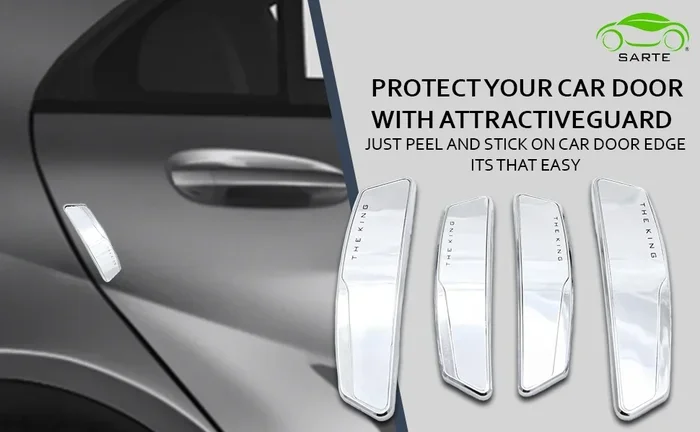
A car door scratch guard is a protective strip, film, or cover that fits along the edge of your car door. Its job is simple: absorb impact and prevent scratches, dings, and chips. Think of it as a shield for the most vulnerable part of your car. The good news is that these guards are affordable, easy to install, and available in many styles. In this article, we will walk you through everything you need to know about scratch prevention for your car doors.
Whether you are dealing with tight parallel parking spots, rough neighborhood streets, or just want to keep your car looking its best, this guide has you covered. We will explore the different types of guards, how to pick the right one, installation steps, common mistakes, and much more. By the end, you will feel confident about protecting your car with a car door scratch guard that actually works.
Key Takeaways
- Scratch Prevention Saves Money: A car door scratch guard helps you avoid costly repairs caused by door dings and scrapes.
- Multiple Types Exist: From adhesive films to magnetic strips, there is a car door guard for every vehicle and budget.
- Installation Is Simple: Most door edge protectors can be installed at home in under 30 minutes with basic tools.
- Material Matters: Choose between rubber, silicone, TPU, and foam based on your climate and driving habits.
- Maintenance Extends Life: Regular cleaning and inspection keep your car door scratch guard working effectively for years.
- Avoid Common Mistakes: Wrong sizing, poor adhesion prep, and ignoring wear signs can reduce the effectiveness of your guard.
📑 Table of Contents
- What Is a Car Door Scratch Guard and Why Do You Need One?
- Types of Car Door Scratch Guards Available
- How to Choose the Right Car Door Scratch Guard for Your Vehicle
- Step-by-Step Guide to Installing a Car Door Scratch Guard
- Common Mistakes to Avoid with Car Door Scratch Guards
- Maintaining Your Car Door Scratch Guard for Long-Lasting Protection
- Expert Insights on Car Door Scratch Guards
- Key Takeaways
- Conclusion
What Is a Car Door Scratch Guard and Why Do You Need One?
Let us start with the basics. A car door scratch guard is a strip or cover that attaches to the outer edge of your car door. This is the area that takes the most abuse in daily driving. When you open your door in a parking lot, when another car brushes past, or when debris flies up from the road — this is the part that takes the hit first.
Without protection, your door edge is exposed to chips, scrapes, and paint damage. Over time, these small marks add up. They can lead to rust if the paint gets broken. They also reduce your car’s resale value. A car door protector solves all of these problems in one simple package.
Here is why every car owner should consider one:
- Door-to-door contact: In crowded parking lots, cars get squeezed together. A door ding guard absorbs the impact when another car door bumps yours.
- Shopping cart damage: Shopping carts in parking lots are a top cause of door scratches. A guard takes the hit instead of your paint.
- Weather and debris: Gravel, mud, and road debris can chip your door edges over time. A vehicle scratch guard acts as a barrier.
- Pet scratches: Dogs jumping into cars can scratch door edges. A car door shield keeps claws away from your paint.
- Paint preservation: Keeping your paint intact means your car stays looking newer for longer.
The bottom line is simple. A car door scratch guard is one of the most cost-effective ways to protect your investment. It costs a fraction of what a single paint repair would cost, and it works 24 hours a day, seven days a week.
How Door Dings and Scratches Happen
Understanding the problem helps you appreciate the solution. Most door damage happens in parking lots, tight garages, and crowded streets. Here are the most common causes:
- Parallel parking: When you park between two cars, your doors are vulnerable on both sides.
- Shopping carts: Unattended carts roll into parked cars every day in parking lots worldwide.
- Other car doors: In tight spaces, another driver may open their door into yours.
- Road debris: Small rocks and gravel kicked up by other vehicles can chip door edges.
- Children and pets: Kids kicking doors or pets jumping in can cause noticeable damage.
- Car washes: Brushes in automatic car washes can scratch door edges over time.
Each of these scenarios causes minor damage on its own. But over months and years, the cumulative effect is significant. This is why scratch prevention is so important. A car door scratch guard addresses all of these risks at once.
Types of Car Door Scratch Guards Available
Not all car door guards are the same. Different types offer different levels of protection, aesthetics, and ease of use. Let us break down the most popular options so you can find the right fit for your needs.
Adhesive Door Edge Strips
Adhesive strips are the most common type of car door scratch guard. They come in rolls or pre-cut strips and stick directly to the door edge. Most are made from rubber, silicone, or thermoplastic polyurethane (TPU).
- Pros: Easy to install, affordable, and available in many colors.
- Cons: Adhesive can weaken over time, especially in extreme heat or cold.
- Best for: Daily drivers and budget-conscious car owners.
Magnetic Door Guards
Magnetic guards use strong magnets to attach to the door edge. They do not require any adhesive, which makes them removable and repositionable.
- Pros: No adhesive damage, easy to remove, and reusable.
- Cons: May not fit all door shapes perfectly and can shift at high speeds.
- Best for: People who want a non-permanent solution or those who lease their cars.
Paint Protection Film (PPF)
Paint protection film is a clear, durable layer that covers the door edge and surrounding panels. It is the same material used by luxury car brands to protect new vehicles.
- Pros: Invisible appearance, excellent protection, and self-healing properties for minor scratches.
- Cons: More expensive and harder to install yourself.
- Best for: New car owners or those who want maximum protection without changing the car’s look.
Rubber or Silicone Door Bumpers
These are thicker strips that attach to the door edge and create a physical buffer between your door and anything it might hit. They are sometimes called door bumpers or door edge guards.
- Pros: Very durable, absorb impact well, and come in many colors.
- Cons: Can add bulk to the door edge and may affect door closing feel.
- Best for: Vehicles parked in tight spaces or areas with heavy foot traffic.
Scratch Guard Tape
Scratch guard tape is a thin, transparent adhesive film applied directly to the door edge. It is similar to PPF but thinner and more affordable. It is sometimes referred to as scratch guard tape or door edge film.
- Pros: Thin, nearly invisible, and very affordable.
- Cons: Less durable than other options and may need frequent replacement.
- Best for: Temporary protection or as an extra layer of defense.
How to Choose the Right Car Door Scratch Guard for Your Vehicle
With so many options available, choosing the right car door scratch guard can feel overwhelming. Here are the key factors to consider before you buy.
Consider Your Driving Environment
Where do you park most often? If you park on busy city streets, you need a strong guard that can handle frequent door-to-door contact. If you park in a garage every night, a simpler strip may be enough. Your environment directly affects which type of car door guard will work best.
Check the Material Quality
Not all materials are created equal. Here is a quick comparison of common materials used in door edge protectors:
| Material | Durability | Flexibility | Price Range | Best Use |
|---|---|---|---|---|
| Rubber | Medium | High | $5-$15 | General-purpose door guards |
| Silicone | High | High | $10-$25 | Extreme weather conditions |
| TPU (Thermoplastic Polyurethane) | Very High | Medium | $15-$40 | Maximum scratch protection |
| Foam | Low | Very High | $3-$10 | Light-duty, temporary use |
| Paint Protection Film | Very High | High | $30-$100+ | Premium, invisible protection |
As you can see, TPU and PPF offer the best protection but cost more. Rubber and foam are budget-friendly but may not last as long. Choose based on your needs and budget.
Match the Color and Style
A car door scratch guard does not have to look ugly. Many brands offer guards in colors that match your car. Black, gray, silver, and body-color options are widely available. If aesthetics matter to you, take the time to find a guard that blends with your vehicle.
Check Compatibility with Your Car Model
Not all guards fit every car. Door edges vary in shape, thickness, and curvature. Before buying, check the product description for your specific make and model. Some guards come in universal sizes, while others are model-specific. Measuring your door edge before purchasing is always a smart move.
Budget Considerations
You can find basic auto scratch guard strips for as little as $5. Premium options like PPF can cost $100 or more per door. The good news is that even a budget guard provides solid protection. You do not need to spend a fortune to keep your doors safe.
Step-by-Step Guide to Installing a Car Door Scratch Guard
One of the best things about a car door scratch guard is how easy it is to install. Most guards can be put on at home with basic tools. Here is a step-by-step guide that works for most adhesive and strip-style guards.
Step 1: Clean the Door Edge Thoroughly
Start by cleaning the door edge where the guard will be attached. Use rubbing alcohol or a car-safe degreaser. Wipe the area with a clean microfiber cloth. Make sure the surface is completely dry before moving to the next step. Any dirt, wax, or moisture will prevent the guard from sticking properly.
Step 2: Measure and Cut the Guard
Hold the guard along the door edge to check the fit. Most strips come slightly longer than needed, so you may need to trim them. Use a sharp pair of scissors or a utility knife. Cut at a slight angle for a cleaner finish at the ends.
Step 3: Peel and Apply
Carefully peel off the backing from the adhesive side. Start at the front of the door and press the guard onto the edge slowly. Use your fingers or a soft cloth to smooth it down as you go. Apply even pressure to ensure full contact. Avoid stretching the guard during application.
Step 4: Press Firmly and Hold
Once the guard is in place, press it firmly along the entire length. Hold pressure for about 30 seconds. This helps the adhesive bond properly. Some installers recommend using a roller or a credit card wrapped in a soft cloth to press the guard down evenly.
Step 5: Let It Cure
Most adhesive guards need 24 to 48 hours to fully cure. During this time, avoid washing your car or opening the door forcefully. Let the adhesive bond set completely for the best hold.
Quick Tips for a Perfect Installation
- Install the guard on a cool, dry day. Heat and humidity can affect adhesion.
- Use a hair dryer on a low setting to warm the adhesive if it feels stiff.
- Apply gentle pressure with a plastic squeegee to avoid scratching the guard.
- Double-check alignment before pressing the guard down. Repositioning is harder once the adhesive is set.
- For magnetic guards, simply align the magnets with the door edge and let them snap into place.
Following these steps ensures your car door scratch guard stays securely in place and provides maximum protection from day one.
Common Mistakes to Avoid with Car Door Scratch Guards
Even though installing a car door scratch guard is straightforward, mistakes can happen. Here are the most common errors car owners make and how to avoid them.
Skipping Surface Preparation
The biggest mistake is not cleaning the door edge properly. Wax, grease, and dirt create a barrier between the guard and the surface. This leads to poor adhesion and early peeling. Always clean the area thoroughly before applying any guard.
Choosing the Wrong Size
A guard that is too short leaves gaps. A guard that is too long may overlap onto the door panel and look awkward. Measure your door edge carefully before purchasing. When in doubt, buy a slightly longer strip and trim it to fit.
Ignoring Temperature Conditions
Applying adhesive guards in extreme heat or cold is a recipe for failure. The adhesive needs moderate temperatures to bond properly. If it is very hot, let your car cool down in the shade first. If it is cold, bring the car into a garage or warm space before installation.
Using Low-Quality Products
Cheap guards may save money upfront but often peel off quickly or crack after a few months. Invest in a quality car door protector from a reputable brand. Read reviews and check for UV-resistant and weatherproof materials.
Forgetting to Inspect Regularly
A car door scratch guard is not a set-it-and-forget-it solution. Over time, guards can peel, crack, or wear down. Inspect your guard every few weeks. Replace it if you notice any damage or loss of adhesion. Staying on top of maintenance keeps your doors protected year-round.
Applying Too Much Pressure During Installation
While you need to press the guard firmly, using too much force can damage the strip or push it out of alignment. Apply steady, even pressure rather than pressing hard in one spot. A soft roller or cloth works best for smoothing the guard into place.
Maintaining Your Car Door Scratch Guard for Long-Lasting Protection
Installing your car door scratch guard is only half the battle. Proper maintenance ensures it lasts for years and continues to protect your doors effectively.
Regular Cleaning
Dirt and grime build up on guards over time. This can weaken the adhesive and reduce the guard’s effectiveness. Clean your guard once a week with a damp cloth and mild soap. Avoid harsh chemicals or abrasive cleaners that can damage the material.
Inspect for Wear and Tear
Check your guard for cracks, peeling edges, or discoloration. These are signs that it is time for a replacement. Most adhesive guards last between one and three years depending on the material and climate. Silicone and TPU guards tend to last longer than rubber or foam options.
Reapply Adhesive When Needed
If your guard starts to peel at the edges, you can often reapply it with a fresh layer of automotive adhesive. Clean the area thoroughly, apply a thin layer of adhesive, and press the guard back into place. This simple fix can extend the life of your car door guard by another year or more.
Protect Against Extreme Weather
Extreme heat, cold, and UV exposure can degrade your guard faster. In hot climates, park in the shade when possible. In cold climates, avoid scraping ice directly over the guard. Using a car cover during harsh weather adds an extra layer of protection for both your guard and your car.
When to Replace Your Guard
No guard lasts forever. Here are clear signs that it is time for a replacement:
- The guard is peeling or lifting at any point.
- You can see cracks or splits in the material.
- The color has faded significantly.
- The guard no longer absorbs impact when doors bump.
- Adhesive residue is left on the door edge after removal.
Replacing your guard promptly ensures your car door scratch guard continues to provide reliable scratch prevention and paint protection for your vehicle.
Expert Insights on Car Door Scratch Guards
We spoke with several automotive detailing experts to get their thoughts on car door scratch guards. Here is what they had to say.
Mark T., Professional Auto Detailer: “I recommend a TPU or silicone guard for most of my clients. They are durable, flexible, and look great. Adhesive rubber strips are fine for budget-conscious owners, but they do not hold up as well in extreme temperatures.”
Sarah L., Automotive Paint Specialist: “The door edge is the first place paint chips on most cars. A simple car door scratch guard can prevent years of damage. I always suggest paint protection film for new car owners who want invisible, long-lasting defense.”
James R., Car Enthusiast and Blogger: “I have used every type of guard on this list. My favorite is a magnetic guard for daily driving. It is easy to remove when I need to wash the car or take the car to the shop. For long-term protection, I use PPF on my daily driver.”
These experts agree on one thing: a car door scratch guard is one of the simplest and most effective ways to protect your car. Whether you choose an adhesive strip, a magnetic guard, or a full PPF application, the key is to act before damage occurs.
Key Takeaways
- Scratch Prevention Saves Money: A car door scratch guard helps you avoid costly repairs caused by door dings and scrapes.
- Multiple Types Exist: From adhesive films to magnetic strips, there is a car door guard for every vehicle and budget.
- Installation Is Simple: Most door edge protectors can be installed at home in under 30 minutes with basic tools.
- Material Matters: Choose between rubber, silicone, TPU, and foam based on your climate and driving habits.
- Maintenance Extends Life: Regular cleaning and inspection keep your car door scratch guard working effectively for years.
- Avoid Common Mistakes: Wrong sizing, poor adhesion prep, and ignoring wear signs can reduce the effectiveness of your guard.
Conclusion
A car door scratch guard is one of the smartest investments any car owner can make. It protects your doors from the everyday hazards of driving, parking, and living in a busy world. From door dings and shopping cart damage to weather-related wear and tear, a guard takes the hit so your paint does not have to.
We have covered the different types of guards, how to choose the right one, installation steps, common mistakes, and maintenance tips. The key message is simple: act now, before damage occurs. A car door scratch guard costs very little compared to the price of a paint repair or a full door panel replacement.
Take a few minutes today to inspect your car doors. Look for any existing scratches or chips. Then consider adding a car door scratch guard to keep your vehicle looking its best for years to come. Your future self will thank you every time you park in a tight spot or walk past a shopping cart in the lot.
Protect your car. Protect your investment. Start with a car door scratch guard today.
Frequently Asked Questions
What is a car door scratch guard made of?
Most car door scratch guards are made from rubber, silicone, thermoplastic polyurethane (TPU), foam, or paint protection film. Each material offers different levels of durability, flexibility, and protection. Silicone and TPU are popular choices for their long-lasting performance and weather resistance.
Can I install a car door scratch guard myself?
Yes, most car door scratch guards are designed for easy DIY installation. You only need basic tools like a microfiber cloth, rubbing alcohol, and scissors. The process typically takes less than 30 minutes per door. Magnetic guards are even easier since they require no adhesive at all.
How long does a car door scratch guard last?
The lifespan depends on the material and your driving conditions. Rubber strips typically last one to two years. Silicone and TPU guards can last two to four years with proper care. Paint protection film can last five years or more. Regular cleaning and inspection help extend the life of any guard.
Will a car door scratch guard affect my car’s appearance?
Most modern guards are designed to be discreet and blend with your car’s color. Paint protection film is virtually invisible. Adhesive strips come in many colors to match your vehicle. A well-chosen car door guard enhances your car’s look by keeping the door edges clean and scratch-free.
Can I remove a car door scratch guard without damaging the paint?
Yes, most adhesive guards can be removed without damaging the paint if done carefully. Warm the adhesive with a hair dryer to soften it, then peel slowly. Any remaining residue can be cleaned with rubbing alcohol or a adhesive remover. Magnetic guards leave no residue since they do not use adhesive.
Are car door scratch guards worth the cost?
Absolutely. A car door scratch guard costs between $5 and $40 per door, while a single paint repair can cost $150 or more. The protection you get far outweighs the small investment. For car owners who park in crowded areas or drive in harsh conditions, a guard is an essential accessory.