The Importance of Alto Car Air Pressure for Your Ride
Alto car air pressure is the single most overlooked factor that affects your safety, fuel costs, and tire lifespan. Keeping your tire pressure at the manufacturer’s recommended PSI ensures a smooth ride, better handling, and lower emissions. This guide walks you through exactly how to check, adjust, and maintain the perfect tire pressure for your Alto every time.
Driving a Suzuki Alto is a joy. The small car is nimble, easy to park, and surprisingly spacious inside. But there is one simple thing that can ruin the experience: wrong alto car air pressure. Many drivers forget that the air inside their tires is the only thing connecting the vehicle to the road. That tiny cushion of air affects everything from safety to fuel bills.
When your tire pressure is off, the car handles differently. The steering might feel heavy. Braking distances get longer. The tires wear out faster. And you might not even notice until a blowout or a flat forces you to pull over. This article explains why alto car air pressure matters so much and how you can keep it right.
We will walk you through the dangers of underinflation and overinflation. You will learn a simple five-minute routine to check your tires. We will also show you how proper tire pressure saves money on fuel and extends the life of your tires. By the end, you will have all the knowledge you need to keep your Alto riding smooth and safe.
Key Takeaways
- Correct PSI saves lives: Proper alto car air pressure improves braking and cornering.
- Fuel savings add up: Maintaining the right tire pressure can boost gas mileage by up to 3%.
- Tires last longer: Even wear from correct inflation means fewer replacements.
- Check monthly: Air leaks slowly, so a weekly glance isn’t enough.
- Don’t guess—measure: A tire gauge is cheap and essential.
- Temperature matters: Cold weather drops tire pressure, so adjust seasonally.
📑 Table of Contents
- What Is Alto Car Air Pressure and Why It Matters
- The Hidden Dangers of Incorrect Tire Pressure
- How to Check and Maintain Your Alto’s Tire Pressure
- The Link Between Tire Pressure and Fuel Efficiency
- Common Mistakes Drivers Make with Tire Pressure
- Expert Insights for Long-Lasting Tires and a Smooth Ride
- Conclusion
What Is Alto Car Air Pressure and Why It Matters
Alto car air pressure simply means the amount of air inside your tires, measured in pounds per square inch, or PSI. The manufacturer sets a specific PSI number for each model. For the Suzuki Alto, this number is usually printed on a sticker inside the driver’s door frame or in the owner’s manual. Sticking to that number is not just a suggestion. It is the key to a safe and efficient drive.
Your tires are the only part of the car that touches the road. The air inside them creates a cushion that absorbs bumps and keeps the tire shape stable. When the tire pressure is correct, the tire contacts the road evenly. This gives you the best grip, steering response, and braking power. If the pressure is too low or too high, that even contact breaks down.
Correct alto car air pressure also helps the suspension work as designed. The car rides smoothly over potholes and rough patches. You feel less vibration in the steering wheel. Passengers stay more comfortable. In short, the right PSI keeps the whole vehicle balanced. It is the easiest form of vehicle maintenance you can do, and it makes a huge difference.
The Role of Tire Pressure in Vehicle Performance
Think of your tires as the shoes of your car. Just like a runner needs the right shoes to perform, your Alto needs the right tire pressure to handle well. Underinflated tires are like running in floppy slippers. Overinflated tires are like running in stiff, hard shoes. Neither feels right, and both can cause problems.
When the air pressure is correct, the tire flexes just enough to grip the road. The tread wears down evenly over time. The car tracks straight without pulling to one side. The steering feels light and responsive. This is what we mean by optimal ride comfort. It is not a luxury. It is a direct result of proper tire pressure.
How Alto Car Air Pressure Affects Safety
Safety is the biggest reason to care about tire pressure. Underinflated tires flex more than they should. The sidewalls can overheat, especially on long highway trips. This overheating can lead to sudden tire failure. Overinflated tires, on the other hand, have a smaller contact patch. They ride harder and are more vulnerable to punctures from sharp objects.
Both situations increase your stopping distance. In an emergency, every meter counts. Studies show that tires with less than 80% of the recommended PSI are a major risk factor in accidents. Keeping your alto car air pressure at the correct level is one of the easiest safety checks you can do. It takes less than two minutes and costs nothing.
Expert Insight: A quick tire pressure check takes less than two minutes. Make it part of your weekly fuel stop routine. It could save your life.
The Hidden Dangers of Incorrect Tire Pressure
Many drivers do not realize that incorrect tire pressure causes hidden damage. The tire might look fine from the outside, but the internal structure is under stress. Over time, this stress leads to uneven wear, reduced lifespan, and higher replacement costs. Understanding these dangers helps you stay ahead of problems.
What Happens When Tires Are Underinflated
An underinflated tire has too little air. The sidewalls flex excessively as the tire rolls. This creates extra heat. The tire wears out rapidly on the outer edges of the tread. You will notice that the inside and outside edges of the tire look darker and more worn than the center. This is called uneven tire wear, and it is a clear sign of low pressure.
Underinflation also increases rolling resistance. The engine has to work harder to keep the car moving. This means you burn more fuel. For a small car like the Alto, the difference can be noticeable. Your fuel economy drops, and you fill up more often. The tire pressure monitoring system (TPMS) light may also come on if the pressure drops too low. Ignoring this light is a common mistake that can lead to a dangerous situation.
What Happens When Tires Are Overinflated
Overinflated tires have too much air. The center of the tread bulges out slightly. This reduces the contact area with the road. The tire wears out faster in the middle of the tread. The ride becomes harsher because there is less air to absorb bumps. You feel every crack in the road.
Overinflation also makes the tire more rigid. It is less able to conform to road irregularities. This can lead to a blowout if you hit a pothole or a curb at speed. The tire may also be more prone to punctures because the stiffer sidewall transmits impact forces directly to the inner liner. Over time, this reduces your tire lifespan significantly.
Comparison: Underinflated vs Overinflated vs Correct Pressure
| Condition | Tire Wear Pattern | Fuel Effect | Safety Risk | Ride Comfort |
|---|---|---|---|---|
| Underinflated | Outer edges wear fast | Higher rolling resistance, more fuel used | Overheating, blowout risk | Soft, sluggish steering |
| Overinflated | Center tread wears fast | Slightly better rolling resistance but unsafe | Puncture risk, harsh ride | Hard, bouncy ride |
| Correct PSI | Even wear across tread | Optimal fuel economy | Best grip and braking | Smooth and stable |
As you can see, both extremes are bad. The sweet spot is the manufacturer’s recommended alto car air pressure. Staying in that range keeps your tires healthy and your car safe. It is the foundation of good vehicle maintenance.
How to Check and Maintain Your Alto’s Tire Pressure
Checking your tire pressure is simple. You do not need to be a mechanic. A basic tire gauge costs just a few dollars and fits in your glove box. An air compressor at a gas station can top up the air for free or a small fee. With a little habit, you can keep your alto car air pressure perfect all year round.
Step-by-Step Guide to Using a Tire Gauge
Follow these steps every time you check your tires:
- Remove the valve cap from the tire’s valve stem.
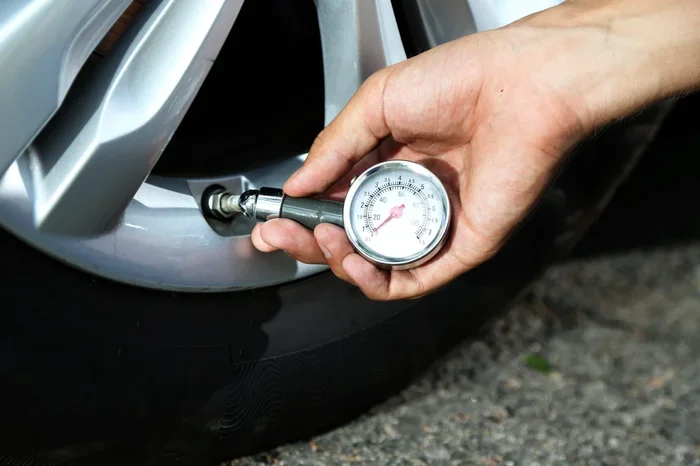
- Press the tire gauge firmly onto the valve stem. You will hear a brief hiss of air. That is normal.
- Read the number on the gauge. This is your current PSI.
- Compare the reading to the recommended PSI for your Alto.
- If the pressure is low, add air using an air compressor.
- If the pressure is high, press the small pin inside the valve stem to release a little air.
- Replace the valve cap to keep dirt and moisture out.
Check all four tires, including the spare if you have one. Temperature changes can affect your tire pressure, so it is best to check when the tires are cold, meaning the car has been parked for at least three hours or driven less than a mile.
When and Where to Check Your Air Pressure
Make it a habit to check your alto car air pressure at least once a month. Air leaks slowly through the valve stem and tiny pores in the rubber. A tire can lose about 1 PSI per month naturally. Seasonal temperature swings can cause even bigger drops. In winter, cold air contracts, lowering the pressure. In summer, hot pavement can raise it slightly, but you should still check regularly.
Always check before a long trip. A quick stop at a service station to verify your tire pressure can prevent a flat miles away from help. Keep a tire gauge in the car so you are never caught off guard. A small air compressor powered by your car’s 12-volt outlet is also a handy investment for home use.
Quick Tips for Keeping Air Pressure Consistent
- Check at the same time of day: Morning is best because tires are cold.
- Invest in a digital tire gauge: It is more accurate than the pencil-style gauges at gas stations.
- Record your readings: Keep a small notebook in the glove box. Tracking trends helps you spot slow leaks early.
- Do not forget the valve stems: A damaged valve stem can cause a slow leak even if the tire itself is fine.
- Use the recommended PSI, not the number on the tire sidewall: The sidewall number is the maximum pressure, not the ideal pressure for your Alto.
The Link Between Tire Pressure and Fuel Efficiency
Fuel costs add up fast. One simple way to reduce them is to maintain the correct alto car air pressure. The connection between tire pressure and fuel economy is well documented. Underinflated tires create more rolling resistance. The engine must burn more fuel to overcome that resistance. This is a direct hit to your wallet and to the environment.
How Proper Inflation Saves You Money at the Pump
According to the U.S. Department of Energy, keeping your tires at the recommended PSI can improve fuel economy by up to 3%. For a small car like the Suzuki Alto, that might mean a few extra kilometers per liter. Over a year of driving, those savings can cover the cost of a good tire gauge many times over.
Proper tire pressure also helps the engine run more efficiently. The car does not have to work as hard to maintain speed. You will notice smoother acceleration and less strain on the engine. This is especially true for a lightweight car like the Alto, where every bit of rolling resistance has a bigger impact. Better fuel efficiency means fewer trips to the gas station and lower emissions.
Real-World Fuel Economy Gains from Correct PSI
Imagine you drive 15,000 kilometers a year. If your tires are 5 PSI below the recommended level, you might lose about 1% to 2% in fuel economy. That could mean an extra 30 to 60 liters of fuel per year. On the other hand, tires at the correct alto car air pressure roll easier and use less energy. The effect is small per trip, but it adds up over time.
Some drivers also notice that their car feels more responsive when the tires are properly inflated. The steering is lighter and more precise. The car stops more confidently. These are not just comfort benefits. They are safety benefits that come from the same simple habit of checking your tire pressure. A well-maintained Alto is a pleasure to drive, and proper tire pressure is the starting point.
Key Takeaway: A few minutes spent checking your tire pressure each month can save you money and keep you safe.
Common Mistakes Drivers Make with Tire Pressure
Even careful drivers can fall into bad habits when it comes to alto car air pressure. Knowing the common mistakes helps you avoid them. Here are the pitfalls to watch out for.
Relying on Visual Inspection Alone
A tire can lose half its air pressure and still look full. The sidewall might not look any different. The tire might even seem fine to drive on. But internally, the lack of air is causing the sidewalls to flex excessively and the tread to wear unevenly. Do not trust your eyes. Always use a tire gauge to get an accurate reading. Visual checks are not enough to ensure correct tire pressure.
Ignoring the TPMS Light
Modern Alos come with a tire pressure monitoring system. When the TPMS light comes on, it means one or more tires are significantly underinflated. Some drivers ignore it, thinking it will go away. That is a mistake. Driving on a low tire damages the tire and wastes fuel. When the light comes on, pull over safely and check your tire pressure as soon as possible. If you are not near a service station, drive slowly and avoid hard cornering.
Forgetting to Check the Spare Tire
Your spare tire sits in the trunk or under the car, out of sight. It can lose air over time just like the other tires. If you get a flat and find the spare is also flat, you are stuck. Make it a habit to check the spare’s alto car air pressure at least once every six months. A spare tire that is ready to go gives you peace of mind on long trips.
Adding Air Based on the Sidewall Number
The number printed on the tire sidewall is the maximum pressure the tire can handle, not the recommended pressure for your vehicle. For the Suzuki Alto, the door jamb sticker or owner’s manual gives the correct PSI. Filling the tire to the sidewall maximum can make the ride harsh and cause uneven wear. Always use the vehicle manufacturer’s recommendation for proper inflation.
Neglecting Seasonal Changes
Air pressure inside a tire changes with temperature. For every 10°F drop in temperature, tire pressure can decrease by about 1 PSI. In winter, this can mean your tires are underinflated even if you checked them in summer. In hot weather, the pressure can rise slightly. Do not let air out to compensate. The recommended PSI is designed to work across a range of temperatures. Trust the manufacturer’s number and let the tire pressure adjust naturally.
Expert Insights for Long-Lasting Tires and a Smooth Ride
Keeping your alto car air pressure correct is the foundation of good tire care. But there are other steps you can take to get the most out of your tires. These expert tips will help you extend tire life and enjoy a better ride.
When to Rotate Tires and Align Wheels
Even with perfect tire pressure, tires wear at different rates depending on their position on the car. Front tires wear faster because they handle steering and braking. Rotating your tires every 8,000 to 10,000 kilometers helps them wear evenly. This simple service can add thousands of kilometers to the life of your tires. It also improves your road handling and keeps the car tracking straight.
Wheel alignment is also crucial. If your car pulls to one side or the steering wheel is off-center when driving straight, your alignment may be off. Misalignment causes the tires to scrub against the road, leading to uneven wear and wasted fuel. Get an alignment check at least once a year or after hitting a large pothole. Proper alignment works hand in hand with correct tire pressure to maximize tire lifespan.
The Role of Valve Stems and Air Leaks
A tiny leak in the valve stem can slowly drain your tire pressure over weeks. The valve stem is the small metal or rubber piece that sticks out from the wheel. Dust and moisture can corrode it. Over time, the seal can weaken. If you find yourself adding air frequently, inspect the valve stems. A new valve stem is inexpensive and easy to replace. You can also apply a soapy water solution to the valve stem to check for bubbles that indicate a leak. Catching a slow air leak early saves you from a sudden flat.
Seasonal Adjustments: Cold Weather and Heat
Cold weather can drop your tire pressure significantly. If you live in a region with harsh winters, check your tires more often. You may need to add air more frequently. In hot summer months, the air inside the tires expands. Do not let air out to compensate. The recommended PSI is designed to work across a range of temperatures. Trust the manufacturer’s number and let the tire pressure adjust naturally.
When you wash your car, take a moment to inspect the tires. Look for cuts, bulges, or embedded objects like nails or screws. These issues can cause slow leaks or sudden blowouts. Catching them early saves you from a roadside emergency. Clean tires also last longer because dirt and brake dust can break down the rubber over time.
Conclusion
Alto car air pressure is not a complicated topic. It is a simple, daily habit that pays big rewards. The right tire pressure keeps you safe on the road, improves your fuel economy, and makes your tires last longer. It costs almost nothing and takes just a few minutes each month.
Remember to check your tires when they are cold, use a reliable tire gauge, and follow the PSI number on your door jamb. Do not ignore the TPMS light or rely on visual checks alone. Small actions like these add up to a smoother, safer, and more economical ride in your Suzuki Alto.
Take a few minutes today to check your alto car air pressure. Your tires—and your wallet—will thank you. Make it a routine, and you will enjoy the benefits for miles to come. Proper tire pressure is one of the easiest ways to take care of your car and protect yourself on the road.
Frequently Asked Questions
How often should I check my Alto’s tire pressure?
Check your tire pressure at least once a month. Air leaks slowly, so a monthly check keeps you in the safe zone. Also check before any long trip. Cold weather can cause bigger drops, so inspect more often during winter.
What is the recommended PSI for a Suzuki Alto?
The exact number varies by model year and trim. Look for a sticker on the driver’s door jamb or in the owner’s manual. It will list the recommended alto car air pressure for both front and rear tires. Do not use the number printed on the tire sidewall.
Can I drive on a slightly low tire?
It is not safe. Even a small drop in tire pressure increases rolling resistance and reduces grip. You will use more fuel and wear the tires unevenly. If the TPMS light is on or you suspect a low tire, check and inflate it right away.
Does tire pressure change with temperature?
Yes. Air inside the tire contracts in cold weather and expands in hot weather. A 10°F drop can lower the pressure by about 1 PSI. Check your tire pressure regularly during seasonal changes to stay at the correct PSI.
Is it okay to use an air pump at a gas station?
Absolutely. Most gas stations have free or paid air compressors. Just bring your own tire gauge because the built-in gauges are often inaccurate. Check the pressure when the tires are cold for the most accurate reading.
What causes slow leaks in tires?
Common causes include a damaged valve stem, a small puncture from a nail or screw, or corrosion on the wheel rim. Even the tire bead can lose a tiny amount of air over time. If you need to add air frequently, inspect for leaks or visit a tire shop.