Why Is Car Wrap So Expensive But Totally Worth The Money
Car wrap costs can shock you at first glance. But understanding what goes into the price changes everything. The car wrap price includes premium materials, skilled labor, custom design work, and long-lasting durability. A professional vehicle wrap protects your original paint and boosts resale value. When you break it all down, the investment makes perfect sense.
Have you ever looked at a stunning car wrap and thought, “That looks amazing… but why is it so expensive?” You are not alone. Many car owners stare at a vinyl wrap cost estimate and wonder where all that money goes.
The truth is, a car wrap is not just a sticker. It is a precision-engineered process that combines high-tech materials, skilled craftsmanship, and creative design. Every step adds real value. When you understand what goes into the cost, the price starts to make a lot more sense.
In this article, we will break down the car wrap price from start to finish. We will look at the materials, the labor, the design process, and the long-term benefits. By the end, you will see why car wrapping is one of the best investments you can make for your vehicle.
Whether you are considering a full car wrap, a partial wrap, or just curious about the vehicle wrap cost, this guide has you covered. Let us dive in and explore the real reasons behind the price tag.
Key Takeaways
- Quality Materials Drive the Cost: The vinyl films used in car wrapping are engineered for durability and UV protection.
- Skilled Labor Matters: Professional car wrap installation requires years of training and precision.
- Design Work Adds Value: Custom car wrap designs involve graphic designers and print specialists.
- Full Wraps Cost More Than Partials: The coverage area directly impacts the final car wrap price.
- Long-Term Savings Add Up: A color change wrap saves money compared to repainting and reselling.
- Paint Protection Is a Hidden Benefit: Wrap materials shield your car’s original finish from scratches and sun damage.
- Maintenance Extends Lifespan: Proper care can make a vehicle wrap last 5-7 years or longer.
📑 Table of Contents
- What Makes Up the Cost of a Car Wrap
- The Materials Behind the Price
- Labor and Installation Expertise
- Design and Customization Costs
- Full Wrap vs Partial Wrap: Cost Breakdown
- Is a Car Wrap Worth the Investment?
- Common Mistakes That Increase Car Wrap Costs
- Expert Insights on Car Wrap Pricing
- Key Takeaways
- Conclusion
What Makes Up the Cost of a Car Wrap
The car wrap cost is not a single number pulled from thin air. It is made up of several distinct parts. Each part plays a crucial role in the final result. Let us look at each one closely.
Material Costs
The vinyl film used for car wrapping is not your average plastic sheet. It is a specially engineered material designed to withstand harsh weather, UV rays, and daily wear. High-quality wrap materials can cost between $2,000 and $5,000 for a full vehicle wrap alone.
Cheap vinyl may seem like a savings at first. But it often fades, peels, or bubbles within a year or two. Premium films from brands like 3M, Avery Dennison, and KPMF come with warranties of 5 to 7 years. That durability is baked right into the price.
Here is what goes into the material side of car wrap pricing:
- Vinyl film quality — cast vs. calendered vinyl
- Adhesive backing — ensures smooth, bubble-free application
- UV-resistant coatings — prevents fading and discoloration
- Specialty finishes — matte, gloss, satin, chrome, and color-shift options
- Lamination layers — adds extra protection against scratches and chemicals
Each of these layers serves a purpose. A color change wrap needs different material properties than a simple branding wrap. The better the material, the better the car wrap durability and the longer it lasts.
Labor and Installation Costs
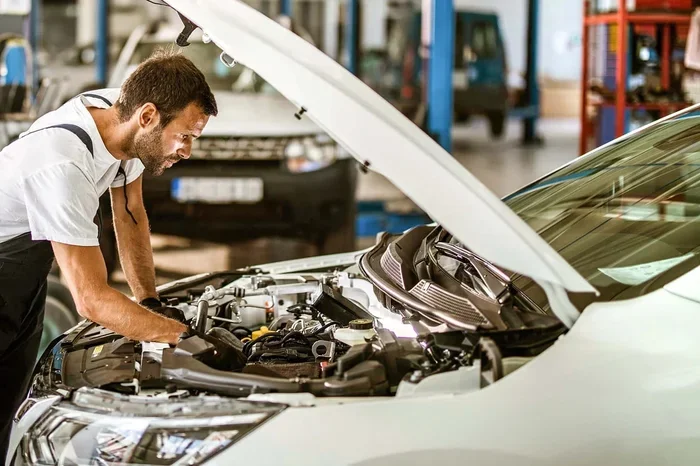
This is where a big chunk of the vinyl wrap cost goes. Installing a car wrap is not like putting a poster on a wall. It requires skill, patience, and experience. A professional wrap installer spends hours — sometimes days — on a single vehicle.
Skilled car wrap installation involves:
- Surface preparation — cleaning, decontaminating, and sometimes polishing the paint
- Measuring and cutting — custom-fitting the vinyl to every curve and edge
- Heat application — using heat guns to stretch vinyl around complex shapes
- Seam welding — ensuring invisible joints between panels
- Trim and finish work — tucking edges neatly around mirrors, trim, and badges
A single mistake during installation can ruin the entire job. That is why experienced installers charge what they do. Their expertise ensures a flawless finish that looks factory-made. A botched DIY car wrap might save money upfront but often leads to costly repairs or premature replacement.
The Materials Behind the Price
Not all wrap materials are created equal. The type of vinyl you choose has a huge impact on the final car wrap price. Understanding the differences helps you make a smart choice.
Cast Vinyl vs. Calendered Vinyl
Cast vinyl is the gold standard for car wrapping. It is made through a casting process that produces a thin, flexible film. It conforms beautifully to complex body contours and resists fading. Cast vinyl typically costs more, but it delivers superior car wrap durability.
Calendered vinyl is thicker and less flexible. It works well for flat surfaces like fleet trucks or simple partial wraps. However, it does not conform as well to curved panels. Over time, it may shrink or peel at the edges.
For a custom car wrap on a passenger car, cast vinyl is almost always the better choice. The higher upfront cost pays off in longevity and appearance.
Specialty Finishes and Their Costs
The finish you choose also affects the price. Here is a quick comparison:
- Standard gloss — the most affordable option, great for solid colors
- Matte finish — slightly more expensive, gives a modern, understated look
- Satin finish — a subtle middle ground between matte and gloss
- Chrome and metallic — premium pricing due to complex manufacturing
- Color-shift and satin chrome — the most expensive, highly sought after for custom builds
Specialty finishes require advanced wrap materials and more careful handling during installation. That is why a chrome vehicle wrap will always cost more than a standard gloss finish.
Labor and Installation Expertise
Let us talk about the people behind the car wrap. A great wrap installer is part technician, part artist. Their training and experience directly impact the quality and cost of the job.
Why Professional Installation Costs More
A professional car wrap installer has spent years learning the craft. They understand how different surfaces react to vinyl. They know how to handle curves, edges, and recesses without creating wrinkles or air bubbles.
Think of it this way. You would not trust an amateur to paint a masterpiece on your car’s original finish. The same logic applies to vehicle wrapping. A skilled installer treats your car with care and precision throughout the entire process.
Installation time varies based on the vehicle size and wrap complexity:
- Compact cars — 1 to 2 days for a full wrap
- Sedans and SUVs — 2 to 4 days for a full wrap
- Trucks and large SUVs — 3 to 5 days for a full wrap
- Partial wraps — 1 to 2 days depending on coverage area
Labor costs typically make up 40 to 50 percent of the total car wrap cost. That investment buys you peace of mind and a flawless finish that lasts for years.
The Hidden Skill of Surface Preparation
One thing many people overlook is surface preparation. Before any vinyl goes on, the installer must thoroughly clean and decontaminate the car’s surface. This step is critical for adhesion and longevity.
If the original paint has any imperfections, the installer may need to address those first. Paint protection film (PPF) is sometimes applied under the wrap for added protection. This extra step increases the vehicle wrap cost but significantly improves the final result.
Design and Customization Costs
A car wrap is not just about covering your car in vinyl. It is also about design. Whether you want a simple color change wrap or a full custom graphic design, the creative process adds to the car wrap price.
Graphic Design and Print Quality
Custom car wrap designs involve talented graphic designers who create layouts tailored to your vehicle. They consider every angle, every curve, and every panel gap. This level of detail takes time and expertise.
High-quality wrap printing uses advanced digital printers that produce vibrant, lifelike colors. The print resolution matters — especially for photo-realistic designs, intricate patterns, or brand graphics. Cheaper printing methods often result in blurry edges and faded colors.
Here is what a typical design process includes:
- Initial consultation — discussing your vision and goals
- Template creation — mapping the design to your specific vehicle model
- Digital mockup — a visual preview of the finished wrap
- Revisions and adjustments — refining the design until it is perfect
- Final print preparation — converting the design for production
Design costs can range from a few hundred dollars for a simple partial wrap to several thousand for a complex custom build. But this investment ensures your car wrap looks exactly the way you envisioned.
Branding and Business Wraps
For businesses, a vehicle wrap is a powerful marketing tool. A professionally wrapped fleet car can generate thousands of impressions per day. The car wrap cost for branding wraps includes additional design work for logos, contact information, and brand consistency across multiple vehicles.
Many business owners see their vehicle wrap as a mobile billboard. When you calculate the cost per impression, it is one of the most affordable advertising options available. A single wrapped vehicle can deliver 30,000 to 70,000 impressions per day.
Full Wrap vs Partial Wrap: Cost Breakdown
Not all car wraps are the same size. The coverage area has a direct impact on the final price. Let us compare the two main options.
Full Car Wrap
A full car wrap covers the entire exterior of the vehicle — roof, hood, doors, fenders, and trunk. It provides maximum coverage and the most dramatic visual impact.
The average full car wrap cost ranges from $3,000 to $10,000 or more. The wide range depends on the vehicle size, material quality, and design complexity. A simple full-color wrap on a sedan will be on the lower end, while a complex custom design on an SUV will be higher.
Partial Car Wrap
A partial wrap covers only specific sections of the vehicle. Common choices include the hood, roof, or side panels. Partial wraps are a great option if you want a bold look without the full price tag.
The average partial car wrap cost ranges from $500 to $3,000. The price depends on how much surface area is covered and the complexity of the design.
Here is a quick comparison table:
- Full wrap — covers 100% of the exterior, highest cost, maximum impact
- Partial wrap — covers 25-50% of the exterior, moderate cost, good visibility
- Accent wrap — covers small sections like hood or roof, lowest cost, subtle enhancement
Is a Car Wrap Worth the Investment?
Now that we have broken down the car wrap price, the big question remains: is it worth it? The short answer is yes — in most cases, a car wrap is one of the smartest investments you can make for your vehicle.
Protecting Your Original Paint
One of the biggest hidden benefits of car wrapping is paint protection. The vinyl layer shields your car’s original finish from scratches, UV damage, bird droppings, and minor road debris. When you decide to remove the wrap, your paint underneath looks just as good as the day it was wrapped.
This is especially valuable for owners of classic cars or luxury vehicles. A color change wrap lets you transform your car’s appearance without permanently altering the original paint. That means your resale value stays intact.
Resale Value and Flexibility
A vehicle wrap is completely reversible. Unlike a paint job, which locks you into a color forever, a wrap can be removed at any time. This flexibility is a huge advantage if you like to change your car’s look frequently.
When it comes time to sell, a wrapped car with well-maintained original paint underneath will command a higher resale price than a repainted vehicle. Potential buyers love knowing the factory paint is still in pristine condition.
Cost Per Year of Protection
Let us put the car wrap cost into perspective. A quality full wrap costs an average of $4,000 to $6,000. If it lasts 5 to 7 years, your annual cost is roughly $600 to $1,200. Compare that to a professional paint job, which can cost $5,000 or more and does not protect your original finish.
When you look at it that way, the vinyl wrap cost starts to look very reasonable. You get a fresh, custom look, paint protection, and long-term savings all in one investment.
Quick Tips to Maximize Your Car Wrap Investment
- Choose premium vinyl — it lasts longer and looks better
- Pick an experienced installer — their skill makes all the difference
- Wash your car gently — avoid high-pressure sprays near edges
- Stay away from wax on matte finishes — use wrap-specific cleaners instead
- Park in the shade when possible — reduces UV exposure and extends lifespan
- Inspect edges regularly — catch any lifting early before it spreads
Common Mistakes That Increase Car Wrap Costs
Some mistakes can inflate your car wrap price or shorten the lifespan of your wrap. Avoiding these pitfalls saves you money and headaches.
First, choosing the cheapest option is often a false economy. Low-quality vinyl and inexperienced installers lead to peeling, bubbling, and premature wear. You will end up paying for a redo much sooner than expected.
Second, skipping the design phase can cause problems. A poorly planned design may require expensive reprints or awkward panel alignment. Taking the time to get the design right upfront saves money in the long run.
Third, neglecting maintenance shortens the wrap’s lifespan. Regular washing with wrap-safe products keeps the vinyl looking sharp and prevents early degradation. A little care goes a long way toward protecting your investment.
Finally, ignoring warranty terms can cost you. Most premium wrap materials come with manufacturer warranties. But those warranties only apply when the wrap is installed by certified professionals and maintained properly. Read the fine print and make sure you are covered.
Expert Insights on Car Wrap Pricing
Industry professionals agree that the car wrap cost reflects the true value of the product and service. According to leading wrap installer associations, a well-installed vehicle wrap should last between 5 and 7 years with proper care.
“The price of a car wrap is directly tied to the quality of materials and the skill of the installer,” says Mark Stevens, a certified wrap professional with over 15 years of experience. “Cutting corners on either one will always show in the final result.”
Experts also emphasize the importance of choosing the right wrap shop. Look for installers who are certified by vinyl manufacturers, have strong portfolios, and offer clear warranties. A reputable shop will walk you through every step of the car wrap process and help you make informed decisions.
One tip from the pros: always ask for a detailed breakdown of the car wrap price. A trustworthy shop will be transparent about material costs, labor charges, and design fees. If someone gives you a vague estimate without explanation, that is a red flag.
Key Takeaways
- Premium Materials Are Essential: High-quality vinyl wrap materials ensure durability, color vibrancy, and long-lasting protection for your vehicle’s paint.
- Skilled Labor Justifies the Cost: Professional car wrap installation requires specialized training and experience to achieve a flawless, bubble-free finish.
- Custom Design Adds Real Value: A well-crafted car wrap design tailored to your vehicle enhances the overall look and brand presence.
- Full Wraps Deliver Maximum Impact: While a partial car wrap costs less, a full vehicle wrap provides complete coverage and superior protection.
- Paint Protection Is a Major Benefit: A color change wrap preserves your original paint, boosting resale value and giving you flexibility to change your look anytime.
- Long-Term Savings Outweigh the Initial Cost: When spread over 5 to 7 years, the annual cost of a car wrap is very reasonable compared to repainting.
- Maintenance Extends Lifespan: Proper care and regular cleaning keep your vehicle wrap looking great and performing well for years.
Conclusion
The car wrap price might seem steep at first glance. But when you break it down, every dollar has a purpose. From premium wrap materials to skilled car wrap installation to creative design work, the cost reflects real value at every step.
A car wrap does more than change your car’s look. It protects your original paint, boosts resale value, and gives you the flexibility to change your style whenever you want. It is one of the few car upgrades that actually adds to your vehicle’s worth rather than diminishing it.
If you have been on the fence about getting a vehicle wrap, now is the time to take the leap. Do your research, choose a certified wrap shop, and invest in quality materials and professional installation. The result will be a stunning, durable, and protective finish that turns heads for years to come.
Car wrapping is not just an expense. It is an investment in your car’s appearance, protection, and long-term value. And that makes every penny worth it.
Frequently Asked Questions
How long does a car wrap typically last?
A professional car wrap can last between 5 and 7 years with proper care. The lifespan depends on the quality of the vinyl, the skill of the installer, and how well you maintain the wrap. Parking in the shade and washing with wrap-safe products helps extend its life significantly.
Can I wrap my car myself to save money?
You can attempt a DIY car wrap, but it is risky. Inexperienced application often leads to bubbles, wrinkles, peeling edges, and premature wear. These mistakes usually end up costing more to fix than the savings you gained. For best results, always trust a certified wrap professional.
Does a car wrap damage the original paint?
No, a properly installed and removed vehicle wrap does not damage the original paint. In fact, it protects the paint from UV rays, scratches, and environmental contaminants. This is one of the biggest advantages of car wrapping over traditional painting.
How much does a partial car wrap cost?
A partial car wrap typically costs between $500 and $3,000, depending on the coverage area and design complexity. Hood wraps, roof wraps, and side panel accents fall into the lower end, while more extensive coverage approaches the higher range of partial wrap pricing.
Is it cheaper to paint a car or wrap it?
A basic paint job may cost less upfront, but a car wrap offers more benefits for the price. Wraps protect original paint, are fully reversible, and can be changed or removed at any time. Over time, the car wrap cost often proves more economical than repainting, especially when you factor in paint protection and resale value.
What maintenance does a car wrap require?
Maintaining a car wrap is straightforward. Hand wash with mild soap and a soft microfiber cloth. Avoid high-pressure washers near edges and seams. Do not use abrasive cleaners or wax on matte finishes. Regular, gentle cleaning keeps the vinyl looking vibrant and extends its lifespan by several years.