Why Did My Pre-Collision System Turn Off Without Warning
Your pre-collision system may shut off due to a dirty sensor, low battery voltage, or a camera calibration issue. This safety feature relies on radar and cameras to detect obstacles and warn you of danger. When it goes offline, your vehicle loses automatic braking and forward collision alerts. Understanding the root cause helps you fix it fast and stay safe on the road.
You are driving down the road, and suddenly your pre-collision system turns off without any warning. One moment you have automatic braking and forward collision alerts. The next moment, your safety dashboard light comes on, and you feel a jolt of worry. What just happened? Why did your pre-collision system shut down when you were not expecting it?
This is a problem more drivers face than you might think. A pre-collision system is one of the most important safety features in modern cars. It uses radar sensors, cameras, and smart software to detect obstacles ahead. When something is in your path, it warns you and can even apply the brakes automatically. But when this system goes offline, you lose a layer of protection that could save your life.
The good news is that a disabled pre-collision system is often easy to fix. In most cases, the cause is something simple and inexpensive. In this article, we will walk you through every possible reason your pre-collision system turned off. We will also show you how to diagnose the problem, what to fix yourself, and when to call a mechanic. By the end, you will feel confident about getting your safety systems back up and running.
Let us start with the basics so you understand exactly what you are dealing with.
Key Takeaways
- Sensor dirt or obstruction is the most common reason a pre-collision system disables itself.
- Low battery voltage or a weak car battery can cause the system to shut down unexpectedly.
- Windshield camera calibration issues often happen after glass replacement or windshield repair.
- Dashboard warning lights give early clues that something is wrong with your safety systems.
- Simple fixes like cleaning sensors or resetting the system can bring the pre-collision system back online.
- Ignoring the problem can leave you without automatic emergency braking when you need it most.
- Regular maintenance and sensor checks help prevent sudden system shutdowns.
📑 Table of Contents
- What Is a Pre-Collision System and How Does It Work?
- Common Reasons Why Your Pre-Collision System Turned Off
- Dashboard Warning Lights and What They Mean
- How to Diagnose and Fix a Disabled Pre-Collision System
- Preventive Maintenance Tips
- When to See a Professional Mechanic
- How a Disabled Pre-Collision System Affects Your Safety
- Cost to Repair a Pre-Collision System
- Final Thoughts
What Is a Pre-Collision System and How Does It Work?
A pre-collision system is an advanced driver assistance feature. It is also called forward collision warning or automatic emergency braking in some vehicles. The system uses a combination of radar sensors, cameras, and software to monitor the road ahead. Its job is to detect potential crashes before they happen.
Here is how it works in simple terms. A radar sensor mounted in the front of your car sends out signals. These signals bounce off objects in front of you. A camera, usually mounted behind the rearview mirror, reads the road and identifies obstacles like cars, pedestrians, and cyclists. The system processes all this data in real time. If it detects a possible collision, it gives you a visual and audio warning. If you do not react, it can apply the brakes on its own.
Key Components of the System
- Front radar sensor: Located behind the front grille. It measures the distance and speed of objects ahead.
- Windshield camera: Mounted near the rearview mirror. It reads road signs, lane markings, and obstacles.
- Control module: The brain of the system. It processes data from the radar and camera.
- Warning system: Alerts you through sounds, lights, or seat vibrations.
- Brake actuator: Applies the brakes automatically when needed.
All of these parts must work together for the pre-collision system to function properly. If one part fails or gets blocked, the entire system can shut down. This is why understanding the common causes of failure is so important.
Common Reasons Why Your Pre-Collision System Turned Off
There are several reasons your pre-collision system might disable itself. Some are simple and easy to fix. Others need professional attention. Let us look at each one in detail.
1. Dirty or Obstructed Sensors
This is the number one reason a pre-collision system turns off. The front radar sensor and windshield camera need a clear view of the road. If they get dirty, covered in mud, snow, or ice, the system cannot do its job. In many cases, the system will automatically shut itself off until the sensors are clean again.
Think about it this way. If you put a sticker over your car’s camera lens, you would not be able to see the road. The same thing happens with your sensors. A small piece of dirt, a bug splatter, or even a heavy layer of road grime can block the radar signal. The system detects this obstruction and disables itself as a safety measure.
Quick Tip: After washing your car, check the front grille area and the windshield near the rearview mirror. A soft cloth and some glass cleaner go a long way in keeping your sensors clear.
2. Low Battery Voltage
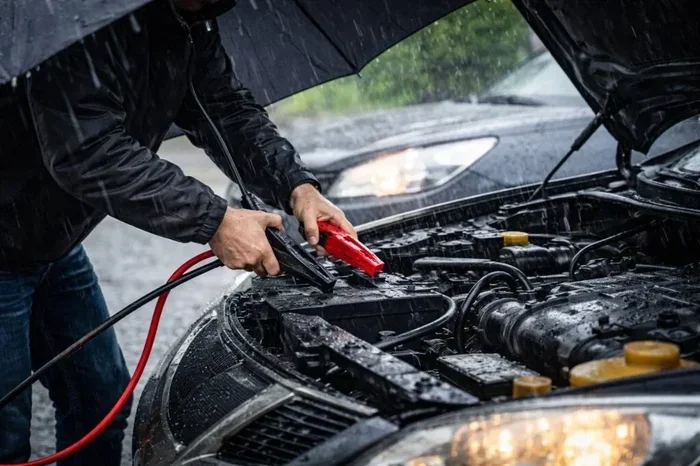
Your pre-collision system needs a steady supply of electrical power. If your car battery is weak or dying, the system may shut down unexpectedly. This happens because the sensors, camera, and control module all need consistent voltage to operate. When the voltage drops below a certain level, the system protects itself by turning off.
This is especially common in older vehicles or cars that sit unused for long periods. If you have not driven your car in a while, the battery may not have enough charge to power all the safety systems. You might also notice other electrical issues, like dim headlights or slow power windows, when the battery is low.
Quick Tip: Get your battery tested at least twice a year. A simple battery check at any auto parts store costs little or nothing. Replacing an old battery is cheap compared to the safety you lose without your pre-collision system.
3. Windshield Camera Calibration Issues
If you have recently replaced your windshield or had it repaired, your camera may need recalibration. The windshield camera is mounted behind the glass, and even a slight change in the glass position can throw off its alignment. When the camera is not calibrated correctly, the pre-collision system will not work properly and may turn off entirely.
This is a very common issue after windshield replacement. Many drivers do not realize that a new windshield needs a calibration procedure. The camera must be pointed at exactly the right angle to read the road correctly. Without proper calibration, the system cannot detect obstacles accurately, so it shuts itself off.
Expert Insight: Always have your windshield camera recalibrated after any glass work. This should be done by a certified technician with the right diagnostic tools. Skipping this step can leave your pre-collision system offline permanently until the fix is made.
4. Faulty Radar Sensor
The front radar sensor can fail over time. Exposure to road debris, water, and extreme temperatures can damage the sensor. When the radar sensor malfunctions, it sends incorrect data to the control module. The system then disables itself because it cannot trust the information it is receiving.
A faulty radar sensor might also trigger other warning lights on your dashboard. You may see the vehicle stability control light or the traction control light come on at the same time. This happens because many safety systems share the same sensors and control modules.
5. Software Glitches and System Errors
Your pre-collision system runs on software. Like any computer system, it can experience glitches. A temporary software error can cause the system to shut down without any obvious reason. This is more common in older vehicle models or after a software update that did not install correctly.
In most cases, a software glitch can be fixed with a simple system reset. You may need to turn off the engine, wait a few minutes, and restart the car. Some vehicles require a diagnostic tool to clear the error code and reset the system.
6. Wiring or Electrical Problems
Behind the scenes, your pre-collision system relies on a network of wires and connectors. If a wire gets damaged, corroded, or loose, the signal between the sensors and the control module gets interrupted. This can cause the system to turn off suddenly.
Wiring problems are often caused by road conditions. Potholes, bumps, and debris can rattle loose connections over time. Water intrusion into connector housings can also cause corrosion. In some cases, rodents may chew through wires under the hood, which can affect the sensor connections.
7. Aftermarket Modifications or Accessories
Did you recently install a new bumper, grill guard, or roof rack? Aftermarket accessories can interfere with the pre-collision system. A bumper that covers the radar sensor or a roof rack that blocks the camera view can cause the system to shut down. Even a poorly installed phone mount on the windshield can obstruct the camera.
If you have added any accessories to your vehicle and noticed the pre-collision system turning off, there is a good chance the new part is the culprit. Removing the accessory or repositioning it often solves the problem.
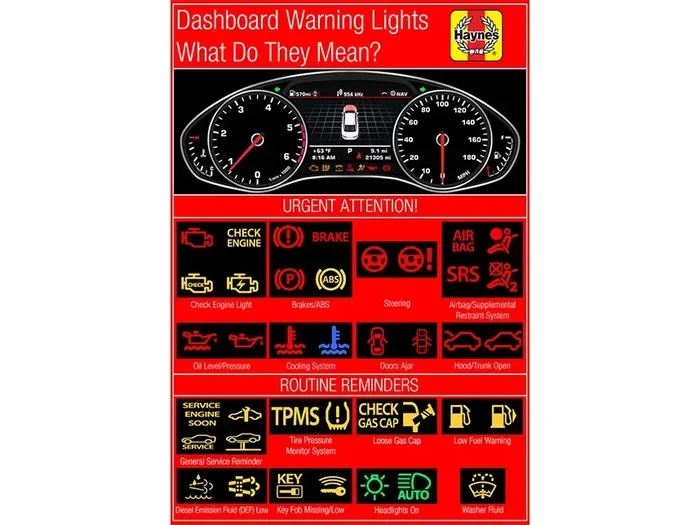
Dashboard Warning Lights and What They Mean
Your car talks to you through warning lights. When the pre-collision system turns off, it usually triggers a dashboard indicator. Understanding these lights can help you act quickly and avoid dangerous situations.
Common Warning Lights to Watch For
- Pre-collision system warning light: Usually a red or yellow car icon with collision lines. This light means the system is off or malfunctioning.
- Forward collision warning light: A car icon with an arrow pointing toward it. This indicates the forward detection system is not active.
- ABS warning light: The anti-lock braking system light may come on alongside the pre-collision light because they share components.
- Vehicle stability control light: This light often appears when the pre-collision system is disabled.
- Check engine light: In some vehicles, a pre-collision system fault can trigger the check engine light as well.
If you see any of these lights on your dashboard, do not ignore them. They are telling you that your safety systems need attention. The longer you wait, the longer you drive without the protection of your pre-collision system.
How to Diagnose and Fix a Disabled Pre-Collision System
Now that you know the common causes, let us talk about how to diagnose and fix the problem. Some steps you can do yourself, while others require a professional.
Step 1: Check the Sensors
Start by inspecting the front radar sensor and the windshield camera. Look for dirt, mud, snow, or any physical obstruction. Clean the sensor area gently with a soft cloth. Do not use harsh chemicals or abrasive materials. For the camera lens, use a microfiber cloth and glass cleaner.
After cleaning, restart your vehicle and check if the warning light goes away. In many cases, this simple step is all it takes to bring the pre-collision system back online.
Step 2: Check the Battery
Use a multimeter to test your battery voltage. A healthy battery should read around 12.6 volts when the engine is off. When the engine is running, it should read between 13.7 and 14.7 volts. If the voltage is low, try charging the battery or replacing it.
Quick Tip: Keep a portable battery charger in your trunk. It is a cheap and easy way to handle low battery situations, especially during cold weather when batteries tend to weaken.
Step 3: Reset the System
Sometimes a simple reset is all that is needed. Turn off the engine and remove the key from the ignition. Wait at least five minutes. This allows the control module to fully power down. Reinsert the key and start the engine. Check if the pre-collision system warning light has disappeared.
If the light stays on after a reset, there may be a deeper issue that requires diagnostic equipment. Most auto parts stores offer free diagnostic scans. They can read the error codes stored in your vehicle’s computer and help you pinpoint the problem.
Step 4: Visit a Professional
If none of the above steps work, it is time to see a professional mechanic or a dealership technician. They have the diagnostic tools and software needed to read your vehicle’s error codes and perform sensor calibrations. A professional can also check for wiring issues and software problems that are not visible to the naked eye.
Common Mistakes to Avoid: Do not try to open or disassemble the radar sensor yourself. These components are precision instruments and can be easily damaged. Also, do not ignore the warning light and continue driving without your pre-collision system active. You are losing a critical safety feature every time you drive with the system disabled.
Preventive Maintenance Tips
The best way to deal with a pre-collision system turning off is to prevent it from happening in the first place. Regular maintenance can keep your safety systems working at their best.
- Clean your sensors regularly: Make it a habit to wipe down the front grille and windshield camera area during your car wash routine.
- Check your battery twice a year: Especially before winter and summer, when extreme temperatures put extra strain on your battery.
- Get windshield calibration after any glass work: Whether it is a full replacement or a small chip repair, always have the camera recalibrated.
- Keep software up to date: Some pre-collision system updates are available through your dealership. Ask your service advisor if your vehicle has any pending updates.
- Avoid aftermarket accessories near sensors: If you must install accessories, make sure they do not block the radar sensor or camera view.
- Read your owner’s manual: Your vehicle’s manual has specific instructions for maintaining the pre-collision system. It is a valuable resource many drivers overlook.
Following these simple tips can save you from unexpected system shutdowns and keep you safe on every drive. A little preventive care goes a long way when it comes to your vehicle’s safety features.
When to See a Professional Mechanic
There are times when a DIY fix is not enough. Knowing when to seek professional help can save you time, money, and most importantly, keep you safe. If you have tried cleaning the sensors, checking the battery, and resetting the system, but the pre-collision system still will not turn back on, it is time to call in the experts.
Here are some situations that definitely require professional attention. If your dashboard shows multiple warning lights at the same time, there may be a broader electrical or computer issue. If your vehicle has been in an accident, even a minor one, the sensors and cameras may have shifted out of alignment. If you recently had a windshield replacement and the system still does not work, the calibration may not have been done correctly.
A professional mechanic can also check for software issues that require dealership-level diagnostic tools. Some pre-collision system problems can only be resolved with manufacturer-specific software updates or reprogramming. Trying to fix these issues on your own could make things worse and cost you more in the long run.
Key Takeaway: Do not wait too long to get professional help. Driving without a working pre-collision system means you are missing automatic braking and forward collision warnings. These features can make the difference between a near miss and a serious accident.
How a Disabled Pre-Collision System Affects Your Safety
It is important to understand what you lose when your pre-collision system is turned off. This system is designed to prevent accidents or reduce their severity. Without it, you rely entirely on your own reaction time to avoid a collision.
Studies show that automatic emergency braking systems reduce rear-end crashes significantly. When your pre-collision system is offline, you lose that extra layer of protection. You still have your regular brakes and steering, but you do not get the automatic intervention that can save lives in a split-second situation.
This is especially important in certain driving conditions. Heavy rain, fog, and nighttime driving all reduce visibility and increase the chances of a sudden stop. Your pre-collision system is designed to compensate for these challenges by detecting obstacles faster than a human can react. When the system is off, you are left to handle everything on your own.
Another concern is the impact on your insurance and vehicle resale value. Many insurance companies offer discounts for vehicles equipped with advanced safety features. If your pre-collision system is not working, you may not be eligible for these discounts. And if you ever sell your car, a disabled safety system can lower the vehicle’s value and appeal to buyers.
Cost to Repair a Pre-Collision System
The cost of fixing a disabled pre-collision system varies widely depending on the cause. Here is a rough breakdown of what you might expect.
- Sensor cleaning: Free if you do it yourself. A professional cleaning may cost between $50 and $100.
- Battery replacement: Typically ranges from $100 to $250 depending on your vehicle model.
- Windshield camera recalibration: Usually costs between $200 and $400 at a dealership or specialty shop.
- Radar sensor replacement: Can range from $500 to $1,500 including parts and labor.
- Wiring repairs: Costs vary widely depending on the extent of the damage, typically $100 to $500.
- Software update or reprogramming: Usually $100 to $200 at a dealership.
While some of these costs may seem high, remember that the pre-collision system is a life-saving feature. Investing in its repair is investing in your safety and the safety of everyone on the road with you.
Final Thoughts
A pre-collision system turning off without warning can be alarming, but it is usually fixable. Whether the cause is a dirty sensor, low battery, or calibration issue, there is almost always a clear path to a solution. The key is to act quickly and not ignore the warning lights on your dashboard.
Take care of your sensors, keep your battery healthy, and stay on top of maintenance. These simple habits will help your pre-collision system stay active and ready to protect you when you need it most. Your safety on the road depends on these systems working correctly, so give them the attention they deserve.
Now that you know the reasons behind a disabled pre-collision system, you are better equipped to handle the situation if it ever happens. Trust your instincts, check the simple things first, and do not hesitate to call a professional when needed. Drive safely, and let your safety systems do what they were designed to do.
Frequently Asked Questions
Can I still drive my car if the pre-collision system is off?
Yes, you can still drive, but you lose automatic braking and forward collision warnings. You will need to rely entirely on your own reaction time. It is important to get the system fixed as soon as possible to restore your safety features.
How do I clean my pre-collision system sensors?
Use a soft microfiber cloth and a gentle glass cleaner for the camera lens. For the radar sensor behind the front grille, a damp cloth is usually enough. Avoid harsh chemicals or high-pressure water sprays that could damage the sensors.
Does a dead battery cause the pre-collision system to turn off?
Yes, a weak or dying battery can cause the pre-collision system to shut down. The system needs consistent electrical power to operate. If your battery voltage drops too low, the safety systems may disable themselves to protect the vehicle’s electronics.
How long does windshield camera calibration take?
Calibration typically takes between 30 minutes and 2 hours. The time depends on your vehicle model and whether the calibration needs to be done in a shop or can be performed with a portable tool. Always have this done by a certified technician.
Can cold weather affect the pre-collision system?
Yes, cold weather can affect the system in several ways. Ice and snow can block the sensors, and low temperatures can reduce battery performance. Some vehicles temporarily disable the pre-collision system until conditions improve and the sensors are clear.
Is it expensive to repair a pre-collision system?
The cost depends on the cause. Simple fixes like sensor cleaning or a battery replacement are inexpensive. More complex repairs like radar sensor replacement or wiring fixes can cost several hundred dollars. The investment is worth it for the safety the system provides.
=== CONCLUSION ===
Your pre-collision system is one of the most valuable safety features in your vehicle. When it turns off without warning, it is usually trying to tell you something. Whether it is a dirty sensor, a low battery, or a calibration issue, the cause is almost always identifiable and fixable. By understanding the common reasons and following the steps in this guide, you can diagnose and resolve the problem quickly. Do not ignore the warning lights, and do not put off getting the system repaired. Your life and the lives of others on the road depend on these safety systems working properly. Stay proactive, stay informed, and keep your pre-collision system in top shape for every drive.