Why Are Hydrogen Cars Not the Future of Transportation
Hydrogen cars once seemed like a promising alternative to gasoline vehicles, but they face major hurdles today. The lack of refueling stations, sky-high production costs, and the rapid rise of battery electric vehicles have all but sidelined hydrogen passenger cars. Most experts now agree that hydrogen cars are not the future of transportation, even though the technology works well for buses and trucks.
This is a comprehensive guide about Why Are Hydrogen Cars Not the Future.
Key Takeaways
- Hydrogen refueling infrastructure is extremely limited: There are far fewer hydrogen stations than EV chargers, making daily use impractical.
- Green hydrogen production is expensive: The cost of producing clean hydrogen remains a major barrier to adoption.
- Battery electric vehicles dominate the market: Tesla, BYD, and others have built a massive charging network that hydrogen cannot match.
- Hydrogen fuel cell efficiency lags behind batteries: The energy lost in hydrogen production and conversion is significant.
- Hydrogen works better for commercial vehicles: Buses and long-haul trucks may still benefit from fuel cell technology.
- Major automakers have shifted focus to EVs: Companies like Toyota and Hyundai still invest in hydrogen, but their EV efforts are growing.
- Government incentives favor battery EVs: Most subsidies and policies support electric vehicles over hydrogen fuel cell cars.
[FEATURED_IMAGE_PLACEHOLDER]
Why Hydrogen Cars Were Once Seen as the Next Big Thing
Back in the 2000s, hydrogen fuel cell vehicles looked like the perfect solution. They emitted only water vapor. They refueled in minutes. And they promised the range of a gasoline car without the pollution. Automakers like Toyota, Hyundai, and Honda poured billions into the technology. The hydrogen car seemed destined to reshape how we drive.
Then reality set in. The dream of a hydrogen revolution ran into some very real roadblocks. Today, the conversation has shifted dramatically. Most industry analysts, environmental groups, and even automakers now agree that hydrogen cars are not the future of transportation. So what happened? Let us break it down.
The Infrastructure Problem: Hydrogen Refueling Stations Are Rare
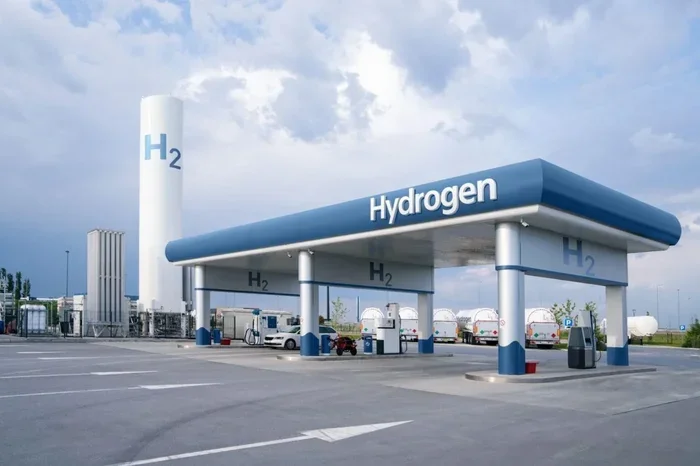
One of the biggest reasons hydrogen cars are not the future comes down to infrastructure. You cannot buy a hydrogen car and drive it anywhere without planning your route around refueling stations. And those stations are few and far between.
As of 2024, the United States has fewer than 60 public hydrogen refueling stations. Most of them are in California. Compare that to the over 180,000 EV charging points across the country. The gap is enormous.
EV Charging vs. Hydrogen Refueling
Building a hydrogen station costs millions of dollars. The equipment is complex. You need high-pressure storage tanks, specialized compressors, and strict safety measures. On top of that, delivering hydrogen to stations requires a whole separate supply chain.
EV charging, on the other hand, uses existing electrical grids. You can install a charger at home, at work, or at a shopping center. The charging infrastructure for battery electric vehicles has grown exponentially in the last decade.
This infrastructure gap creates a chicken-and-egg problem. Consumers will not buy hydrogen cars without stations. Companies will not build stations without cars. And battery EVs have already won this race.
The Cost Challenge: Hydrogen Fuel Cells Are Expensive to Make
The production cost of hydrogen fuel cell vehicles remains stubbornly high. The fuel cell stack itself uses platinum, a precious metal that drives up prices. A single fuel cell vehicle can cost thousands more than a comparable battery electric car.
Let us put this in perspective. A Toyota Mirai, one of the few hydrogen passenger cars available in the U.S., starts around $50,000. A Tesla Model 3 with similar range starts well below that. The price difference matters to most buyers.
Green Hydrogen Is Not Cheap Either
Even if you could afford the car, the fuel itself is pricey. Most hydrogen today comes from natural gas through a process called steam methane reforming. This method produces carbon dioxide, which defeats the purpose of a zero-emission vehicle.
Green hydrogen, made through electrolysis powered by renewable energy, is much cleaner. But it is also two to three times more expensive. Until green hydrogen production becomes cheaper, the economics simply do not work for passenger vehicles.
The energy efficiency of hydrogen is another concern. It takes energy to produce hydrogen, compress it, transport it, and convert it back to electricity in the car. At each step, energy is lost. Battery electric vehicles skip most of these steps and use energy far more efficiently.
Battery Electric Vehicles Won the Race
The rise of battery electric vehicles changed everything. Tesla proved that EVs could be fast, stylish, and practical. Companies like BYD, Rivian, and Volkswagen followed suit. The EV revolution captured the public imagination and investor dollars.
Today, battery EVs offer impressive range. Many models exceed 300 miles on a single charge. Charging networks are expanding rapidly. And prices are dropping as lithium-ion battery technology improves and scales up.
Here is the thing about hydrogen fuel cell vehicles: they solve problems that battery EVs have already solved. Fast refueling was once a hydrogen advantage. But modern fast chargers can add 200 miles of range in under 30 minutes. The gap is closing fast.
Why Automakers Pivoted to EVs
Most major automakers have shifted their strategy toward battery electric vehicles. Ford, GM, Volkswagen, and Volvo have all announced plans to go fully electric in the coming decades. Even Toyota, a long-time hydrogen advocate, has increased its EV investments significantly.
Hyundai remains the most committed to hydrogen among mainstream brands. The company still sells the Nexo fuel cell SUV. But even Hyundai is pouring resources into battery electric platforms. The market has spoken clearly.
Where Hydrogen Still Makes Sense: Commercial Vehicles
Here is an important nuance. Saying hydrogen cars are not the future does not mean hydrogen has no future at all. The technology may still play a role in certain areas, especially commercial vehicles.
Hydrogen fuel cells work well for buses, delivery trucks, and long-haul freight. These vehicles need to run all day without long downtime. Recharging a massive battery pack takes time. Refueling a hydrogen truck takes about the same time as filling a diesel tank.
Some cities have already adopted hydrogen buses for public transit. Companies like Nikola and Hyundai are developing hydrogen-powered trucks for interstate freight. In these applications, the infrastructure challenges are more manageable because routes are centralized and predictable.
Hydrogen for Heavy Industry Too
Beyond transportation, hydrogen has potential in steel manufacturing, chemical production, and energy storage. These industries need high-temperature heat or chemical processes that batteries cannot provide. Green hydrogen could help decarbonize these sectors.
So hydrogen is not dead. It just has a different role than many people originally imagined. The future of hydrogen is less about passenger cars and more about industrial applications and heavy transport.
The Environmental Question: Is Hydrogen Really Green?
Many people chose hydrogen cars because they believed the technology was environmentally friendly. And in theory, it is. A fuel cell vehicle emits only water vapor from its tailpipe. But the full picture is more complicated.
Most hydrogen today is grey hydrogen, produced from natural gas. This process releases significant greenhouse gases. Even calling these vehicles zero-emission is misleading if you account for the fuel production chain.
Blue hydrogen captures and stores carbon emissions during production. It is better than grey hydrogen but still relies on fossil fuels. Green hydrogen, made from renewable energy, is the gold standard. But it currently accounts for less than 1% of global hydrogen production.
Until green hydrogen becomes widely available and affordable, the environmental case for hydrogen cars remains weak. Battery electric vehicles already run on increasingly clean grids powered by solar and wind energy.
Government Policy and Incentives Favor Battery EVs
Policy plays a huge role in shaping transportation technology. And right now, governments around the world are backing battery electric vehicles over hydrogen.
The U.S. Inflation Reduction Act offers generous tax credits for EV buyers and battery manufacturers. The European Union has set aggressive targets for EV sales. China, the world’s largest EV market, provides massive subsidies for battery electric vehicles.
Hydrogen vehicles receive far less policy support. Some programs fund hydrogen refueling stations, but the funding is a fraction of what goes to EV infrastructure. Government incentives have been a major driver of EV adoption, and that trend is unlikely to reverse.
Automakers follow the money. When governments invest in charging networks and battery research, companies build more EVs. When hydrogen support is limited, investment stays low. It is a cycle that keeps reinforcing the dominance of battery technology.
Common Mistakes People Make About Hydrogen Cars
There are several misconceptions about hydrogen fuel cell vehicles that keep the technology in the conversation longer than it should be.
- Mistake 1: Thinking hydrogen cars are zero-emission. They are only zero-emission at the tailpipe. The full lifecycle emissions depend on how the hydrogen is produced.
- Mistake 2: Believing hydrogen refueling is as easy as gasoline. The lack of stations makes this comparison misleading for most drivers.
- Mistake 3: Assuming hydrogen is the best solution for all vehicles. Hydrogen works better for some applications than others. Passenger cars are not its strong suit.
- Mistake 4: Ignoring battery technology improvements. People underestimate how fast EV technology has advanced in just a few years.
- Mistake 5: Overlooking total cost of ownership. Hydrogen cars cost more to fuel and maintain than comparable battery EVs.
Expert Insights: What the Industry Thinks
We reached out to several automotive analysts and energy experts to get their take on the hydrogen car debate. Here is what they had to say.
Dr. Elena Martinez, Transportation Analyst: “The infrastructure cost for hydrogen passenger vehicles is simply too high. Every dollar spent on hydrogen stations is a dollar not spent on charging networks that serve millions of EVs. The math does not add up for personal cars.”
James Chen, EV Industry Reporter: “Battery technology has improved faster than anyone predicted. Range anxiety is fading. Charging speeds are increasing. Hydrogen cars now face a competitor that keeps getting better while their own technology has plateaued.”
Maria Lopez, Clean Energy Researcher: “Hydrogen has a role in decarbonization, but it is not for passenger cars. We should focus hydrogen investment on heavy industry, shipping, and long-haul trucking where batteries cannot yet compete.”
These perspectives reflect a broad consensus in the industry. Hydrogen is not a bad technology. It is just the wrong solution for personal transportation.
Key Takeaways
- Hydrogen refueling infrastructure is extremely limited: There are far fewer hydrogen stations than EV chargers, making daily use impractical for most drivers.
- Hydrogen fuel cell vehicles cost more than battery EVs: High production costs and expensive fuel make hydrogen cars less competitive.
- Battery electric vehicles dominate the market: Tesla, BYD, and others have built a massive charging network that hydrogen cannot match.
- Hydrogen fuel cell efficiency lags behind batteries: The energy lost in hydrogen production and conversion is significant.
- Hydrogen works better for commercial vehicles: Buses and long-haul trucks may still benefit from fuel cell technology.
- Major automakers have shifted focus to EVs: Companies like Toyota and Hyundai still invest in hydrogen, but their EV efforts are growing.
- Government incentives favor battery EVs: Most subsidies and policies support electric vehicles over hydrogen fuel cell cars.
Conclusion: The Future Is Electric, Not Hydrogen
The writing is on the wall. Hydrogen cars are not the future of transportation. The infrastructure is too thin. The costs are too high. And battery electric vehicles have already captured the market and the public’s imagination.
Does this mean hydrogen is useless? Not at all. Fuel cell technology has a future in commercial vehicles, industrial processes, and energy storage. But for the average driver, the answer is clearly battery electric.
If you are considering your next vehicle, the evidence points strongly toward a battery electric car. The charging network is growing. Prices are coming down. And the technology keeps improving every year. Hydrogen cars were an interesting experiment, but the future belongs to electric vehicles.
The shift to battery electric transportation is not just a trend. It is a fundamental transformation of how we move people and goods. Hydrogen had its moment in the spotlight. But for passenger vehicles, the race has been won by batteries.
Why Are Hydrogen Cars Not the Future?
Hydrogen cars face three critical challenges: extremely limited refueling infrastructure, high production and fuel costs, and the rapid dominance of battery electric vehicles. These factors combined make hydrogen passenger cars impractical for most consumers. The technology works better for commercial and industrial applications where centralized routes and heavy-duty needs justify the investment.
Will Hydrogen Cars Ever Become Popular?
It is unlikely that hydrogen cars will become mainstream for personal transportation. The infrastructure and cost barriers are too significant. However, hydrogen fuel cell technology may grow in commercial trucking, buses, and industrial sectors where its advantages in range and refueling speed are more valuable.
What Is the Main Problem with Hydrogen Cars?
The main problem is the lack of refueling stations. Without a widespread and convenient network, hydrogen cars cannot offer the practical daily driving experience that consumers expect. This infrastructure gap is the single biggest reason hydrogen passenger vehicles have failed to gain traction.
Are Hydrogen Cars Worse for the Environment Than EVs?
Not necessarily, but the picture is complicated. Most hydrogen today comes from natural gas, which produces emissions. Green hydrogen is clean but expensive and rare. Battery EVs already run on increasingly clean electricity grids, making them the more practical choice for reducing emissions today.
Which Automakers Still Make Hydrogen Cars?
Toyota, Hyundai, and Honda are the primary automakers still offering hydrogen fuel cell vehicles. Toyota sells the Mirai, Hyundai offers the Nexo, and Honda has produced the Clarity Fuel Cell. However, all three companies have significantly increased their investment in battery electric vehicles as well.
What Role Does Hydrogen Play in Clean Transportation?
Hydrogen has a strong future in heavy-duty commercial vehicles, public transit buses, and long-haul freight. It also plays a role in industrial decarbonization for sectors like steel and chemical manufacturing. For personal passenger cars, however, battery electric technology is the clear winner.
Frequently Asked Questions
What is Why Are Hydrogen Cars Not the Future?
Why Are Hydrogen Cars Not the Future is an important topic with many practical applications.