What US Cars Are Made in China and Why It Matters
Several popular US cars are made in China through joint ventures and partnerships with Chinese manufacturers. Brands like GM, Ford, and Jeep have significant production operations in China to serve the massive local market. This article explains which US cars are made in China, why automakers choose to build there, and what it means for American buyers.
When you think about where your favorite American vehicles come from, China might not be the first country that pops into your head. But the truth is, US cars made in China are more common than most people realize. Several major American automakers have significant production operations in China, building vehicles for the world’s largest car market every single year.
Understanding which US cars are made in China and why they are produced there can give you a whole new perspective on the global auto industry. It also helps explain some of the pricing, availability, and trade dynamics you see in the car market today. The relationship between American automakers and China is deep, complex, and constantly evolving.
In this article, we will walk through every major American brand that manufactures vehicles in China. We will look at the reasons behind this production shift, the impact on the US market, and what the future holds for US cars made in China. Whether you are a car enthusiast, a curious buyer, or just someone who wants to understand the auto industry better, this guide has you covered.
Key Takeaways
- GM dominates US car production in China through its partnership with SAIC Motor, producing millions of vehicles annually for the Chinese market.
- Ford and Stellantis also operate major China facilities to tap into the world’s largest auto market and avoid costly import tariffs.
- US cars made in China are primarily for the Chinese domestic market, not for export back to the United States.
- Joint ventures are required by Chinese law, meaning US automakers must partner with local Chinese companies to manufacture vehicles there.
- Tariffs and trade tensions have shaped how US automakers operate in China over the past decade, pushing more local production.
- Electric vehicle production in China is growing rapidly for US brands looking to capture the booming EV market.
- Buying a US car made in China is generally not an issue for American consumers, as these vehicles are not typically sold in the US market.
📑 Table of Contents
- Which US Cars Are Made in China
- Why American Automakers Build Cars in China
- The Biggest US Car Brands Operating in China
- How China-Made US Cars Affect the American Market
- The Future of US Cars Made in China
- Quick Tips for Understanding US Cars Made in China
- Is It Worth Buying a US Car Made in China
- Conclusion
Which US Cars Are Made in China
The list of US cars made in China is longer than you might think. General Motors, Ford, and Stellantis (the parent company of Jeep) all have major manufacturing operations in China. These brands produce vehicles specifically designed for Chinese consumers, often through joint ventures with local Chinese companies. The China automotive production landscape is heavily shaped by these American partnerships.
Here are the main players and what they produce in China:
- General Motors (GM) – GM is the largest American automaker operating in China. Through its partnership with SAIC Motor, GM produces Buick, Chevrolet, and Cadillac vehicles for the Chinese market. Models like the Buick Envision and the Chevrolet Captiva are built in Chinese factories.
- Ford Motor Company – Ford operates joint ventures with Changan Automobile and other Chinese partners. The Ford Explorer and Ford Escape are among the models produced in China for local sale.
- Stellantis (Jeep) – Jeep has a partnership with GAC Group in China. The Jeep Grand Commander is one of the most popular Jeep models built in China.
- Lincoln (Ford luxury brand) – Lincoln has also explored production in China to compete with luxury brands like BMW and Mercedes-Benz in the premium segment.
The scope of US cars produced in China goes far beyond just a few models. These automakers build entire lineups tailored to Chinese tastes. From compact sedans to large SUVs, the variety is impressive. And the production volumes are enormous. GM alone sells millions of vehicles in China every year.
GM and Its China Operations
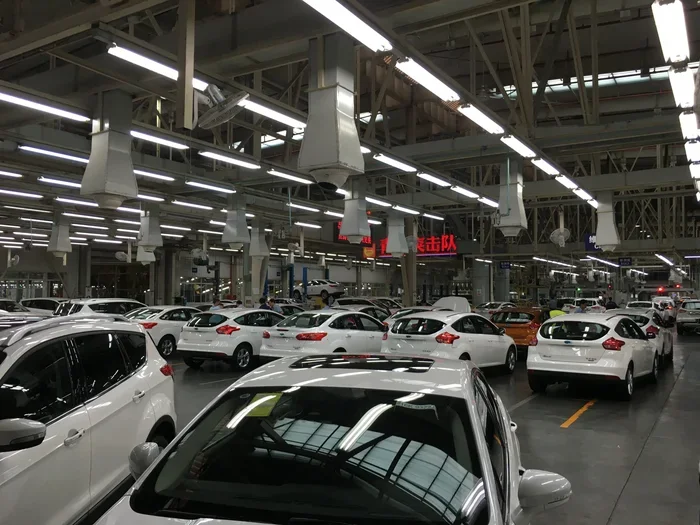
GM’s presence in China is massive. The company sells more vehicles in China than in the United States in many years. The GM-Saic joint venture is one of the most successful partnerships in the history of US cars made in China. Together, they have built dozens of models specifically for Chinese buyers. The Buick brand, in particular, has become incredibly popular in China, where it is seen as a premium offering. GM operates multiple assembly plants across China, employing thousands of local workers and sourcing parts from Chinese suppliers.
Ford’s Presence in China
Ford has had a complicated relationship with the China market. The company has faced sales declines and restructuring in recent years. However, Ford continues to produce vehicles in China through its joint ventures. The Ford Explorer and Ford Escape produced in China are slightly different from their US counterparts, with features tailored to Chinese preferences. Ford has also invested in electric vehicle production in China, partnering with local companies to develop new models for the growing EV segment.
Jeep and Other Brands
Jeep has found a strong foothold in China through its partnership with GAC Group. The Jeep Grand Commander is a large SUV designed specifically for Chinese families who want a spacious, premium SUV. Other Jeep models have also been developed for the Chinese market through this collaboration. Beyond Jeep, other American brands have explored or established a presence in China, though GM, Ford, and Jeep remain the dominant players in the foreign automakers in China space.
Why American Automakers Build Cars in China
There are several compelling reasons why US automakers have chosen to manufacture vehicles in China. Understanding these reasons helps explain why US cars made in China are such a significant part of the global automotive landscape. The motivations go far beyond just one or two factors.
Market Size and Profitability
China is the world’s largest automobile market. It sells more cars than any other country on Earth. For American automakers, ignoring this market is simply not an option. By building vehicles locally in China, US brands can offer competitive pricing, avoid high import tariffs, and respond quickly to changing consumer preferences. The China car market is incredibly competitive, and local production gives American brands a real advantage.
The Chinese consumer has different tastes than American buyers. They prefer different sizes, different features, and different styling. Local production allows automakers to tailor vehicles accordingly. This level of customization would be impossible if vehicles were only built in the United States and shipped overseas.
Joint Venture Requirements
One of the most important reasons for US cars made in China is the legal requirement for foreign automakers to form joint ventures with Chinese companies. China does not allow fully foreign-owned auto manufacturers. Every US brand operating in China must partner with a local Chinese company. These automotive joint ventures China give US automakers access to local supply chains, manufacturing expertise, and distribution networks. They also share the financial risk of operating in a foreign market.
This joint venture structure is a defining feature of the US auto industry globalization story. It shapes everything from which models are built to how they are marketed and sold. Understanding this structure is key to understanding why American automakers overseas operate the way they do in China.
Avoiding Trade Tariffs
Trade tensions between the United States and China have led to significant tariffs on imported vehicles. By manufacturing in China, US automakers can avoid these tariffs and keep their vehicles competitively priced. This is especially important in a market where profit margins are already thin. The US China auto trade relationship has been complicated by tariffs, but local production has helped American brands navigate these challenges effectively.
The Biggest US Car Brands Operating in China
Let us take a closer look at the three American automakers that have the largest manufacturing presence in China. Each has a unique approach to the Chinese market and a different history of partnership and growth.
GM’s China Empire
General Motors is the undisputed leader among US cars made in China. The GM-Saic joint venture is the largest foreign automaker partnership in China. GM sells millions of vehicles in China every year, far exceeding its US sales in some periods. The Buick brand alone sells hundreds of thousands of vehicles annually in China. GM has invested billions of dollars in Chinese manufacturing facilities and research centers. The company produces vehicles across multiple segments, from compact cars to full-size SUVs, and the Buick brand China operations are particularly strong.
GM’s China operations are not just about selling vehicles. The company also sources parts and components from Chinese suppliers, creating a deep integration into the local economy. This level of involvement makes GM one of the most entrenched American brands in China. The Cadillac China operations are also growing, with luxury models targeting the expanding Chinese upper class.
Ford’s China Strategy
Ford has taken a different approach from GM. While Ford has maintained a steady presence in China, the company has faced significant challenges in recent years. Sales have declined, and Ford has had to restructure its China operations. However, Ford continues to invest in local production through its joint ventures with Changan and other partners. The Ford China partnership has been a key part of Ford’s global strategy for decades.
Ford has also been exploring new opportunities in China, particularly in the electric vehicle segment. The company has partnered with Chinese EV startups and established new manufacturing capabilities for electric and hybrid vehicles. Ford’s strategy in China is evolving as the market changes and consumer preferences shift toward electrification.
Stellantis and Jeep in China
Stellantis, through its Jeep brand, has carved out a strong niche in China. The Jeep Grand Commander has been a hit with Chinese buyers who want a large, stylish SUV with American branding. Stellantis has invested in local production and has worked closely with GAC Group to develop models that appeal to Chinese consumers. The Jeep brand in China has grown significantly over the past decade.
The Jeep brand benefits from its strong global reputation for rugged, capable SUVs. In China, this reputation translates into strong sales, particularly among younger, urban buyers who want a vehicle that stands out. Stellantis continues to expand its model lineup in China, adding new SUVs and crossover vehicles through its China assembly plants.
| Brand | Chinese Partner | Key Models Made in China | Primary Market |
|---|---|---|---|
| GM / Buick / Chevrolet / Cadillac | SAIC Motor | Buick Envision, Chevrolet Captiva, Cadillac CT6 | China domestic |
| Ford | Changan Automobile | Ford Explorer, Ford Escape | China domestic |
| Jeep / Stellantis | GAC Group | Jeep Grand Commander | China domestic |
| Lincoln | Various partners | Lincoln models for Chinese market | China domestic |
How China-Made US Cars Affect the American Market
You might wonder whether US cars made in China have any impact on the American market. The answer is yes, but in ways that are not always obvious. The ripple effects of China production reach far beyond Chinese borders.
Pricing and Competition
When US automakers build vehicles in China, they can produce them at lower costs than manufacturing in the United States. This cost advantage can influence pricing strategies globally. While most China-made vehicles stay in China, the production efficiencies and cost savings can sometimes benefit other markets as well. The US-built vehicles overseas strategy helps American automakers stay competitive on a global scale.
Additionally, the success of US brands in China helps these companies fund research and development globally. Profits from China operations can be reinvested in US plants, new technologies, and vehicle development for the American market. So even though China-made vehicles do not directly compete with American-made vehicles in the US, the financial benefits flow back home.
Trade Tariffs and Their Impact
The US China trade war has had a significant impact on the automotive industry. Tariffs imposed by both countries have made it more expensive to import and export vehicles. This has pushed more American automakers to produce locally in China rather than export from the United States. Tariffs on US cars have reshaped the way American brands think about global manufacturing.
For American consumers, the trade war has sometimes led to higher prices on imported vehicles and components. However, the local production of US vehicles made in China has helped insulate American automakers from some of the worst effects of these trade disputes. The US China trade war continues to evolve, and its impact on the auto industry will likely shape decisions for years to come.
Common Mistakes People Make About US Cars Made in China
There are several misconceptions about American cars manufactured overseas in China that can confuse buyers and casual observers alike. Let us clear up the most common ones.
Mistake 1: Thinking China-made US cars are sold in America. Most vehicles produced by US brands in China are exclusively for the Chinese domestic market. They are not typically exported to the United States. American consumers generally do not buy vehicles that were manufactured in China. The US cars made in China are built for Chinese buyers, not American ones.
Mistake 2: Assuming quality is lower. Many people assume that vehicles built in China are of lower quality. In reality, US automakers must meet their own global quality standards regardless of where the vehicle is built. GM, Ford, and Jeep factories in China operate under the same quality control processes as their US plants. The China automotive production standards for these brands are rigorous and well-maintained.
Mistake 3: Ignoring the joint venture structure. Some buyers do not understand that US automakers in China always operate through partnerships with Chinese companies. This is not a choice; it is a legal requirement. Understanding this joint venture automakers structure helps clarify why US cars are produced in China and how the business model works.
The Future of US Cars Made in China
The landscape of US cars made in China is changing rapidly. Several major trends are shaping the future of American automakers in the Chinese market. These trends will determine how the relationship between US brands and China evolves in the coming years.
Electric Vehicle Push
China is the world’s largest market for electric vehicles. Both the Chinese government and consumers are strongly pushing EV adoption. American automakers are responding by investing heavily in electric vehicle production in China. GM, Ford, and Stellantis are all developing EV models specifically for the Chinese market through their joint ventures. The electric vehicles China market is growing at a pace that surprises even industry experts.
US brands that can establish a strong EV presence in China will be well-positioned for the future. This is especially important as global automakers shift their focus toward electrification. The US cars made in China of tomorrow will likely be dominated by electric and hybrid models, reflecting both Chinese government policy and global industry trends.
Changing Trade Relations
The US China auto trade relationship continues to evolve. Trade negotiations, tariffs, and geopolitical tensions all affect how American automakers operate in China. While there have been periods of cooperation and conflict, the fundamental business case for local production in China remains strong. American automakers are likely to maintain and possibly expand their China operations in the coming years.
The Chinese market is simply too large and too important to ignore. As long as joint venture requirements remain in place, US cars will continue to be made in China for the foreseeable future. The US auto industry globalization trend shows no signs of slowing down.
Expert Insights on US Cars Made in China
Industry analysts see several key trends shaping the future of American automakers in China. “The joint venture model has been essential for US brands entering the Chinese market,” says one automotive expert. “It provides access to local expertise, supply chains, and distribution networks that would be impossible to replicate from abroad.”
Another expert notes that “the shift toward electric vehicles is creating new opportunities for US brands in China. Companies that can offer competitive EVs through their US cars made in China operations will have a significant advantage as the market evolves.” These insights highlight the strategic importance of the China market for American automakers.
Quick Tips for Understanding US Cars Made in China
Here are some practical tips to help you navigate the world of US cars made in China:
- Check the vehicle’s origin. If you are researching a specific model, look up where it is manufactured. Many online resources and manufacturer websites provide this information clearly.
- Understand the joint venture structure. Knowing which Chinese partner a US brand works with can give you insight into the vehicle’s features and target market.
- Do not assume China-made means lower quality. US automakers maintain strict quality standards across all their global facilities. The US cars made in China meet the same benchmarks as those built in America.
- Follow trade news. Changes in US-China trade policy can affect pricing, availability, and model offerings for US cars produced in China.
- Look at the big picture. The global auto industry is interconnected. What happens in China affects markets around the world, including the United States.
Is It Worth Buying a US Car Made in China
For most American consumers, the question of whether to buy a US car made in China is not really relevant. The vast majority of vehicles produced by American brands in China are sold exclusively in the Chinese market. They are not available for purchase in the United States. So American buyers do not need to worry about accidentally buying a China-made vehicle.
However, understanding this dynamic is still valuable. It helps you appreciate the complexity of the global auto industry. It also gives you context for why certain models are priced the way they are and why some brands make the decisions they do. The fact that US cars are made in China is a reflection of global manufacturing realities, not a cause for concern.
If you are shopping for a new vehicle, focus on what matters most to you: quality, features, reliability, and value. The origin of manufacturing is just one factor among many. A US car made in China is not inherently better or worse than a vehicle built in the United States. What matters is how the vehicle performs, how it is built, and whether it meets your personal needs and preferences.
The global nature of modern manufacturing means that many vehicles contain parts sourced from multiple countries. A car built in the United States might have components from China, Mexico, or Japan. This interconnected supply chain is a normal part of the modern automotive industry and reflects the reality of US auto industry globalization.
Conclusion
The world of US cars made in China is complex, fascinating, and constantly evolving. From GM’s massive operations with SAIC to Ford’s joint ventures with Changan and Jeep’s partnership with GAC Group, American automakers have deeply invested in the Chinese market. These partnerships exist because China offers an enormous consumer base, local production avoids tariffs, and joint ventures are legally required.
While most US cars produced in China are designed for Chinese buyers, the impact of this production reaches far beyond China’s borders. It shapes global supply chains, influences pricing, and drives innovation in electric vehicles and new technologies. The US China auto trade relationship will continue to be a defining feature of the global automotive industry.
Understanding which US cars are made in China and why gives you a clearer picture of how the global auto industry works. As trade relations evolve and the shift toward electric vehicles accelerates, the relationship between American automakers and China will continue to shape the vehicles we drive and the industry we depend on. Stay informed, stay curious, and keep learning about the cars on the road and the factories that build them.
Frequently Asked Questions
Why do US automakers build cars in China?
US automakers build cars in China primarily because it is the world’s largest car market, and local production helps them avoid high import tariffs. Chinese law also requires foreign automakers to form joint ventures with local Chinese companies, which gives US brands access to local supply chains, manufacturing expertise, and distribution networks that would be impossible to replicate from abroad.
Are US cars made in China sold in America?
No, the vast majority of US cars made in China are sold exclusively in the Chinese domestic market. They are not typically exported to the United States. American consumers generally do not purchase vehicles that were manufactured in China, as these models are designed specifically for Chinese buyers and their preferences.
What is a joint venture in the auto industry?
A joint venture is a partnership between a foreign automaker and a local Chinese company. Chinese law requires all foreign auto manufacturers to operate through joint ventures. These partnerships allow US brands to access local manufacturing capabilities, supply chains, and distribution networks while sharing the financial risks of operating in a foreign market.
How do tariffs affect US cars made in China?
Trade tariffs between the US and China have made it more expensive to import and export vehicles. By manufacturing locally in China, US automakers can avoid these tariffs and keep their vehicles competitively priced. This has pushed more American brands to produce in China rather than export finished vehicles from the United States.
Which US car brand sells the most vehicles in China?
General Motors is the largest US car brand in China by a significant margin. Through its joint venture with SAIC Motor, GM sells millions of vehicles in China every year, with the Buick brand being particularly popular. GM’s China operations exceed its US sales in many years.
Is the quality of US cars made in China the same as those made in the US?
Yes, US automakers maintain the same global quality standards regardless of where a vehicle is built. GM, Ford, and Jeep factories in China operate under the same rigorous quality control processes as their US plants. The vehicles produced in China meet the same safety and performance benchmarks as those manufactured in America.