Can I Just Sign A Car Title Over To Someone?
Yes, you can sign a car title over to someone, but there are specific steps you must follow to make the transfer legal and valid. Signing over a car title involves filling out the assignment section, providing a bill of sale, and often visiting your local DMV to complete the transfer. This guide walks you through every step so you avoid costly errors and delays.
Have you ever wondered, “Can I just sign a car title over to someone?” The short answer is yes. But the full answer involves a few important steps that many people overlook. Transferring a car title is one of those tasks that seems simple on the surface but can cause real headaches if you do it wrong.
Whether you are selling your vehicle to a friend, gifting a car to a family member, or buying a used car from a private seller, understanding the title transfer process is essential. A car title is the legal proof that you own a vehicle. When you hand it over, you are essentially handing over ownership. That is why every detail matters.
In this guide, we will walk you through the entire process of signing over a car title. We will cover what the title assignment section means, how to fill it out correctly, what paperwork you need, and what happens after the transfer. By the end, you will feel confident and prepared to handle this process without any surprises.
Let us start with the basics. A car title is a legal document issued by your state’s Department of Motor Vehicles. It shows who owns the vehicle. When you transfer ownership, you are changing the name on that document from the seller to the buyer. This process is also known as a transfer of vehicle ownership or a title assignment.
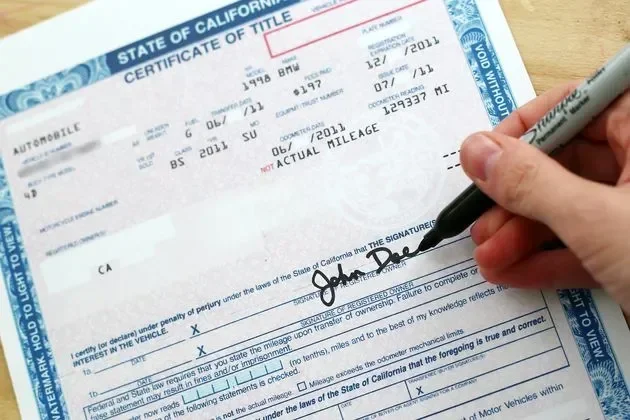
The title contains several sections that both the seller and buyer must complete. These sections include the assignment area, the odometer reading, the sale price, and the date of transfer. Every field matters. Skipping one or filling it out incorrectly can delay the process or even invalidate the entire transfer.
Some people call a car title a “pink slip,” especially in certain states and regions. Regardless of what you call it, the purpose remains the same. It proves ownership and allows the new owner to register the vehicle in their name. Without a properly signed title, the buyer cannot legally drive the car or register it at their local DMV.
The first thing to understand is that you cannot just scribble your name on the back of a title and call it done. There is a specific way to fill out the assignment section. Each state has its own format, but the general process is similar across the country.
Key Takeaways
- Signing over a title is legal: You can transfer vehicle ownership to another person by properly filling out the title and completing the required paperwork.
- The process varies by state: Each state has its own rules for title transfers, so always check your local DMV requirements first.
- Both parties must sign: The seller and buyer both need to sign the title for the transfer to be valid.
- Common mistakes cause delays: Missing signatures, incorrect dates, and skipped steps can hold up the entire transfer process.
- A bill of sale is essential: This document protects both the buyer and seller and serves as proof of the transaction.
- Odometer disclosure matters: Federal law requires an accurate odometer reading during most title transfers.
- Visit the DMV in person: Most title transfers require both parties to appear at the DMV or submit paperwork through official channels.
📑 Table of Contents
- The Step-by-Step Process to Sign Over a Car Title
- Common Mistakes People Make When Transferring a Title
- What Happens After You Sign the Title?
- Special Situations That Affect Title Transfers
- Can You Sign a Car Title Over Without Going Through the DMV?
- Expert Tips for a Smooth Title Transfer
- Conclusion
The Step-by-Step Process to Sign Over a Car Title
Step One: Gather All Required Documents
Before you start signing anything, make sure you have everything you need. Both the seller and the buyer should collect the required documents ahead of time. This saves trips to the DMV and prevents frustrating delays.
Here is what you typically need for a car title transfer:
- The physical car title certificate
- A completed bill of sale
- A valid government-issued photo ID for both parties
- An odometer disclosure statement
- Payment for any applicable transfer fees
The bill of sale is especially important. It records the date of sale, the purchase price, the names of the buyer and seller, and the vehicle details. Some states require a notarized bill of sale, so check your local rules before the transaction.
Pro tip: Always make copies of everything. Keep a copy of the signed title, the bill of sale, and any receipts you receive. These documents protect you if any disputes come up later.
Step Two: Fill Out the Seller Section on the Title
The seller’s side of the title assignment section is where the magic happens. This is where you officially release ownership of the vehicle. Here is what you need to do:
- Print your full legal name in the seller section.
- Sign your name exactly as it appears on the title.
- Enter the date of the sale.
- Fill in the odometer reading at the time of sale.
- Record the sale price accurately.
Make sure your signature matches the one on file with the DMV. If your name has changed since you received the title, you may need to provide additional documentation. For example, if you got married and changed your last name but the title still shows your maiden name, you will need to clarify this.
One common mistake is leaving the sale price blank or writing “gift” when the vehicle was actually sold for money. This can raise red flags during the title transfer process and may even trigger a tax audit in some states. Always be honest and accurate.
Step Three: Fill Out the Buyer Section on the Title
Once the seller has completed their section, the buyer takes over. The buyer must fill out their information on the title as well. This typically includes:
- Printing their full legal name
- Signing their name
- Entering the date they received the title
- Providing their current address
The buyer’s address is important because the DMV uses it to send the new registration and license plates. If the address is incorrect, the new owner may not receive their documents on time.
Both parties should be present when the title is being filled out. This ensures everything is accurate and prevents misunderstandings later. If you are buying a car from someone you do not know well, consider meeting at a public place and bringing a friend along for safety.
Step Four: Visit the DMV to Complete the Transfer
In most states, signing the title is only part of the process. You also need to visit your local DMV or equivalent agency to finalize the vehicle registration transfer. The DMV will record the new ownership, issue new plates, and update their records.
Here is what typically happens at the DMV:
- Both parties present their government-issued IDs
- The signed title and bill of sale are reviewed
- The odometer reading is verified
- Transfer fees are paid
- New registration and plates are issued to the buyer
Some states allow you to complete the transfer online or by mail, but most require in-person visits. Check your state’s DMV website for specific instructions. The fees vary by state but typically range from $15 to $100 depending on the vehicle’s value and your location.
Quick tip: Call ahead or check online for the documents you need. DMV offices can be busy, and showing up without the right paperwork means another trip. Save yourself the hassle and be prepared.
Common Mistakes People Make When Transferring a Title
Transferring a car title is straightforward, but people still make mistakes. These errors can cause delays, extra fees, or even legal problems. Here are the most common pitfalls to avoid.
Mistake One: Leaving Fields Blank
Leaving blank spaces on a title is one of the biggest mistakes people make. If a field does not apply, write “N/A” or draw a line through it. Blank spaces can be filled in later by someone else, which creates legal risks for both the buyer and the seller.
Mistake Two: Using Correction Fluid or Erasing
Never use white-out or erase anything on a car title. Once a title is signed, any corrections can invalidate the entire document. If you make a mistake, start over with a new title or follow your state’s correction process, which usually involves drawing a single line through the error and initialing it.
Mistake Three: Forgetting the Odometer Disclosure
Federal law requires an accurate odometer reading during most title transfers. This applies to vehicles under ten years old. Failing to disclose the odometer reading can result in fines and delays. It also protects the buyer from unknowingly purchasing a vehicle with a rolled-back odometer.
Mistake Four: Not Notarizing When Required
Some states require a notarized title assignment or a notarized bill of sale. If your state requires notarization and you skip it, the DMV will reject your transfer. Check your state’s requirements before you go to the DMV.
Mistake Five: Signing the Title Before the Sale
Never sign a car title before the sale is complete. If you sign the title and the buyer does not follow through, you may still be legally responsible for the vehicle. Wait until both parties are ready and present before signing anything.
What Happens After You Sign the Title?
Once the title is signed and the paperwork is submitted, the transfer process begins in earnest. But what exactly happens next? Let us walk through the timeline.
First, the DMV processes the title transfer. This can take anywhere from a few days to a few weeks depending on your state and their workload. During this time, the buyer may receive temporary registration plates that allow them to drive the vehicle legally while waiting for the new plates.
The seller should also take a few post-transfer steps. Cancel your car insurance policy for the sold vehicle. Notify your insurance company that the car has been sold or transferred. This protects you from liability if the new owner gets into an accident.
Keep a copy of the bill of sale and the signed title for your records. These documents serve as proof that you are no longer the owner. If the buyer fails to register the vehicle or gets parking tickets, having this paperwork helps protect you.
The buyer should register the vehicle in their name as soon as possible. They will need the title, bill of sale, proof of insurance, and payment for registration fees. Driving an unregistered vehicle can result in fines and even impoundment.
Pro tip: Set a reminder for yourself a week after the sale to make sure the buyer has completed the registration. A friendly follow-up text can go a long way in making sure everything is handled properly.
Special Situations That Affect Title Transfers
Not all title transfers are straightforward. Some situations require extra steps or special attention. Here are a few common scenarios you might encounter.
Transferring a Title With a Lien
If there is still a loan on the vehicle, the title will show a lienholder. You cannot transfer a title with an active lien until the loan is paid off. The lienholder must provide a lien release document before the title can be signed over to a new owner. This is a critical step that many people forget.
Once the lien is released, the lender will either send the title directly to you or hold it until you pay off the loan. Make sure you get the lien release before attempting any transfer.
Gifting a Vehicle
When you gift a car to someone, the process is similar to a sale, but there are some differences. The bill of sale should state that the vehicle was a gift, and the sale price should reflect $0 or a nominal amount. Some states charge gift tax on vehicle transfers, so check your local rules.
Gifting a car to a family member can simplify things because both parties usually know each other well. But do not skip the paperwork. A properly documented gift protects both parties and ensures a smooth title transfer.
Transferring a Title After Death
If the vehicle owner has passed away, the title transfer process involves probate or estate procedures. The executor of the estate or the surviving spouse typically handles the transfer. Additional documents such as a death certificate and letters of administration may be required.
This is a more complex situation, and the process varies significantly by state. Consulting with an attorney or the DMV directly can help you navigate the requirements correctly.
Transferring a Title to a Family Trust
Some people transfer vehicle ownership to a family trust for estate planning purposes. This requires the trust documentation and the trustee’s signature on the title. The DMV will need to see proof of the trust before processing the transfer.
While this is a less common scenario, it is worth knowing about if you are planning your estate. A properly structured trust can simplify the transfer of assets, including vehicles, to your heirs.
Can You Sign a Car Title Over Without Going Through the DMV?
This is a question many people ask, especially when they want to avoid lines and bureaucracy. The honest answer is no, not really. While you can sign the title and hand it over to the buyer, the legal transfer is not complete until the DMV processes it.
Until the DMV records the new ownership, the seller is still legally responsible for the vehicle. This means if the buyer gets into an accident or receives a traffic violation, the original owner’s name is still on the hook until the transfer is finalized.
Some states offer online or mail-in options for title transfers, which can save you a trip to the DMV. But the transfer still must go through the official process. There is no shortcut around the DMV when it comes to legally changing vehicle ownership.
That said, you can complete the title signing and bill of sale on your own time before visiting the DMV. This preparation makes the in-person visit much faster and smoother. Come to the DMV with everything filled out, and you will be in and out quickly.
Expert Tips for a Smooth Title Transfer
After helping hundreds of people navigate the title transfer process, here are the best tips we have gathered. These insights can save you time, money, and stress.
- Double-check everything before signing. Make sure all names, dates, and numbers are correct. Once signed, corrections become complicated.
- Meet at your local DMV if possible. Some DMV offices have staff who can witness signatures and help you complete the transfer on the spot.
- Bring payment for fees. Most DMVs accept cash, credit cards, and checks, but policies vary. Call ahead to confirm what payment methods are accepted.
- Verify the title is clean. Before buying a car, make sure the title is free of liens, branding issues, and errors. A branded title means the vehicle has a salvage or rebuilt history.
- Keep copies of everything. Both parties should retain copies of the signed title, bill of sale, and any receipts from the DMV.
- Update your insurance immediately. Whether you are the buyer or seller, notify your insurance company the same day the transfer takes place.
- Be patient with processing times. Title transfers take time. Do not assume the transfer is complete until you receive confirmation from the DMV.
Following these tips will help ensure your car title transfer goes smoothly from start to finish. The key is preparation and attention to detail.
Conclusion
So, can you just sign a car title over to someone? Yes, you can. But doing it correctly requires careful attention to every detail on the title and the accompanying paperwork. The process involves filling out the assignment section, providing a bill of sale, visiting the DMV, and completing the registration transfer.
Every state has its own rules and requirements, so always check with your local DMV before starting the process. The steps may seem small, but each one plays an important role in protecting both the buyer and the seller.
By following the steps outlined in this guide, you can confidently handle a car title transfer without confusion or delays. Whether you are selling your vehicle, gifting it to a loved one, or buying a car from a private seller, a smooth title transfer is within your reach.
Take your time, gather your documents, and follow the process carefully. A properly signed and transferred car title gives both parties peace of mind and ensures the vehicle changes hands legally and efficiently.
Frequently Asked Questions
Do both the buyer and seller need to be present at the DMV?
In most states, both parties must appear in person to complete the title transfer. Some states allow one party to submit paperwork by mail, but this varies. Check your local DMV website for the specific requirements in your area.
How long does it take to transfer a car title?
The timeline depends on your state and the DMV’s processing speed. In many cases, the transfer is completed within one to four weeks. Some states offer expedited services for an additional fee. The actual DMV visit usually takes less than an hour if you have all the required documents.
Can I transfer a car title online?
Some states allow online title transfers, but this is not universally available. You can check your state’s DMV website to see if online transfers are offered. Even if online transfer is available, you may still need to visit the DMV in person for certain steps like obtaining new license plates.
What if the car title has errors on it?
Small errors like a misspelled name can usually be corrected by drawing a single line through the error, writing the correct information, and initialing it. However, significant errors may require you to apply for a duplicate title before the transfer can proceed. Contact your DMV for guidance on correcting title errors.
Is a bill of sale required to transfer a car title?
Most states require a bill of sale as part of the title transfer process. This document protects both the buyer and the seller by recording the details of the transaction. Even if your state does not require one, having a bill of sale is a smart practice that provides legal protection and a clear record of the sale.
What happens if the buyer does not register the car after the title transfer?
The seller is generally protected as long as the title was properly signed and transferred. However, it is a good idea to follow up with the buyer and confirm they have completed the registration. Keeping a copy of the signed title and bill of sale serves as proof that ownership was transferred. If issues arise, these documents will help protect you from any liability.