Can I Get My Car Back After Repossession And Reclaim It
Yes, you may be able to get your car back after repossession, but the path depends on your loan terms, state laws, and how quickly you act. Most states offer a redemption period or reinstatement option that lets you recover your vehicle. Understanding your rights and acting fast can save you thousands of dollars and your daily transportation.
Losing your car to repossession is one of the most stressful experiences a person can face. You wake up one morning and your ride is gone. Maybe you need it for work. Maybe you need it to pick up your kids. The panic sets in fast, and your first thought is always the same: can I get my car back after repossession?
The good news is that you often can. But the process isn’t always simple. There are rules, timelines, and fees you need to understand. This guide walks you through everything you need to know about getting your car back after repossession and reclaiming your vehicle. Whether you missed payments due to a job loss, medical emergency, or just bad luck, you have options worth exploring.
Let’s dive into how repossession works, what your legal rights are, and the practical steps you can take right now to bring your car home.
Key Takeaways
- Reinstatement is possible: You can cure the default by paying missed payments plus fees to get your car back.
- Redemption rights exist: Many states let you pay the full loan balance to reclaim your vehicle even after auction.
- Act fast: Time limits are strict, and delays can cost you your chance to recover the car.
- Voluntary repossession helps: Returning the car yourself may reduce fees and give you more control.
- Credit impact is real: Repossession stays on your credit report for up to seven years.
- Know your state laws: Rights vary significantly by state, so check your local regulations.
- Deficiency balances can linger: Even after getting the car back, you may still owe money on the loan.
📑 Table of Contents
- What Happens During the Repossession Process?
- Can I Get My Car Back Through Reinstatement?
- What Is the Redemption Period for Repossessed Cars?
- Can I Get My Car Back If It Was Already Sold at Auction?
- Voluntary Repossession: What You Should Know
- How Repossession Affects Your Credit and Finances
- Practical Steps to Get Your Car Back Right Now
- Expert Insights on Vehicle Recovery
- Can I Get My Car Back After Repossession If I Have Bad Credit?
- Preventing Future Repossessions
- Conclusion
What Happens During the Repossession Process?
Before you can reclaim your car, you need to understand how the repossession process actually works. Many people don’t realize that repossession can happen without a court order in most states. Your lender has the right to take the vehicle if you default on your auto loan.
How Lenders Repossess Vehicles
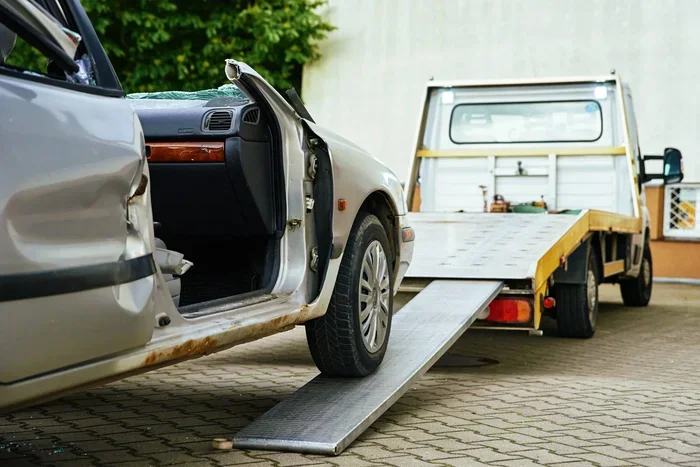
When you fall behind on payments, your lender sends notices. If you don’t catch up, they may hire a repo company. These companies can take your car from your driveway, workplace, or even a public parking lot. They do this without warning in most cases. However, they cannot break into a locked garage or use force. That would violate your rights.
After the repo, the lender typically sells the vehicle at an auction. The sale proceeds go toward your loan balance. If the auction price doesn’t cover the full amount, you may owe a deficiency balance.
Your Rights After Repossession
Once your car is taken, you still have rights. Federal law and state laws protect consumers during this process. Your lender must send you a notice of the sale. This notice tells you when and where the auction happens. It also tells you how much you need to pay to get the car back before the sale.
You have the right to redeem the vehicle or reinstate the loan. Both options give you a path back to car ownership. Let’s look at each one closely.
Can I Get My Car Back Through Reinstatement?
Reinstatement is the most common way to recover a repossessed car. It means you pay all the missed payments plus any late fees and repossession costs. Once you do that, the lender reinstates your auto loan and returns the vehicle to you.
How Reinstatement Works
To reinstate your loan, you need to contact your lender as soon as possible. Ask them for a reinstatement quote. This number tells you exactly how much you need to pay. It usually includes:
- All missed monthly payments
- Late fees and penalties
- Repossession costs and storage fees
- Any other charges listed in your loan agreement
Once you pay the full reinstatement amount, the lender must return your car. This process is usually faster than redemption because you don’t need to pay the entire loan balance.
Time Limits for Reinstatement
Here’s where things get tricky. Every state sets a different timeline for reinstatement. Some states give you as little as 10 days. Others allow 20 or 30 days. If you miss the window, you lose the right to reinstate. That’s why speed matters so much.
Quick Tip: Call your lender the same day you learn about the repossession. Ask about reinstatement options immediately. The faster you act, the better your chances.
What Is the Redemption Period for Repossessed Cars?
Redemption is another way to get your car back. With redemption, you pay the full remaining loan balance plus any fees and costs. This is different from reinstatement because you pay off the entire loan, not just the missed payments.
How Redemption Differs from Reinstatement
Reinstatement lets you cure the default and keep your original loan terms. Redemption requires you to pay everything upfront. In exchange, you get the car back free and clear of the loan.
Redemption is more expensive, but it has one big advantage. Once you redeem, the loan is completely satisfied. You don’t owe anything else. There’s no deficiency balance. You own the car outright.
When Does Redemption Apply?
Redemption usually applies after the lender sells the car at auction. If the auction didn’t cover your loan balance, you can still redeem by paying the difference. The redemption period typically lasts between 30 and 90 days, depending on your state.
Some states allow redemption only before the auction. Others let you redeem even after the sale. Check your state’s specific laws to understand your window of opportunity.
Can I Get My Car Back If It Was Already Sold at Auction?
Yes, in many cases you still can. Even after the auction, you may have the right to buy back car through redemption. The auction price often falls short of what you owe. This creates a situation where you need to pay the difference to reclaim the vehicle.
What If Someone Else Bought My Car?
If a third party bought your car at auction, things get more complicated. In most states, you can still redeem the vehicle by paying the full loan balance. The new buyer would then need to return the car to you. However, some states have different rules. A few states do not allow post-auction redemption at all.
This is exactly why understanding your legal rights matters so much. You need to know whether your state permits redemption after the auction. A quick call to a consumer rights attorney can clarify this in minutes.
What If the Car Was Sold to a Dealer?
Lenders often sell repossessed vehicles to dealerships. If your car ended up at a dealer, you can still try to redeem it. You would pay the full loan balance, and the dealer would return the vehicle. This process works, but it takes more money and more effort.
Voluntary Repossession: What You Should Know
Sometimes the best option is to return the car yourself. This is called voluntary repossession. Instead of letting the lender send a repo crew, you hand over the keys and the vehicle on your terms.
Benefits of Voluntary Repossession
Voluntary repossession won’t erase your debt, but it can help in several ways:
- Lower costs: You avoid the fees charged by professional repo companies.
- Less stress: You don’t have to worry about a repo team showing up at your door.
- Better standing: Lenders may view voluntary surrender more favorably than a forced repossession.
- More control: You can negotiate better terms when you return the car willingly.
Can You Still Get the Car Back After Voluntary Repo?
Yes, you can. The same redemption and reinstatement rules apply. If you return the car voluntarily and then change your mind, you still have the right to recover it during the applicable period. Just make sure you understand the timeline and act quickly.
How Repossession Affects Your Credit and Finances
Getting your car back is only half the battle. You also need to deal with the financial fallout. A car repossession has a serious impact on your credit score and your overall financial health.
The Credit Score Impact
A repossession stays on your credit report for up to seven years. It drops your score significantly, sometimes by 100 points or more. Late payments that led to the repossession also hurt your score. The combination of missed payments and a repo can make it hard to get approved for new credit.
However, the damage isn’t permanent. As time passes and you build positive payment history, your score will recover. Making all your payments on time going forward is the best way to rebuild.
Dealing With Deficiency Balances
If your car sells at auction for less than you owe, the lender may send you a bill for the difference. This is called a deficiency balance. You are legally responsible for paying it.
Some lenders sell deficiency debts to collection agencies. If that happens, you may receive calls from debt collectors. You have the right to dispute the balance if you believe it’s inaccurate. Always ask for a written validation of the debt before paying anything.
Practical Steps to Get Your Car Back Right Now
If you want to get your car back after repossession, you need to take action immediately. Here is a step-by-step plan that works.
Step 1: Contact Your Lender Immediately
Call your lender’s repossession department. Ask for a reinstatement quote and a redemption quote. Write down the names of the people you speak with and the dates of your calls. Keep all communication in writing whenever possible.
Step 2: Review Your Loan Agreement
Pull out your original loan contract. Look for the repossession clause and the redemption terms. Understanding your contract gives you an advantage in negotiations.
Step 3: Check Your State Laws
Search for your state’s repossession laws online. Look for the redemption period, reinstatement rules, and any consumer protections that apply. Your state’s attorney general website is a great resource for this.
Step 4: Gather Your Funds
Figure out how much money you can put toward recovering the car. Whether it’s through savings, a loan from family, or a payment plan with the lender, having a clear plan helps you move fast.
Step 5: Act Before the Deadline
This is the most important step. Every day you wait, your window closes. Pay the reinstatement or redemption amount before the deadline expires. Once the lender sells the car or the period ends, your options disappear.
Common Mistakes People Make
Many people make avoidable mistakes when trying to recover their car. Here are the biggest ones:
- Waiting too long: Assuming you have more time than you actually do.
- Ignoring notices: Not reading the lender’s letters and missing key deadlines.
- Not negotiating: Failing to ask for fee waivers or payment extensions.
- Skipping the contract review: Not knowing what your loan agreement actually says.
- Paying the wrong amount: Not getting a clear reinstatement or redemption quote before sending money.
Avoiding these mistakes puts you in a much stronger position. The more prepared you are, the smoother the recovery process goes.
Expert Insights on Vehicle Recovery
We spoke with consumer finance experts about the best strategies for recovering a repossessed vehicle. Here’s what they had to say.
Act within the first 48 hours. The sooner you reach out to your lender, the more leverage you have. Lenders are more willing to work with borrowers who show up quickly and communicate clearly.
Get everything in writing. Verbal agreements mean nothing in a dispute. Always ask for written confirmation of reinstatement terms, redemption quotes, and payment plans. This protects you if anything goes wrong.
Consider consulting a consumer rights attorney. Many attorneys offer free consultations. They can review your case, explain your rights, and help you negotiate better terms. It’s a small investment that can save you thousands of dollars.
Don’t ignore deficiency claims. If the auction didn’t cover your loan, the lender may still pursue you for the difference. Respond to all correspondence and dispute any amounts you believe are incorrect.
Can I Get My Car Back After Repossession If I Have Bad Credit?
Absolutely. Your credit score doesn’t determine whether you can recover your vehicle. The process is the same regardless of your credit history. What matters is whether you can pay the reinstatement or redemption amount within the allowed timeframe.
If you have bad credit and need to finance the recovery, look into personal loans from credit unions or online lenders. Some lenders specialize in helping people with less-than-perfect credit. Just make sure you compare rates and read the fine print before signing anything.
Preventing Future Repossessions
If you successfully recover your car, you’ll want to make sure this never happens again. Here are some strategies that work:
- Set up automatic payments: Never miss a payment again by automating your loan payments.
- Build an emergency fund: Even a small cushion can keep you from defaulting during tough months.
- Communicate with your lender early: If you’re struggling, call before you miss a payment. Many lenders offer hardship programs.
- Refinance if needed: A lower monthly payment might make your loan more manageable going forward.
- Track your budget closely: Know exactly where your money goes each month and prioritize your loan payment.
These habits don’t just protect your car. They protect your overall financial health and peace of mind.
Conclusion
The answer to can I get my car back after repossession is yes, in most cases. You have the right to reinstate your loan, redeem your vehicle, or recover it after an auction sale. The key is understanding your options and acting quickly.
Every state has different rules, so know your local laws. Talk to your lender as soon as possible. And don’t be afraid to seek professional help if the process feels overwhelming. Thousands of people recover their cars every year, and you can too.
Take control of your situation today. The steps you take now determine whether you get your car back or lose it for good. Don’t wait. Make the call, gather your information, and start the recovery process.
Frequently Asked Questions
How long do I have to get my car back after repossession?
The timeline depends on your state. Most states give you between 10 and 90 days to reinstate or redeem the vehicle. Check your state’s specific laws to find your exact deadline. Missing the window means losing your right to recover the car permanently.
Can I get my car back after repossession without paying the full balance?
Yes, through reinstatement. You only need to pay the missed payments plus fees, not the entire loan balance. Redemption requires paying the full balance, but reinstatement is more affordable and keeps your original loan terms intact.
Will getting my car back after repossession fix my credit score?
No, the repossession itself stays on your credit report for seven years. However, getting the car back and resuming regular payments helps you rebuild credit over time. The damage from a repossession lessens as you demonstrate responsible financial behavior going forward.
What if I can’t afford to get my car back?
You still have options. You can negotiate a payment plan with your lender, sell the deficiency balance, or seek help from a credit counseling agency. Some nonprofits offer free assistance to people facing vehicle repossession and debt challenges.
Can the lender charge me for storage fees during repossession?
Yes, lenders can pass storage and towing costs to you. These fees are added to your reinstatement or redemption amount. Always ask for a detailed breakdown of all charges before paying anything. You have the right to dispute unreasonable fees.
What is the difference between voluntary and involuntary repossession?
Voluntary repossession happens when you return the car yourself before the lender takes it. Involuntary repossession occurs when the lender sends a repo company to seize the vehicle. Voluntary repossession often results in lower fees and a slightly better outcome for your credit.