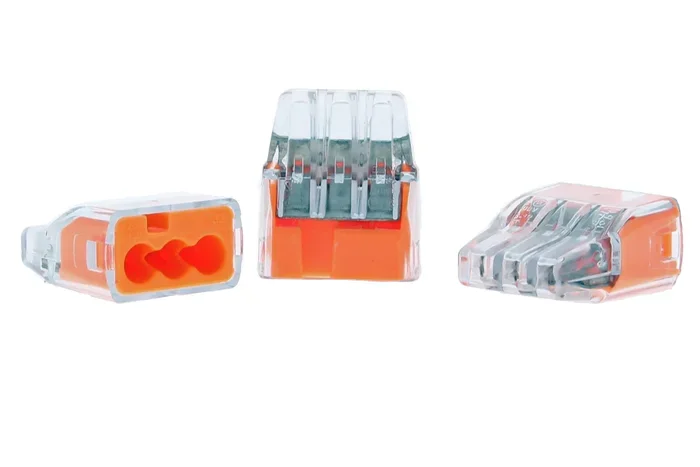
Are Push-In Wire Connectors Reusable Heres the Deal
Push-in wire connectors can be reused in some cases, but they are not designed for repeated use without risk. These small electrical connectors are popular in automotive wiring because they are fast and easy to install. However, reusing them may lead to loose connections, electrical faults, or even fires. Understanding when reuse is safe and when it is not can save you time, money, and headaches. This guide breaks down everything you need to know about push-in wire connectors reusable options.
Have you ever pulled a wire connector out of your car and thought, “Can I just reuse this thing?” You are not alone. Push-in wire connectors are everywhere in modern vehicles. They are fast, clean, and require no special tools. But here is the big question: are push-in wire connectors reusable? The short answer is sometimes, but not always. Let us dig into this topic and get you all the facts you need.
Whether you are a DIY mechanic or someone who just wants to understand your cars wiring, this guide is for you. We will cover what these connectors are, how they work, when reuse is safe, and when you should toss them and grab a new one. By the end, you will have a clear picture of push-in wire connectors reusable options and how to make smart decisions for your automotive projects.
Key Takeaways
- Limited Reuse: Push-in connectors can sometimes be reused, but only if the internal spring mechanism is still in good condition.
- Safety First: Reusing a damaged connector can cause electrical faults, overheating, or fires in your vehicle.
- Check the Spring: The spring-loaded contact inside the connector must grip the wire firmly for a safe connection.
- Not All Connectors Are Equal: Some brands and models are designed for single use only, while others allow limited reusability.
- Better Alternatives Exist: Crimp connectors and wire nuts offer more reliable long-term connections for critical automotive circuits.
- Inspect Before Reuse: Always visually and physically test the connector before putting it back into service.
- Automotive Wiring Matters: Vehicle environments involve vibration, heat, and moisture, which make connector reliability even more important.
📑 Table of Contents
- What Are Push-In Wire Connectors?
- Can You Reuse Push-In Wire Connectors?
- Push-In Connectors vs. Other Connector Types
- When It Is Safe to Reconnect a Push-In Connector
- Common Mistakes People Make with Push-In Connectors
- Expert Tips for Automotive Wiring and Connector Use
- Are Push-In Wire Connectors Reusable? Final Verdict
What Are Push-In Wire Connectors?
Push-in wire connectors are small, plastic devices that join two or more electrical wires together. You simply strip the wire end, insert it into the connector, and push it in until it clicks. Inside, a small spring-loaded metal contact grips the wire and completes the electrical circuit. They are also called quick-connect terminals, snap-in connectors, or wire push-ins.
These connectors are popular in automotive applications for a few reasons. First, they are incredibly fast to install. No twisting, no soldering, no special tools. Second, they keep connections compact and neat. Third, they are widely available and affordable. You can find them at any auto parts store or online.
How They Work
The internal design of a push-in connector is clever. When you push the stripped wire into the port, a small spring plate bends and wraps around the wire strands. This creates a snug fit and a solid electrical connection. The plastic housing holds everything in place and provides insulation.
Most push-in connectors are designed for a specific wire gauge range. For example, a connector might work with 18 to 14 AWG wire. Using the wrong wire size can cause the connection to be loose or unreliable. Always check the packaging or housing for the rated wire size before installing.
In automotive electrical systems, these connectors are used for everything from dashboard lights to fuel pump wiring. They are convenient, but convenience does not always mean long-term reliability.
Can You Reuse Push-In Wire Connectors?
This is the million-dollar question. The truth is, push-in wire connectors reusable use is a topic with some nuance. Not all connectors are created equal, and not all reuse situations are safe.
The Short Answer
Some push-in connectors can be reused one or two times if the internal spring mechanism is still intact and the wire gauge has not changed. However, most manufacturers design these connectors for single use. Reusing them comes with risks that you need to understand.
The Long Answer
When you remove a push-in connector from a wire, the internal spring can lose its tension. Over time, the spring may not grip the wire as tightly as it did the first time. This means the connection could become loose. A loose connection in a car is a serious problem. It can cause intermittent electrical failures, flickering lights, or even an electrical short.
Heat is another factor. Automotive environments can get hot under the hood or behind dashboards. Repeated heating and cooling cycles can weaken the plastic housing and the internal spring. A connector that worked fine on the first install might not hold up on a second use.
Vibration is a big deal in vehicles too. Cars vibrate constantly from the engine, road, and drivetrain. A connector that is already slightly weakened from previous use may fail under vibration. This is why many automotive electricians recommend replacing connectors rather than reusing them.
When Reuse Might Be Acceptable
There are a few situations where reusing a push-in connector might be okay. These include:
- Temporary testing: If you are testing a circuit and plan to install a permanent connector afterward.
- Low-current circuits: Things like dashboard indicator lights or interior dome lights carry very little current.
- Fresh connector condition: The connector came out clean, the spring is still firm, and there is no visible damage.
- Same wire gauge: You are reconnecting the same size wire to the same connector.
Even in these situations, you should always inspect the connector carefully before reuse. If anything looks worn, cracked, or weak, replace it with a new one.
Push-In Connectors vs. Other Connector Types
To truly understand whether push-in connectors are worth reusing, it helps to compare them with other common electrical connectors used in automotive work.
Push-In vs. Crimp Connectors
Crimp connectors require a special crimping tool. You slide the wire into the connector terminal and squeeze it tight. This creates a very strong, permanent connection. Crimp connectors are generally not reusable either, but they offer superior holding power compared to push-in connectors.
For high-current circuits like starter motors or alternator wiring, crimp connectors are the better choice. They handle vibration and heat much better than push-in types.
Push-In vs. Wire Nuts
Wire nuts are the twist-on connectors you may have seen in home electrical work. They are not commonly used in automotive applications, but some DIYers do use them. Wire nuts can be reused if the internal spring is still in good shape. However, they are bulkier than push-in connectors and not ideal for tight spaces in a vehicle.
Push-In vs. Soldered Connections
Soldering creates a permanent electrical bond by melting metal around the wire. Soldered connections are very strong but can be brittle over time, especially in vibrating environments like cars. Many automotive experts actually discourage soldering because a brittle solder joint can crack and fail.
| Feature | Push-In Connectors | Crimp Connectors | Wire Nuts | Soldered Connections |
|---|---|---|---|---|
| Reusable? | Limited | Limited | Sometimes | No |
| Ease of Installation | Very Easy | Moderate | Easy | Difficult |
| Vibration Resistance | Low to Medium | High | Medium | Low |
| Best For | Quick fixes, low-current | High-current circuits | Home wiring | Not recommended for auto |
| Cost | Low | Low to Medium | Very Low | Low |
As you can see from the comparison, each connector type has its place. Push-in connectors shine in convenience but fall short in durability and reusability compared to crimp connectors.
When It Is Safe to Reconnect a Push-In Connector
If you have determined that your push-in wire connectors reusable potential is worth exploring, here are some guidelines to follow for safe reconnection.
Inspect the Connector
Before reusing any push-in connector, give it a close look. Check for cracks in the plastic housing. Look at the wire entry port for any burrs or sharp edges that could damage the wire. Squeeze the connector gently to feel if the internal spring is still responsive.
Test the Wire Grip
Insert a wire of the correct gauge and give it a gentle tug. The connector should hold the wire firmly without it sliding out. If the wire pulls out easily, the spring has lost its tension. Do not reuse that connector. Replace it with a new one.
Match the Wire Gauge
Always use the same wire gauge that the connector was originally designed for. Using a thicker wire can prevent the spring from gripping properly. Using a thinner wire can result in too much exposed copper inside the connector, which increases the risk of a short circuit.
Consider the Environment
Where will the connector live inside the car? If it is in an exposed area under the hood, heat and moisture will take a toll. In these locations, always use a new connector. For interior connections where temperature and vibration are lower, reuse may be less risky.
Use Dielectric Grease
If you do decide to reuse a push-in connector in an automotive application, consider applying a small amount of dielectric grease. This helps protect the connection from moisture and corrosion. It also makes future removal easier. Just a tiny dab on the inside of the connector port is enough.
Common Mistakes People Make with Push-In Connectors
Even experienced DIYers make mistakes with these connectors. Here are some of the most common errors and how to avoid them.
Reusing Damaged Connectors
The biggest mistake is reusing a connector that is clearly worn or damaged. A cracked housing or a weak spring is a ticking time bomb in your electrical system. Always inspect before reconnecting, and when in doubt, replace it.
Using the Wrong Wire Size
Every push-in connector is rated for a specific wire gauge range. Using a wire that is too thick or too thin compromises the connection. Check the packaging or the markings on the connector housing before inserting any wire.
Ignoring Corrosion
In automotive environments, corrosion is a real enemy. If you notice any green or white buildup on the metal contacts inside the connector, do not reuse it. Corrosion increases resistance and can lead to overheating and electrical failures.
Overcrowding the Connector
Some people try to push too many wires into a single connector port. This is a bad idea. Each port is designed for one or two wires at most, depending on the model. Overcrowding leads to poor contact and increased heat.
Skipping the Tug Test
After inserting a wire, always give it a gentle pull. This simple step takes two seconds and can save you from a loose connection down the road. If the wire comes out, the connector is not making a proper connection.
Expert Tips for Automotive Wiring and Connector Use
Working with automotive electrical systems requires care and attention to detail. Here are some expert tips to help you get the best results.
Invest in Quality Connectors
Not all push-in connectors are the same. Cheap connectors from unknown brands may use weak springs and thin plastic. Name-brand connectors from reputable manufacturers tend to be more reliable. Brands like Tyco, TE Connectivity, and Molex are well-known in the automotive industry for quality electrical connections.
Keep a Connector Kit on Hand
Having a variety of push-in connectors in your toolbox is always a good idea. You will need different sizes for different wire gauges. A good kit also includes sealed versions that protect against moisture. Sealed connectors are especially useful for under-hood or undercarriage applications.
Label Your Wires
When disconnecting wires for repair or replacement, take a moment to label them. Use small pieces of tape or a label maker. This saves a lot of confusion when you are putting things back together. It also helps you identify which connectors might be safe to reuse.
Address Electrical Faults Promptly
If you notice flickering lights, intermittent power, or a connector that feels warm to the touch, address the issue immediately. Loose or corroded connections are common causes of electrical faults in vehicles. Ignoring them can lead to bigger problems, including damage to expensive components.
Understand Wire Gauge and Ampacity
Every wire has a maximum current capacity called ampacity. Thicker wires (lower gauge numbers) can carry more current. Using the wrong wire size with a push-in connector can cause overheating. Always match the wire gauge to the connectors specifications and the circuits requirements.
Are Push-In Wire Connectors Reusable? Final Verdict
So, are push-in wire connectors reusable? The honest answer is: it depends. For quick, temporary, or low-risk connections, reuse may be acceptable if the connector is in good condition. For anything involving high current, heat, vibration, or critical safety systems, always use a fresh connector.
The spring-loaded mechanism inside push-in connectors is the key to their function. Once that spring loses tension, the connector is no longer reliable. Even if it looks okay from the outside, the internal grip may be compromised. When safety and reliability matter, there is no substitute for a new connector.
In the world of automotive electrical work, the old saying holds true: if in doubt, replace it out. A few cents spent on a new connector is nothing compared to the cost of an electrical fire or a failed component on the road.
Push-in connectors are a great tool to have in your kit. They make certain jobs faster and easier. Just remember their limitations and use good judgment when deciding whether to reuse them. Your cars electrical system will thank you for it.
Next time you are working on your vehicle and pull out a push-in connector, take a moment to evaluate it. Check the spring, inspect the housing, and test the wire grip. Make an informed decision. That small habit will keep your automotive electrical work safe, reliable, and long-lasting.
Frequently Asked Questions
Can you reuse push-in wire connectors on a car battery connection?
No, you should never reuse push-in connectors on high-current connections like a car battery. Battery cables carry a lot of current, and a loose push-in connection could overheat, melt, or cause a fire. Always use proper crimp terminals or bolt-down battery clamps for battery connections.
How many times can a push-in wire connector be safely reused?
Most manufacturers design push-in connectors for single use. In ideal conditions, some connectors can be reused once or twice if the spring is still strong and the wire gauge matches. However, there is no guarantee, so replacing them with new connectors is always the safest choice.
What happens if you reuse a damaged push-in connector?
A damaged push-in connector can cause a loose connection, which leads to intermittent power, flickering lights, or electrical shorts. In worst-case scenarios, a poor connection can generate heat and start a fire inside your vehicle. Always replace connectors that show any signs of wear or damage.
Are sealed push-in connectors reusable?
Sealed push-in connectors are generally designed for single use as well. The sealing rubber or gel helps protect against moisture, but repeated use can compromise the seal and the internal spring. For automotive applications exposed to water or road salt, always use a new sealed connector.
Do push-in connectors work with stranded wire and solid wire?
Most push-in connectors are designed for stranded wire, which is the type of wire commonly found in automotive harnesses. Solid wire may not be gripped properly by the internal spring. Always check the connectors specifications to confirm the wire type it supports.
What is the best alternative to push-in connectors for automotive wiring?
Crimp connectors are widely considered the best alternative for automotive wiring. They provide a strong, permanent connection that handles vibration and high current well. For quick connections, quality push-in connectors from reputable brands are a good option, but they should be replaced rather than reused for critical circuits.
=== CONCLUSION ===
Push-in wire connectors are convenient, fast, and easy to use. They have earned a spot in every DIYers toolbox and in professional automotive shops alike. But when it comes to reuse, caution is the name of the game. Push-in wire connectors reusable potential is limited by their design and the harsh conditions of automotive environments.
The internal spring mechanism is the heart of these connectors. Once it weakens, the connection becomes unreliable. Heat, vibration, moisture, and repeated use all take a toll over time. For low-risk, temporary situations, reuse might be fine. But for anything safety-related or high-current, always reach for a new connector.
Remember the key points from this guide. Inspect every connector before reuse. Test the wire grip with a tug. Match the wire gauge correctly. And when you are unsure, replace it. These simple habits will keep your automotive electrical system working safely and reliably for years to come.
Now that you know the truth about push-in wire connectors reusable options, you can make smarter decisions on your next automotive project. Grab the right connectors, do the job right, and drive with confidence knowing your electrical connections are solid and secure.