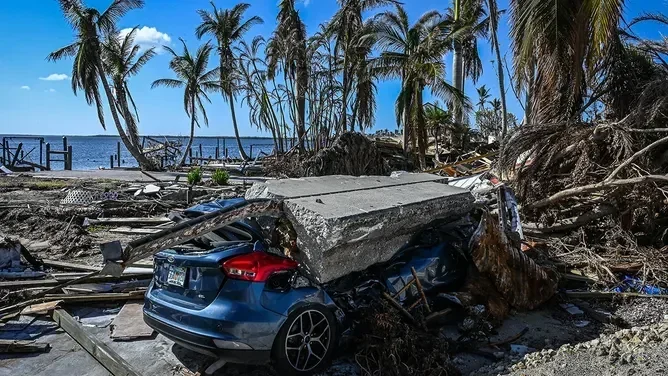
Does Car Insurance Cover Hurricane Damage After Storms
Does car insurance cover hurricane damage? The answer depends on your policy type. Comprehensive coverage typically protects against storm damage, including flooding and wind damage, while basic liability plans usually do not. Understanding your auto insurance claim process, deductible, and coverage limits can save you thousands after a major storm hits.
Every year, hurricanes cause billions of dollars in damage across the United States. Homes crumble. Power grids fail. And vehicles get damaged too. Whether your car sits in a driveway, a parking lot, or gets swept away by floodwaters, the question on every driver’s mind is the same. Does car insurance cover hurricane damage? The short answer is: it depends on what kind of coverage you have. This guide breaks it all down so you know exactly what to expect before, during, and after a major storm.
Understanding your auto insurance policy can feel overwhelming. There are terms like comprehensive coverage, deductibles, and named storms that sound confusing. But once you understand the basics, you will be in a much better position to protect your vehicle and your wallet. This article covers everything from the types of damage hurricanes cause to the step-by-step process of filing a claim. You will also learn common mistakes to avoid and expert tips that can make a real difference when disaster strikes.
Key Takeaways
- Comprehensive coverage is essential: It is the only standard policy type that covers hurricane and storm damage to your vehicle.
- Deductibles matter: You will pay out of pocket before your insurance payout kicks in, and hurricane deductibles can be higher than standard ones.
- Filing a claim quickly is critical: Delays can reduce your chances of a successful claim or lead to denial.
- Flood damage is not automatic: Standard policies exclude flood damage unless you have comprehensive coverage.
- Document everything: Photos, videos, and written proof of loss strengthen your case significantly.
- Gap insurance helps if your car is a total loss: It covers the difference between your car value and what you still owe on the loan.
- Living in a coastal or hurricane-prone area increases risk: Review your policy annually to ensure adequate protection.
📑 Table of Contents
- What Types of Damage Do Hurricanes Cause to Vehicles?
- Does Car Insurance Cover Hurricane Damage? Here Is What You Need to Know
- How to File a Claim for Hurricane Damage to Your Car
- Common Mistakes People Make After Hurricane Damage
- How to Protect Your Vehicle Before a Hurricane Hits
- What Happens When Your Car Is a Total Loss After a Hurricane?
- Expert Insights on Hurricane and Car Insurance
- Key Takeaways
- Conclusion
What Types of Damage Do Hurricanes Cause to Vehicles?
Hurricanes are not just about strong winds. They bring a whole mix of destructive forces that can wreck your car in multiple ways. Knowing what kind of damage to expect helps you understand what your policy should cover.
Wind Damage
High-speed winds can turn loose objects into dangerous projectiles. Tree branches, signs, and even pieces of rooftops can smash into your vehicle. This type of storm damage is common during hurricanes. Even parked cars are vulnerable if they are near trees or structures that can collapse.
Flood and Water Damage
Flooding is one of the most devastating effects of a hurricane. Water can rise quickly and submerge vehicles completely. Saltwater flooding is especially harmful because it corrodes metal and ruins electrical systems. Water damage from flooding is often the most expensive type of hurricane damage to repair.
Flying Debris and Impact Damage
During a hurricane, debris flies everywhere. Gravel, glass, and other materials can crack windshields, dent panels, and break mirrors. This kind of impact damage can happen in seconds, leaving your car looking worse for wear.
Rust and Long-Term Damage
Even after the storm passes, hurricane damage can linger. Moisture trapped inside your vehicle can lead to mold and rust over time. These issues may not show up immediately, but they can become serious problems weeks or months later.
Does Car Insurance Cover Hurricane Damage? Here Is What You Need to Know
The answer to whether your policy covers hurricane damage comes down to the type of coverage you purchased. Not all car insurance policies are the same, and understanding the differences is key to avoiding surprises after a storm.
Comprehensive Coverage and Hurricane Protection
Comprehensive coverage is the type of insurance that typically covers hurricane damage. This coverage pays for damage caused by events that are not collisions. That includes storms, flooding, falling trees, hail, and wind damage. If a hurricane blows a tree onto your car or floodwaters rise around your vehicle, comprehensive coverage is what steps in to help.
However, comprehensive coverage does have limits. It pays up to the actual cash value of your vehicle, not what you originally paid for it. If your car is older and has low market value, the payout might not be enough to replace it entirely.
Collision Coverage and Hurricane Damage
Collision coverage pays for damage that results from a crash or accident. During a hurricane, you might lose control of your car on a flooded road or collide with another vehicle. In those cases, collision coverage applies. But if your car simply sits parked and gets damaged by wind or flood, collision coverage will not help. You need comprehensive coverage for that.
Liability Coverage and Why It Does Not Help Here
Liability coverage is the most basic type of car insurance. It covers damage you cause to other people or their property. It does not cover damage to your own vehicle. So if a hurricane damages your car, liability coverage will not pay for repairs. This is why having comprehensive coverage is so important for hurricane protection.
What About Named Storm Deductibles?
Some insurance policies include a special hurricane deductible or named storm deductible. This is a separate deductible that applies specifically when a storm is officially named by the National Hurricane Center. In some states, this deductible can be a percentage of your car’s value, such as 2% or 5%. This means you will pay more out of pocket before your insurance kicks in compared to a standard deductible.
| Coverage Type | Covers Hurricane Damage? | What It Covers |
|---|---|---|
| Comprehensive | Yes | Flood, wind, falling debris, hail, storm damage |
| Collision | Partially | Accidents during a storm, hitting objects while driving |
| Liability | No | Damage to others only |
| Gap Insurance | No (but helps after total loss) | Covers the difference between car value and loan balance |
How to File a Claim for Hurricane Damage to Your Car
Once the storm passes, the clock starts ticking. Filing your auto insurance claim quickly can make a big difference in how smoothly the process goes. Here is a step-by-step guide to help you navigate the claims process after a hurricane.
Step 1: Make Sure You Are Safe First
Before you do anything else, make sure you and your family are safe. Do not attempt to move your car if it is in standing water or if the area is still dangerous. Wait for local authorities to give the all-clear before approaching your vehicle.
Step 2: Document the Damage Thoroughly
Take photos and videos of all the damage. Capture close-ups of dents, scratches, water marks, and broken glass. Also take wide shots that show the overall condition of your car and its surroundings. This proof of loss is essential when you file your claim.
Step 3: Contact Your Insurance Company
Call your insurance provider as soon as it is safe to do so. Report the damage and let them know you are filing a claim for hurricane damage. Have your policy number ready, along with photos and any other documentation you have gathered.
Step 4: File the Formal Claim
Your insurer will guide you through the formal claim process. You may need to fill out specific forms and provide additional details. Be honest and thorough in your descriptions. Any inconsistencies can lead to delays or even a denied claim.
Step 5: Get an Assessment
An adjuster from your insurance company will assess the damage. They may inspect your car in person or ask you to provide additional documentation. Cooperate fully and answer all questions accurately.
Step 6: Receive Your Payout
After the assessment, your insurer will determine the payout amount. This is based on your coverage limits, your deductible, and the actual cash value of your vehicle. Once you agree to the terms, you will receive your insurance payout.
Quick Tips for a Smooth Claims Process
- File your claim as soon as possible after the storm passes.
- Keep all receipts for any temporary repairs or towing costs.
- Do not make permanent repairs until your adjuster has inspected the vehicle.
- Keep a copy of everything you submit to your insurer.
- Follow up regularly if you do not hear back within a reasonable time.
Common Mistakes People Make After Hurricane Damage
Dealing with hurricane damage is stressful enough without making mistakes that cost you money. Here are some common errors that policyholders make and how to avoid them.
Waiting Too Long to File a Claim
Time is not on your side after a hurricane. Insurance companies often have deadlines for filing claims after a major weather event. Waiting too long can result in a denied claim. File as soon as it is safe to do so.
Not Reading Your Policy Carefully
Many people discover too late that their policy does not cover certain types of storm damage. Read your policy thoroughly and understand what is included and what is not. If anything is unclear, call your insurance agent and ask questions.
Underestimating the Deductible
Your deductible is the amount you pay out of pocket before insurance coverage begins. Some people forget about their hurricane deductible or underestimate how much it will be. Make sure you know your deductible amount before you need to file a claim.
Skipping Documentation
Without proper documentation, your claim can be weakened or delayed. Always take photos, keep receipts, and write down detailed notes about the damage. The more evidence you have, the stronger your claim will be.
Making Repairs Before the Adjuster Arrives
It is tempting to fix minor damage right away, but doing so before your adjuster inspects the vehicle can cause problems. Your insurer needs to see the original damage. Make temporary repairs only if they prevent further damage, and save all receipts.
How to Protect Your Vehicle Before a Hurricane Hits
Preparation is the best defense against hurricane damage. Taking a few simple steps before a storm arrives can save you a lot of money and hassle later.
Park Your Car in a Safe Location
If possible, park your vehicle in a garage or covered area. If you do not have a garage, park away from trees, power lines, and low-lying areas prone to flooding. The location where you park can make a huge difference in the type of damage your car sustains.
Invest in Comprehensive Coverage Early
If you live in a hurricane-prone area, comprehensive coverage is not optional. It is a necessity. Make sure your policy includes this coverage well before hurricane season begins. Many policies have waiting periods or exclusions that could leave you unprotected if you wait until a storm is approaching.
Keep an Emergency Kit in Your Car
Having an emergency kit in your vehicle is always a good idea. Include important documents like your insurance card, registration, and contact information for your insurance company. Store them in a waterproof container so they survive even if your car gets flooded.
Review Your Policy Annually
Insurance needs change over time. Review your policy at least once a year, especially before hurricane season. Check your coverage limits, your deductible, and make sure everything is up to date. This small habit can save you from major headaches when a storm hits.
What Happens When Your Car Is a Total Loss After a Hurricane?
Sometimes the damage is so severe that your car cannot be repaired. In insurance terms, this is called a total loss. When a vehicle is declared a total loss, the insurance company pays you the actual cash value of the car minus your deductible.
If you still owe money on a car loan, the payout might not cover the full balance. This is where gap insurance becomes valuable. Gap insurance covers the difference between what your car is worth and what you still owe. Without gap insurance, you could be stuck paying for a vehicle that no longer exists.
Not everyone has gap insurance, and not every policy includes it. If your car is relatively new or you have a loan or lease, consider adding gap coverage to your policy. It provides an important safety net in worst-case scenarios like a hurricane total loss.
Expert Insights on Hurricane and Car Insurance
We spoke with insurance professionals who shared some valuable perspectives on hurricane coverage and claims.
Insurance Agent Tip: “Many policyholders assume their basic liability plan covers everything. It does not. If you live in an area prone to hurricanes or severe storms, comprehensive coverage is non-negotiable. It is the difference between a manageable repair bill and a financial disaster.”
Claims Adjuster Advice: “The biggest mistake we see is people not documenting damage properly. Take as many photos and videos as you can from multiple angles. Write down the date, time, and weather conditions. This evidence is gold when it comes to processing your claim quickly.”
Financial Planner Insight: “Review your policy before hurricane season every year. Make sure your coverage limits reflect the current value of your vehicle and that your deductible is something you can afford to pay out of pocket in an emergency.”
Key Takeaways
- Comprehensive coverage is the key: It is the primary type of insurance that covers hurricane damage, including flood, wind, and debris damage.
- Filing a claim quickly matters: Delays can complicate or jeopardize your claim, so act as soon as it is safe to do so.
- Document everything: Photos, videos, and written records of damage are critical for a successful auto insurance claim.
- Know your deductible: Whether it is a standard deductible or a hurricane-specific one, understand what you will need to pay before coverage kicks in.
- Gap insurance is worth considering: It protects you financially if your car is declared a total loss after a hurricane.
- Preparation prevents problems: Parking your car safely and reviewing your policy before hurricane season can save you significant stress and money.
Conclusion
So, does car insurance cover hurricane damage? The answer is yes, but only if you have the right coverage. Comprehensive coverage is your best friend when it comes to protecting your vehicle from storms, flooding, and wind damage. Without it, you are left paying for repairs or replacements entirely out of your own pocket.
Understanding your policy, knowing how to file a claim, and avoiding common mistakes can make a world of difference when a hurricane strikes. Take the time to review your coverage before storm season arrives. Document damage thoroughly if the worst does happen. And do not hesitate to reach out to your insurance provider with questions. Being prepared is the smartest thing you can do for your car and your peace of mind.
Hurricanes are powerful forces of nature, but they do not have to leave you financially stranded. With the right auto insurance policy and a clear understanding of what it covers, you can face storm season with confidence. Protect your vehicle, protect your investment, and protect your wallet by making sure your coverage is up to date and adequate for the risks you face.
Frequently Asked Questions
What types of car insurance cover hurricane damage?
Comprehensive coverage is the primary type of insurance that covers hurricane damage. It protects against non-collision events like flooding, wind damage, falling trees, and hail. Collision coverage can also help if you get into an accident during a storm, such as sliding on a flooded road or hitting debris.
Does comprehensive car insurance cover flood damage from a hurricane?
Yes, comprehensive coverage typically covers flood damage caused by hurricanes. This includes water damage from rising floodwaters, standing water, and even saltwater exposure. However, the payout is limited to the actual cash value of your vehicle, minus your deductible.
How much does the deductible cost for hurricane damage claims?
Your standard deductible applies for most claims, but some policies include a separate hurricane deductible or named storm deductible. This can range from $250 to several hundred dollars or even a percentage of your car’s value. Check your policy documents to know exactly what your deductible will be.
How long does it take to process a hurricane damage claim?
The timeline varies depending on the severity of the storm and the number of claims your insurer is handling. Simple claims may be resolved in a few weeks, while complex or widespread damage can take several months. Filing your claim promptly and providing thorough documentation helps speed up the process.
Will my insurance company deny a hurricane damage claim?
Claims can be denied if the damage was caused by something not covered by your policy, if you did not have comprehensive coverage, or if there are discrepancies in your documentation. To avoid denial, make sure your policy includes comprehensive coverage and document all damage carefully before repairs begin.
Should I get gap insurance if I live in a hurricane-prone area?
Gap insurance is highly recommended if you have a car loan or lease. If a hurricane totals your vehicle, gap insurance covers the difference between the insurance payout and what you still owe on your loan. This can save you from paying thousands of dollars for a car that no longer exists.



One Comment