Should I Get My Oil Change by Date or Mileage Today
You should change your oil based on both date and mileage, but the right choice depends on your driving habits. Most modern cars use an oil life system that tracks driving conditions. If you drive short trips often, oil change by date matters more. For high-mileage drivers, mileage-based intervals take priority. This guide breaks down the differences so you can protect your engine and save money.
Key Takeaways
- Date-based changes protect engines that sit idle or do short trips.
- Mileage-based changes are best for drivers who cover lots of miles.
- Most cars today use an oil life monitoring system that combines both factors.
- Ignoring either date or mileage can lead to sludge buildup and engine damage.
- You can often negotiate oil change prices at dealerships and independent shops.
- Some Toyota models offer free oil changes for the first few years.
- Always check your owner’s manual for the manufacturer’s recommended interval.
📑 Table of Contents
- Why Oil Changes Are the Heart of Car Maintenance
- The Date-Based Oil Change Approach
- The Mileage-Based Oil Change Approach
- Date vs Mileage: Which One Should You Choose?
- Factors That Change Your Oil Change Needs
- Signs Your Oil Needs Changing Regardless of the Schedule
- Quick Tips and Common Mistakes
- Expert Insights on Oil Change Intervals
- Conclusion
Why Oil Changes Are the Heart of Car Maintenance
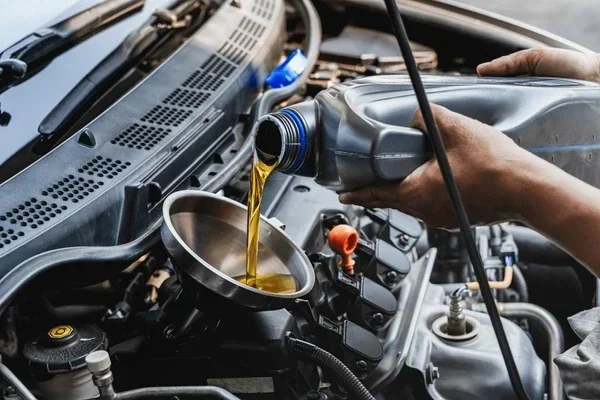
Your engine is a complex machine with hundreds of moving parts. Those parts spin, rub, and create heat every time you turn the key. Engine oil is the lifeblood that keeps everything running smoothly. It reduces friction, cleans away debris, and prevents overheating.
Over time, oil breaks down. It loses its viscosity and its ability to protect metal surfaces. Dirty oil turns into sludge that clogs passages and starves vital components. That is why regular oil changes are non-negotiable. Skipping them can lead to expensive repairs or even a total engine failure.
But here is the question that confuses many drivers: should you track your oil by the calendar date or by the miles you drive? The answer is not always a simple one. It depends on how you use your vehicle, the type of oil you use, and the recommendations in your owner’s manual.
In this guide, we will walk you through the date-based method, the mileage-based method, and the modern oil life systems that try to do both. By the end, you will know exactly how to keep your engine healthy without wasting money or time.
What Happens When You Skip an Oil Change
When you go too long between oil changes, the lubricant becomes contaminated. Fuel, moisture, and combustion byproducts mix into the oil. This mixture accelerates wear on bearings and cylinder walls. You might notice a drop in fuel economy or a rough idle. In severe cases, the engine can seize up entirely.
Some drivers ask, can you go two years without an oil change? The short answer is no. Even if your car sits in the garage, oil degrades over time. Moisture accumulates and acids form. That is why most manufacturers set a maximum interval of six months or one year, whichever comes first.
The Date-Based Oil Change Approach
Understanding the Calendar Interval
The date-based approach is simple. You change your oil every six months or twelve months, regardless of how many miles you have driven. This method is common for drivers who put on few miles each month. It is also the standard for many older vehicles that do not have an oil life monitor.
When you follow a date-based schedule, you are protecting your engine from the natural aging of oil. Even if you only drive 3,000 miles in a year, the oil still absorbs moisture and loses its additives. Changing it on time ensures that the lubricant is always fresh and full of protective chemicals.
When Date-Based Changes Make Sense
Date-based oil changes are ideal for people who do short trips around town. Short trips do not allow the engine to reach full operating temperature. As a result, condensation builds up inside the oil pan. That water mixes with the oil and creates sludge. If you only drive five miles to the grocery store, a calendar interval keeps you safe.
Another group that benefits from date-based changes is the seasonal driver. If you only use your car in the summer or on weekends, you still need to change the oil at least once a year. Stagnant oil loses its ability to coat engine parts. It can also corrode metal surfaces over time.
Some drivers wonder if they can skip an oil change because they have not driven much. That is a common mistake. Even low-mileage cars need fresh oil. If you are unsure, you can check with a service advisor. Some dealerships even offer free oil changes for new vehicles, which makes sticking to a date-based schedule easy and affordable.
The Mileage-Based Oil Change Approach
How Mileage Intervals Work
The mileage-based method focuses on the distance you drive. Most manufacturers recommend an oil change every 5,000 to 7,500 miles for conventional oil. Synthetic oil can often last 10,000 to 15,000 miles before it needs replacement. These numbers are based on the assumption that you drive enough to heat the oil and burn off contaminants.
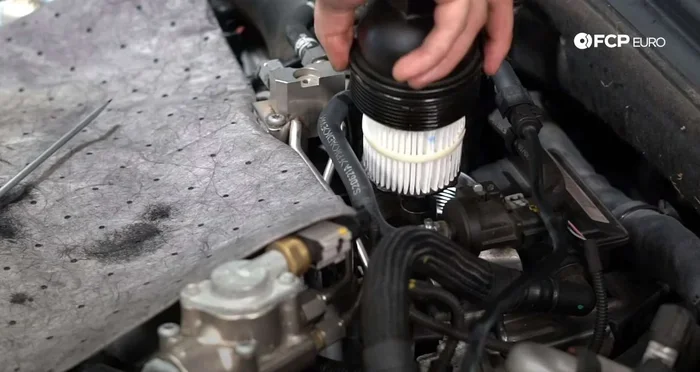
When you track oil by mileage, you are addressing the wear that comes from combustion and friction. Every time you burn fuel, tiny particles enter the oil. The oil filter catches many of them, but over time the filter clogs and the oil loses its clarity. Changing the oil and filter at set mileage intervals keeps the system clean.
Driving Styles and Their Impact
Not all miles are created equal. If you drive mostly on the highway at steady speeds, your oil will last longer. Highway driving allows the engine to warm up fully and burn off moisture. You can often stretch the interval closer to the top of the recommended range.
On the other hand, stop-and-go city driving is hard on oil. Frequent idling and short trips mean the engine never fully warms up. Fuel dilution becomes a real problem. In these conditions, you should stick closer to the lower mileage limit or switch to a date-based schedule. If you are unsure what your driving style requires, ask a mechanic during your next service. They can also check your transmission fluid and other vital fluids while the car is on the lift.
Many modern vehicles come with an oil life monitoring system. This system does not just count miles. It looks at driving habits like hard acceleration, cold starts, and idling time. When the system determines the oil is degraded, it triggers a warning light. This is a smart way to combine both date and mileage factors into one reminder.
Date vs Mileage: Which One Should You Choose?
The Oil Life Monitoring System
Most cars built after 2010 have an oil life system that calculates the optimal change point. It uses algorithms to track engine revolutions, temperature, and driving patterns. When the system decides it is time, it displays a message like “Change Engine Oil Soon.”
The oil life system is designed to be more accurate than a fixed date or mileage rule. It adapts to your actual driving conditions. However, it is not perfect. Sensors can drift over time, and the system does not account for extreme environments. That is why many experts still recommend a manual backup. Use the system as your primary guide, but do not ignore the calendar or the odometer.
Comparison Table: Date vs Mileage
| Factor | Date-Based | Mileage-Based |
|---|---|---|
| Best for | Low-mileage drivers, short trips, seasonal use | High-mileage drivers, highway commuters |
| Typical interval | Every 6–12 months | Every 5,000–15,000 miles |
| Primary concern | Oil degradation over time, moisture buildup | Contaminant accumulation from combustion |
| Works with synthetic oil? | Yes | Yes, often extends the interval |
| Risk if ignored | Sludge, corrosion, loss of lubrication | Increased wear, clogged filter, overheating |
As you can see, both methods have clear advantages. The best approach is often a blend of the two. Use the mileage interval as your baseline, but set a calendar reminder for six months out. If you hit the mileage limit first, change the oil. If time passes first, change the oil anyway.
Factors That Change Your Oil Change Needs
Severe Driving Conditions
Many owner’s manuals include a “severe service” schedule. This schedule shortens the recommended interval because certain driving habits are harder on oil. Towing a trailer, driving in extreme heat or cold, and frequent idling all fall into this category. Dusty or gravel roads also contaminate oil faster.
If you regularly face severe conditions, you should lean toward more frequent changes. You might even change your oil every 3,000 miles or four months. It is better to be proactive than to risk engine damage. The cost of an oil change is tiny compared to the cost of a rebuilt engine.
Vehicle Age and Engine Type
Older vehicles often benefit from more frequent oil changes. As engines age, they tend to burn oil and produce more combustion byproducts. A higher-mileage engine might need a change every 3,000 to 5,000 miles to stay healthy. Newer engines with tight tolerances can often go longer, especially if you use full synthetic oil.
The type of oil you choose also matters. Conventional oil breaks down faster than synthetic blend or full synthetic. If you use conventional oil, stick closer to the date or mileage limit. If you use synthetic, you may be able to extend the interval, but do not go beyond the manufacturer’s maximum recommendation.
Cost and Convenience Considerations
Some drivers delay oil changes because they worry about the cost. The good news is that oil change prices have become more competitive. You can often find deals at chain shops or independent garages. If you visit a dealership, you might be able to negotiate the price of an oil change. Many service centers will match or beat a competitor’s offer, especially if you are a loyal customer.
For Toyota owners, it is worth checking if your vehicle qualifies for complimentary maintenance. Some Toyota models include free oil changes for the first three years or 36,000 miles. You can find the details in your warranty booklet or by asking your dealer. Taking advantage of these offers makes it easy to stay on schedule.
Signs Your Oil Needs Changing Regardless of the Schedule
Warning Lights and Sounds
The most obvious sign is the oil change warning light on your dashboard. If that light comes on, do not ignore it. Other warning signs include a knocking or ticking noise from the engine, a drop in oil pressure, or a burning smell inside the cabin. These symptoms mean the oil is no longer doing its job.
Some drivers also notice a rough idle or hesitation during acceleration. Dirty oil cannot flow smoothly through the engine, which starves the valves and lifters. If you experience any of these issues, check your oil level and condition immediately.
Visual Checks You Can Do at Home
You do not need to be a mechanic to check your oil. Pop the hood and pull out the dipstick. Wipe it clean, reinsert it, and pull it out again. Look at the color of the oil on the stick. Fresh oil is amber and translucent. Old oil is dark brown or black and feels gritty.
Also check the oil level. If it is below the minimum mark, you need to add oil right away. Running low on oil can cause catastrophic engine damage within minutes. Keep a bottle of the correct viscosity oil in your trunk for emergencies. If you are unsure about the right grade, consult your owner’s manual or ask a service advisor.
Quick Tips and Common Mistakes
Quick Tips for Staying on Track
- Set a calendar reminder for your next oil change, whether it is based on date or mileage.
- Keep a logbook or use a smartphone app to track every oil change, including the date, mileage, and type of oil used.
- Always replace the oil filter when you change the oil. A clogged filter reduces oil flow and contaminates the fresh oil.
- Use the oil viscosity recommended by your manufacturer, such as 5W-30 or 0W-20. Using the wrong weight can affect engine performance.
- Check your oil level at least once a month, especially if you drive an older vehicle.
Common Mistakes to Avoid
- Assuming that synthetic oil never needs changing. Even synthetic oil degrades over time and must be replaced.
- Following the “severe service” schedule when you do not actually drive in severe conditions. This wastes oil and money.
- Ignoring the oil change warning light because you recently added oil. Topping off does not replace the contaminated oil.
- Changing your oil too frequently. While it will not hurt the engine, it is an unnecessary expense and creates excess waste.
- Choosing the cheapest oil change without checking the quality of the oil and filter. Low-quality oil may not protect your engine properly.
Expert Insights on Oil Change Intervals
What Mechanics Wish You Knew
Experienced technicians see the results of both neglected and over-serviced engines. The most common complaint they hear is that drivers rely on the oil life system without understanding how it works. The system is a tool, not a guarantee. You still need to pay attention to the calendar and the odometer.
Many mechanics also wish drivers would be more proactive about fluid checks. When you bring your car in for an oil change, ask the technician to inspect other fluids too. They can check the coolant, brake fluid, and transmission fluid. Catching a low fluid level early can prevent a much bigger repair bill down the road.
If you are ever unsure about the right interval for your vehicle, do not hesitate to call the dealership or a trusted independent shop. They can look up your specific model and year and give you a tailored recommendation. Some shops even offer free oil change reminders by email or text message.
Saving Money Without Compromising Protection
One of the best ways to save money is to compare prices before you book an appointment. Online directories and review sites can help you find the best oil change near me deals. Independent shops often charge less than dealerships, but dealerships use OEM parts and factory-trained technicians. Weigh the cost against the convenience and quality.
Another tip is to buy your own oil and filter and bring them to the shop. Some independent mechanics will charge you a flat labor rate if you supply the parts. This can save you 20 to 30 percent on the total cost. Just make sure the parts meet the specifications in your owner’s manual.
For Toyota and Lexus owners, it is also worth asking about Toyota Extra Care or similar maintenance plans. These plans can bundle oil changes with other services at a discounted rate. They take the guesswork out of scheduling and help you stay consistent with your maintenance routine.
Conclusion
So, should I get my oil change by date or mileage? The truth is that both matter. The safest approach is to follow your manufacturer’s guidelines while keeping an eye on both the calendar and the odometer. If you drive short trips or let your car sit for long periods, the date is your best friend. If you rack up highway miles, the mileage counter is the clearer signal.
Modern oil life systems make it easier than ever to stay on track, but they are not foolproof. Use them as a guide, but do not ignore the basics. Fresh oil keeps your engine clean, cool, and efficient. It is one of the simplest and most important things you can do for your vehicle.
Make oil changes a habit, not an afterthought. Set reminders, keep records, and choose a service provider you trust. Your engine will thank you with years of reliable performance. Start today by checking your owner’s manual and scheduling your next oil change by date or mileage before you hit that limit.
Frequently Asked Questions
Is it better to change oil by date or mileage?
It depends on your driving habits. If you drive fewer than the recommended mileage within the time limit, go by date. If you drive a lot of miles, go by mileage. Most modern cars use an oil life system that combines both factors to give you a reminder.
What happens if I go too long between oil changes?
Old oil loses its ability to lubricate and clean the engine. It can turn into sludge that clogs passages and causes overheating. In the worst case, you may experience engine failure that requires a costly rebuild or replacement.
Can I use synthetic oil to extend my oil change interval?
Yes, synthetic oil generally lasts longer than conventional oil. However, you should not exceed the maximum interval recommended by your manufacturer, even with synthetic oil. Check your owner’s manual for the specific guidance.
How do I know if my car has an oil life monitoring system?
Most vehicles made after 2010 have one. Look for a message on your dashboard like “Change Engine Oil Soon” or an oil can icon with a percentage. You can also check your owner’s manual or ask your dealer.
Are oil changes free at Toyota dealerships?
Some Toyota models come with complimentary maintenance for the first few years. Check your warranty or ask your dealer if your vehicle qualifies. Even if it is not free, you can often negotiate the price of an oil change at the dealership.
What is the difference between severe and normal driving conditions?
Normal driving means steady highway speeds and moderate temperatures. Severe driving includes short trips, towing, extreme heat or cold, dusty roads, and frequent idling. If you drive in severe conditions, you should follow the shorter severe service interval for your oil change.